• Skip to main content
  • Skip to header right navigation
  • Skip to site footer

My Cradock

My Cradock

Cradock News Classifieds and Directory

  • Home
  • About
  • Accommodation
  • Business
  • Events
  • Free Business Advert
  • Submit News
You are here: Home / Archives for News / Images

Images

27 March 2016 by Alan

Day 3 – Mountain Zebra National Park – 41 – Mountain Zebra National Park

Day 3 – Mountain Zebra National Park – 41 Image by fiverlocker This Mountain Zebra National Park image was automatically curated and published with WP Robot plugin – CLICK HERE to learn more about WP Robot for WordPress – a massive time and money saver.

Day 3 – Mountain Zebra National Park – 41
Mountain Zebra National Park
Image by fiverlocker

This Mountain Zebra National Park image was automatically curated and published with WP Robot plugin – CLICK HERE to learn more about WP Robot for Wordpress – a massive time and money saver.

Category: ImagesTag: Mountain, National, Park, Zebra
22 March 2016 by Alan

Orroroo school. It opened in 1880. Became a Higher Primary sChool in 1916 and an Area School in 1962.

Orroroo school. It opened in 1880. Became a Higher Primary sChool in 1916 and an Area School in 1962. Image by denisbin The first white occupation of the northern lands occurred in 1844 when James and John Chambers established the Pekina run. They chose a spot along Pekina Creek but no significant rain in 1845/45 …

Orroroo school. It opened in 1880. Became a Higher Primary sChool in 1916 and an Area School in 1962.
Cradock Methodist Church
Image by denisbin
The first white occupation of the northern lands occurred in 1844 when James and John Chambers established the Pekina run. They chose a spot along Pekina Creek but no significant rain in 1845/45 and so in 1846 they sold their leasehold to Price Maurice. Pekina run soon became a great financial success. The run stretched from where Appila is now located to areas north of Orroroo including Walloway and Eurelia. It covered 320 square miles. This was the most northerly run in SA. In 1851 the nearest neighbors were Hugh Proby at Kanyaka Run near Hawker, the Ragless brothers on Balcarrie Run near where the town of Willochra once stood, and Henry Richman on Itali Itali Run and White and Polhill on the Mount Arden Run near Quorn. Within several years most of the northern areas were under leasehold as the port at Augusta had been established and wool could be carted down through Pichi Richi Gorge to Port Augusta.

Pekina Run expanded. Maurice took out a further 350 square miles in the Oladdie Hills establishing an out station homestead there. Pekina Station had become well established and the first white women (wives) arrived in 1854 with the first white birth in the north of SA in 1854 at Pekina. In 1871 the leasehold of Pekina was resumed by the government for closer settlement. The extensive homestead and outbuildings gradually began to decay. Once land was surveyed and sold, the first farmers started arriving in the area around 1875 settling their 640 acre blocks. Fortunately in that year 29 inches of rain fell (725 mm) and the season was excellent. Goyder’s Line seemed unnecessary and restrictive. On average Orroroo has 325 mm of rain a year. Unlike other places further north the rainfall is more reliable in Orroroo than places like Carrieton or Cradock. The nearby Pekina Ranges help with this.

Orroroo township had some early origins. It was a stopping point on the early Blinman to Burra copper route for transporting Blinman copper down to Burra for smelting. A small refreshment structure was built on Pekina Creek in the mid 1860s. The current township was surveyed in 1875 and named at the suggestion of this refreshment shanty owner. It is an Aboriginal word meaning “wind in the trees.” Land sales started in 1876 and the erection of buildings began in 1878. The Orroroo Hotel opened around 1877 followed by the Commercial Hotel in 1878. A general store opened and a three storey flour mill was also erected in 1878. Wheat from the Orroroo area was always highly prized as the high altitude (528 metres or 1,735 feet), cold winters, and dry spring made for a hard, high protein wheat. (Today this wheat is used for frozen products like frozen bread dough etc). The flour mill in Orroroo was modernized as the years went by and it survived until 1945 before being destroyed by fire. Flour from Orroroo was later sent by rail to Broken Hill for sale there. The town progressed quickly and in the 1881 census Orroroo had 314 residents. Today Orroroo has a population of 550 people.

1881 was a crucial year in the town’s development for the government was considering options for rail routes in the north for the new farmers. One option was a rail line from Port Germein up through the Germein Gorge to Murraytown and across the plains to Booleroo Centre and Orroroo. This line would have continued the government policy of sending lines inland from the ports such as Augusta, Pirie, Broughton, Wakefield, Robe etc. In the end the government took a different option with a line from Peterborough north to Orroroo in 1881. This line went further north to Eurelia and Carrieton before travelling via Hammond and Bruce (both now ghost towns) to Quorn where it linked with the rail line already linking Quorn with Port Augusta through Pichi Richi Gorge. The advantage of this line was that it linked several inland routes with a rail line to Port Adelaide.

Apart from wheat the other industry which provided much wealth (and population) to the town and immediate district was dairying. In 1906 Pekina Creek was dammed and an irrigation scheme established. Water was piped to 40 dairy farms on the eastern flats below the town of Orroroo. Lucerne was irrigated for fodder for the dairy cows. This explains the wealth and prosperity of Orroroo in the 1920s and 1930s. Some dairies still existed in the 1970s but they are gone now. Because of this scheme the butter factory, a fine stone structure, was opened in 1907 and the product produced was known as Walloway Butter. Butter was exported to London, but about 70% of it went to Broken Hill. In 1919 the factory was taken over by South Australian Farmers Cooperative Union, later Farmers Union. The factory you can still see today was built at this time for £8,000. It opened in 1921. The butter factory closed in 1971 and milk was then dispatched to Gawler by road.

The other major town industries were the Enterprise Newspaper and printing works established in 1892, (it ceased production in Orroroo in 1970 and was then produced in Peterborough) and Richard Parnell’s blacksmith and wheelwright business. Parnell’s started producing agricultural implements in Orroroo and Walloway in 1880. Their forge was always busy producing carriages, bullock drays, buggies, sulkies and wagons. Keeping abreast of the times Parnell’s established a motor garage in 1914 and began selling Model T Fords. Eventually Parnell’s moved into road transportation. All these businesses in the town were boosted greatly with the arrival of the railway in 1881 as it pushed its way north to Quorn. Until 1937 and the completion of the new line from Adelaide to Port Pirie, Orroroo was on the main rail line to Perth and Alice Springs. Leigh Creek brown coal was also shipped through the town until the early 1950s and the establishment of the first power station in Port Augusta.

Back in the main street department stores were established in the 1890s and the Institute opened in 1880 and at the same time a Post Office opened. The Institute was upgraded and renamed as the Soldiers Memorial Hall in 1924. Orroroo School opened in 1880. It eventually became a higher Primary school in 1916 and an Area School in 1962. The main street businesses included stock and station agents because Orroroo had a large regional livestock market. A branch of the National Bank opened in 1878 in a house. Next came the Savings Bank of SA in 1881. Like many SA towns Orroroo got a new Savings Bank in 1936 as part of the SA centenary celebrations. One well known business was that of the misses Toop. The three sister carried on a dressmaking extraordinaire business for many years. They had clients across SA. Other members of the Toop family established a Buick car agency in the town in 1922.
Like all growing towns Orroroo soon had its own churches. The Primitive Methodists built the first church in 1876 but soon proposed to sell it to the Baptist Church in 1878. This fell through and it was sold to the Catholic Church in 1881. The first Wesleyan Methodist Church was opened in 1882. The present day Methodist Church was constructed in 1911, The Sunday School was built in 1934 in a classical revival style which is unusual for Orroroo. The present day Catholic Church was opened in 1926. The almost strange Anglican Church in Mediterranean style was opened in 1920. Prior to this the Anglicans had a small church that had been built in 1879.

Orroroo was unusual in that it had a Light Horse Troop based in the town. Prior to Federation SA was responsible for its own armed services. The Orroroo Light Horse Troop become part of the 17th Australian Light Horse Regiment and many members from Orroroo served in the First World War. After World War One the Orroroo troop became a part of the 9th Light Horse Regiment.

This Cradock Methodist Church image was automatically curated and published with WP Robot plugin – CLICK HERE to learn more about WP Robot for Wordpress – a massive time and money saver.

Category: ImagesTag: 1880., 1916, 1962., Area, Became, Higher, opened, Orroroo., Primary, school.
21 March 2016 by Alan

Orroroo. The 1906 reservoir is no longer used but it still fills with water. It is on Pekina Creek. – Cradock Methodist Church

Orroroo. The 1906 reservoir is no longer used but it still fills with water. It is on Pekina Creek. Image by denisbin Once land was surveyed and sold, the first farmers started arriving in the area around 1875 settling their 640 acre blocks. Fortunately in that year 29 inches of rain fell (725 mm) and …

Orroroo. The 1906 reservoir is no longer used but it still fills with water. It is on Pekina Creek.
Cradock Methodist Church
Image by denisbin
Once land was surveyed and sold, the first farmers started arriving in the area around 1875 settling their 640 acre blocks. Fortunately in that year 29 inches of rain fell (725 mm) and the season was excellent. Goyder’s Line seemed unnecessary and restrictive. On average Orroroo has 325 mm of rain a year. Unlike other places further north the rainfall is more reliable in Orroroo than places like Carrieton or Cradock. The nearby Pekina Ranges help with this.

Orroroo township had some early origins. It was a stopping point on the early Blinman to Burra copper route for transporting Blinman copper down to Burra for smelting. A small refreshment structure was built on Pekina Creek in the mid 1860s. The current township was surveyed in 1875 and named at the suggestion of this refreshment shanty owner. It is an Aboriginal word meaning “wind in the trees.” Land sales started in 1876 and the erection of buildings began in 1878. The Orroroo Hotel opened around 1877 followed by the Commercial Hotel in 1878. A general store opened and a three storey flour mill was also erected in 1878. Wheat from the Orroroo area was always highly prized as the high altitude (528 metres or 1,735 feet), cold winters, and dry spring made for a hard, high protein wheat. (Today this wheat is used for frozen products like frozen bread dough etc). The flour mill in Orroroo was modernized as the years went by and it survived until 1945 before being destroyed by fire. Flour from Orroroo was later sent by rail to Broken Hill for sale there. The town progressed quickly and in the 1881 census Orroroo had 314 residents. Today Orroroo has a population of 550 people.

1881 was a crucial year in the town’s development for the government was considering options for rail routes in the north for the new farmers. One option was a rail line from Port Germein up through the Germein Gorge to Murraytown and across the plains to Booleroo Centre and Orroroo. This line would have continued the government policy of sending lines inland from the ports such as Augusta, Pirie, Broughton, Wakefield, Robe etc. In the end the government took a different option with a line from Peterborough north to Orroroo in 1881. This line went further north to Eurelia and Carrieton before travelling via Hammond and Bruce (both now ghost towns) to Quorn where it linked with the rail line already linking Quorn with Port Augusta through Pichi Richi Gorge. The advantage of this line was that it linked several inland routes with a rail line to Port Adelaide.

Apart from wheat the other industry which provided much wealth (and population) to the town and immediate district was dairying. In 1906 Pekina Creek was dammed and an irrigation scheme established. Water was piped to 40 dairy farms on the eastern flats below the town of Orroroo. Lucerne was irrigated for fodder for the dairy cows. This explains the wealth and prosperity of Orroroo in the 1920s and 1930s. Some dairies still existed in the 1970s but they are gone now. Because of this scheme the butter factory, a fine stone structure, was opened in 1907 and the product produced was known as Walloway Butter. Butter was exported to London, but about 70% of it went to Broken Hill. In 1919 the factory was taken over by South Australian Farmers’ Cooperative Union, later Farmers Union. The factory you can still see today was built at this time for £8,000. It opened in 1921. The butter factory closed in 1971 and milk was then dispatched to Gawler by road.

The other major town industries were the Enterprise Newspaper and printing works established in 1892, (it ceased production in Orroroo in 1970 and was then produced in Peterborough) and Richard Parnell’s blacksmith and wheelwright business. Parnell’s started producing agricultural implements in Orroroo and Walloway in 1880. Their forge was always busy producing carriages, bullock drays, buggies, sulkies and wagons. Keeping abreast of the times Parnell’s established a motor garage in 1914 and began selling Model T Fords. Eventually Parnell’s moved into road transportation. All these businesses in the town were boosted greatly with the arrival of the railway in 1881 as it pushed its way north to Quorn. Until 1937 and the completion of the new line from Adelaide to Port Pirie, Orroroo was on the main rail line to Perth and Alice Springs. Leigh Creek brown coal was also shipped through the town until the early 1950s and the establishment of the first power station in Port Augusta.

Back in the main street department stores were established in the 1890s and the Institute opened in 1880 and at the same time a Post Office opened. The Institute was upgraded and renamed as the Soldiers Memorial Hall in 1924. Orroroo School opened in 1880. It eventually became a higher Primary school in 1916 and an Area School in 1962. The main street businesses included stock and station agents because Orroroo had a large regional livestock market. A branch of the National Bank opened in 1878 in a house. Next came the Savings Bank of SA in 1881. Like many SA towns Orroroo got a new Savings Bank in 1936 as part of the SA centenary celebrations. One well known business was that of the misses Toop. The three sister carried on a dressmaking extraordinaire business for many years. They had clients across SA. Other members of the Toop family established a Buick car agency in the town in 1922.

Like all growing towns Orroroo soon had its own churches. The Primitive Methodists built the first church in 1876 but soon proposed to sell it to the Baptist Church in 1878. This fell through and it was sold to the Catholic Church in 1881. The first Wesleyan Methodist Church was opened in 1882. The present day Uniting Church was constructed as the Methodist Church in 1911, The Sunday School was built in 1934 in a classical revival style which is unusual for Orroroo. The present day Catholic Church was opened in 1926. The almost strange Anglican Church in Mediterranean style was opened in 1920. Prior to this the Anglicans had a small church that had been built in 1879.

Orroroo was unusual in that it had a Light Horse Troop based in the town. Prior to Federation SA was responsible for its own armed services. The Orroroo Light Horse Troop become part of the 17th Australian Light Horse Regiment and many members from Orroroo served in the First World War. After World War One the Orroroo troop became a part of the 9th Light Horse Regiment.

This Cradock Methodist Church image was automatically curated and published with WP Robot plugin – CLICK HERE to learn more about WP Robot for Wordpress – a massive time and money saver.

Category: ImagesTag: 1906, Church, cradock, Creek., fills, longer, Methodist, Orroroo., Pekina, reservoir, still, used, water.
18 March 2016 by Alan

GOLDEN LION TAMARIN – Tam Safaris

GOLDEN LION TAMARIN Image by cuatrok77 (Leontopithecus rosalia)- The golden lion tamarin is a small New World monkey of the family Callitrichidae. Native to the Atlantic coastal forests of Brazil, the golden lion tamarin is an endangered species This Tam Safaris image was automatically curated and published with WP Robot plugin – CLICK HERE to …

GOLDEN LION TAMARIN
Tam Safaris
Image by cuatrok77
(Leontopithecus rosalia)- The golden lion tamarin is a small New World monkey of the family Callitrichidae. Native to the Atlantic coastal forests of Brazil, the golden lion tamarin is an endangered species

This Tam Safaris image was automatically curated and published with WP Robot plugin – CLICK HERE to learn more about WP Robot for Wordpress – a massive time and money saver.

Category: ImagesTag: Golden, lion, Safaris, TAMARIN
17 March 2016 by Alan

Weeping angel. #DrWho #GraafReinet #Karoo – Graaff-Reinet South Africa

Weeping angel. #DrWho #GraafReinet #Karoo Image by HaroldinhoNL This Graaff-Reinet South Africa image was automatically curated and published with WP Robot plugin – CLICK HERE to learn more about WP Robot for WordPress – a massive time and money saver.

Weeping angel. #DrWho #GraafReinet #Karoo
Graaff-Reinet South Africa
Image by HaroldinhoNL

This Graaff-Reinet South Africa image was automatically curated and published with WP Robot plugin – CLICK HERE to learn more about WP Robot for Wordpress – a massive time and money saver.

Category: ImagesTag: #DrWho, #GraafReinet, africa, angel., GraaffReinet, karoo, South, Weeping
15 March 2016 by Alan

Salton Sea – realestatesignandfamily – The Great Fish River Museum

Salton Sea – realestatesignandfamily Image by clamshack A family is pictured near a real estate sign at the Salton Sea in this historic photo. (Photo: Photo courtesy of Salton Sea History Museum) Story by Desert Sun – Denise Golsby – " Director struggles to reopen Salton Sea History Museum Denise Goolsby, The Desert Sun 11:56 …

Salton Sea – realestatesignandfamily
The Great Fish River museum
Image by clamshack
A family is pictured near a real estate sign at the Salton Sea in this historic photo.

(Photo: Photo courtesy of Salton Sea History Museum)
Story by Desert Sun – Denise Golsby – "
Director struggles to reopen Salton Sea History Museum

Denise Goolsby, The Desert Sun 11:56 p.m. PDT August 1, 2014

The history of the Salton Sea is packed away in boxes stacked floor to ceiling in the corner of an enclosed patio at Steve and Jennie Kelly’s North Shore home.

Their garage and living room are crammed with more boxes — filled with newspapers and photos from the sea’s heyday in the 1960s and 1970s and archives chronicling the life of the sea, created by a Colorado River flood in 1905.

Miles away, many other sea articles and artifacts are stowed away in a storage space at an office building in Oasis.

These historic materials were at one time on public display at the thriving Salton Sea History Museum, established at the North Shore Beach & Yacht Club in May 2010.

The museum moved into the yacht club following a .5 million renovation of the Albert Frey-designed building — a 6,500-square-foot, two-story facility built by the renowned architect in 1959.

When the museum lost its place at the yacht club in June 2011, due to a dispute about the organization’s nonprofit status, it reopened in February 2012 at a bungalow at the Torres Martinez Desert Cahuilla Indians Wetlands property near the sea.

The Kellys and other volunteers spent months renovating the old bungalow — donating hours of their own labor — and supplementing some of the cost with their own money — only to be asked to leave a year later. Jennie Kelly said it was because they were told they used too much electricity.

The tribe could not be reached for comment.

Now the fate of the museum, much like that of the sea itself, is up in the air.

"It’s sometimes very depressing that we have all of this here, and it’s a shame because it should be shared with the public — they should be able to see it," Steve Kelly said. Behind him, a large Salton Sea History Museum sign and other museum memorabilia filled the space in front of the fireplace.

"We’d like to have a permanent place in the yacht club where everybody could enjoy and learn all about the sea."

Jennie Kelly has lived in North Shore, just blocks from the Salton Sea, for 30 years. The museum’s director, she’s spent years carefully collecting material and creating an extensive archive relating to the history of the Salton Sea.

Former Riverside County 4th District Supervisor Roy Wilson, who died on Aug. 26, 2009, encouraged her to establish a museum.

"Roy gave us the space in the yacht club for the purpose of serving the public and the people of Riverside County," she said. "Of course, we had no idea that we were going to be serving people from around the world, too, who all wanted to know about the Salton Sea."

The North Shore yacht club is pictured in this historic aerial photo.

She said 17,000 people visited the museum during its first year in operation.

"Now, of course, they want to know about the future of the Salton Sea and what it’s going to mean to the county and to the residents and for peoples’ health," she said.

The Salton Sea was created in its current form starting in 1905 when an irrigation channel off the Colorado River was breached and water flooded into the basin. The water kept flowing until 1907, when engineers were finally able to stop it.

Since then, the lake has been sustained largely by plentiful runoff from Imperial Valley farms. But that runoff has been decreasing and is set to decline dramatically after 2017, when more water will be transferred to San Diego and cities in the Coachella Valley under the nation’s largest agriculture-to-urban water transfer.

The receding water levels will leave more of the lake bed exposed to winds that can kick up dust, which could increase air pollution and affect the health of people living in the surrounding areas. A drying sea can also negatively affect the health of migratory birds who stop to rest at this vital habitat situated along the Pacific Flyway.

"The interest is growing by leaps and bounds and the history is absolutely intriguing, people have no idea. Everybody knows about the heyday, but there’s so much more to it than that, and sharing the past, present and the future — whatever it might hold — is something the public needs to have daily access to and Roy foresaw that and gave us a home there."

A short run

Despite its success, 13 months after opening, the museum and its volunteer staff had to leave on June 3, 2011.

"On June 3, the museum staff was told they were being locked out of the building, and in fact all of the locks on the building were changed so we could not access the museum property," Jennie Kelly wrote The Desert Sun. "To avoid having access withheld to our property by the county, all artwork, exhibits, sales items and other property was moved out of the building for safekeeping."

County officials said at the time the museum needed federal nonprofit status to stay open.

In a letter dated July 24, 2011, the museum was granted the designation by the Internal Revenue Service. The "effective date," according to IRS documents, was April 16, 2010.

Tom Freeman, spokesman for the Riverside County Economic Development Agency, which manages the yacht club, said the museum never presented documentation of the nonprofit status by the deadline requested.

He said he museum voluntarily vacated the building on June 3, 2011.

"The county was professional and offered reasonable assistance to help the museum stay open in the building, so long as the museum provided documentation showing that it was an official nonprofit organization," Freeman said in an email to The Desert Sun. "Without this documentation, the county could not finalize a lease with them that would have been substantially subsidized with public funds. To do so would have constituted a gift of public funds … a violation of the law."

The county bought the yacht club property from Desert Alliance for Community Empowerment, known as DACE, with the goal of restoring the rundown building.

In the 1960s, it was a social center for those enjoying fishing and boating at the sea and where prominent entertainment figures, including the Beach Boys, Jerry Lewis and the Marx Brothers, docked their boats.

The county signed an agreement with DACE to operate the center, which, according to Freeman, cost the organization ,000 per month to operate, maintain and clean.

The museum was asked to pay rent, about ,300 per month, which was an excessive amount for a fledgling organization, Kelly said.

In a written statement regarding the history of the county’s relationship with the museum, Supervisor John Benoit said that in the early 2000s, Wilson was resolved to purchase the property and "restore it to its original glory."

"There was a great need for senior and community services and an interest in a local museum," Benoit said in the statement. "The board of supervisors approved a .5 million historic rehabilitation of the Yacht Club structure as a project that will provide a community center to serve seniors and low-income individuals and a venue for public meetings."

Freeman said the North Shore Beach & Yacht Club has become a thriving community center.

"Since our partnership with the Desert Recreation District, the community center has continued to get more use by more people than ever," Freeman said.

In the past week, more than 50 children and teens have been participating in morning and afternoon sessions of the North Shore Summer Arts Program in the multipurpose room, Freeman said. Fifteen more children are enrolled in Desert Recreation District’s summer camp, Summer by the Shore, in the computer room. An average of 20-25 adults visit the cooling center in the lobby. Throughout July, the center has been serving breakfast and lunch, free of charge, to about 50 children, ages 18 and younger.

"During the school year, there are after-school programs, fitness and exercise programs and English as a Second Language classes. Throughout the year, the community center holds Zumba classes on weeknights and food distribution to needy families on Friday mornings," he said.

The building also is rented out for private events, including weddings and bridal showers, and is often used for community events and meetings of the Salton Sea Authority, North Shore Community Council and other organizations that meet monthly with residents.

Kelly said she’s been working to get a community center in North Shore since she moved to the area and worked at the yacht club during the construction phase to make sure it met the needs of the museum and the community.

There’s plenty of room for the museum to return to its home, she said.

She’s right.

Upstairs is a large space known as the Compass Room, which is completely empty. Freeman said the museum moved its archives into the space, without permission, and was asked to vacate the room because another public program was planned for it.

However, the room can’t be used for public programs.

It’s not compliant with the Americans with Disabilities act because it’s a registered Historic Site.

Alterations, such as adding an elevator, would "negatively impact the historic, character-defining features of the Yacht Club," the Palm Springs Modern Committee wrote in a memo, dated May 6, 2011, to the Economic Development Agency.

On a visit to the yacht club in July, a couple dozen teens participating in a summer program took up a small fraction of the sprawling, lightly furnished building.

Linda Beal, a local historian and museum volunteer, hopes the situation will soon change.

It’s a special place, and the yacht club was the perfect location for the museum, she said.

People from all over the world stopped by to talk about and learn about the sea. Some shared stories and even donated memorabilia.

"We were gathering, daily, all kinds of artifacts and information on the sea and the yacht club," she said. "Everyone was so excited. Right before they closed us down, we had 150 people that weekend."

Beal said people requested tours of the area, asked questions about local agriculture and real estate.

"I had people come in filming from France and Germany and Japan," she said.

Others were interested in finding a particular location for photo shoots.

"So I’d get out the map and say this is right where you need to go," she said. "Everybody is missing out now. That place is so special, it’s accessible. Why should something like that be taken away from the public?"

Jennie Kelly hopes the county and the museum can work together to bring the resource back to the sea.

"Even though we’ve been closed now for a year, I get calls every day from people driving around trying to find the museum, and say, ‘Isn’t there some place I can see some exhibits. Isn’t there some place where I can find out about what’s happening with the sea and what’s going to happen down the road?’ "

"And I say, ‘I’m sorry, there just isn’t right now.’ "

Desert Sun reporter Ian James contributed.

For more information about the homeless Salton Sea History Museum, visit their website at saltonseamuseum.org or call (760) 574-5471.

About this series

Saturday: The Salton Sea History Museum and its countless archival photos of boat races, birds and visitors remains without a home.

Sunday: The once-bustling Salton Sea that drew stars and tourists is still a spot of beauty that has drawn residents to its shore

This The Great Fish River museum image was automatically curated and published with WP Robot plugin – CLICK HERE to learn more about WP Robot for Wordpress – a massive time and money saver.

Category: ImagesTag: Fish, great, Museum, realestatesignandfamily, River, Salton
13 March 2016 by Alan

GOLDEN LION TAMARIN

GOLDEN LION TAMARIN Image by cuatrok77 (Leontopithecus rosalia)- The golden lion tamarin is a small New World monkey of the family Callitrichidae. Native to the Atlantic coastal forests of Brazil, the golden lion tamarin is an endangered species This Tam Safaris image was automatically curated and published with WP Robot plugin – CLICK HERE to …

GOLDEN LION TAMARIN
Tam Safaris
Image by cuatrok77
(Leontopithecus rosalia)- The golden lion tamarin is a small New World monkey of the family Callitrichidae. Native to the Atlantic coastal forests of Brazil, the golden lion tamarin is an endangered species

This Tam Safaris image was automatically curated and published with WP Robot plugin – CLICK HERE to learn more about WP Robot for Wordpress – a massive time and money saver.

Category: ImagesTag: Golden, lion, TAMARIN
12 March 2016 by Alan

Nieu-Bethesda

Nieu-Bethesda Image by coda This Nieu Bethesda image was automatically curated and published with WP Robot plugin – CLICK HERE to learn more about WP Robot for WordPress – a massive time and money saver.

Nieu-Bethesda
Nieu Bethesda
Image by coda

This Nieu Bethesda image was automatically curated and published with WP Robot plugin – CLICK HERE to learn more about WP Robot for Wordpress – a massive time and money saver.

Category: ImagesTag: NieuBethesda
11 March 2016 by Alan

At Whitby harbour [2]

At Whitby harbour [2] Image by BIG ALBERT The harbour you see today is the result of many centuries of man-made improvements to the original natural harbour formed by the estuary of the River Esk. Contrary to most people’s instincts the piers lie to the East and West of the harbour mouth, which actually faces …

At Whitby harbour [2]
The Great Fish River museum
Image by BIG ALBERT
The harbour you see today is the result of many centuries of man-made improvements to the original natural harbour formed by the estuary of the River Esk. Contrary to most people’s instincts the piers lie to the East and West of the harbour mouth, which actually faces due North. Whitby is one of the few places in the UK where you can watch the sun rise and set over the sea in summer.

The West Pier is easier to access and an excursion along the pier and pier extensions makes a fine evening stroll. From the land side, you approach through the fine ornamental gate, erected and dedicated in 2005 to Whitby’s generations of seafarers. On the way to the 80 foot-high lighthouse you pass the capstans and mooring posts, recalling the days when ships were ‘warped’ (hauled) in and out of the harbour by sheer manpower.

Leaving the pier, the bandstand at Scotch Head, hosts visiting musicians and performances through the summer. Across the road, at the foot of the Khyber Pass, lies the Lifeboat Museum recalling the many heroic rescues since the first lifeboat was stationed here in 1826. The current lifeboat station lies directly opposite, on the East Side of the harbour.

Continuing on the West Side, the shellfish house, ice house, and fish market occupy the rest of the waterfront along Pier Road. The harbour is still a busy working environment with the dredger waging constant battle against silt and mud. A small vibrant fishing fleet and a host of yachts and pleasure craft fill the upper and lower harbours, separated by the swing-bridge. Non-sailors can take a trip to sea on a variety of boats, whether for a day’s sea-angling or simply a short trip to enjoy the views and experience the sea spray.

The swing-bridge offers a great opportunity to watch the many craft on the move, particularly during bridge openings which take place in the 2-hour period either side of high tide and are marked by the ringing of a handbell by the bridge-men. Quite a sight to see 75 feet of roadway on the move – complete with its street lights!

On the water, you may see the inshore lifeboat crews at practice and admire the local rowing crews in training for the annual Whitby Regatta, the townsfolks’ own holiday festival held in August. The tall sailing ship, usually moored at the Dock End, is the Grand Turk seen in the TV Hornblower series and other nautical films. The old Whitby lifeboat, the Mary Ann Hepworth; the mini-replica of Captain Cook’s ship Endeavour, the yellow boats and traditional fishing cobles all add colour and character to the harbour.

The Upper Harbour, above the swing-bridge, holds the marina yacht berthing. There is a riverside walk alongside the marina, offering fascinating views across the harbour to the Abbey, while on the opposite bank lies the busy Parkol shipyard and dry dock. Yet further upstream beyond the high-level road bridge, the Esk slips into its quieter, though still tidal, reaches where a host of wildlife thrives on the steep-sided, wooded banks of the river and swans glide serenely on the water.

A BRIEF HISTORY OF THE HARBOUR
People used to say that ’the only road to Whitby is the sea’, because crossing the North York Moors was very difficult until the first turnpike road was built in 1764. Thus, while many towns centre on a market square, Whitby’s heart is its harbour. The bottle-shaped estuary of the River Esk was the only natural harbour along the 100 miles (160 km) of treacherous coastline between the rivers Tees and Humber. By the early 1300s merchants from Lombardy and all over Northern Europe were sailing to Whitby, to trade with the wealthy Abbey. The natural harbour was improved with quays, a bridge and a pier – perhaps the first attempt to shelter the harbour from the full force of the North Sea. The main export was salt herring, with imports of wine and other supplies for Abbey use. Interestingly, coal was shipped to the Abbey from Sunderland as early as 1392 – the first record of the trade that was to make Whitby’s fortune.

Alum shale was discovered locally in the early 1600s, but required large shipments of coal and urine (for ammonia) to produce the finished product. Local fishermen had the navigational skills needed for coastal cargo shipping but required much larger vessels so shipyards developed along the west bank of the Upper Harbour. Sir Hugh Cholmley, the Lord of the Manor, commissioned a stone-built West Pier in 1632 and a new draw-bridge in 1634.

Whitby’s ship-building and repair industry expanded rapidly, driven by demand from the alum trade and the shipping of coal from Newcastle to London. Such was the growth that by the early 1700s Whitby ships were sailing regularly to the Baltic to secure the large quantities of timber, pitch and hemp needed for ship-building, sail and rope-making. At its peak in the 1790?s, Whitby vied with Newcastle to be the second largest producer of merchant ships, after London. The 14 shipyards with many dry docks, plus the sail-lofts and timber ponds extended along both sides of the upper harbour, to beyond where the high-level road bridge now spans the river.

From 1702, every passing collier ship paid a toll towards maintenance of the piers so vital to Whitby’s role as a harbour of refuge on this perilous coast. The sands between Tate Hill Pier and the East Pier are still known as Colliers’ Hope. If a storm-tossed ship could reach that small beach, then she was safe – at least until she set sail again. The piers were altered and extended several times, to better guide shipping safely into harbour and to lessen silting of the channel. The West Pier lighthouse was added in 1840 and that on the East Pier in 1856. The pier extensions were added around 1912 and the present swing-bridge opened in 1909.

This The Great Fish River museum image was automatically curated and published with WP Robot plugin – CLICK HERE to learn more about WP Robot for Wordpress – a massive time and money saver.

Category: ImagesTag: harbour, Whitby
11 March 2016 by Alan

Beaubourg blocks by Yupa – Tam Safaris

Beaubourg blocks by Yupa Image by James Cao | Studiosushi™ Yupa tried my Canon EOS 400D w/ a 75-300mm … read more about the Lense Party 12 This Tam Safaris image was automatically curated and published with WP Robot plugin – CLICK HERE to learn more about WP Robot for WordPress – a massive time …

Beaubourg blocks by Yupa
Tam Safaris
Image by James Cao | Studiosushi™
Yupa tried my Canon EOS 400D w/ a 75-300mm … read more about the Lense Party 12

This Tam Safaris image was automatically curated and published with WP Robot plugin – CLICK HERE to learn more about WP Robot for Wordpress – a massive time and money saver.

Category: ImagesTag: Beaubourg, blocks, Safaris, Yupa
9 March 2016 by Alan

Hey you, what da fuck are u doin’ ? – Tam Safaris

Hey you, what da fuck are u doin’ ? Image by James Cao | Studiosushi™ Couple @ Le Marais, Paris … read more about the Lense Party 12 This Tam Safaris image was automatically curated and published with WP Robot plugin – CLICK HERE to learn more about WP Robot for WordPress – a massive …

Hey you, what da fuck are u doin’ ?
Tam Safaris
Image by James Cao | Studiosushi™
Couple @ Le Marais, Paris … read more about the Lense Party 12

This Tam Safaris image was automatically curated and published with WP Robot plugin – CLICK HERE to learn more about WP Robot for Wordpress – a massive time and money saver.

Category: ImagesTag: doin', fuck, Safaris
8 March 2016 by Alan

Higgins Haven Collage

Higgins Haven Collage Image by Heartlover1717 Gingerbread Castle Competition – complete photo set From the display: Higgins Haven: Small Town, Big Changes Voted “Best Little Edible Town” eight years in a row by CDI (Candyland Department of the Interior), Higgins Haven has a reputation that precedes itself. “I’m so busy in the big city where …

Higgins Haven Collage
The Great Fish River museum
Image by Heartlover1717
Gingerbread Castle Competition – complete photo set

From the display:

Higgins Haven: Small Town, Big Changes
Voted “Best Little Edible Town” eight years in a row by CDI (Candyland Department of the Interior), Higgins Haven has a reputation that precedes itself. “I’m so busy in the big city where I work importing and exporting different types of cinnamon,” says one professionally decorated gingerbread man, “that I often dream of what it would be like to raise a few gingerboys and gingergirls in Higgins Haven.” Its founder, John Wood man Higgins, AKA “The Man of Sugar”, started the town in hopes of people doing just that.

The ideal town got its start like any other town. With the right permits signed by Mayor Marzipan, the spearmint trees were removed and houses started going up one gingerbread wall at a time. Years went by and the design changed, but the lighthearted mood always stays the same. Some residents will tell you that time goes by a bit slower in Higgins haven, the chocolate rivers are always filled with Swedish fish, and there is never a marshmallow cloud in the sky. One resident put it simply, “There is no problem in Higgins Haven that cannot be solved with a little royal icing.”

Well, we hope they have a lot of royal icing on hand. While doing routine cobblestone work at 100 Baker Avenue, gingerworkers found a wonderful link to their past. When the sno-caps were pushed aside, what is believed to be the old town center was unearthed. All that was left was the carefully laid chocolate rock foundation. When reached for comment, the mayor spoke for the whole town:

“We are very fortunate to find this connection to our past. Our hope is to raise enough money to restore our town center to its original state. When coconut stops falling from the sky, we will build. In the meantime, any gold wrapped chocolate coin donations can be made to our Annual Fondant at Higgins Hall. Thank you.”

Good luck, Higgins Haven!

Higgins Haven is the combined effort of staff members at Higgins Armory Museum…a lot of people on staff wanted to try their hand at designing something…just by looking at the roofs, everyone brought something different and great to the landscape…we didn’t quite realize how much work this could be! Luckily, our staff was determined and everyone helped out to make our little village come to life.

This The Great Fish River museum image was automatically curated and published with WP Robot plugin – CLICK HERE to learn more about WP Robot for Wordpress – a massive time and money saver.

Category: ImagesTag: Collage, Haven, Higgins
7 March 2016 by Alan

Glass – Nieu Bethesda

Glass Image by jannemei This Nieu Bethesda image was automatically curated and published with WP Robot plugin – CLICK HERE to learn more about WP Robot for WordPress – a massive time and money saver.

Glass
Nieu Bethesda
Image by jannemei

This Nieu Bethesda image was automatically curated and published with WP Robot plugin – CLICK HERE to learn more about WP Robot for Wordpress – a massive time and money saver.

Category: ImagesTag: Bethesda, Glass, Nieu
6 March 2016 by Alan

Nieu-Bethesda

Nieu-Bethesda Image by coda This Nieu Bethesda image was automatically curated and published with WP Robot plugin – CLICK HERE to learn more about WP Robot for WordPress – a massive time and money saver.

Nieu-Bethesda
Nieu Bethesda
Image by coda

This Nieu Bethesda image was automatically curated and published with WP Robot plugin – CLICK HERE to learn more about WP Robot for Wordpress – a massive time and money saver.

Category: ImagesTag: NieuBethesda
3 March 2016 by Alan

In full foment – Valley Of Desolation

In full foment Image by kern.justin Cascade falls as I’ve never seen them. thegoldensieve.com Coming to the valley by the US-120 way, over the desolation of Big Oak Flat, one always feels compelled to stop at Cascade Falls. This is true even when the falls are parched in the arid months of summer and fall. …

In full foment
Valley of Desolation
Image by kern.justin
Cascade falls as I’ve never seen them.

thegoldensieve.com

Coming to the valley by the US-120 way, over the desolation of Big Oak Flat, one always feels compelled to stop at Cascade Falls. This is true even when the falls are parched in the arid months of summer and fall. This past December, however, torrential rains had turned Yosmite valley into a great drainpipe for the craggy Sierra and Cascade Falls into one of the main outlets.

A thin ribbon of suspended asphalt seems poor support when strung above such a tempestuous churn and we certainly felt more than a little unease peering over the bridge unto the devastation the deluge was writing.

To face the falls for more than a moment reminded me of standing in a pre-dawn marine layer—our coats were soaked in minutes. Pines, who in more hospitable months had taken root in softer pockets of the tumbling, trundling mountain, surely regretted their dangerous perches as the bitter cold deluge threatened to pull their very claws from the granite. The Merced and the southern wall of the valley were shrouded by a cotton fog and the blue of nightfall.

This Valley of Desolation image was automatically curated and published with WP Robot plugin – CLICK HERE to learn more about WP Robot for Wordpress – a massive time and money saver.

Category: ImagesTag: DESOLATION, foment, full, VALLEY
2 March 2016 by Alan

Alert mountain zebras, Karoo National Park – Mountain Zebra National Park

Alert mountain zebras, Karoo National Park Image by flowcomm This Mountain Zebra National Park image was automatically curated and published with WP Robot plugin – CLICK HERE to learn more about WP Robot for WordPress – a massive time and money saver.

Alert mountain zebras, Karoo National Park
Mountain Zebra National Park
Image by flowcomm

This Mountain Zebra National Park image was automatically curated and published with WP Robot plugin – CLICK HERE to learn more about WP Robot for Wordpress – a massive time and money saver.

Category: ImagesTag: Alert, karoo, Mountain, National, Park, Zebra, Zebras
29 February 2016 by Alan

How daring are you ?

How daring are you ? Image by James Cao | Studiosushi™ Portrait @ Le Marais, Paris … read more about the Lense Party 12 This Tam Safaris image was automatically curated and published with WP Robot plugin – CLICK HERE to learn more about WP Robot for WordPress – a massive time and money saver.

How daring are you ?
Tam Safaris
Image by James Cao | Studiosushi™
Portrait @ Le Marais, Paris … read more about the Lense Party 12

This Tam Safaris image was automatically curated and published with WP Robot plugin – CLICK HERE to learn more about WP Robot for Wordpress – a massive time and money saver.

Category: ImagesTag: daring
28 February 2016 by Alan

That Was the Year That Was – 1988

That Was the Year That Was – 1988 Image by brizzle born and bred 1988 The Hubble Space Telescope Goes into operation to explore deep space and is still in full use today mapping our universe. A bomb is exploded on Pan Am Flight 103 over Lockerbie in Scotland on December 21st . Also Prozac …

That Was the Year That Was – 1988
The Great Fish River museum
Image by brizzle born and bred
1988 The Hubble Space Telescope Goes into operation to explore deep space and is still in full use today mapping our universe. A bomb is exploded on Pan Am Flight 103 over Lockerbie in Scotland on December 21st . Also Prozac is sold for the first time as an anti-depressant, some of the great movies that year included Rain Man, Die Hard and A Fish Called Wanda.

In the early 1980s, Britain had just begun to slough off its reliance on packet mash and tinned pineapple. With Delia, we discovered kiwi and cranberries; trend-setting restaurants proliferated and "seasonality" started to mean something again. The British tend to mainline on nostalgia, but who hankers for the traditional British culinary experience? Prawn cocktail, steaks that should have been sent to a burns unit, serviettes, frozen food, fondue, gateau festering on pudding trolleys, sliced bread…

In 1988, these were just some of our favourites. "Foreign" meant French. "Vegetarian" meant omelette. "Modern British" meant Garfunkel’s. Food wasn’t invented in Britain until 1987, the year the River Café opened in West London. In the provinces, it was later still. Nostalgia is a dish best served never.

Culinary innovations aside, 1988 boasts no seismic cultural shift – unlike, say, 1966 or 1977. It might have witnessed acid house’s Second Summer of Love, but for most people it was the year Bros stole hearts, Neighbours became must-see after-school viewing and England crashed out of the European Championships in the first round.

Before the deregulating 1990 Broadcasting Act, there was no satellite television in this country. In 1988, British film was in good shape, thanks to the artistically stimulating output of the still-new FilmFour. Spitting Image still mattered, thanks to unbeatable material from the Thatcher government, which was also being wound up by ITV’s documentary Death on the Rock. It was a time before the insane pressures of the global market, when films and TV programmes were made for their own sake, not pitched at demographics.

In 1988 the City of London was coming out of the Big Bang. The deregulation and competition that ensued has transformed London into the biggest international capital market, with banks such as HSBC and the Royal Bank of Scotland taking their place among the world’s best.

1988: when Kylie, Cliff and Ghostbusters ruled

Best-selling single

Cliff Richard’s Mistletoe & Wine

Best-selling album

Kylie Minogue’s Kylie

Highest-grossing movie

Rain Man

Oscar winner

Bernardo Bertolucci, who won nine Oscars for The Last Emperor.

Video game

Super Mario 3 is released. It goes on to sell 18m copies and spawn a television show.

The price of a pint of beer

Around £1

Children’s toys

Ghostbusters toys sell out – with the Slimer toy (complete with bubbles) particularly popular.

Births

Tinie Tempah

Alexandra Burke

Princess Beatrice

Michael Cera

Deaths

Divine

Kenneth Williams

Nico

Roy Orbison

Marriages

Kevin Bacon and Kyra Sedgwick

Patsy Kensit and Dan Donavan

Michael J Fox and Tracy Pollan

Mike Tyson and Robin Givens

1988: Jumbo jet crashes onto Lockerbie

A Pan Am jumbo jet with 258 passengers on board has crashed on to the town of Lockerbie near the Scottish borders. Initial reports indicate it crashed into a petrol station in the centre of the town, between Carlisle and Dumfries, and burst into a 300-foot fireball. Hundreds are feared dead as airline officials said flight 103 was about two-thirds full with 255 adults and three children on board. Rescue teams have confirmed there are many casualties at the scene including townspeople who were on the ground. The Boeing 747 left London Heathrow at 1800 GMT bound for New York’s JFK airport. Shortly after 1900 the flight disappeared from radar screens at Prestwick Air Traffic Control Centre.

At 1908-hrs there were reports by the Civil Air Traffic Control Authorities of an explosion on the ground 15 miles north of the Scottish border. Details of the accident are still unclear but there are unconfirmed reports the plane has ploughed into cars and houses. An eyewitness said the aircraft has hit a central part of the town in a residential area. "There was just a terrible explosion, you just couldn’t describe it," he told the BBC. "It is just impossible to approach the town but at the time it went up there was a terrible explosion and the whole sky lit up. "It was virtually raining fire – it was just liquid fire."

Parts of the town are being evacuated and a hall has been converted into a refuge centre. Dumfries and Galloway Hospital, about 20 miles away, is on emergency alert.

Ambulances from southern Scotland and Cumbria have been sent to the scene. The RAF has sent personnel and helicopters from Scotland and Northern England, along with mountain rescue teams to help police. The A74 has been cordoned off after police reported several parked cars on fire. It is thought the plane would have been flying at about 31,000 ft over Lockerbie when it exploded.

In total 259 people aboard the flight and 11 on the ground died in the crash which took place 38 minutes after take-off. The debris from the aircraft was scattered across 845 square miles and the impact reached 1.6 on the Richter scale. The subsequent police investigation was the biggest ever mounted in Scotland and became a murder inquiry when evidence of a bomb was found.

Two men accused of being Libyan intelligence agents were eventually charged with planting the bomb. Abdelbaset ali Mohmed al-Megrahi was jailed for life in January 2001 following an 84-day trial under Scottish law, at Camp Zeist in Holland. His alleged accomplice, Al Amin Khalifa Fhimah, was found not guilty. In 2002 Al Megrahi’s appeal against conviction was rejected.

1988: IRA gang shot dead in Gibraltar

The IRA has confirmed the three people shot dead by security forces in Gibraltar yesterday were members of an active service unit. They are reported to have planted a 500lb car bomb near the British Governor’s residence. It was primed to go off tomorrow during a changing of the guard ceremony, which is popular with tourists.

The three – two men and a woman – were shot as they walked towards the border with Spain. Security officers say they were acting suspiciously and the officers who carried out the shootings believed their lives were in danger. The three dead have been named as Daniel McCann, 30 and Sean Savage, 24, both known IRA activists and Mairead Farrell, 31, the most senior member of the gang who had served 10 years for her part in the bombing of a hotel outside Belfast in 1976.

The Ministry of Defence confirmed last night military personnel had opened fire on three terrorist suspects. It said no weapons had been found at the scene. The shooting happened in mid-afternoon. One eyewitness said he had seen a man in jeans holding a pistol in both hands. He said the man was only four feet from one of those he killed. Police sealed off the area for several hours after the shooting. A robot was brought in to defuse the car bomb and troops patrolled the streets. Local residents were warned to stay indoors. The terrorists’ target was the band and guard of the 1st Battalion Royal Anglian Regiment, which arrived in Gibraltar recently after a tour of duty in Northern Ireland.

Army intelligence officers have been expecting an IRA attack on a military target for some months after a series of setbacks for the Provisionals. Reports say 20 members of the IRA have been killed in the past 15 months. The Independent’s Ireland correspondent, David McKittrick, said 1987 was "a bad year" for the IRA. They lost eight active service members in an SAS ambush in Country Antrim. He has raised speculation yesterday’s killings in Gibraltar may also have been the work of the SAS.

www.youtube.com/watch?v=x7MBqTw2vl0

1988: Three shot dead at Milltown Cemetery

A gunman has killed three mourners and injured at least 50 people attending a funeral for IRA members shot dead in Gibraltar. It is understood he also threw four grenades into the crowd of 10,000 people gathered around the Republican plot at Milltown Cemetery in Roman Catholic west Belfast. The casualties have been taken to the Royal Victoria Hospital in Belfast in a fleet of private vehicles and 10 ambulances. Eyewitness reports describe mourners gripped with panic, screaming and shouting while others collapsed to the floor.

The initial shot was mistaken for an IRA salute as the dead, Mairead Farrell, 31, Daniel McCann, 30, and Sean Savage, 23, were buried. But shortly after 1300 GMT as the last of the three coffins was lowered into the joint grave, another shot was fired. Another shot was quickly followed by two blasts 50 yards away which is said to have sent black smoke and earth into the air. Several more shots were fired amid a burst of what is thought to be grenades.

Funeral stewards made repeated appeals for calm as the course of reconciliation in Northern Ireland faced another setback. There are some reports the man was then pursued by hundreds of youths oblivious to the danger.

The Northern Ireland Secretary Tom King, has condemned the attacks and appealed for calm, echoing calls from other political quarters including Sinn Fein president Gerry Adams. But Mr Adams accused the RUC of collusion in the attack. The RUC had agreed to stay away from the funeral after representations from the Roman Catholic church and political leaders. The Ulster Defence Association, the largest of the Protestant paramilitary organisations, denied any part in the attack. It added the outlawed Ulster Freedom Fighters had no part in today’s events either.

The funerals were for three IRA members shot dead by British special forces in Gibraltar, where they were planning an attack on the British garrison. A lone loyalist gunman, Michael Stone, was chased by mourners at the cemetery but was arrested by police. The east Belfast man had been active on the fringes of loyalist para-militarism before the Milltown killings and was ultimately sentenced for a total of six murders when he eventually came to trial. The Ulster Freedom Fighters member was sentenced to a minimum of 30 years imprisonment by the trial judge.

But he was released in 2000, despite massive outrage, after serving 12 years under the terms of the Good Friday Agreement. In November 2006 he had his release licence suspended after he was arrested for bursting into Stormont claiming to have a bomb. He was charged with attempting to murder Sinn Fein’s Gerry Adams and Martin McGuinness and with possessing an imitation firearm.

www.youtube.com/watch?v=yFfhkdHIVgA

Corporals Wood and Howes killed by IRA 1988

When two corporals in the British Army inadvertently drove into the midst of a republican funeral, their car was set upon by the crowd. They were dragged out and beaten before being shot dead by members of the IRA. These brutal killings marked the conclusion of a period of 14 days that was to prove one the darkest of Northern Ireland’s Troubles. The incident was filmed by television cameras and the images have been described as some of the "most dramatic and harrowing" of the conflict in Northern Ireland.

www.youtube.com/watch?v=fhfgQOLSrTQ

1988 Timeline

January – Elizabeth Butler-Sloss becomes the first woman to be appointed a Lord Justice of Appeal.

3 January – Margaret Thatcher becomes the longest serving British prime minister this century, having been in power for eight years and 244 days.

4 January – Sir Robin Butler replaces Sir Robert Armstrong as Cabinet Secretary, on the same day that Margaret Thatcher makes her first state visit to Africa when she arrives in Kenya.

5 January – Actor Rowan Atkinson launches the new Comic Relief charity appeal.

7 January – Labour Party leader Neil Kinnock calls for a further £1.3 billion to made available for the National Health Service.

9 January – One of the worst incidents of football hooliganism this season sees 41 suspected hooligans arrested at the FA Cup third round tie between Arsenal and Millwall at Highbury.

11 January – The government announces that inflammable foam furniture will be banned from March next year.

14 January – Unemployment figures are released for the end of 1987, showing the 18th successive monthly fall. Just over 2,600,000 people are now jobless in the United Kingdom – the lowest total for seven years. More than 500,000 of the unemployed found jobs during 1987.

22 January – Colin Pitchfork is sentenced to life imprisonment after admitting the rape and murder of two girls in Leicestershire in 1983 and 1986, the first conviction for murder in the UK based on DNA fingerprinting evidence.

22 January – Peugeot’s 405 saloon, winner of the European Car of the Year award, goes on sale in Britain.

23 January – David Steel announces that he will not stand for the leadership of the new Social and Liberal Democratic Party.

24 January – Arthur Scargill is re-elected as leader of the National Union of Mineworkers by a narrow majority.

28 January – The Birmingham Six lose an appeal against their convictions.

1 February – Victor Miller, a 33-year-old warehouse worker from Wolverhampton, confesses to the murder of 14-year-old Stuart Gough, who was found dead in Worcestershire last month.

3 February – Nurses throughout the UK strike for higher pay and more cash for the National Health Service.

4 February – Nearly 7,000 ferry workers go on strike in Britain, paralysing the nation’s seaports.

5 February – The first BBC Red Nose Day raises £15 million for charity.

7 February – It is reported that more than 50% of men and 80% of women working full-time in London are earning less than the lowest sum needed to buy the cheapest houses in the capital.

13 – 28 February – Great Britain and Northern Ireland compete at the Winter Olympics in Calgary, Canada, but do not win any medals.

15 February – Norman Fowler, Secretary of State for Employment, announces plans for a new training scheme which the government hopes will give jobs to up to 600,000 people who are currently unemployed.

16 February – Thousands of nurses and co-workers form picket lines outside British hospitals as they go on strike in protest against what they see as inadequate NHS funding.

26 February – Multiple rapist and murderer John Duffy is sentenced to life imprisonment with a recommendation that he should never be released.

1 March – British Aerospace launches a takeover bid for the government-owned Rover Group, the largest British-owned carmaker.

3 March – The SDP merges with the Liberal Party to create the Social and Liberal Democratic Party. Its interim leaders are David Steel and Robert Maclennan. The merger means that the Liberal Party has ceased to exist after 129 years.

4 March – Halifax Building Society reveals that year-on-year house prices rose by 16.9% last month.

6 March – Operation Flavius: A Special Air Service team of the British Army shoots dead three unarmed members of a Provisional Irish Republican Army (IRA) Active Service Unit in Gibraltar.

7 March – Margaret Thatcher announces a £3 billion regeneration scheme to improve a series of inner city areas by the year 2000.

9 March – It is revealed that the average price of a house in Britain reached £60,000 at the end of last year, compared to £47,000 in December 1986.

10 March – The Prince of Wales narrowly avoids death in an avalanche while on a skiing holiday in Switzerland. Major Hugh Lindsay, former equerry to the Queen, is killed.

15 March – Chancellor Nigel Lawson announces that the standard rate of income tax will be cut to 25p in the pound, while the maximum rate of income tax will be cut to 40p from 60p in the pound.

16 March – Milltown Cemetery attack: Three men are killed and 70 are wounded in a gun and grenade attack by loyalist paramilitary Michael Stone on mourners at Milltown Cemetery in Belfast during the funerals of the three IRA members killed in Gibraltar.

17 March – The fall in unemployment continues with just over 2,500,000 people now registered as unemployed in the UK. However, there is a blow for the city of Dundee, when Ford Motor Company scraps plans to build a new electronics plant in the city – a move which ends hopes of 1,000 new jobs being created for this city which has high unemployment.

19 March – Corporals killings in Belfast: British Army corporals Woods and Howes are abducted, beaten and shot dead by Irish republicans after driving into the funeral cortege of IRA members killed in the Milltown Cemetery attack.

29 March – Plans are unveiled for Europe’s tallest skyscraper to be built at Canary Wharf. The office complex will cost around £3 billion to build and is set to open in 1992.

9 April – The house price boom is reported to have boosted wealth in London and the south-east by £39 billion over the last four years, compared with an £18 billion slump in Scotland and north-west England.

10 April – Golfer Sandy Lyle becomes the first British winner of the US Masters.

21 April – The government announces that nurses will receive a 15% pay rise, at a cost of £794 million which will be funded by the Treasury.

24 April – Luton Town FC beat Arsenal in the Littlewoods Cup final at Wembley 3-2. The match was won in the 92nd minute with a goal by Brian Stein after Luton had come back from being 2-1 down and goalkeeper Andy Dibble saving a penalty in the 79th minute. Luton scorers Brian Stein and Danny Wilson. Attendance 96,000

May – The first 16-year-olds sit General Certificate of Secondary Education examinations, replacing both the O-level and CSE. The new qualifications are marked against objective standards rather than relatively.

2 May – Three off-duty British servicemen are killed in The Netherlands by the IRA.

6 May – Graeme Hick makes English cricket history by scoring 405 runs in a county championship match.

7 May – The proposed Poll tax, which is expected to come into force next year, will see the average house rise in value by around 20%, according to a study.

14 May – Wimbledon F.C., who have been Football League members for just 11 seasons and First Division members for two, win the FA Cup with a 1–0 win over league champions Liverpool at Wembley. Lawrie Sanchez scored the winning goal in the first half, while Liverpool’s John Aldridge missed a penalty in the second half. In Scotland, Celtic beat Dundee United 2-1 in the Scottish Cup final with two late goals from Frank McAvennie to complete the Scottish double.

19 May – Unemployment is now below 2,500,000 for the first time since early 1981.

House prices in Norwich, one of the key beneficiaries of the current economic boom, have risen by 50% in the last year.

24 May – Local Government Act becomes law. The controversial Section 28 prevents local authorities from "promoting homosexuality". Local authorities are also obliged to outsource more services, and dog licences are abolished (except in Northern Ireland).

Albert Dock in Liverpool reopened by Prince Charles as a leisure and business centre including the Tate Liverpool art museum.

31 May – the BBC controversial film, Tumbledown is broadcast despite Ministry of Defence concern.

2 June – U.S. President Ronald Reagan makes a visit to Britain.

11 June – Some 80,000 people attend a concert at Wembley Stadium in honour of Nelson Mandela, the South African anti-apartheid campaigner who turned 70 on that day and has been in prison since 1964.

15 June – Five British soldiers are killed by the IRA in Lisburn.

16 June – More than 100 English football fans are arrested in West Germany in connection with incidents of football hooliganism during the European Championships.

18 June – England’s participation in the European Football Champions ended when they finished bottom of their group having lost all three games.

23 June – Three gay rights activists invade the BBC television studios during the six o’clock bulletin of the BBC News.

July – The Freeze art exhibition is held at Surrey Docks in London Docklands, it is organised by Damien Hirst and is considered significant in the development of the Young British Artists.

5 July – The Church of England announces that it will allow the ordination of women priests from 1992.

6 July – Piper Alpha disaster oil rig in the North Sea explodes and results in the death of 167 workers.

A contractor’s relief driver pours 20 tonnes of aluminium sulphate into the wrong tank at a water treatment plant near Camelford in Cornwall, causing extensive pollution to the local water supply.

18 July – Paul Gascoigne, 21-year-old midfielder, becomes the first £2 million footballer signed by a British club when he leaves Newcastle United and joins Tottenham Hotspur.

28 July – Paddy Ashdown, MP for Yeovil in Somerset, is elected as the first leader of the Social and Liberal Democratic Party.

28 July – Paddy Ashdown an ex-Royal Marine commando is elected leader of the Social Democrats and Liberal Democrats.

29 July – Most provisions of the Education Reform Act come into effect in England, Wales and Northern Ireland. The Act introduces Grant-maintained schools and Local Management of Schools, allowing schools to be taken out of the direct control of local government; a National Curriculum with Key Stages; an element of parental preference in the choice of schools; published league tables of school examination results; controls on the use of the word ‘degree’ by UK institutions; and abolition of tenure for new academics.

31 July – Economists warn that the house price boom is likely to end next year.

1 August – A British Army soldier is killed by IRA terrorists at Inglis Barracks in North London.

2 August – Everton F.C. pay £2.3 million for West Ham United striker Tony Cottee, 22, breaking the national record set six weeks ago by Paul Gascoigne’s transfer.

8 August – The first child (a girl) of TRH The Duke and Duchess of York is born at Portland Hospital in London. She was fifth in line to the throne until the birth of Prince George of Cambridge on the 22 July 2013. She is currently sixth in line.

14 August – Scunthorpe United F.C.’s Glanford Park is opened; the first new stadium to be built by a Football League club since the 1950s. Their last game at their original ground, Old Showground, was on 18 May.

18 August – Ian Rush becomes the most expensive player to join a British club when he returns to Liverpool F.C. for £2.7 million after a year at Juventus in Italy.

20 August – Six British soldiers are killed by an IRA bomb near Belfast. 27 other people are injured.

22 August – New licensing laws allow pubs to stay open all day in England and Wales.

The Duke and Duchess of York’s 14-day-old daughter is named Beatrice Elizabeth Mary.

29 August – 14-year-old Matthew Sadler becomes Britain’s youngest international chess master.

31 August – Postal workers walk out on strike over a dispute concerning bonuses paid to recruit new workers in London and the South East.

3 September – Economic experts warn that the recent economic upswing for most of the developed world is almost over, and that these countries – including Britain – face a recession in the near future.

9 September – The England cricket team’s tour to India is cancelled after Captain Graham Gooch and seven other players are refused visas because of involvement in South African cricket during the apartheid boycott.

13 September – Royal Mail managers and Union of Communication Workers representatives agree a settlement to end the postal workers strike.

17 September – 2 October – Great Britain and Northern Ireland compete at the Olympics in Seoul, South Korea, and win 5 gold, 10 silver and 9 bronze medals.

24 September – The house price boom is reported to be slowing as a result of increased mortgage rates.

30 September – A Gibraltar jury decides that the 3 IRA members killed on 6 March were killed "lawfully".

October – Vauxhall launches the third generation of its popular Cavalier family saloon.

9 October – Labour MP and Shadow Chancellor John Smith, 50, is hospitalised with a heart attack in Edinburgh.

12 October – As Pope John Paul II addresses the European Parliament, Ian Paisley heckles and denounces him as the Antichrist.

13 October – The House of Lords rules that extracts of the banned book Spycatcher can be published in the media.

18 October – Jaguar unveils its new Jaguar XJ220 supercar at the Motor Show. It is set go into production in 1990, costing £350,000 and being the world’s fastest production car with a top speed of 220 mph.

27 October – Three IRA supporters are found guilty of conspiracy to murder in connection with a plot to kill Secretary of State for Northern Ireland Tom King.

28 October – British Rail announces a 21% rise in the cost of long distance season tickets.

2 November – Victor Miller is sentenced to life imprisonment for the murder of Stuart Gough.

4 November – Margaret Thatcher presses for freedom for the people of Poland on her visit to Gda?sk.

9 November – The government unveils plans for a new identity card scheme in an attempt to clamp down on football hooliganism.

15 November – The Education Secretary, Kenneth Baker, says that the national testing will place great emphasis on grammar.

30 November – A government report reveals that up to 50,000 people in Britain may be HIV positive, and that by the end of 1992 up to 17,000 people may have died from AIDS.

A bronze statue of former prime minister Clement Attlee, who died in 1967, is unveiled outside Limehouse Library in London by fellow former prime minister Harold Wilson.

3 December – Health minister Edwina Currie provokes outrage by stating that most of Britain’s egg production is infected with the salmonella bacteria, causing an immediate nationwide fall in egg sales.

6 December – The last shipbuilding facilities on Wearside, once the largest shipbuilding area in the world, are to close with the loss of 2,400 jobs.

10 December – James W. Black wins the Nobel Prize in Physiology or Medicine jointly with Gertrude B. Elion and George H. Hitchings "for their discoveries of important principles for drug treatment".

12 December – 35 people are killed in a collision between three trains at Clapham in London.

15 December – Unemployment is now only just over 2,100,000 – the lowest level for almost eight years.

16 December – Edwina Currie resigns as Health minister.

19 December – The Royal Institution of Chartered Surveyors publishes its house price survey, revealing a deep recession in the housing market.

PC Gavin Carlton, 29, is shot dead in Coventry in a siege by two armed bank robbers. His colleague DC Leonard Jakeman is also shot but survives. One of the gunmen gives himself up to police, while the other shoots himself dead.

20 December – The three-month-old daughter of the Duke and Duchess of York is christened Beatrice Elizabeth Mary.

21 December – Pan Am Flight 103 explodes over the Scottish town of Lockerbie, Dumfries and Galloway killing a total of 270 people – 11 on the ground and all 259 who were on board. It is believed that the cause of the explosion was a terrorist bomb.

Inflation remains low for the seventh year running, now standing at 4.9%.

1988 in British television

4 January – BBC1 moves the repeat episode of Neighbours to a 5:35pm evening slot, the decision to do this having been made by controller Michael Grade on the advice of his daughter.

6 January – All ITV regions network Emmerdale Farm in the Wednesday and Thursday 6.30pm slot.

11 January – The first episode of the game show Fifteen to One airs on Channel 4.

25–29 January – TV-am airs a week of live broadcasts from Sydney to celebrate Australia’s bicentenary.

5 February – Comic Relief airs its Red Nose Day fundraiser on BBC1.

13–28 February – The 1988 Winter Olympics are held in Calgary, Alberta and broadcast to television audiences around the world.

15 February – Red Dwarf makes its debut on BBC2.

20 February – London’s Burning makes its debut as a regular series on ITV, having been developed from Jack Rosenthal’s original 1986 film.

19 March – Two off-duty British soldiers are killed after stumbling into an IRA funeral procession in Belfast. Footage of the incident is captured by journalists and widely broadcast.

22 March – Prime Minister Margaret Thatcher tells the House of Commons that journalists have a "bounden duty" to assist the police investigation into the corporals killings by handing over their footage. Many have refused to do so fearing it could place them in danger.

23 March – Film of the corporals killings is seized from the BBC and ITN under the Prevention of Terrorism and Emergency Provisions Acts.

4 April – The original series of Crossroads airs for the last time on ITV. It returns in 2001 before being axed again in 2003.

6 April – ITV’s chart show The Roxy airs for the last time.

15 April – The Pogues perform their controversial hit Streets of Sorrow/Birmingham Six – a song expressing support for those convicted over the Guildford and Birmingham pub bombings – on the Ben Elton Channel 4 show Friday Night Live. The song is cut short, however, by a commercial break.

28 April – ITV broadcasts Death on the Rock, a hugely controversial episode of Thames Television’s This Week current affairs strand, investigating Operation Flavius, which resulted in the SAS killing three members of the IRA in Gibraltar on 6 March.

16 May – The youth strand DEF II is launched on BBC2.

30 May – Debut of Charles Wood’s screenplay Tumbledown about the experiences of Scots Guard Robert Lawrence, who was left paralysed after being shot in the head by a sniper at the Battle of Mount Tumbledown during the Falklands War.

8 June – Television presenter Russell Harty dies aged 53.

Media mogul Rupert Murdoch announces to the British Academy of Film and Television Arts his intention to launch a new news service. Sky News is launched at 6.00pm on 5 February 1989.

11 June – The Nelson Mandela 70th Birthday Tribute concert is staged at Wembley Stadium, London, and broadcast to 67 countries and an audience of 600 million. It was broadcast on BBC 2.

23 June – Three gay rights activists invade the BBC studios during a six o’clock bulletin of the BBC News.

19 July – The Bill broadcasts the first episode of its fourth season and switches to a year-round serial format.

3 August – Brookside is moved from Tuesdays to Wednesdays which means the soap can now be seen on Mondays and Wednesdays.

31 August – ITV airs a version of The Hound of the Baskervilles starring Jeremy Brett and Edward Hardwicke.

8 September – Channel 4 drops plans to invite Sinn Féin leader Gerry Adams to appear on an edition of its late night discussion programme After Dark following

objections from other contributors.

17 September–2 October – The 1988 Summer Olympics are held in Seoul, South Korea and broadcast to television audiences around the world.

30 September – Television presenters Mike Smith and Sarah Greene are seriously injured in a helicopter crash in Gloucestershire.

3 October – The magazine programme This Morning makes its debut. It is presented by Richard Madeley and Judy Finnigan until 2001.

19 October – Home Secretary Douglas Hurd issues a notice under clause 13 of the BBC Licence and Agreement to the BBC and under section 29 of the Broadcasting Act 1981 to the Independent Broadcasting Authority prohibiting the broadcast of direct statements by representatives or supporters of 11 Irish political and military organisations. The ban lasts until 1994, and denies the UK news media the right to broadcast the voices, though not the words, of all Irish republican and Loyalist paramilitaries. The restrictions – targeted primarily at Sinn Féin – means that actors are used to speak the words of any representative interviewed for radio and television.

25 October – As the 25th anniversary of the assassination of John F. Kennedy approaches ITV airs the two part documentary The Men Who Killed Kennedy, a film which explores discrepancies and inconsistencies in the US Government’s official version of events.

2 November – In the House of Commons, an amendment introduced by the opposition Labour Party condemning the government’s decision over the broadcasting ban as "incompatible with a free society" is rejected, despite some Conservative MPs voting with Labour.

Evacuation, an episode of ITV’s The Bill features one of the series early prominent events – an explosion at Sun Hill police station.

8 November – BBC1 airs Episode 523 of Neighbours featuring the wedding of Scott Robinson and Charlene Mitchell, which is watched by 20 million viewers.

13 November–18 December – The Lion, the Witch and the Wardrobe, one of C.S. Lewis’s Chronicles of Narnia, is aired as a six-part TV serial by the BBC, featuring actors including Ronald Pickup, Barbara Kellerman and Michael Aldridge.

23 November – The BBC science fiction series Doctor Who celebrates its 25th anniversary and begins the three part serial Silver Nemesis.

24 November – Frank Ruse, a left-wing Labour councillor for Liverpool City Council accompanies Liverpool’s Pagoda Chinese Youth Orchestra to London for an appearance on Blue Peter. He is given a Blue Peter badge, but later receives a BBC headed letter requesting its return. The letter (later discovered to be a forgery) claims the programme had been approached by the office of Labour leader Neil Kinnock expressing concern that a councillor with hard-left views had been given a Blue Peter badge. Upon receiving the returned badge, the BBC writes back to Ruse stating that it had not sent the letter. The incident prompts Ruse to start an enquiry to find out who sent the hoax letter.

26 November – Tugs a children’s model animated series made by Clearwater Features (the company behind the first two seasons of Thomas the Tank Enigne & Friends) debuts on ITV.

1 December – ITV’s ORACLE Teletext service launches Park Avenue, a teletext based soap opera. It is written by Robert Burns and runs until ORACLE loses its franchise at the end of 1992.

3 December – Comedian Steve Tandy wins New Faces of ’88.

11 December – Launch date of the Astra Satellite. The satellite will provide television coverage to Western Europe and is revolutionary as one of the first medium-powered satellites, allowing reception with smaller dishes than has previously been possible.

13 December – Central airs the final episode of Sons and Daughters making it the first ITV region to complete the series.

22 December – BBC1 airs Civvy Street, a spin-off episode of EastEnders set during World War II.

25 December – The final edition of It’s a Knockout to air on BBC1 is another celebrity special, It’s a Charity Knockout From Walt Disney World, featuring teams of celebrities from the United Kingdom, United States and Australia. The series returns to S4C in 1991.

26–30 December – As part of a Christmas special, Channel 4 soap Brookside airs five episodes over five consecutive days.

Ulster Television in Northern Ireland is the last in the ITV network to begin 24-hour transmission.

BBC1

3 January – First of the Summer Wine (1988–1989)
3 May – 4 Square (1988–1991)
30 May – Tumbledown
3 September – Noel’s Saturday Roadshow (1988–1990)
12 September – Stoppit and Tidyup (1988)
18 September – On the Record (1988–2002)
17 October – Playdays (1988–1997)
20 October – Charlie Chalk (1988–1989)
29 December – You Rang, M’Lord? (1988–1993)

BBC2

15 February – Red Dwarf (1988–1999, 2012–present)
9 May – DEF II (1988–1994)
18 October – Colin’s Sandwich (1988–1990)

ITV

4 January – After Henry (1988–1992)
20 February – You Bet! (1988–1997)
London’s Burning (1988–2002)
16 April – All Clued Up (1988–1991)
19 July – Wheel of Fortune (1988–2001)
26 July – I Can Do That (1988–1991)
3 September – The Hit Man and Her (1988–1992)
6 September – Count Duckula (1988–1993)
3 October – This Morning (1988—present)
24 November – Children’s Ward (1988–2000)
26 November – TUGS (1988–1989)
1 December – Park Avenue on ORACLE (1988–1992)
3 December – How to Be Cool (1988)[14]

Channel 4

11 January – Fifteen to One (1988–2003, 2013–present)
23 September – Whose Line Is It Anyway? (1988–1998)

Charts Number-one singles

"Always on My Mind" – Pet Shop Boys
"Heaven Is a Place on Earth" – Belinda Carlisle
"I Think We’re Alone Now" – Tiffany
"I Should Be So Lucky" – Kylie Minogue
"Don’t Turn Around" – Aswad
"Heart" – Pet Shop Boys
"Theme from S-Express" – S’Express
"Perfect" – Fairground Attraction
"With a Little Help from My Friends" – Wet Wet Wet / Billy Bragg
"Doctorin’ the Tardis" – The Timelords
"I Owe You Nothing" – Bros
"Nothing’s Gonna Change My Love For You" – Glenn Medeiros
"The Only Way Is Up" – Yazz and the Plastic Population
"A Groovy Kind of Love" – Phil Collins
"He Ain’t Heavy, He’s My Brother" – The Hollies
"Desire" – U2
"One Moment in Time" – Whitney Houston
"Orinoco Flow (Sail Away)" – Enya
"First Time" – Robin Beck
"Mistletoe and Wine" – Cliff Richard

This The Great Fish River museum image was automatically curated and published with WP Robot plugin – CLICK HERE to learn more about WP Robot for Wordpress – a massive time and money saver.
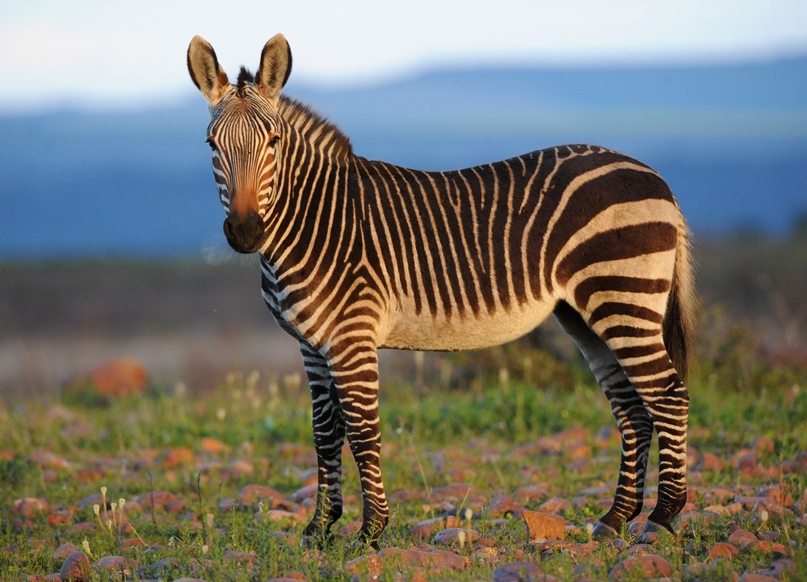
Category: ImagesTag: 1988, Year
27 February 2016 by Alan

Christel

Christel Image by James Cao | Studiosushi™ Christel by Dexter … read more about the Lense Party 12 This Tam Safaris image was automatically curated and published with WP Robot plugin – CLICK HERE to learn more about WP Robot for WordPress – a massive time and money saver.

Christel
Tam Safaris
Image by James Cao | Studiosushi™
Christel by Dexter … read more about the Lense Party 12

This Tam Safaris image was automatically curated and published with WP Robot plugin – CLICK HERE to learn more about WP Robot for Wordpress – a massive time and money saver.

Category: ImagesTag: Christel
26 February 2016 by Alan

Cape mountain zebra (Equus zebra zebra) in Bontebok National Park

Cape mountain zebra (Equus zebra zebra) in Bontebok National Park Image by Daniele Colombo This Mountain Zebra National Park image was automatically curated and published with WP Robot plugin – CLICK HERE to learn more about WP Robot for WordPress – a massive time and money saver.

Cape mountain zebra (Equus zebra zebra) in Bontebok National Park
Mountain Zebra National Park
Image by Daniele Colombo

This Mountain Zebra National Park image was automatically curated and published with WP Robot plugin – CLICK HERE to learn more about WP Robot for Wordpress – a massive time and money saver.

Category: ImagesTag: Bontebok, Cape, Equus, Mountain, National, Park, Zebra
  • Previous
  • Page 1
  • Interim pages omitted …
  • Page 46
  • Page 47
  • Page 48
  • Page 49
  • Page 50
  • Interim pages omitted …
  • Page 53
  • Next
WE LOVE CRADOCK.

COPYRIGHT MyCradock · DESIGN BY REACH TRUST
All Rights Reserved · Powered by Straton Solar