• Skip to main content
  • Skip to header right navigation
  • Skip to site footer

My Cradock

My Cradock

Cradock News Classifieds and Directory

  • Home
  • About
  • Accommodation
  • Business
  • Events
  • Free Business Advert
  • Submit News
You are here: Home / Archives for National

National

22 April 2021 by Guest

Our national liberation icon is in danger: An appeal to save Liliesleaf

Cradock in the News: It is crucial that the history of our liberation struggle should never be forgotten. Yet there is a real danger that we are losing our memory. The funding crisis exacerbated by Covid-19 is increasing … Read more on: “Cradock” – BingNews

Cradock in the News:

It is crucial that the history of our liberation struggle should never be forgotten. Yet there is a real danger that we are losing our memory. The funding crisis exacerbated by Covid-19 is increasing …

Read more on: “Cradock” – BingNews

Category: NewsTag: appeal, danger, icon, liberation, Liliesleaf, National, save
6 March 2018 by Alan

The Valley of Desolation, Camdeboo National Park

The Valley of Desolation, Camdeboo National Park Image by Rapster This Valley of Desolation image was automatically curated and published with WP Robot plugin – CLICK HERE to learn more about WP Robot for WordPress – a massive time and money saver.

The Valley of Desolation, Camdeboo National Park
Valley of Desolation
Image by Rapster

This Valley of Desolation image was automatically curated and published with WP Robot plugin – CLICK HERE to learn more about WP Robot for Wordpress – a massive time and money saver.

Category: ImagesTag: camdeboo, DESOLATION, National, Park, VALLEY
29 September 2017 by Alan

Morne Trois Pitons National Park

Morne Trois Pitons National Park Image by www78 The Three Peaked Mountain is the most popular National Park in Dominica and a World Heritage Site, protecting the large extinct volcano dominating the center of the island. The island is known for its Valley of Desolation (Grand Soufriere), a caldera leading to Boiling Lake, a flooded …

Morne Trois Pitons National Park
Valley of Desolation
Image by www78
The Three Peaked Mountain is the most popular National Park in Dominica and a World Heritage Site, protecting the large extinct volcano dominating the center of the island. The island is known for its Valley of Desolation (Grand Soufriere), a caldera leading to Boiling Lake, a flooded fumarole that is the second largest hot lake in the world.The area is also known for the Emerald Pool, Middleham Falls, the Stinking Hole, and the Boeri and Freshwater lakes. In the background is the Morne Macaque. The park protects five layers of vegetation: the elfin/cloud forest, the Montane thicket, the Montane rainforest, and the mature rainforest.
Morne Trois Pitons National Park, Mahaut, Commonwealth of Dominica

This Valley of Desolation image was automatically curated and published with WP Robot plugin – CLICK HERE to learn more about WP Robot for Wordpress – a massive time and money saver.

Category: ImagesTag: Morne, National, Park, Pitons, Trois
5 September 2017 by Alan

Zebra, Etosha NP – Mountain Zebra National Park

Zebra, Etosha NP Image by jbdodane Taken on 20 April 2014 in Namibia near Etosha-National-Park (DSC_1710) freewheely.com: Cycling Africa beyond mountains and deserts until Cape Town This Mountain Zebra National Park image was automatically curated and published with WP Robot plugin – CLICK HERE to learn more about WP Robot for WordPress – a massive …

Zebra, Etosha NP
Mountain Zebra National Park
Image by jbdodane
Taken on 20 April 2014 in Namibia near Etosha-National-Park (DSC_1710)

freewheely.com: Cycling Africa beyond mountains and deserts until Cape Town

This Mountain Zebra National Park image was automatically curated and published with WP Robot plugin – CLICK HERE to learn more about WP Robot for Wordpress – a massive time and money saver.

Category: ImagesTag: Etosha, Mountain, National, Park, Zebra
22 August 2017 by Alan

Sunset over Masai Mara, Kenya – Mountain Zebra National Park

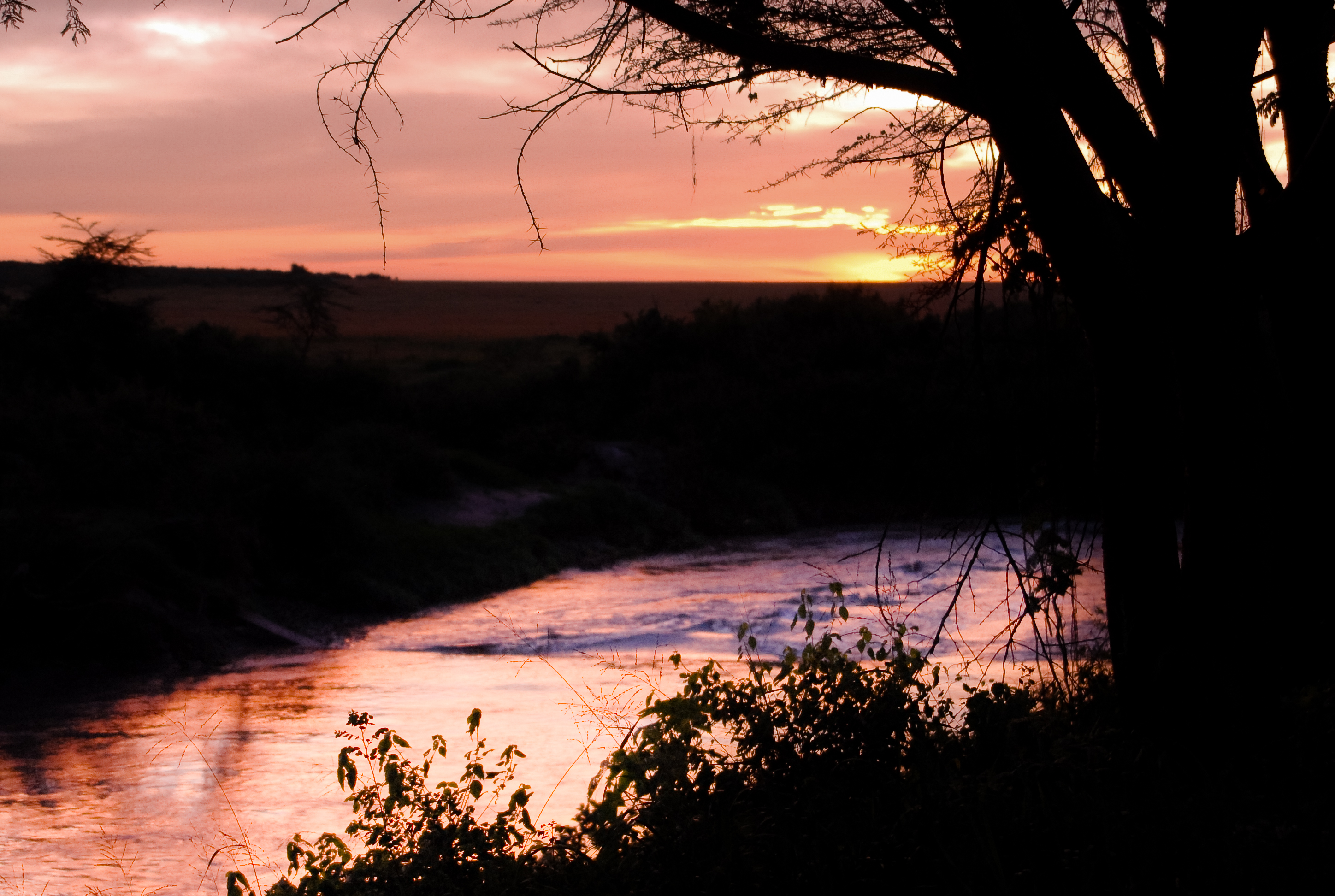
Sunset over Masai Mara, Kenya Image by GRIDArendal As much as the rest of the world, Kenya is witnessing biodiversity loss. This is despite the country being ranked second in Africa in terms of bird and mammal species richness. The loss in Kenya’s biodiversity is a threat to the country’s tourism industry, which is the …

Sunset over Masai Mara, Kenya
Mountain Zebra National Park
Image by GRIDArendal
As much as the rest of the world, Kenya is witnessing biodiversity loss. This is despite the country being ranked second in Africa in terms of bird and mammal species richness. The loss in Kenya’s biodiversity is a threat to the country’s tourism industry, which is the mainstay of the economy. Threatened species in Kenya include 33 mammals, 28 birds, 5 reptiles, 4 amphibians, 29 fish, 16 molluscs, 11 invertebrates and 103 plants. Two of Africa’s eight biodiversity hotspots are partially in Kenya, and these are the mountains of the Eastern Afromontane hotspot, and the coastal forests of Eastern Africa. A key method to protect Kenya’s biodiversity is the setting aside of protected areas such as national parks which cover 12.7 percent of the country’s territory. Kenya’s national parks include the world famous Masai Mara.
This photo has been graciously provided to be used in the GRID-Arendal resources library by: Peter Prokosch.

This Mountain Zebra National Park image was automatically curated and published with WP Robot plugin – CLICK HERE to learn more about WP Robot for Wordpress – a massive time and money saver.

Category: ImagesTag: Kenya, Mara, Masai, Mountain, National, over, Park, sunset, Zebra
1 August 2017 by Alan

Sunset over Nairobi, Kenya – Mountain Zebra National Park

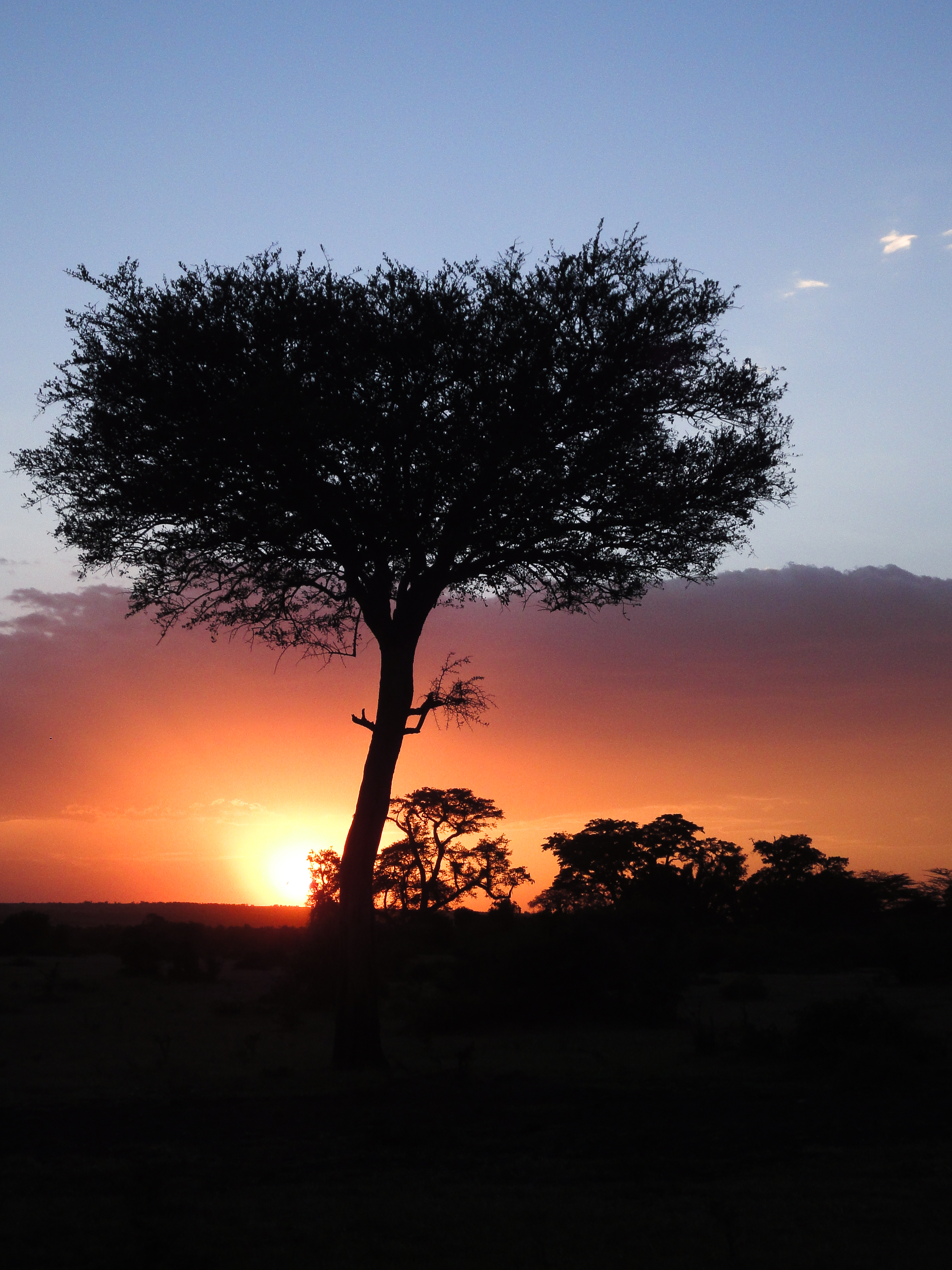
Sunset over Nairobi, Kenya Image by GRIDArendal East-Africa is famous for its vast savannahs and the biodiversity so typical for this particular landscape. Yet the region harbors a number of other forest ecosystems, including lowland and mountain rain forests, dryland forests and woodlands, and of course swamp forests and coastal mangroves. Similar to the other …

Sunset over Nairobi, Kenya
Mountain Zebra National Park
Image by GRIDArendal
East-Africa is famous for its vast savannahs and the biodiversity so typical for this particular landscape. Yet the region harbors a number of other forest ecosystems, including lowland and mountain rain forests, dryland forests and woodlands, and of course swamp forests and coastal mangroves. Similar to the other East-African states, Kenya is struggling with high rates of deforestation. Its forests and woodlands are threatened by illegal logging, changing climate and encroachment on forests for agricultural land and fuelwood.This photo has been graciously provided to be used in the GRID-Arendal resources library by: Yannick Beadoin

This Mountain Zebra National Park image was automatically curated and published with WP Robot plugin – CLICK HERE to learn more about WP Robot for Wordpress – a massive time and money saver.

Category: ImagesTag: Kenya, Mountain, Nairobi, National, over, Park, sunset, Zebra
22 July 2017 by Alan

Variable Sunbird (Cinnyris venustus), Kenya – Mountain Zebra National Park

Variable Sunbird (Cinnyris venustus), Kenya Image by GRIDArendal As much as the rest of the world, Kenya is witnessing biodiversity loss. This is despite the country being ranked second in Africa in terms of bird and mammal species richness. The loss in Kenya’s biodiversity is a threat to the country’s tourism industry, which is the …

Variable Sunbird (Cinnyris venustus), Kenya
Mountain Zebra National Park
Image by GRIDArendal
As much as the rest of the world, Kenya is witnessing biodiversity loss. This is despite the country being ranked second in Africa in terms of bird and mammal species richness. The loss in Kenya’s biodiversity is a threat to the country’s tourism industry, which is the mainstay of the economy. Threatened species in Kenya include 33 mammals, 28 birds, 5 reptiles, 4 amphibians, 29 fish, 16 molluscs, 11 invertebrates and 103 plants. Two of Africa’s eight biodiversity hotspots are partially in Kenya, and these are the mountains of the Eastern Afromontane hotspot, and the coastal forests of Eastern Africa. A key method to protect Kenya’s biodiversity is the setting aside of protected areas such as national parks which cover 12.7 percent of the country’s territory. Kenya’s national parks include the world famous Masai Mara.
This photo has been graciously provided to be used in the GRID-Arendal resources library by: Peter Prokosch.

This Mountain Zebra National Park image was automatically curated and published with WP Robot plugin – CLICK HERE to learn more about WP Robot for Wordpress – a massive time and money saver.

Category: ImagesTag: Cinnyris, Kenya, Mountain, National, Park, Sunbird, Variable, venustus, Zebra
18 July 2017 by Alan

Birdlife in Kenya – Mountain Zebra National Park

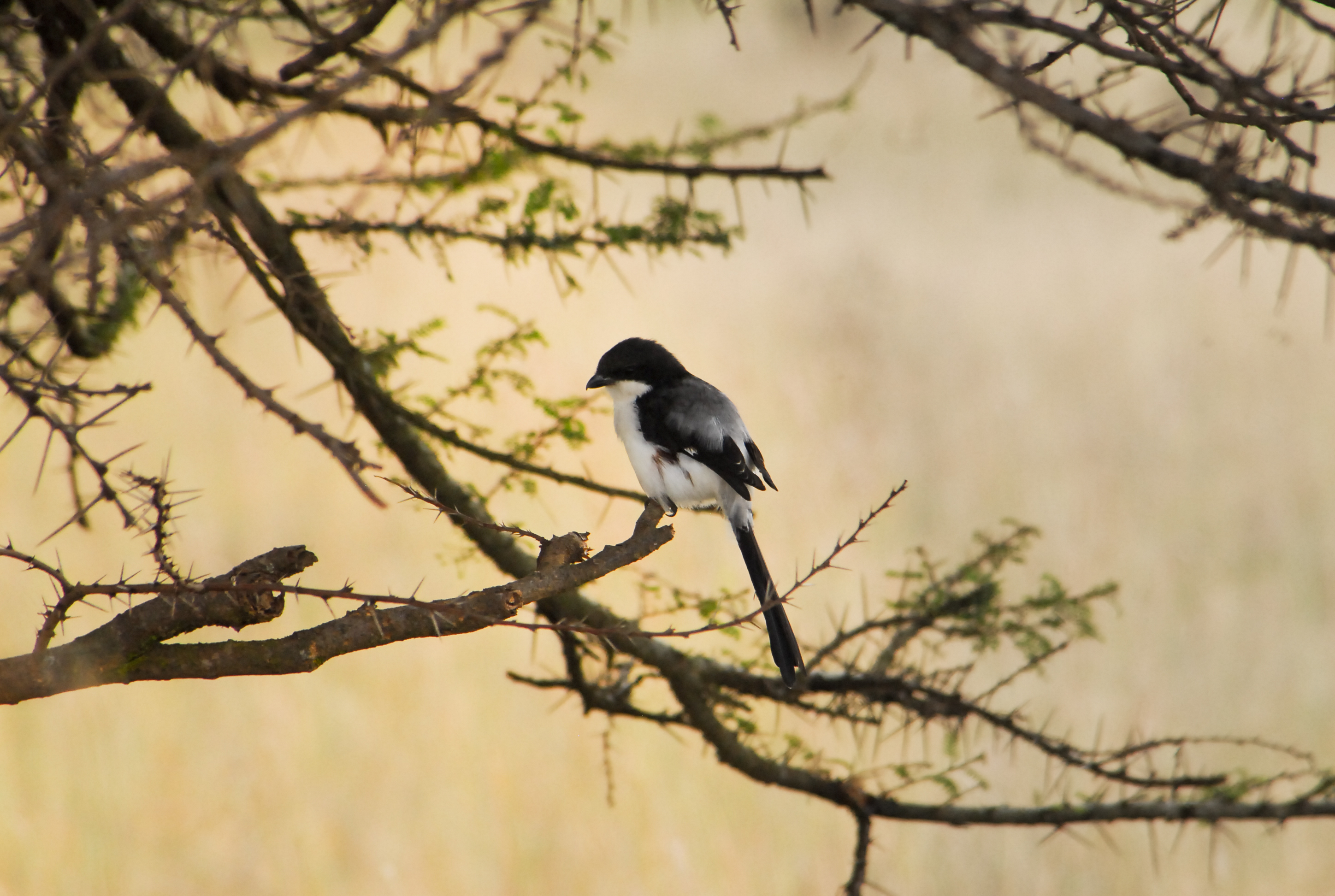
Birdlife in Kenya Image by GRIDArendal As much as the rest of the world, Kenya is witnessing biodiversity loss. This is despite the country being ranked second in Africa in terms of bird and mammal species richness. The loss in Kenya’s biodiversity is a threat to the country’s tourism industry, which is the mainstay of …

Birdlife in Kenya
Mountain Zebra National Park
Image by GRIDArendal
As much as the rest of the world, Kenya is witnessing biodiversity loss. This is despite the country being ranked second in Africa in terms of bird and mammal species richness. The loss in Kenya’s biodiversity is a threat to the country’s tourism industry, which is the mainstay of the economy. Threatened species in Kenya include 33 mammals, 28 birds, 5 reptiles, 4 amphibians, 29 fish, 16 molluscs, 11 invertebrates and 103 plants. Two of Africa’s eight biodiversity hotspots are partially in Kenya, and these are the mountains of the Eastern Afromontane hotspot, and the coastal forests of Eastern Africa. A key method to protect Kenya’s biodiversity is the setting aside of protected areas such as national parks which cover 12.7 percent of the country’s territory. Kenya’s national parks include the world famous Masai Mara. (Text taken from UNEP, 2009, Kenya: Atlas of Our Changing Environment, UNEP, Nairobi).
This photo has been graciously provided to be used in the GRID-Arendal resources library by: Peter Prokosch.

This Mountain Zebra National Park image was automatically curated and published with WP Robot plugin – CLICK HERE to learn more about WP Robot for Wordpress – a massive time and money saver.

Category: ImagesTag: Birdlife, Kenya, Mountain, National, Park, Zebra
18 July 2017 by Alan

Birdlife in Kenya – Mountain Zebra National Park

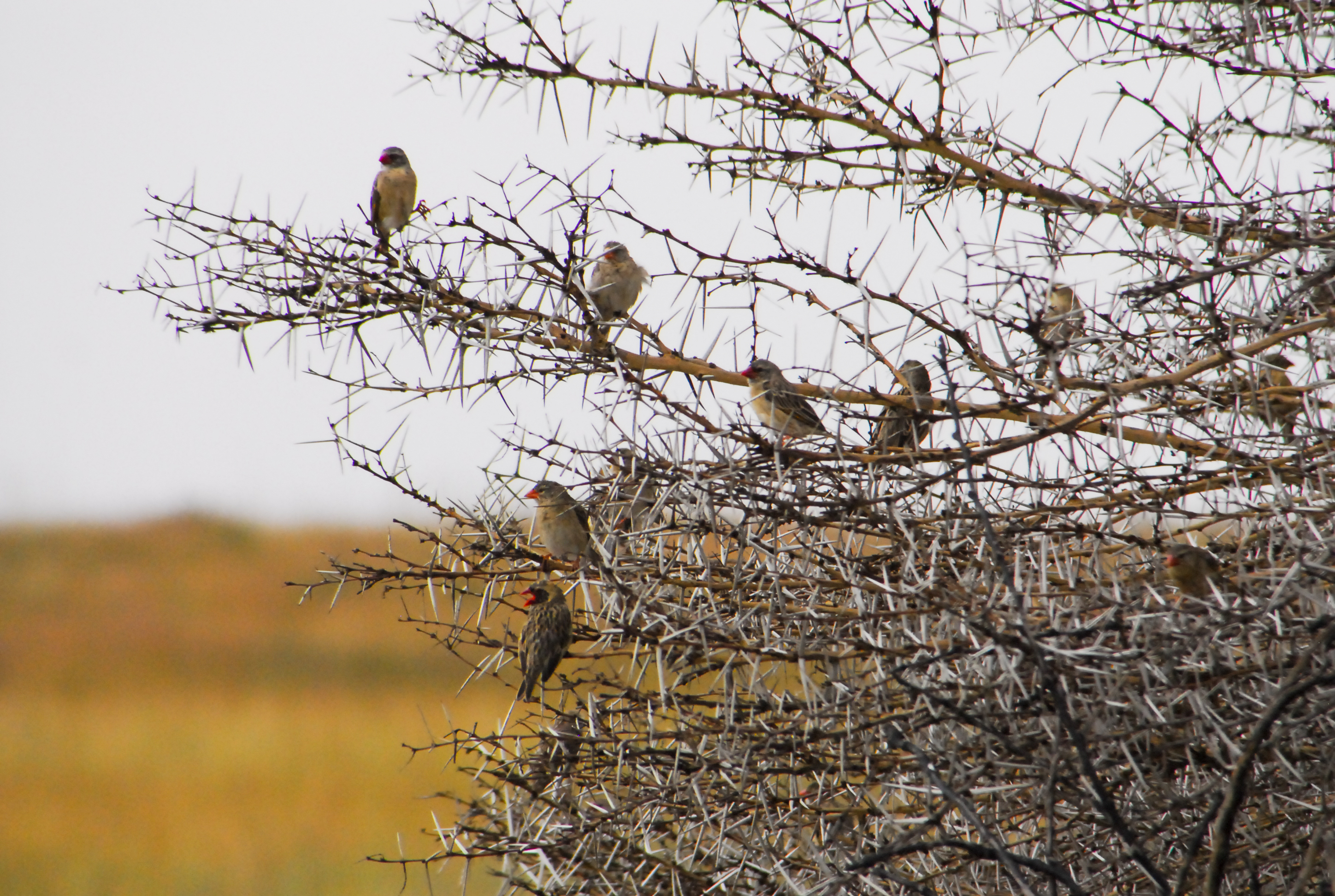
Birdlife in Kenya Image by GRIDArendal As much as the rest of the world, Kenya is witnessing biodiversity loss. This is despite the country being ranked second in Africa in terms of bird and mammal species richness. The loss in Kenya’s biodiversity is a threat to the country’s tourism industry, which is the mainstay of …

Birdlife in Kenya
Mountain Zebra National Park
Image by GRIDArendal
As much as the rest of the world, Kenya is witnessing biodiversity loss. This is despite the country being ranked second in Africa in terms of bird and mammal species richness. The loss in Kenya’s biodiversity is a threat to the country’s tourism industry, which is the mainstay of the economy. Threatened species in Kenya include 33 mammals, 28 birds, 5 reptiles, 4 amphibians, 29 fish, 16 molluscs, 11 invertebrates and 103 plants. Two of Africa’s eight biodiversity hotspots are partially in Kenya, and these are the mountains of the Eastern Afromontane hotspot, and the coastal forests of Eastern Africa. A key method to protect Kenya’s biodiversity is the setting aside of protected areas such as national parks which cover 12.7 percent of the country’s territory. Kenya’s national parks include the world famous Masai Mara. (Text taken from UNEP, 2009, Kenya: Atlas of Our Changing Environment, UNEP, Nairobi).Author: Peter Prokosch

This Mountain Zebra National Park image was automatically curated and published with WP Robot plugin – CLICK HERE to learn more about WP Robot for Wordpress – a massive time and money saver.

Category: ImagesTag: Birdlife, Kenya, Mountain, National, Park, Zebra
11 July 2017 by Alan

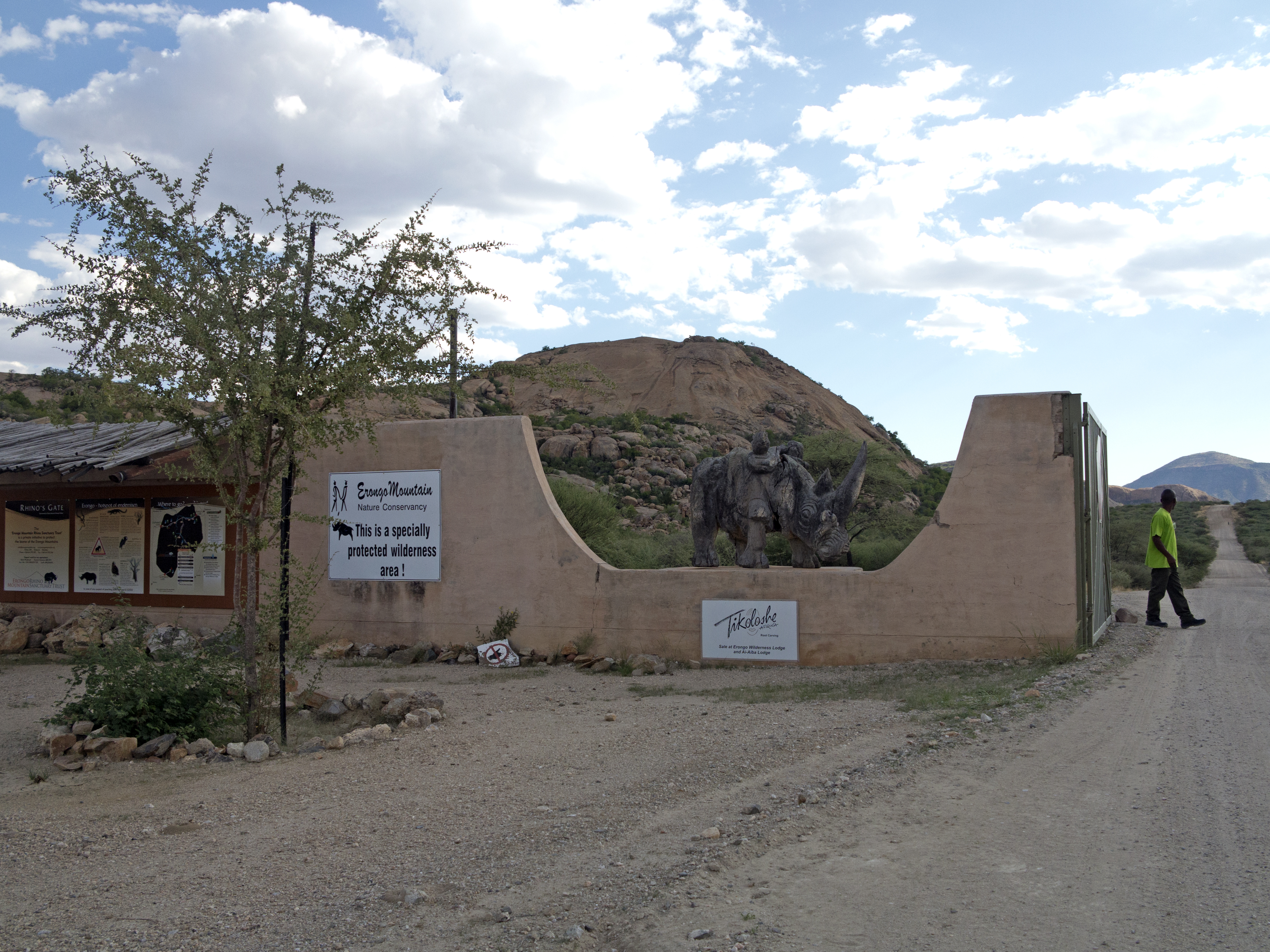
Entrance to private nature conservancy Erongo Mountain, Namibia – Mountain Zebra National Park

Entrance to private nature conservancy Erongo Mountain, Namibia Image by GRIDArendal The Erongo Mountain Rhino Sanctuary Trust of Namibia has established and is supporting one of Namibias’ examples of a well-functioning private nature conservancy. This photo has been graciously provided to be used in the GRID-Arendal resources library by: Peter Prokosch. This Mountain Zebra National …

Entrance to private nature conservancy Erongo Mountain, Namibia
Mountain Zebra National Park
Image by GRIDArendal
The Erongo Mountain Rhino Sanctuary Trust of Namibia has established and is supporting one of Namibias’ examples of a well-functioning private nature conservancy.
This photo has been graciously provided to be used in the GRID-Arendal resources library by: Peter Prokosch.

This Mountain Zebra National Park image was automatically curated and published with WP Robot plugin – CLICK HERE to learn more about WP Robot for Wordpress – a massive time and money saver.

Category: ImagesTag: conservancy, Entrance, Erongo, Mountain, Namibia, National, nature, Park, private, Zebra
10 July 2017 by Alan

African safari, Aug 2014 – 020 – Mountain Zebra National Park

African safari, Aug 2014 – 020 Image by Ed Yourdon At the end of our second day at the ChemChem lodge, we went out for an hour-long "bush walk" — at the end of which, we were picked up by a Jeep, which drove us a mile or two further west, at the edge of …

African safari, Aug 2014 – 020
Mountain Zebra National Park
Image by Ed Yourdon
At the end of our second day at the ChemChem lodge, we went out for an hour-long "bush walk" — at the end of which, we were picked up by a Jeep, which drove us a mile or two further west, at the edge of a vast dry lake-bed that exists at the southern end of Lake Manyara (much of which, as you’ll see in tomorrow’s photo upload) is still quite wet indeed, and serves as the resting ground for hundreds of thousands (maybe millions) of bright pink flamingoes…

Wood had been stacked, prior to our arrival at the lake, for a small fire that would keep things from becoming pitch-black after the sun descended behind the mountain range further west …

And folding chairs had been set up for us, so we could sit and watch the fire and the stunningly beautiful sunset … at which point, a large cooler was hauled out of the Jeep, and we were asked if we would like to have a cocktail or a glass of wine …

It’s hard to imagine anything more magical than a scene like this. Indeed, it was so wonderful that we insisted on coming back again for our final evening at the lodge…

If you would like to see more details about Lake Manyara National Park, check out this Wikipedia page: en.wikipedia.org/wiki/Lake_Manyara_National_Park

And if you’d like to see more about the ChemChem lodge near Lake Manyara, take a look at this Wikipedia page: www.chemchemsafari.com/chem-chem-lodge/

***************************

As I wrote in the notes for my October 2012 safari in South Africa, I have lived most of my adult life without ever venturing into the African jungle, and without participating in the mysterious activity known as “safari.” Thus, my impressions were based on a variety of movies — ranging from Meryl Streep’s glorious Out of Africa (filmed near the starting point of this current trip, at the base of Mt. Kilimanjaro) to The African Queen to the silliness of childhood Tarzan movies — as well as photographs and visits to local zoos to see mangy animals who have no more first-hand experience with the continent than I had.

Actually, I have made a few visits to Africa over the years — even before that first safari trip a couple years ago. I’m not sure that my two visits to Egypt count in this regard — but I did travel to South Africa in the early 1990s, to speak at computer conferences in Johannesburg and Cape Town. The last visit was made shortly before the release of Nelson Mandela, when the entire country waited for a fundamental transition, even though no one was sure what kind of future lay ahead of them. Hectic travel schedules, the demands of business, and the desire not to leave my family stranded at home any longer than necessary, eliminated the casual thought of spending a week on safari on those early trips … and so, like several other potential trips (Easter Island, Machu Picchu, Patagonia, Antarctica, a river trip on the Amazon, etc.), it was simply added to my “bucket list.”

But in 2012, I had another opportunity to return to South Africa, for an abortive computer conference that took place in Cape Town. After 20 years, our children are grown and gone, and most of the hectic pressures of business have diminished; so my wife and I were able to set aside a week, and we visited two different safari lodges in the Kruger National Park of northern South Africa, just a few miles from the Mozambique border. If you’re interested, you can see the photos in this Flickr album; suffice it to say that it was impressive enough that we decided to come back for another safari, if we ever had the chance.

The “chance,” as it turns out, occurred in a quiet two-week period of August 2014; and this second safari involved brief stays in five small camps located in northern Tanzania and southern Kenya. As I noted after our first safari, we could have gone to Botswana or Zaire or Zimbabwe or a dozen other countries; even without South Africa or Tanzania, there were dozens of different parks, game reserves, lodges, and camps that we could have chosen. (A brief bit of history, in case you’re interested: Tanzania used to be Tanganyika, and before that it was German East Africa; in 1964, it combined with the island-state of Zanzibar to become the Republic of Tanzania. You can read more details in this Wikipedia article).

As with our previous trip, we saw such an amazing variety of animals that I can scarcely remember them all. People at each new camp that we visited kept asking if we had seen the “big five”: lions, leopards, cheetahs, rhinos, and elephants. To which the answer, after the first one or two camps, was simply yes, yes, yes, yes, and yes. We also saw zebras (millions, or so it seemed), giraffes, ostriches, wildebeest (gazillions of the shaggy beasts), warthogs, crocodiles, hyenas,jackals, babboons, monkeys, and vast herds of antelopes (which included kudu and impalas and topi and Thompson gazelles and dic-dic antelopes, and goodness knows what else). I didn’t even try to keep track of all the birds we saw; vultures, eagles, and hawks were everywhere, but there were many others that I had never seen or heard of before, and which I’ll probably never see again back in the urban jungle of New York City.

As we had seen on our earlier 2012 trip, some of these species were quite compatible and nonchalant about being in each others’ presence; but there was no question that predators were everywhere, and that there was a constant struggle between the hunters and the hunted. Indeed, it was somewhat surprising to see how many thousands of antelope and wildebeest and zebras managed to evade the constant danger of lions, leopards, and cheetahs (which turn out to be at the bottom of the “pecking order” of predators); but it gradually became clear that hackneyed phrases like “survival of the fittest” actually do mean something out here. Yes, the older animals, and the weak and lame and very young, are quite vulnerable — and they generally don’t survive very long. But lots more do survive by being constantly alert, constantly sniffing the breeze, and constantly listening for warning sounds from nearby birds, monkeys, and members of their own herd.

We saw a few indications of a “kill” that had recently taken place: a pride of lions ripping away at the flesh of a recently-killed wildebeest; a jaguar that had dragged a recently-killed warthog up into a tree for safekeeping, while hyenas and jackals frantically leapt and jumped in a vain attempt to get up the tree themselves — along with the occasional skeletons and bleached-white bones of animals killed a season or two ago.

We had several hours each day to observe all of this, and I took roughly three thousand photos by the end of the trip. I’ve uploaded a relatively small number of “keepers" to this Flickr album, which will convey at least a little of what it’s like to actually be in the presence of so many animals. But to truly appreciate it, you’ve got to be there, in person.

The only caution I’ll add is that your return trip should avoid Nairobi if at all possible. The chaos and confusion in the Nairobi airport, on the day of our return, is a story unto itself … but I took no photos there, so you’ll just have to use your imagination.

This Mountain Zebra National Park image was automatically curated and published with WP Robot plugin – CLICK HERE to learn more about WP Robot for Wordpress – a massive time and money saver.

Category: ImagesTag: 2014, African, Mountain, National, Park, safari, Zebra
9 July 2017 by Alan

Crowned Lapwing (Vanellus coronatus), Amboseli National Park, Kenya – Mountain Zebra National Park

Crowned Lapwing (Vanellus coronatus), Amboseli National Park, Kenya Image by GRIDArendal Crowned Lapwings prefer short dry grassland which may be overgrazed or burnt, but avoid mountains. In higher-rainfall areas such as parts of Zambia and Zimbabwe, they occur mainly as dry-season visitors. In dry regions of northern Botswana however, they are attracted in large numbers …

Crowned Lapwing (Vanellus coronatus), Amboseli National Park, Kenya
Mountain Zebra National Park
Image by GRIDArendal
Crowned Lapwings prefer short dry grassland which may be overgrazed or burnt, but avoid mountains. In higher-rainfall areas such as parts of Zambia and Zimbabwe, they occur mainly as dry-season visitors. In dry regions of northern Botswana however, they are attracted in large numbers when good rainfall occurs. In southern Africa their highest concentrations are to be found in the dry central Kalahari region. They are one of the most widespread and locally the most numerous lapwing species in their area of distribution. Their numbers have increased in the latter part of the 20th-century after benefiting from a range of human activities.Author: Peter Prokosch

This Mountain Zebra National Park image was automatically curated and published with WP Robot plugin – CLICK HERE to learn more about WP Robot for Wordpress – a massive time and money saver.

Category: ImagesTag: Amboseli, coronatus, Crowned, Kenya, Lapwing, Mountain, National, Park, Vanellus, Zebra
21 June 2017 by Alan

Kruger 25 Nov 08 051 – Mountain Zebra National Park

Kruger 25 Nov 08 051 Image by JuergenSchulte Gedenktafel für Ex-Landminister Piet Grobler an dem nach ihm benannten Damm Piet Grobler, ein Urgroßneffe von Staatspräsident Paul Kruger, gründete das System der Südafrikanischen Nationalparks und brachte das Nationalparksgesetz am 31. Mai 1926 durchs Parlament, womit der Krugernationalpark gegründet wurde. Später trug er noch entscheidend bei der …

Kruger 25 Nov 08 051
Mountain Zebra National Park
Image by JuergenSchulte
Gedenktafel für Ex-Landminister Piet Grobler an dem nach ihm benannten Damm
Piet Grobler, ein Urgroßneffe von Staatspräsident Paul Kruger, gründete das System der Südafrikanischen Nationalparks und brachte das Nationalparksgesetz am 31. Mai 1926 durchs Parlament, womit der Krugernationalpark gegründet wurde.
Später trug er noch entscheidend bei der Proklamation der Kalahari Gemsbok, Addo, Bontebok (alle in 1931) und Mountain Zebra Nationalparks (1937) bei.

This Mountain Zebra National Park image was automatically curated and published with WP Robot plugin – CLICK HERE to learn more about WP Robot for Wordpress – a massive time and money saver.

Category: ImagesTag: Kruger, Mountain, National, Park, Zebra
18 June 2017 by Alan

Cossypha caffra (Cape Robin-Chat) – Mountain Zebra National Park

Cossypha caffra (Cape Robin-Chat) Image by Arthur Chapman Cape Robin-Chat (Cossypha caffra) near the Restaurant in Mountain Zebra National Park, Eastern Cape, South Africa. Photographed on 23 June 2012. This Mountain Zebra National Park image was automatically curated and published with WP Robot plugin – CLICK HERE to learn more about WP Robot for WordPress …

Cossypha caffra (Cape Robin-Chat)
Mountain Zebra National Park
Image by Arthur Chapman
Cape Robin-Chat (Cossypha caffra) near the Restaurant in Mountain Zebra National Park, Eastern Cape, South Africa. Photographed on 23 June 2012.

This Mountain Zebra National Park image was automatically curated and published with WP Robot plugin – CLICK HERE to learn more about WP Robot for Wordpress – a massive time and money saver.

Category: ImagesTag: caffra, Cape, Cossypha, Mountain, National, Park, RobinChat, Zebra
13 June 2017 by Alan

Montain zebra – Mountain Zebra National Park

Montain zebra Image by MonteMare25 at Mountain Zebra National Park This Mountain Zebra National Park image was automatically curated and published with WP Robot plugin – CLICK HERE to learn more about WP Robot for WordPress – a massive time and money saver.

Montain zebra
Mountain Zebra National Park
Image by MonteMare25
at Mountain Zebra National Park

This Mountain Zebra National Park image was automatically curated and published with WP Robot plugin – CLICK HERE to learn more about WP Robot for Wordpress – a massive time and money saver.

Category: ImagesTag: Montain, Mountain, National, Park, Zebra
4 June 2017 by Alan

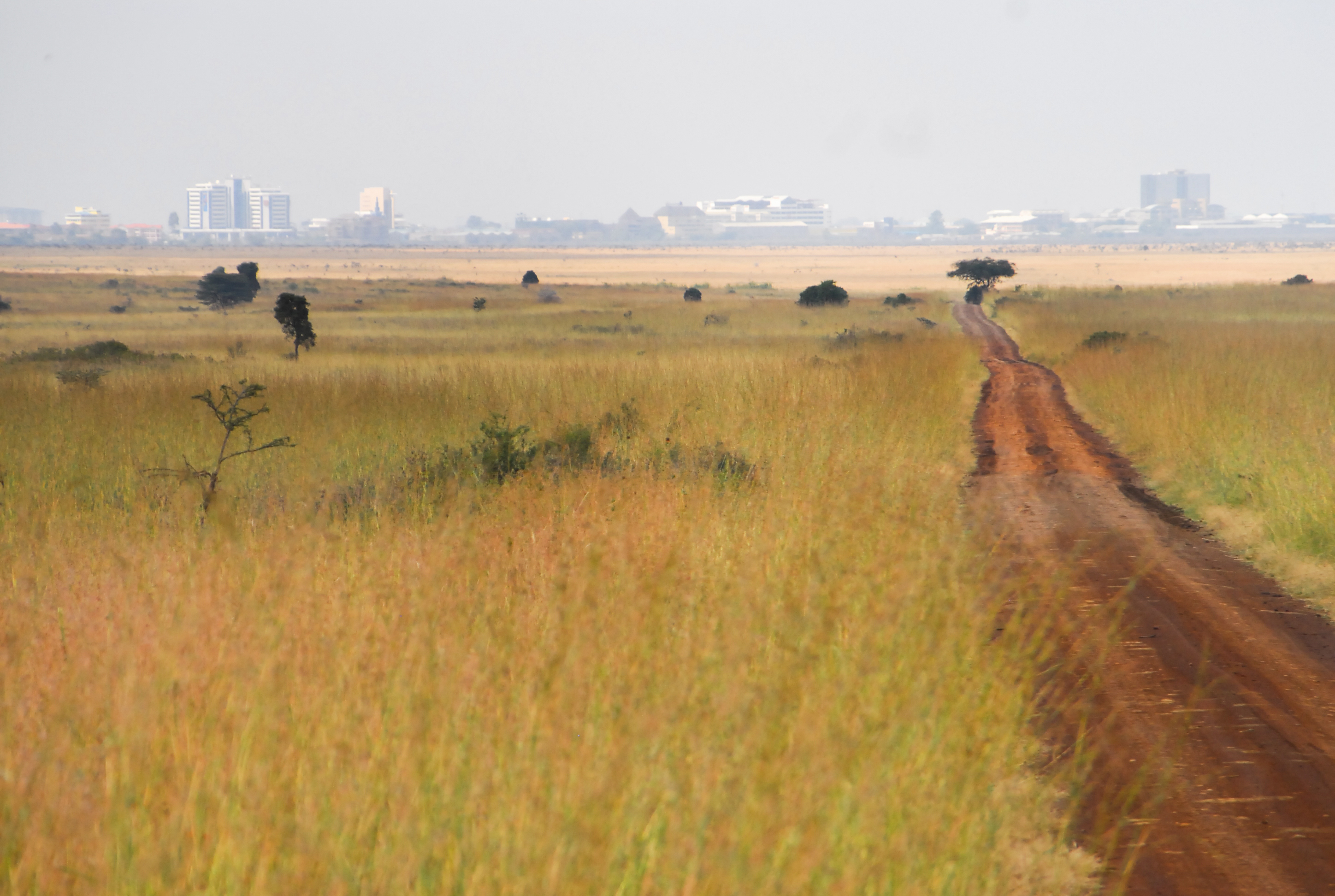
Nairobi National Park, Kenya

Nairobi National Park, Kenya Image by GRIDArendal As much as the rest of the world, Kenya is witnessing biodiversity loss. This is despite the country being ranked second in Africa in terms of bird and mammal species richness. The loss in Kenya’s biodiversity is a threat to the country’s tourism industry, which is the mainstay …

Nairobi National Park, Kenya
Mountain Zebra National Park
Image by GRIDArendal
As much as the rest of the world, Kenya is witnessing biodiversity loss. This is despite the country being ranked second in Africa in terms of bird and mammal species richness. The loss in Kenya’s biodiversity is a threat to the country’s tourism industry, which is the mainstay of the economy. Threatened species in Kenya include 33 mammals, 28 birds, 5 reptiles, 4 amphibians, 29 fish, 16 molluscs, 11 invertebrates and 103 plants. Two of Africa’s eight biodiversity hotspots are partially in Kenya, and these are the mountains of the Eastern Afromontane hotspot, and the coastal forests of Eastern Africa. A key method to protect Kenya’s biodiversity is the setting aside of protected areas such as national parks which cover 12.7 percent of the country’s territory. Kenya’s national parks include the world famous Masai Mara. (Text taken from UNEP, 2009, Kenya: Atlas of Our Changing Environment, UNEP, Nairobi).
This photo has been graciously provided to be used in the GRID-Arendal resources library by: Peter Prokosch.

This Mountain Zebra National Park image was automatically curated and published with WP Robot plugin – CLICK HERE to learn more about WP Robot for Wordpress – a massive time and money saver.

Category: ImagesTag: Kenya, Nairobi, National, Park
29 May 2017 by Alan

Scleroptila africanus (Grey-winged Francolin) – Mountain Zebra National Park

Scleroptila africanus (Grey-winged Francolin) Image by Arthur Chapman Grey-winged Francolin (Scleroptila africanus) in Zebra Mountain National Park, Eastern Cape, South Africa. Photographed on 22 June 2012. This Mountain Zebra National Park image was automatically curated and published with WP Robot plugin – CLICK HERE to learn more about WP Robot for WordPress – a massive …

Scleroptila africanus (Grey-winged Francolin)
Mountain Zebra National Park
Image by Arthur Chapman
Grey-winged Francolin (Scleroptila africanus) in Zebra Mountain National Park, Eastern Cape, South Africa. Photographed on 22 June 2012.

This Mountain Zebra National Park image was automatically curated and published with WP Robot plugin – CLICK HERE to learn more about WP Robot for Wordpress – a massive time and money saver.

Category: ImagesTag: africanus, Francolin, Greywinged, Mountain, National, Park, Scleroptila, Zebra
17 May 2017 by Alan

Tragelaphus strepsiceros (Greater Kudu) – female – Mountain Zebra National Park

Tragelaphus strepsiceros (Greater Kudu) – female Image by Arthur Chapman Female Greater Kudu (Tragelaphus strepsiceros) farmed in Zebra Mountain National Park, Eastern Cape, South Africa. Photographed on 22 June 2012. This Mountain Zebra National Park image was automatically curated and published with WP Robot plugin – CLICK HERE to learn more about WP Robot for …

Tragelaphus strepsiceros (Greater Kudu) – female
Mountain Zebra National Park
Image by Arthur Chapman
Female Greater Kudu (Tragelaphus strepsiceros) farmed in Zebra Mountain National Park, Eastern Cape, South Africa. Photographed on 22 June 2012.

This Mountain Zebra National Park image was automatically curated and published with WP Robot plugin – CLICK HERE to learn more about WP Robot for Wordpress – a massive time and money saver.

Category: ImagesTag: female, Greater, kudu, Mountain, National, Park, strepsiceros, Tragelaphus, Zebra
16 May 2017 by Alan

Spreo bicolor (African Pied Starling) – Mountain Zebra National Park

Spreo bicolor (African Pied Starling) Image by Arthur Chapman African Pied Starling (Spreo bicolor) in Zebra Mountain National Park, Eastern Cape, South Africa. Photographed on 22 June 2012. This bird is about the same size as an Indian Mynah and flies a lot like one. This Mountain Zebra National Park image was automatically curated and …

Spreo bicolor (African Pied Starling)
Mountain Zebra National Park
Image by Arthur Chapman
African Pied Starling (Spreo bicolor) in Zebra Mountain National Park, Eastern Cape, South Africa. Photographed on 22 June 2012.

This bird is about the same size as an Indian Mynah and flies a lot like one.

This Mountain Zebra National Park image was automatically curated and published with WP Robot plugin – CLICK HERE to learn more about WP Robot for Wordpress – a massive time and money saver.

Category: ImagesTag: African, bicolor, Mountain, National, Park, Pied, Spreo, Starling, Zebra
12 May 2017 by Alan

Connochaetes gnou (Black Wildebeest or White-tailed Gnu) – Mountain Zebra National Park

Connochaetes gnou (Black Wildebeest or White-tailed Gnu) Image by Arthur Chapman Herd of Black Wildebeest or White-tailed Gnu (Connochaetes gnou) farmed in Zebra Mountain National Park, Eastern Cape, South Africa. Photographed on 22 June 2012. This Mountain Zebra National Park image was automatically curated and published with WP Robot plugin – CLICK HERE to learn …

Connochaetes gnou (Black Wildebeest or White-tailed Gnu)
Mountain Zebra National Park
Image by Arthur Chapman
Herd of Black Wildebeest or White-tailed Gnu (Connochaetes gnou) farmed in Zebra Mountain National Park, Eastern Cape, South Africa. Photographed on 22 June 2012.

This Mountain Zebra National Park image was automatically curated and published with WP Robot plugin – CLICK HERE to learn more about WP Robot for Wordpress – a massive time and money saver.

Category: ImagesTag: Black, Connochaetes, gnou, Mountain, National, Park, Whitetailed, Wildebeest, Zebra
  • Page 1
  • Page 2
  • Page 3
  • Interim pages omitted …
  • Page 7
  • Next
WE LOVE CRADOCK.

COPYRIGHT MyCradock · DESIGN BY REACH TRUST
All Rights Reserved · Powered by Straton Solar