Cradock in the News:
The NPA had set December 2 as the deadline with regard to the prosecution of those implicated in the murder of the Cradock Four in the Eastern Cape in June 1985.
Read more on: “Cradock” – BingNews

My Cradock
Cradock News Classifieds and Directory
Cradock in the News: The NPA had set December 2 as the deadline with regard to the prosecution of those implicated in the murder of the Cradock Four in the Eastern Cape in June 1985. Read more on: “Cradock” – BingNews
Cradock in the News:
The NPA had set December 2 as the deadline with regard to the prosecution of those implicated in the murder of the Cradock Four in the Eastern Cape in June 1985.
Read more on: “Cradock” – BingNews
Cradock in the News: The lingering presence of a large concrete pipe that crushed a little boy in Cradock serves as a painful reminder of the tragedy for his 13-year-old sister, who sobbed and prayed over her younger … Read more on: “Cradock” – BingNews A drive-by shooting injured a 27-year-old man Thursday night in …
Cradock in the News:
The lingering presence of a large concrete pipe that crushed a little boy in Cradock serves as a painful reminder of the tragedy for his 13-year-old sister, who sobbed and prayed over her younger …
Read more on: “Cradock” – BingNews
A drive-by shooting injured a 27-year-old man Thursday night in Hampton. Police responded to a call about the shooting around 6:55 p.m. in the 1400 block of West Queen Street. Officers arrived to find …
Read more on: “Cradock” – BingNews
Police responded to the intersection of Aylwin Road and Connor Place around 6:35 p.m. Thursday. The scene is in the Cradock area of the city.
Read more on: “Cradock” – BingNews
17_On this quilt, particularly that part of it over the child’s breast were large spots of blood. Image by Jim Surkamp The Humble Harvest & Eternal Voices (5) by Jim Surkamp Made possible with the generous, community-minded support of American Public University System. Any views expressed are not a reflection of modern-day policies of the …
17_On this quilt, particularly that part of it over the child’s breast were large spots of blood.

Image by Jim Surkamp
The Humble Harvest & Eternal Voices (5) by Jim Surkamp
Made possible with the generous, community-minded support of American Public University System. Any views expressed are not a reflection of modern-day policies of the University and the content is meant to encourage dispassionate, informed discussion of American history. More at apus.edu
Researched, written and produced by Jim Surkamp
VIDEO: UPDATED: The Humble Harvest, Eternal Voices – Pt. 5 – Conclusion TRT: 29:00/53:34 (incl. Credits).
www.youtube.com/watch?v=PtkWqSSVHGs&feature=youtu.be
Humble_Harvest_People
William_McCarter_Matte_D
I asked how the child had been killed. The reply given was, in substance, the same as thee old man’s With both hands, she slowly and solemnly raised the blood stained cover off the little breast, saying in sobs as she did so, “Just look here.”
Mary_Clemmer_Ames_Mattes_D
Deeds of valor are no longer dreams gone by. We live in knightly days; our men are dauntless men. Will there ever be one to write the life of the common soldier?
St_Clair_A_Mulholland_D
The regiment had not lost a man to be sure, but had seen a genuine fight, heard the scream of the shells, and heard a caisson blowing up and men knocked over.
Chas_Aglionby_D
Last night it rained for an hour or so. It put the ground in fine order for seeding. I sent the wagon to Mr. Moore and 27 bushels by measure. No military to be seen on our side of the hill.
Anne_Willis_Ambler_semblance
Anne Willis Ambler sees all from her parents farm Rock Hall: Pa is becoming rather tired of our South Carolina soldier. Thinks he is sufficiently well to leave.
Heros_Von_Borcke_D
And Heros Von Borcke keeps one eye out for an empty seat at a dinner table: It was a sparkling beautiful morning of autumn and I enjoyed the ride home the more for being fortunate enough firing from my horses back with my revolver to kill a grey squirrel, which, as our mess arrangements had been thrown into utter disorder by the events of the last two days, was gladly welcomed the same evening on our dinner table.
Cornfield_Winslow_Homer
October 17th 1862 – The Day after Battle William McCarter sees Lillie in Charlestown and the price of war. Farms continue their ways. And both armies move down the valley to clash again. The day before, Charles Aglionby at his Mt. Pleasant farm had written in his diary:
Charles_Aglionby
The Yankees drove in the Confederate pickets. There was considerable firing near Charlestown with cannon. Some few killed & wounded. A body of cavalry were in our lower field in the evening about thirty Yankee cavalry passed through Mr. Moore’s & Mr. Ranson’s field in sight of our house. The retiring cavalry and artillery of the Confederates passed before our house. October 17th Friday Last night it rained for an hour or so. It put the ground in fine order for seeding. Some cannonading was heard at different times at points from Shepherdstown to Leetown. Miss Belle Compton stayed all night and spent the day.
George_M_Neese_1840_1921
Last night (October 16-17th) was about as dark as they generally get in this country. I was on guard duty during the fore part of the night and it rained very hard all through my whole watch. We had no fire until after midnight, the ground, wood, and everything else being soaking wet; even the darkness felt like a wet blanket. I made my bed on top of a rock pile. It was a little hardish at first, but it was the driest place.
Charles_Trueman_Montage
An intelligent negro arrived here this morning from Berryville. He left there last night. He said there is one regiment of cavalry and four pieces of artillery between here and Berryville; at and near Berryville, the Second, Third, Sixth, Seventh, Ninth, and Twelfth Virginia Cavalries;
Winfield_Hancock_D_Matte
The next day, when we received orders to return, it then marched to Halltown, and occupied that position during the night. The next morning (Oct. 18th), after an examination of the roads, and it being found there was no enemy in front, the command returned to Harper’s Ferry. I appointed Col. J. R. Brooke, of the Fifty-third Pennsylvania Volunteers, military governor, the better to preserve order. About 100 officers and soldiers of the Confederate Army were found in the town, consisting entirely, it is believed, of surgeons, hospital attendants, convalescents, and sick. Twenty-six were sent to the provost-marshal at Harper’s Ferry, and 38 wounded and unable to be removed, were paroled. Time did not permit the paroling of all who were severely wounded, as they were scattered throughout the town, requiring more time than we had for the purpose, to find them.
Split_Elliott_Cornfield
My God, My Father, while I stray/ Far from my home in life’s rough way/ Oh teach me from my heart to say: “Thy Will Be Done.”
Though dark my path and sad my lot/ Let me be still and murmur not;
Or breathe the prayer divinely taught But civil war, be it long or short Thy Will Be Done.”
But tho’ in lonely grief I sigh/ For friends beloved no longer nigh/ Submissive still I would reply/ Thy Will Be Done.
William_McCarter_Matte_D
Oct 16, 1862 in the late afternoon: Pvt. McCarter was sent into town to assist Brooke’s men in arresting and paroling wounded Confederate soldiers in Charlestown. He wrote later of what he saw: War is truly said to be a sad necessity. But civil war, be it long or short and under almost any circumstance, is indeed sadder and more desolating in its effects. History may record the ravages and desolations made and left in the tracks of the bloody feet of war, even in this most unnatural contest of our own.
Battle_of_Nashville_Humble_5_Montage
Painters of the rarest talents may one day paint the destruction in masterly styles and glowing colors. Yet, all these efforts fall far short in showing to the eye or to the mind war’s real effects upon people and country. Our attention was attracted to a three-story house, one of the better class of dwellings there, by crowds of soldiers and a few citizens going into it. These visitors came immediately out again with dull and saddened countenances and, in. Or a few cases, with tearful eyes. the front door had apparently been smashed and laid about in pieces upon the cobblestone pavement opposite. we stopped and, following the example of others, entered the house and then the room on the first floor. Merciful heaven what a sight met our eyes. God save me the pain of another’s such sight as long as I live. The room was long and narrow. From one end to the other, regardless of those present, paced a lady apparently not over thirty years of age. She appeared to be in terrible grief, refusing entirely any comfort or consolation from those of her friends and neighbors there congregated. The woman was clad in black, In some manner her dress had been almost torn from her body.
dhs.5.grief_
She would now and then burst out into heart-rending fits of weeping, exclaiming, “Oh, my child, My Lilly.” Not knowing exactly the cause of the lady’s sorrow, I quietly inquired of an old man leaning against the door what it was. He replied that her child, had been killed about an hour ago by a ball from the federal battery. The round passed through a window at which the child had been standing, looking down at soldiers on the street. At one end of the room, a few women and several members of our Irish Brigade were gathered around what seemed to me to be a melodeon, gazing sadly and silently at something lying on its top. As soon as opportunity presented to approach the spot, we did so. There on the top of the instrument laid a sweet little girl. Cold and stiff and dead. Except for the dead yet still beautiful, innocent pale face, all the rest of the body was covered with a large sheet, or white quilt.
bloods-stains_quilt
On this quilt, particularly that part of it over the child’s breast were large spots of blood. A young colored woman was cutting the long. down curls from the child’s head and perfectly saturating them with her tears. Approaching still nearer, I asked how the child had been killed. The reply given was in substance the same as the old man’s. With both hands, she slowly and solemnly raised the blood stained cover off the little breast, saying in sobs as she did so, “Just look here.” My companion and I gazed for a moment at the object in horror and dismay, unable to utter a word. then turning slowly and sadly away, we left the room. My heart was too full and my eyes positively refused to shelter any longer streams of hot water that. burst from them. The ball had struck the child on the left breast, tearing it and ripping the left arm completely away. Only a small portion of the right breast remained. It presented a most ghastly, sickening appearance. Yet, that dear little face seemed as calm and as peaceful as in a quiet, sweet slumber. Oh, cruel, cruel war! must the innocent suffer with the guilty.
Friday, October 17th: Yesterday evening there came the news that two fights had occurred in town and our men had to retreat, leaving the enemy in possession. They occupied the “Inn” and advanced on every road, driving in our pickets early this morning. Nat left us to search for his company but returned and passed the night. Saturday, October 18th: The news is that the Yankees have fallen back from Charlestown and our troops are advancing. About 2,000 cavalry passed by our gate.
Montaage_Willis_Pa_Anna
The forage masters were here again today. Pa sold them a barrel of whiskey for gallon. October 16th Nat came in just as we got up from breakfast but there were some nice hot rolls brought in for him which he enjoys immensely. Told me about his trip into Maryland and Pennsylvania with General Stuart. A man came here who has been getting Pa’s hay and insisted he had a right to Pa’s hay, but Pa got very angry and got his pistol and said he would shoot him if he did and when Nat went out the man pretended he was satisfied. The man departed but we were all frightened and fear he may turn up again. Pa called him a scoundrel. Had so much to write about today I forgot to say a little on the uninteresting subject of its being my 24th birthday.
Montage_Neese_3X_Moves_Oct_18_1862
George Neese writes from camp: This morning we moved to our old camp again, four miles from Charlestown on the Berryville pike. This afternoon the first piece was ordered to go on picket at our old post one mile below Charlestown, on the Harper’s Ferry pike. This evening we left our post and came one mile south of Charlestown and camped with the Sixth Virginia Cavalry. They had a prayer meeting in their camp in the early evening by candlelight, which I attended. The Sixth seems to be the citadel of religion of the brigade, as they have more religious service in the Sixth than in any of the other regiments, yet I do not know as the plane of practical ethics in general is any higher in this than in any of the other regiments of the brigade. I suppose that their code of imprecations is of about the same standard as that adopted by the rest of the brigade, and perhaps employed with about equal frequency.
HH_5_Oct_18_Montage3
During the recent skirmish at Charlestown, the Federals had also sent a force under Generals Andrew Humphreys and Alfred Pleasonton down Leetown Pike to try and rout out Gen. Jeb Stuart’s men, headquartered at the Dandridge’s home called The Bower; and but for making a turn with their cavalry down the wrong road near Strider’s Mill they could well have captured Stuart. Afterwards men under Confederate Gen. A.P. Hill, who had moved on down towards Berryville as the Federals advanced, told Josiah Ware at his Clarke County home, called Springfield just what had happened to Jeb Stuart:
Springfield_house3
Drawing from some of what Gen. A. P. Hill’s infantrymen men related: While cavalry General Stuart’s headquarters were at Dandridge’s in Jefferson, he was dancing with the girls when the Yankees had planned a raid and would have caught him and his staff (only they missed the road) and in the pursuit & fighting the enemy Stuart was only saved from being caught by losing his hat & jumping with his horse a garden railing. Stuart’s men had, indeed, completed a second full-blown ball at The Bower just on the night of the 15th that extended into the wee hours of the 16th.
Heros_Von_Borcke_D
German-born Heros Von Borcke, one of J.E.B. Stuart’s staff officers, confirms Stuart’s very close call after a good party: The beams of the morrow’s sun were just making their way through the intricacies of the foliage above our heads, as we lay in camp resting from the fatigues of the night’s dancing, when a blast of the bugle brought the whole command to their feet, with its summons to new and serious activity. We found a full division of the Federal infantry moving upon us in admirable order, their cavalry operating on either flank, and their artillery seeking to get into position upon some heights in our front, where several pieces had already arrived and had opened a brisk and annoying fire upon our horsemen. Large clouds of dust rising all along the road towards Shepherdstown indicated the approach of other bodies of the enemy, and it was quite plain that our resistance to odds so overwhelming could only be of short duration. The Bower, where only a few hours before the violin and banjo had sent forth their enlivening strains, riding forward to the scene of action, which already resounded with wilder music. About dusk the Federals came to a halt, and, to our infinite surprise, turned slowly back for a mile and a half, where we soon saw the main body go quietly into bivouac. During the chase offered them by Gen. Humphreys and Gen. Pleasonton, Gen. Stuart and his men found themselves caught in that same rain from that day: The General then proceeded his Staff to headquarters at “The Bower,” which was only a few miles distant. Before we reached there we were overtaken by a drenching shower of rain, and we thankfully accepted Mr. Dandridge’s kind invitation upon our arrival to dry our dripping garments and warm our chilled bodies before a roaring wood fire in the large and comfortable family drawing-room. A renewed assault the next morning (Oct. 17th) put
Middleway_Eastman_Hatch_Family_detail
Von Borcke with some men further south in Middleway/Smithfield to watch for the enemy. Finding none, he found another social windfall: I had not been more than an hour in the village of Smithfield when our outposts from the Shepherdstown road came galloping along in furious haste, reporting a tremendous host of cavalry right behind them in hot pursuit. The squadron had come from Harper’s Ferry along a by-road which struck the turnpike at a point about midway between Kearneysville and Smithfield. I established my men and myself at the house of an interesting young widow who, with her sister, enlivened our evening with songs and spirited discourse. The next morning we received orders to return to the Bower.
sunrise.river
It was a sparkling beautiful morning of autumn and I enjoyed the ride home the more for being fortunate enough firing from my horseback with my revolver to kill a grey squirrel, which, as our mess arrangements had been thrown into utter disorder by the events of the last two days, was gladly welcomed the same evening on our dinner table.
November_19_1862
A month later at Mt. Pleasant the Aglionby’s farm: Wednesday November 19th Pleasant, but a little cloudy. The hands cutting and mauling wood. Ralf doing some odd jobs, setting out cabbage stocks and fixing gate hinges. R. Bowerly and son cleaned out the pool. Captain Buck’s company went by and returned this morning and by again this evening.
Chas.Yates.Aglionby_Matte
Mrs. A. and Frank went to Charlestown this evening. No news of any consequence from the war. Mr. Whittington is cutting up some dead trees on the halves. I went to Captain Abell’s in the afternoon, met Col. Marshall and Lieutenant Buck there. The Captain loaned me some small pieces of pork if I should ever have need for them.
Anna_Madison_Willis_Ambler_painting_Matte
Wednesday, November 19th: Mr. Thompson was here and seemed to have some hope of the war ending. He and Pa both agree that the best thing that could happen would be a reconstruction of the Union. Can it be possible? I am sure I know not but it seems not to me. I don’t see how we could ever live in peace and love one another though I am sure we can never be a great nation separate. Oh that God may bring order out of confusion and bring our once peaceful and happy country out of this cruel war.
POSTS:
(1) POST – The Humble Harvest, Eternal Voices – Pt. 1 2753 words. (Repost from 5.17.2016)
civilwarscholars.com/2016/05/the-humble-harvest-eternal-v…
(2) POST – The Humble Harvest, Eternal Voices – Pt. 2. 3275 words.
civilwarscholars.com/2016/09/the-humble-harvest-eternal-v…
(3) POST – The Humble Harvest, Eternal Voices – Pt. 3. 2933 words.
civilwarscholars.com/2016/09/the-humble-harvest-eternal-v…
(4) POST – The Humble Harvest, Eternal Voices – Pt. 4. 5470 words.
civilwarscholars.com/2016/09/the-humble-harvest-eternal-v…
(5) POST – The Humble Harvest, Eternal Voices – Pt. 5 – Conclusion. 10,449 words.
civilwarscholars.com/2016/08/the-humble-harvest-eternal-v…
VIDEOS:
UPDATED: The Humble Harvest, Eternal Voices – Pt. 5 – Conclusion TRT: 29:00/53:34 (incl. Credits).
www.youtube.com/watch?v=PtkWqSSVHGs&feature=youtu.be
The Humble Harvest, Eternal Voices – Part 4 – Skirmish TRT: 23:35/33:48 (incl. Credits).
www.youtube.com/watch?v=IMp1LU8eH10&feature=youtu.be
The Humble Harvest, Eternal Voices – Part 3 TRT: 14:08/26:14 (incl. Credits).
www.youtube.com/watch?v=nBxoRuHWJxg&feature=youtu.be
The Humble Harvest, Eternal Voices – Part 2 TRT: 21:48/27:40 (incl. Credits).
www.youtube.com/watch?v=p6hwPfDmokU&feature=youtu.be
The Humble Harvest, Eternal Voices – Part 1. TRT: 17:25/21:14 (incl. Credits).
www.youtube.com/watch?v=su57_BUz8O4&feature=youtu.be
This Valley of Desolation image was automatically curated and published with WP Robot plugin – CLICK HERE to learn more about WP Robot for Wordpress – a massive time and money saver.
Image from page 560 of “The history of birds : their varieties and oddities, comprising graphic descriptions of nearly all known species of birds, with fishes and insects, the world over, and illustrating their varied habits, modes of life, and distinguis Image by Internet Archive Book Images Identifier: historyofbirdsth00bing Title: The history of birds : …
Image from page 560 of “The history of birds : their varieties and oddities, comprising graphic descriptions of nearly all known species of birds, with fishes and insects, the world over, and illustrating their varied habits, modes of life, and distinguis

Image by Internet Archive Book Images
Identifier: historyofbirdsth00bing
Title: The history of birds : their varieties and oddities, comprising graphic descriptions of nearly all known species of birds, with fishes and insects, the world over, and illustrating their varied habits, modes of life, and distinguishing peculiarities by means of delightful anecdotes and spirited engravings
Year: 1880 (1880s)
Authors: Bingley, William, 1774-1823
Subjects: Birds Zoology
Publisher: Philadelphia : Edgewood Publishing Co.
Contributing Library: American Museum of Natural History Library
Digitizing Sponsor: Biodiversity Heritage Library
View Book Page: Book Viewer
About This Book: Catalog Entry
View All Images: All Images From Book
Click here to view book online to see this illustration in context in a browseable online version of this book.
Text Appearing Before Image:
Text Appearing After Image:
THE COMMON, OR FRESH-WATER CRAW-FISH. Craw-fish are found in many rivers, edged in holes whic^» theyform in tlie clayey banks; and their presence is generally esteemed anevidence of the goodness of the water. They are frequently caught bysticks split at the end, with a bait inserted in the cleft, and stuck in the 558 THE GREAT CENTIPEDE. mud at the distance of a few feet from eacli other. These sticks, afterremaining some time, are taken up, and generally with an animaladhering to each. They are gently drawn out, and a basket is putunder to receive the animals, which drop off when brought to the surface.
Note About Images
Please note that these images are extracted from scanned page images that may have been digitally enhanced for readability – coloration and appearance of these illustrations may not perfectly resemble the original work.
This The Great Fish River museum image was automatically curated and published with WP Robot plugin – CLICK HERE to learn more about WP Robot for Wordpress – a massive time and money saver.
Image from page 374 of “The history of birds : their varieties and oddities, comprising graphic descriptions of nearly all known species of birds, with fishes and insects, the world over, and illustrating their varied habits, modes of life, and distinguis Image by Internet Archive Book Images Identifier: historyofbirdsth00bing Title: The history of birds : …
Image from page 374 of “The history of birds : their varieties and oddities, comprising graphic descriptions of nearly all known species of birds, with fishes and insects, the world over, and illustrating their varied habits, modes of life, and distinguis

Image by Internet Archive Book Images
Identifier: historyofbirdsth00bing
Title: The history of birds : their varieties and oddities, comprising graphic descriptions of nearly all known species of birds, with fishes and insects, the world over, and illustrating their varied habits, modes of life, and distinguishing peculiarities by means of delightful anecdotes and spirited engravings
Year: 1880 (1880s)
Authors: Bingley, William, 1774-1823
Subjects: Birds Zoology
Publisher: Philadelphia : Edgewood Publishing Co.
Contributing Library: American Museum of Natural History Library
Digitizing Sponsor: Biodiversity Heritage Library
View Book Page: Book Viewer
About This Book: Catalog Entry
View All Images: All Images From Book
Click here to view book online to see this illustration in context in a browseable online version of this book.
Text Appearing Before Image:
strious neighbor, and as soonas the Canvas-Back rises with the favorite root on which they bothgreedily feed, the Bald-Pate snatches the morsel and makes off withhis booty. They are always very alert and lively, feeding and swimming out into the ponds and rivers at all hours of the day, but areBxtremely watchful, sheltering in coves and behind the land, and onthe slightest attempt to steal upon them, immediately row out intothe stream beyond gun-shot, and then only take to wing when mucbdisturbed. THE SUMMER, OR WOOD DUCK. This most beautiful of Ducks seems to be dressed in a studied attiie, to which the addition of a flowing cresladds a finish of peculiar elegance; andhence Linnseus has dignified the specieswith the title of sponsa or the brideThis splendid bird, according to Nut-tall, is peculiar to America but extendsits residence from the cold regions ofHudsons Bay in the 54th parallel to•uMxn DUCK. Mexico and the Antilles. Throughout ?54 a great part of this vast space, or at
Text Appearing After Image:
372 THE SUMMER, OR WOOD DUUK. least as far soutli as Florida and the Mississippi territory, the SammerDuck is known to breed. In the interior they are also found in theState of Missouri, and along the woody borders and still streamawhich flow into most of the great north-western lakes of the St. Law-rence. The Summer Duck, so called from its constant residence inthe United States, has indeed but little predilection for the sea coast^its favorite haunts being the solitary, deep, and still waters, ponds,woody lakes, and the mill dams in the interior, making its nest oftenin decayed and hollow trees impending over the water.
Note About Images
Please note that these images are extracted from scanned page images that may have been digitally enhanced for readability – coloration and appearance of these illustrations may not perfectly resemble the original work.
This The Great Fish River museum image was automatically curated and published with WP Robot plugin – CLICK HERE to learn more about WP Robot for Wordpress – a massive time and money saver.
Image from page 471 of “The history of birds : their varieties and oddities, comprising graphic descriptions of nearly all known species of birds, with fishes and insects, the world over, and illustrating their varied habits, modes of life, and distinguis Image by Internet Archive Book Images Identifier: historyofbirdsth00bing Title: The history of birds : …
Image from page 471 of “The history of birds : their varieties and oddities, comprising graphic descriptions of nearly all known species of birds, with fishes and insects, the world over, and illustrating their varied habits, modes of life, and distinguis

Image by Internet Archive Book Images
Identifier: historyofbirdsth00bing
Title: The history of birds : their varieties and oddities, comprising graphic descriptions of nearly all known species of birds, with fishes and insects, the world over, and illustrating their varied habits, modes of life, and distinguishing peculiarities by means of delightful anecdotes and spirited engravings
Year: 1880 (1880s)
Authors: Bingley, William, 1774-1823
Subjects: Birds Zoology
Publisher: Philadelphia : Edgewood Publishing Co.
Contributing Library: American Museum of Natural History Library
Digitizing Sponsor: Biodiversity Heritage Library
View Book Page: Book Viewer
About This Book: Catalog Entry
View All Images: All Images From Book
Click here to view book online to see this illustration in context in a browseable online version of this book.
Text Appearing Before Image:
he spirit andvigor displayed by it whenhooked afford fine sport. Itis peculiarly apt at breakingthe line, a feat sometimesaccomplished by a violentblow of the tail, and some-times by contriving to twisttlie line round a root or post, and giving a sudden jerk. It feeds principally on larvae and molluscs, inhabiting the banks, andobtains them by rooting in the sand with its snout. The Barbels, orbeards, hanging from the upper jaw doubtless assist in these investiga-tions. It frequently grows to a very great size, weighing from fifteentO eighteen pounds, and measuring upwards of three feet in length,^any are captured by nets during the summer, at which season theyfrequent the weedy parts of the river in shoals; but in winter theyft-tire to the shelter afforded by banks and old woodwork. Severalg-Dod swimmers have been known to dive after the Barbel, as they laypressed against the banks, and to bring up one each time, not unfre-quently appearing with two, one in each hand. THE DEVIL FISH.
Text Appearing After Image:
rac DETiL vitu. The Sea Devil, or Fishing Frog,is an inhabitant of the British^ieas. It grows to a large size,some being between four and fivefeet long. The fishermen on thatcoast have a great regard for thisfish, from a supposition that it is agreat enemy to the Dog-fish; andwhenever they take it with theirlines, set it at liberty. It is a fishof very great deformity; the headis much bigger than the wholebody; is round at the circumfer-ence, and flat above, the mouthof a prodigious wideness. THE BLENNIES- -FATHER LASHER, ETC. 469 THE BLENNliS. The species of this genusare small, live in shoals, butnot in great numbers: theyare very active and tenaciousof life, and frequent rockycoasts, where they may oftenbe found in the pools ofwater left by the tide, hidingthemselves among the weeds,and in the crevices of therocks.
Note About Images
Please note that these images are extracted from scanned page images that may have been digitally enhanced for readability – coloration and appearance of these illustrations may not perfectly resemble the original work.
This The Great Fish River museum image was automatically curated and published with WP Robot plugin – CLICK HERE to learn more about WP Robot for Wordpress – a massive time and money saver.
Image from page 393 of “The history of birds : their varieties and oddities, comprising graphic descriptions of nearly all known species of birds, with fishes and insects, the world over, and illustrating their varied habits, modes of life, and distinguis Image by Internet Archive Book Images Identifier: historyofbirdsth00bing Title: The history of birds : …
Image from page 393 of “The history of birds : their varieties and oddities, comprising graphic descriptions of nearly all known species of birds, with fishes and insects, the world over, and illustrating their varied habits, modes of life, and distinguis

Image by Internet Archive Book Images
Identifier: historyofbirdsth00bing
Title: The history of birds : their varieties and oddities, comprising graphic descriptions of nearly all known species of birds, with fishes and insects, the world over, and illustrating their varied habits, modes of life, and distinguishing peculiarities by means of delightful anecdotes and spirited engravings
Year: 1880 (1880s)
Authors: Bingley, William, 1774-1823
Subjects: Birds Zoology
Publisher: Philadelphia : Edgewood Publishing Co.
Contributing Library: American Museum of Natural History Library
Digitizing Sponsor: Biodiversity Heritage Library
View Book Page: Book Viewer
About This Book: Catalog Entry
View All Images: All Images From Book
Click here to view book online to see this illustration in context in a browseable online version of this book.
Text Appearing Before Image:
lbatross ; of which three are foundprincipally in the seas of hot climates, and the fourth is confined totliose within the Antarctic Circle. Their bill is straight: the ujipermanolible hooked at the point; and the lower truncated, or appearingas if cut off. The nostrils are oval, wide, prominent, and lateral; thetongue is very small ; and the feet have each three toes, all placed ward. THE WAXDKRIXG ALBATROSS, OB MANOF-WAR BIRD. In size these birds are sometimes as large as a Swan. Their genera.color is white, the upper parts are marked with black lines. The quill 390 THE WANDERING ALBATROSS. feathers are black; and tlie tail is ronndecl, and of a lead color. Thebill is of a pale yellow, and the legs are flesh-colored. These birds are found in most seas, but chiefly in those within theTropics: they are, however, often seen about the Cape of Good Hope;and, towards the end of July, they collect in great numbers in Kamt-schatka, and the seas which separate that part of Asia from America.
Text Appearing After Image:
Its powers of fllfjht are exceeding^ great; h ts a?moet constantly on>the wing, and is equilly at ease during the stillest calm, or iying withmeteor-like swiftness before the most fnrions gale. They are exceedingly vonicioips, and feed an variows species of fishaad raolluscse. The shoals of flying-fishy whei> ])ersecnted by theirenemies of the deep, make their a]^|K>alancc for a sf)ort flight in theair^ and suffer greatly from the voi-acity of these birds. They alsooften pursue the shmils of salmon iiitt> tine unsMitlis- of large rivers^ and THE PEUCAN TRIBE IN GENERAL. 391 po ffort^e themselves as, notwithstanding their otherwise extraordinarypoweis of flight, to be prevented by their weight and consequentetupidity even from rising. In the West Indies the appearance of these birds is sa,id to foretellthe arrival of ships; this indeed is sometimes true, and arises from avery natural cause. They always fiah in fine weather; so that whenthe wind is boisterous out at se;a, th
Note About Images
Please note that these images are extracted from scanned page images that may have been digitally enhanced for readability – coloration and appearance of these illustrations may not perfectly resemble the original work.
This The Great Fish River museum image was automatically curated and published with WP Robot plugin – CLICK HERE to learn more about WP Robot for Wordpress – a massive time and money saver.
Image from page 452 of “The history of birds : their varieties and oddities, comprising graphic descriptions of nearly all known species of birds, with fishes and insects, the world over, and illustrating their varied habits, modes of life, and distinguis Image by Internet Archive Book Images Identifier: historyofbirdsth00bing Title: The history of birds : …
Image from page 452 of “The history of birds : their varieties and oddities, comprising graphic descriptions of nearly all known species of birds, with fishes and insects, the world over, and illustrating their varied habits, modes of life, and distinguis

Image by Internet Archive Book Images
Identifier: historyofbirdsth00bing
Title: The history of birds : their varieties and oddities, comprising graphic descriptions of nearly all known species of birds, with fishes and insects, the world over, and illustrating their varied habits, modes of life, and distinguishing peculiarities by means of delightful anecdotes and spirited engravings
Year: 1880 (1880s)
Authors: Bingley, William, 1774-1823
Subjects: Birds Zoology
Publisher: Philadelphia : Edgewood Publishing Co.
Contributing Library: American Museum of Natural History Library
Digitizing Sponsor: Biodiversity Heritage Library
View Book Page: Book Viewer
About This Book: Catalog Entry
View All Images: All Images From Book
Click here to view book online to see this illustration in context in a browseable online version of this book.
Text Appearing Before Image:
sh being caught near the island of Sardinia in great abundance, andbeing exported from that island, in barrels, to various parts of theworld, they have obtained, in several countries, the name of /SardineSprats are likewise found in the North Sea and the Baltic. They usually frequent the deep parts of the sea; but in the autumnthey approach the smooth and sandy shores, for the purpose of de-piEditing there thei spawn. THE SHAD. SJcads appear in the river Ehine in the month of March; in the Severn and Thames, and Dela-ware, in April, May, and ^une;and in the Nile in Decemberand January. As soon aathey arrive, they deposit theirspawn in pl*^^es where thecurrent is most rapid; and,some months afterwards, returnto the sea. They ascend the Rhine as far as BmW, where they are caught in nets,and osier baskets or traps. In order to attract them into the latter, thefishermen use a bait of peas, prepared in a certain way with myrrh:this bait is put into a small bag, and suspended in the inside.
Text Appearing After Image:
SHAD. 450 TDE ANCUOVY.
Note About Images
Please note that these images are extracted from scanned page images that may have been digitally enhanced for readability – coloration and appearance of these illustrations may not perfectly resemble the original work.
This The Great Fish River museum image was automatically curated and published with WP Robot plugin – CLICK HERE to learn more about WP Robot for Wordpress – a massive time and money saver.
Image from page 99 of “En route; a descriptive automobile tour through nine countries & over nineteen great passes of Europe” (1908) Image by Internet Archive Book Images Identifier: enroutedescripti00trev Title: En route; a descriptive automobile tour through nine countries & over nineteen great passes of Europe Year: 1908 (1900s) Authors: Trevor, Roy Subjects: Europe …
Image from page 99 of “En route; a descriptive automobile tour through nine countries & over nineteen great passes of Europe” (1908)

Image by Internet Archive Book Images
Identifier: enroutedescripti00trev
Title: En route; a descriptive automobile tour through nine countries & over nineteen great passes of Europe
Year: 1908 (1900s)
Authors: Trevor, Roy
Subjects: Europe — Description and travel
Publisher: London : E. Stanford
Contributing Library: University of California Libraries
Digitizing Sponsor: MSN
View Book Page: Book Viewer
About This Book: Catalog Entry
View All Images: All Images From Book
Click here to view book online to see this illustration in context in a browseable online version of this book.
Text Appearing Before Image:
untsmore rapidly. Once round the bend Merc^d^s wasable to exert her full power, and hurled herself atthe steep road with a long, musical hum. Mountinghigher we obtained a glorious view of the gorges nowlying beneath us, their tortuous course clearly shown,their threatening rocks illuminated by the sun.Simplon village, surrounded by green pastures, dis-appeared beneath us, and on turning a corner, the roadpasses through the havoc wrought by the glaciers. Once this had been a peaceful green valley—alittle village had nestled amidst the alpine rosesneath the snowy peaks, and at the foot of the Koss-boden Glacier. One day in the winter of 1901 when,praise be to Heaven, the devout inhabitants hadquitted their homes for a lower altitude during thewinter, that same glacier suddenly burst. Withoutthe slightest warning the whole ground commencedto move, and with a roar more deafening than theloudest thunder, it hurled millions of tons of rockupon the doomed village, and converted the quiet48
Text Appearing After Image:
OVER SIMPLON TO MATTERHORN valley into a scene of the wildest desolation. Ofthe village only one house escaped ; standing to theleft it was out of the path of the avalanche and is tobe seen there to-day. Everywhere else, as far as theeye can see, is a mass of tumbled rock and giganticboulders, over which a silence reigns. A way forthe road is cut through the enormous debris, whilehigh above tower the green pinnacles of the glacieras it gazes tranquilly upon the destruction it hascaused; perhaps, who knows ? meditating anotherrush into the already devastated valley. Very different is the scene which the road nowtraverses, climbing upon one side up a long greenvalley: to the left appeared the old Hospitz, asolitary square building, once the only place ofrefuge upon the pass. The old building, longsince given over to the use of goatherds, still holdsa romantic memory by reason of those who oncelived and died within its decaying walls. Herea few monks, brothers of the devoted heroes ofthe
Note About Images
Please note that these images are extracted from scanned page images that may have been digitally enhanced for readability – coloration and appearance of these illustrations may not perfectly resemble the original work.
This Valley of Desolation image was automatically curated and published with WP Robot plugin – CLICK HERE to learn more about WP Robot for Wordpress – a massive time and money saver.
Image from page 457 of “The history of birds : their varieties and oddities, comprising graphic descriptions of nearly all known species of birds, with fishes and insects, the world over, and illustrating their varied habits, modes of life, and distinguis Image by Internet Archive Book Images Identifier: historyofbirdsth00bing Title: The history of birds : …
Image from page 457 of “The history of birds : their varieties and oddities, comprising graphic descriptions of nearly all known species of birds, with fishes and insects, the world over, and illustrating their varied habits, modes of life, and distinguis

Image by Internet Archive Book Images
Identifier: historyofbirdsth00bing
Title: The history of birds : their varieties and oddities, comprising graphic descriptions of nearly all known species of birds, with fishes and insects, the world over, and illustrating their varied habits, modes of life, and distinguishing peculiarities by means of delightful anecdotes and spirited engravings
Year: 1880 (1880s)
Authors: Bingley, William, 1774-1823
Subjects: Birds Zoology
Publisher: Philadelphia : Edgewood Publishing Co.
Contributing Library: American Museum of Natural History Library
Digitizing Sponsor: Biodiversity Heritage Library
View Book Page: Book Viewer
About This Book: Catalog Entry
View All Images: All Images From Book
Click here to view book online to see this illustration in context in a browseable online version of this book.
Text Appearing Before Image:
water is thick. As the winterfipproaches, these haunt? are changed foi<leep and still waters. The Roach is so silly a fish, that it has acquired the name of theWater-sheep^ in contradistinction to the Carp, which from its subtletyis termed the River-fox. Sound as a Boaeh, is a proverb that appearsimt indifferently founded. This is a handsome fish, either in the water or when immediatelytaken out of it. The flesh, although reckoned wholesome, is in littleesteem, on account of the great quantity of bones. When Roach arein season, their scales are very smooth; but when they are out of sea-son, these feel like the rough side of an oyster-shell. Their fins alsoare geneially red when the animals are in perfection. These fishdiffer much in quality, according to the rivers in which they aracaught. None are good that are kept in ponds. Roach feed on aquatic plants and vermes. Their usual weight iafrom half a pound to two pounds. Some, however, have been knownto weigt as much as five pounds.
Text Appearing After Image:
454 THE GOLD-FISH. The baits used in catching Roach are various kinds of worms, flies,and pastes. The time for angling is, in mild cloudy weather, all theday; in hot weather, only in the mornings and evenings; and in coldweather; during the middle of the day. THE GOLD-FISH. Gold-fish are natives of China; and the most beautiful kinds are caught in a small lake in the pro-vince of Chekyang, at the foot of amountain called Tsyen-king. Theywere first introduced into Englandabout the year 16J>1, but were notgenerally known till thirty yearsafterwards._ In China they are kept in ponds, or large porcelain vessels, byalmost every person of distinction. In these they are Yery lively andactive, sporting about the surface of the water with great vivacity;but they are so delicate, that, if cannon be fired, or any substancegiving out a powerful smell, as pitch or tar, are barned near them,great numbers will be killed. In each of the ponds or basins wherethey are kept, there is an earthen pan,
Note About Images
Please note that these images are extracted from scanned page images that may have been digitally enhanced for readability – coloration and appearance of these illustrations may not perfectly resemble the original work.
This The Great Fish River museum image was automatically curated and published with WP Robot plugin – CLICK HERE to learn more about WP Robot for Wordpress – a massive time and money saver.
Sunset over Masai Mara, Kenya Image by GRIDArendal As much as the rest of the world, Kenya is witnessing biodiversity loss. This is despite the country being ranked second in Africa in terms of bird and mammal species richness. The loss in Kenya’s biodiversity is a threat to the country’s tourism industry, which is the …
Sunset over Masai Mara, Kenya
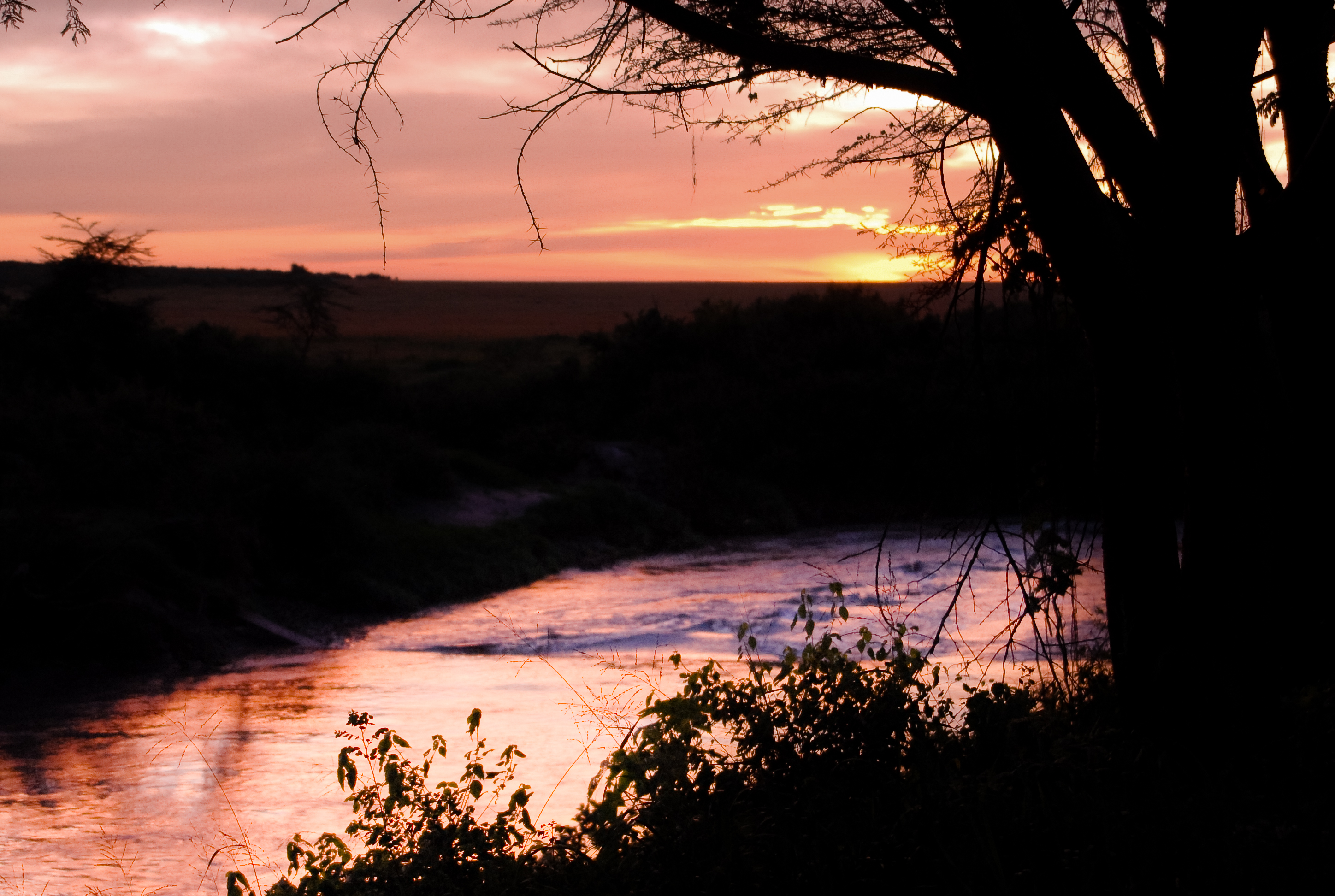
Image by GRIDArendal
As much as the rest of the world, Kenya is witnessing biodiversity loss. This is despite the country being ranked second in Africa in terms of bird and mammal species richness. The loss in Kenya’s biodiversity is a threat to the country’s tourism industry, which is the mainstay of the economy. Threatened species in Kenya include 33 mammals, 28 birds, 5 reptiles, 4 amphibians, 29 fish, 16 molluscs, 11 invertebrates and 103 plants. Two of Africa’s eight biodiversity hotspots are partially in Kenya, and these are the mountains of the Eastern Afromontane hotspot, and the coastal forests of Eastern Africa. A key method to protect Kenya’s biodiversity is the setting aside of protected areas such as national parks which cover 12.7 percent of the country’s territory. Kenya’s national parks include the world famous Masai Mara.
This photo has been graciously provided to be used in the GRID-Arendal resources library by: Peter Prokosch.
This Mountain Zebra National Park image was automatically curated and published with WP Robot plugin – CLICK HERE to learn more about WP Robot for Wordpress – a massive time and money saver.
Sunset over Nairobi, Kenya Image by GRIDArendal East-Africa is famous for its vast savannahs and the biodiversity so typical for this particular landscape. Yet the region harbors a number of other forest ecosystems, including lowland and mountain rain forests, dryland forests and woodlands, and of course swamp forests and coastal mangroves. Similar to the other …
Sunset over Nairobi, Kenya
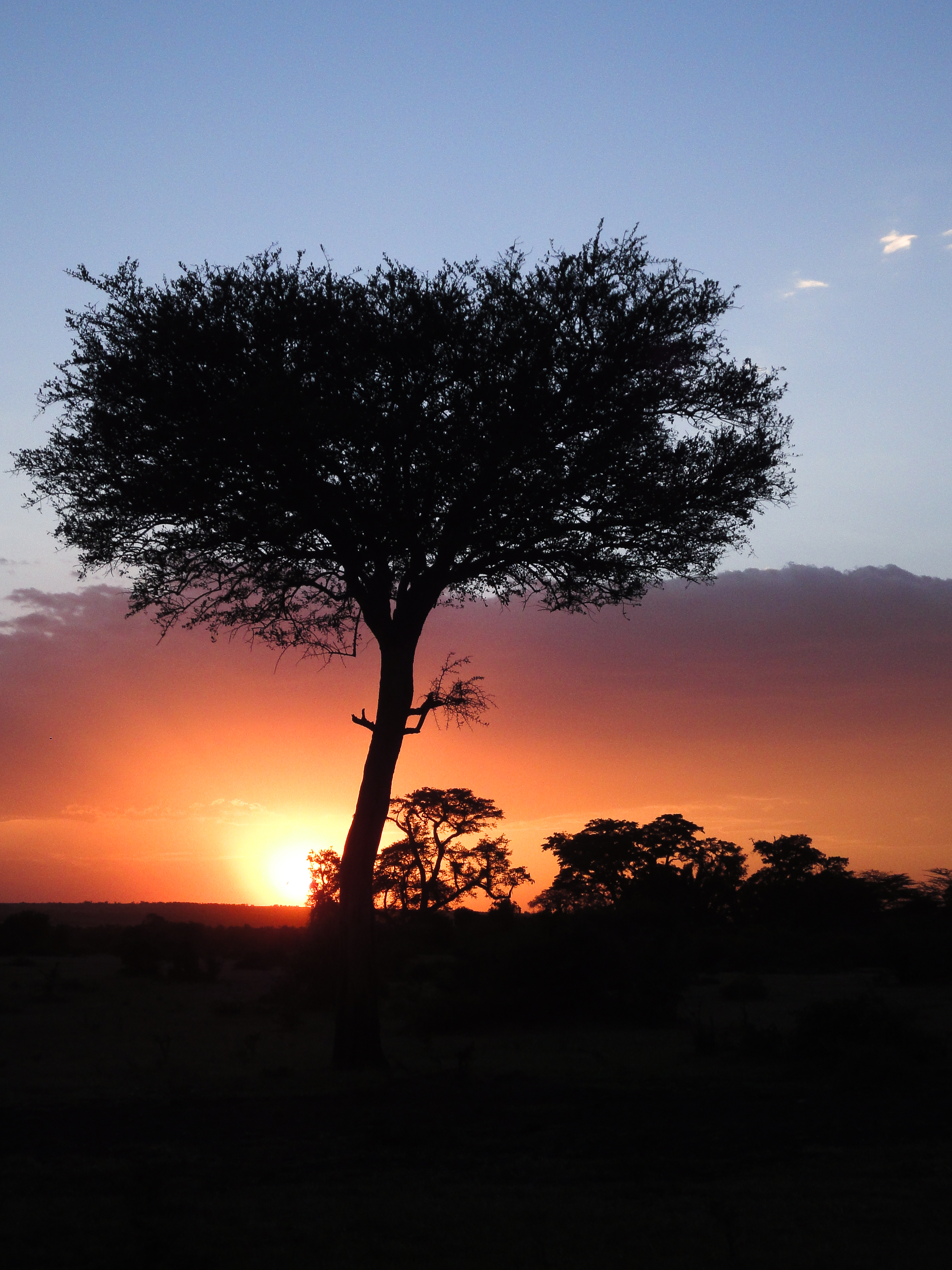
Image by GRIDArendal
East-Africa is famous for its vast savannahs and the biodiversity so typical for this particular landscape. Yet the region harbors a number of other forest ecosystems, including lowland and mountain rain forests, dryland forests and woodlands, and of course swamp forests and coastal mangroves. Similar to the other East-African states, Kenya is struggling with high rates of deforestation. Its forests and woodlands are threatened by illegal logging, changing climate and encroachment on forests for agricultural land and fuelwood.This photo has been graciously provided to be used in the GRID-Arendal resources library by: Yannick Beadoin
This Mountain Zebra National Park image was automatically curated and published with WP Robot plugin – CLICK HERE to learn more about WP Robot for Wordpress – a massive time and money saver.
Image from page 135 of “The history of birds : their varieties and oddities, comprising graphic descriptions of nearly all known species of birds, with fishes and insects, the world over, and illustrating their varied habits, modes of life, and distinguis Image by Internet Archive Book Images Identifier: historyofbirdsth00bing Title: The history of birds : …
Image from page 135 of “The history of birds : their varieties and oddities, comprising graphic descriptions of nearly all known species of birds, with fishes and insects, the world over, and illustrating their varied habits, modes of life, and distinguis

Image by Internet Archive Book Images
Identifier: historyofbirdsth00bing
Title: The history of birds : their varieties and oddities, comprising graphic descriptions of nearly all known species of birds, with fishes and insects, the world over, and illustrating their varied habits, modes of life, and distinguishing peculiarities by means of delightful anecdotes and spirited engravings
Year: 1880 (1880s)
Authors: Bingley, William, 1774-1823
Subjects: Birds Zoology
Publisher: Philadelphia : Edgewood Publishing Co.
Contributing Library: American Museum of Natural History Library
Digitizing Sponsor: Biodiversity Heritage Library
View Book Page: Book Viewer
About This Book: Catalog Entry
View All Images: All Images From Book
Click here to view book online to see this illustration in context in a browseable online version of this book.
Text Appearing Before Image:
generallycrept into some hole or corner to sleep: and it is remarkable that whenperched, or otherwise at rest, it had mostly the head downward, or atleaet even with the body, and not elevated like other birds. These are shy and solitary birds. Like the Woodpeckers theyfrequent woods, and run up and down the trees with surprisingfacility. They often move their tail in the manner of the Wagtail.They do not migrate; but, during the winter, they approach nearer toinhabited places, and are sometimes seen in orchards and gardens. OF THE KINGFISHER TRIBE IN GENERAL. The bill is sharp, triangular, long, straight and thick. Theis fleshy, short, flat and sharp.The feet, except in a few species,are formed for climbing, withthe toes two backward and twoforward. These birds frequent the banksof rivers; living principally onfish, which they catch with greatdexterity. They swallov; theirprey whole but afterwards throwup the indigestible parts. Theirwings are short; yet they fly verygwiftly. tongiio
Text Appearing After Image:
THE COMMON KINGFISHER. 133 THE COMMON KINGFISHER. The length of the Kingfisher is seven inches, and its breadth eleven,The bill is nearly two inches long, and black; but the base of thelower mandible is yellow. The top of the head, and the sides of thebody, are of a dark green, marked with transverse spots of blue. Thetail is of a deep blue ; and the other parts of the body are of a duskyorange, white, and black. The legs are red. In the beauty and brilliancy of its plumage, the Common Kingfisherfar excels all the other species of British birds. Its shape is, however,somewhat inelegant, from the great disproportion there is, in size,between the head and bill, and the other parts of the body. Its usual prey consists of the smaller kinds of fish, It frequentlysits on a branch projecting over the current: there it remains motion-less, and often watches whole hours, to catch the moment when a littlefish rises to the surfoce of the water under its station; it dives perpen-dicularly into th
Note About Images
Please note that these images are extracted from scanned page images that may have been digitally enhanced for readability – coloration and appearance of these illustrations may not perfectly resemble the original work.
This The Great Fish River museum image was automatically curated and published with WP Robot plugin – CLICK HERE to learn more about WP Robot for Wordpress – a massive time and money saver.
Image from page 428 of “The history of birds : their varieties and oddities, comprising graphic descriptions of nearly all known species of birds, with fishes and insects, the world over, and illustrating their varied habits, modes of life, and distinguis Image by Internet Archive Book Images Identifier: historyofbirdsth00bing Title: The history of birds : …
Image from page 428 of “The history of birds : their varieties and oddities, comprising graphic descriptions of nearly all known species of birds, with fishes and insects, the world over, and illustrating their varied habits, modes of life, and distinguis

Image by Internet Archive Book Images
Identifier: historyofbirdsth00bing
Title: The history of birds : their varieties and oddities, comprising graphic descriptions of nearly all known species of birds, with fishes and insects, the world over, and illustrating their varied habits, modes of life, and distinguishing peculiarities by means of delightful anecdotes and spirited engravings
Year: 1880 (1880s)
Authors: Bingley, William, 1774-1823
Subjects: Birds Zoology
Publisher: Philadelphia : Edgewood Publishing Co.
Contributing Library: American Museum of Natural History Library
Digitizing Sponsor: Biodiversity Heritage Library
View Book Page: Book Viewer
About This Book: Catalog Entry
View All Images: All Images From Book
Click here to view book online to see this illustration in context in a browseable online version of this book.
Text Appearing Before Image:
variably refusing all except living animals, or such asare not in the least degree putrid. And the fishermen assert, thatthey are never to be caught with baits which have been bitten byother fish. In many parts of England, Turbot and Holibut are sold indiscrimi-nately for each other. They are, however, perfectly distinct; theupper parts of the former being marked with large, unequal, andobtuse tubercles; while those of the latter are quite smooth, andcovered with oblong soft scales, that adhere firmly to the body. Theeyes of the Turbot also are on the left, whilst those of the Holibut areon the right of the head. Holibuts are sometimes caught of such immense size, on the north-em coasts of England, as to weigh from two to three hundred pounds.Olafsen speaks of having seen one in Iceland, which measured fivtjells in length. The Greenlanders employ the membrane of the stomach of th«Holibut, in place of glass for their windows. THE TURBOT, AND nOLIEUT. 425 riiTinimOTraiiTT.;!?^^ filllib
Text Appearing After Image:
The Turbot is most active in the night tim., when perhaps is cncm e.are les^ vi<.ilant; and in the .lay time it lies at the bottom with its cl a Ls deTppermost, and is consequently difficult to bo ^^-^-^-f^f ,.,/^ ^said that when apprehensive of danger it will remain periectly still. 426 THE BEAKED CH^TODON TOE PLAISE AND FLOUNDER. The general habits both of the Plaise and Flounder, reseinble thoseof all the other flat-fish. These fish areeach found in great abundance in mostof the European seas. Flounders oftenascend rivers, and occasionally even sofar as to be beyond the immediateinfluence of the tides.
Note About Images
Please note that these images are extracted from scanned page images that may have been digitally enhanced for readability – coloration and appearance of these illustrations may not perfectly resemble the original work.
This The Great Fish River museum image was automatically curated and published with WP Robot plugin – CLICK HERE to learn more about WP Robot for Wordpress – a massive time and money saver.
A My Addo Nieu Bethesda selected video for you: Book Now: http://www.places.co.za/html/13279.html?And-The-Cow-Jumped-Over-The-Moon… Find self catering accommodation at And The Cow Jumped Over The Moon… in Nieu Bethesda, South Africa. View maps, customer ratings & reviews, prices and discounts to find the best accommodation options. Great Addo and Surrounds Accommodation Choices: Addo, Eastern Cape | Addo …
A My Addo Nieu Bethesda selected video for you:
Book Now: http://www.places.co.za/html/13279.html?And-The-Cow-Jumped-Over-The-Moon…
Find self catering accommodation at And The Cow Jumped Over The Moon… in Nieu Bethesda, South Africa. View maps, customer ratings & reviews, prices and discounts to find the best accommodation options.
Great Addo and Surrounds Accommodation Choices: Addo, Eastern Cape | Addo Village, Addo | Addo Elephant National Park, Eastern Cape | Greater Addo Route, Eastern Cape | Sunland, Addo | Colchester, Addo | Kirkwood, Addo | Paterson, Addo | Alicedale, Addo | Zuurberg, Addo
This Nieu Bethesda video – And The Cow Jumped Over The Moon… : Nieu Bethesda, South Africa – was automatically curated and published with WP Robot plugin – CLICK HERE to learn more about WP Robot for Wordpress – a massive time and money saver.
Orroroo township and grain silos. Looking over the area that was developed for irrigated dairies from 1906 after the reservoir was built on Pekina Creek. Image by denisbin Once land was surveyed and sold, the first farmers started arriving in the area around 1875 settling their 640 acre blocks. Fortunately in that year 29 inches …
Orroroo township and grain silos. Looking over the area that was developed for irrigated dairies from 1906 after the reservoir was built on Pekina Creek.

Image by denisbin
Once land was surveyed and sold, the first farmers started arriving in the area around 1875 settling their 640 acre blocks. Fortunately in that year 29 inches of rain fell (725 mm) and the season was excellent. Goyder’s Line seemed unnecessary and restrictive. On average Orroroo has 325 mm of rain a year. Unlike other places further north the rainfall is more reliable in Orroroo than places like Carrieton or Cradock. The nearby Pekina Ranges help with this.
Orroroo township had some early origins. It was a stopping point on the early Blinman to Burra copper route for transporting Blinman copper down to Burra for smelting. A small refreshment structure was built on Pekina Creek in the mid 1860s. The current township was surveyed in 1875 and named at the suggestion of this refreshment shanty owner. It is an Aboriginal word meaning “wind in the trees.” Land sales started in 1876 and the erection of buildings began in 1878. The Orroroo Hotel opened around 1877 followed by the Commercial Hotel in 1878. A general store opened and a three storey flour mill was also erected in 1878. Wheat from the Orroroo area was always highly prized as the high altitude (528 metres or 1,735 feet), cold winters, and dry spring made for a hard, high protein wheat. (Today this wheat is used for frozen products like frozen bread dough etc). The flour mill in Orroroo was modernized as the years went by and it survived until 1945 before being destroyed by fire. Flour from Orroroo was later sent by rail to Broken Hill for sale there. The town progressed quickly and in the 1881 census Orroroo had 314 residents. Today Orroroo has a population of 550 people.
1881 was a crucial year in the town’s development for the government was considering options for rail routes in the north for the new farmers. One option was a rail line from Port Germein up through the Germein Gorge to Murraytown and across the plains to Booleroo Centre and Orroroo. This line would have continued the government policy of sending lines inland from the ports such as Augusta, Pirie, Broughton, Wakefield, Robe etc. In the end the government took a different option with a line from Peterborough north to Orroroo in 1881. This line went further north to Eurelia and Carrieton before travelling via Hammond and Bruce (both now ghost towns) to Quorn where it linked with the rail line already linking Quorn with Port Augusta through Pichi Richi Gorge. The advantage of this line was that it linked several inland routes with a rail line to Port Adelaide.
Apart from wheat the other industry which provided much wealth (and population) to the town and immediate district was dairying. In 1906 Pekina Creek was dammed and an irrigation scheme established. Water was piped to 40 dairy farms on the eastern flats below the town of Orroroo. Lucerne was irrigated for fodder for the dairy cows. This explains the wealth and prosperity of Orroroo in the 1920s and 1930s. Some dairies still existed in the 1970s but they are gone now. Because of this scheme the butter factory, a fine stone structure, was opened in 1907 and the product produced was known as Walloway Butter. Butter was exported to London, but about 70% of it went to Broken Hill. In 1919 the factory was taken over by South Australian Farmers’ Cooperative Union, later Farmers Union. The factory you can still see today was built at this time for £8,000. It opened in 1921. The butter factory closed in 1971 and milk was then dispatched to Gawler by road.
The other major town industries were the Enterprise Newspaper and printing works established in 1892, (it ceased production in Orroroo in 1970 and was then produced in Peterborough) and Richard Parnell’s blacksmith and wheelwright business. Parnell’s started producing agricultural implements in Orroroo and Walloway in 1880. Their forge was always busy producing carriages, bullock drays, buggies, sulkies and wagons. Keeping abreast of the times Parnell’s established a motor garage in 1914 and began selling Model T Fords. Eventually Parnell’s moved into road transportation. All these businesses in the town were boosted greatly with the arrival of the railway in 1881 as it pushed its way north to Quorn. Until 1937 and the completion of the new line from Adelaide to Port Pirie, Orroroo was on the main rail line to Perth and Alice Springs. Leigh Creek brown coal was also shipped through the town until the early 1950s and the establishment of the first power station in Port Augusta.
Back in the main street department stores were established in the 1890s and the Institute opened in 1880 and at the same time a Post Office opened. The Institute was upgraded and renamed as the Soldiers Memorial Hall in 1924. Orroroo School opened in 1880. It eventually became a higher Primary school in 1916 and an Area School in 1962. The main street businesses included stock and station agents because Orroroo had a large regional livestock market. A branch of the National Bank opened in 1878 in a house. Next came the Savings Bank of SA in 1881. Like many SA towns Orroroo got a new Savings Bank in 1936 as part of the SA centenary celebrations. One well known business was that of the misses Toop. The three sister carried on a dressmaking extraordinaire business for many years. They had clients across SA. Other members of the Toop family established a Buick car agency in the town in 1922.
Like all growing towns Orroroo soon had its own churches. The Primitive Methodists built the first church in 1876 but soon proposed to sell it to the Baptist Church in 1878. This fell through and it was sold to the Catholic Church in 1881. The first Wesleyan Methodist Church was opened in 1882. The present day Uniting Church was constructed as the Methodist Church in 1911, The Sunday School was built in 1934 in a classical revival style which is unusual for Orroroo. The present day Catholic Church was opened in 1926. The almost strange Anglican Church in Mediterranean style was opened in 1920. Prior to this the Anglicans had a small church that had been built in 1879.
Orroroo was unusual in that it had a Light Horse Troop based in the town. Prior to Federation SA was responsible for its own armed services. The Orroroo Light Horse Troop become part of the 17th Australian Light Horse Regiment and many members from Orroroo served in the First World War. After World War One the Orroroo troop became a part of the 9th Light Horse Regiment.
This Cradock Methodist Church image was automatically curated and published with WP Robot plugin – CLICK HERE to learn more about WP Robot for Wordpress – a massive time and money saver.
View over Mountain Zebra National Park Image by Arthur Chapman View over Mountain Zebra National Park showing Karoo vegetation, Eastern Cape, South Africa. Photographed on 23 June 2012. ©© Audrey Bendus and Arthur Chapman. This Mountain Zebra National Park image was automatically curated and published with WP Robot plugin – CLICK HERE to learn more …
View over Mountain Zebra National Park

Image by Arthur Chapman
View over Mountain Zebra National Park showing Karoo vegetation, Eastern Cape, South Africa. Photographed on 23 June 2012.
©© Audrey Bendus and Arthur Chapman.
This Mountain Zebra National Park image was automatically curated and published with WP Robot plugin – CLICK HERE to learn more about WP Robot for Wordpress – a massive time and money saver.
View over Mountain Zebra National Park Image by Arthur Chapman View over Mountain Zebra National Park showing Karoo vegetation, Eastern Cape, South Africa. Photographed on 23 June 2012. ©© Audrey Bendus and Arthur Chapman. This Mountain Zebra National Park image was automatically curated and published with WP Robot plugin – CLICK HERE to learn more …
View over Mountain Zebra National Park

Image by Arthur Chapman
View over Mountain Zebra National Park showing Karoo vegetation, Eastern Cape, South Africa. Photographed on 23 June 2012.
©© Audrey Bendus and Arthur Chapman.
This Mountain Zebra National Park image was automatically curated and published with WP Robot plugin – CLICK HERE to learn more about WP Robot for Wordpress – a massive time and money saver.
View over Mountain Zebra National Park Image by Arthur Chapman View over Mountain Zebra National Park showing Karoo vegetation, Eastern Cape, South Africa. Photographed on 23 June 2012. ©© Audrey Bendus and Arthur Chapman. This Mountain Zebra National Park image was automatically curated and published with WP Robot plugin – CLICK HERE to learn more …
View over Mountain Zebra National Park

Image by Arthur Chapman
View over Mountain Zebra National Park showing Karoo vegetation, Eastern Cape, South Africa. Photographed on 23 June 2012.
©© Audrey Bendus and Arthur Chapman.
This Mountain Zebra National Park image was automatically curated and published with WP Robot plugin – CLICK HERE to learn more about WP Robot for Wordpress – a massive time and money saver.