Cradock in the News:
Pan African Resources PLC (“Pan African” or “the Company” or “the Group”) (Incorporated and registered in England and Wales under the UK Companies Act 2006 with registration …
Read more on: “Cradock” – BingNews

My Cradock
Cradock News Classifieds and Directory
Cradock in the News: Pan African Resources PLC (“Pan African” or “the Company” or “the Group”) (Incorporated and registered in England and Wales under the UK Companies Act 2006 with registration … Read more on: “Cradock” – BingNews
Cradock in the News:
Pan African Resources PLC (“Pan African” or “the Company” or “the Group”) (Incorporated and registered in England and Wales under the UK Companies Act 2006 with registration …
Read more on: “Cradock” – BingNews
Cradock in the News: EASTERN CAPE – During a two month period the following sentences was handed down by the Cradock Regional Court for robberies in the Cradock policing precinct. On the 16 August 2021, 34-year-old … Read more on: “Cradock” – BingNews
Cradock in the News:
EASTERN CAPE – During a two month period the following sentences was handed down by the Cradock Regional Court for robberies in the Cradock policing precinct. On the 16 August 2021, 34-year-old …
Read more on: “Cradock” – BingNews
Cradock in the News: Opinion – Our hard-fought struggles, our pain and suffering over the decades under apartheid, make it all worthwhile on this day. We are not celebrating the fact that Jacob Zuma is going to jail — no … Read more on: “Cradock” – BingNews Government’s decision to suddenly close schools amid a …
Cradock in the News:
Opinion – Our hard-fought struggles, our pain and suffering over the decades under apartheid, make it all worthwhile on this day. We are not celebrating the fact that Jacob Zuma is going to jail — no …
Read more on: “Cradock” – BingNews
Government’s decision to suddenly close schools amid a third wave of Covid-19 infections has, once again, exposed the digital divide between farming and urban communities. This is the view of …
Read more on: “Cradock” – BingNews
Cradock in the News: Our hard-fought struggles, our pain and suffering over the decades under apartheid, make it all worthwhile on this day. We are not celebrating the fact that Jacob Zuma is going to jail — no, we are … Read more on: “Cradock” – BingNews In a ‘resounding victory’ for the family of …
Cradock in the News:
Our hard-fought struggles, our pain and suffering over the decades under apartheid, make it all worthwhile on this day. We are not celebrating the fact that Jacob Zuma is going to jail — no, we are …
Read more on: “Cradock” – BingNews
In a ‘resounding victory’ for the family of Ahmed Timol, who died in police custody 50 years ago, a court ruled that the prosecution should go ahead. Other families now hope for justice.
Read more on: “Cradock” – BingNews
Cradock in the News: Especially in a time when everyone was craving contact and novelty. All the goodies were from Waterval Farm in the Cradock district. The vegetables were from Lani Lombard’s kitchen garden. Read more on: “Cradock” – BingNews
Cradock in the News:
Especially in a time when everyone was craving contact and novelty. All the goodies were from Waterval Farm in the Cradock district. The vegetables were from Lani Lombard’s kitchen garden.
Read more on: “Cradock” – BingNews
Cradock in the News: Affordable farm-fresh produce, delivered from the ground to the gate or bicycles and parts, inner tubes, pumps – you can find everything and more in small towns around South Africa. Read more on: “Cradock” – BingNews The Gqeberha man, revered in jewellery circles, and well-known in the city’s music scene, died …
Cradock in the News:
Affordable farm-fresh produce, delivered from the ground to the gate or bicycles and parts, inner tubes, pumps – you can find everything and more in small towns around South Africa.
Read more on: “Cradock” – BingNews
The Gqeberha man, revered in jewellery circles, and well-known in the city’s music scene, died of a heart attack in Cradock at the weekend, at 66.
Read more on: “Cradock” – BingNews
Markman in Nelson Mandela Bay is becoming an “industrial wasteland”, where roads and buildings are covered with manganese dust and workers run serious health risks each day.
Read more on: “Cradock” – BingNews
African safari, Aug 2014 – 020 Image by Ed Yourdon At the end of our second day at the ChemChem lodge, we went out for an hour-long "bush walk" — at the end of which, we were picked up by a Jeep, which drove us a mile or two further west, at the edge of …
African safari, Aug 2014 – 020

Image by Ed Yourdon
At the end of our second day at the ChemChem lodge, we went out for an hour-long "bush walk" — at the end of which, we were picked up by a Jeep, which drove us a mile or two further west, at the edge of a vast dry lake-bed that exists at the southern end of Lake Manyara (much of which, as you’ll see in tomorrow’s photo upload) is still quite wet indeed, and serves as the resting ground for hundreds of thousands (maybe millions) of bright pink flamingoes…
Wood had been stacked, prior to our arrival at the lake, for a small fire that would keep things from becoming pitch-black after the sun descended behind the mountain range further west …
And folding chairs had been set up for us, so we could sit and watch the fire and the stunningly beautiful sunset … at which point, a large cooler was hauled out of the Jeep, and we were asked if we would like to have a cocktail or a glass of wine …
It’s hard to imagine anything more magical than a scene like this. Indeed, it was so wonderful that we insisted on coming back again for our final evening at the lodge…
If you would like to see more details about Lake Manyara National Park, check out this Wikipedia page: en.wikipedia.org/wiki/Lake_Manyara_National_Park
And if you’d like to see more about the ChemChem lodge near Lake Manyara, take a look at this Wikipedia page: www.chemchemsafari.com/chem-chem-lodge/
***************************
As I wrote in the notes for my October 2012 safari in South Africa, I have lived most of my adult life without ever venturing into the African jungle, and without participating in the mysterious activity known as “safari.” Thus, my impressions were based on a variety of movies — ranging from Meryl Streep’s glorious Out of Africa (filmed near the starting point of this current trip, at the base of Mt. Kilimanjaro) to The African Queen to the silliness of childhood Tarzan movies — as well as photographs and visits to local zoos to see mangy animals who have no more first-hand experience with the continent than I had.
Actually, I have made a few visits to Africa over the years — even before that first safari trip a couple years ago. I’m not sure that my two visits to Egypt count in this regard — but I did travel to South Africa in the early 1990s, to speak at computer conferences in Johannesburg and Cape Town. The last visit was made shortly before the release of Nelson Mandela, when the entire country waited for a fundamental transition, even though no one was sure what kind of future lay ahead of them. Hectic travel schedules, the demands of business, and the desire not to leave my family stranded at home any longer than necessary, eliminated the casual thought of spending a week on safari on those early trips … and so, like several other potential trips (Easter Island, Machu Picchu, Patagonia, Antarctica, a river trip on the Amazon, etc.), it was simply added to my “bucket list.”
But in 2012, I had another opportunity to return to South Africa, for an abortive computer conference that took place in Cape Town. After 20 years, our children are grown and gone, and most of the hectic pressures of business have diminished; so my wife and I were able to set aside a week, and we visited two different safari lodges in the Kruger National Park of northern South Africa, just a few miles from the Mozambique border. If you’re interested, you can see the photos in this Flickr album; suffice it to say that it was impressive enough that we decided to come back for another safari, if we ever had the chance.
The “chance,” as it turns out, occurred in a quiet two-week period of August 2014; and this second safari involved brief stays in five small camps located in northern Tanzania and southern Kenya. As I noted after our first safari, we could have gone to Botswana or Zaire or Zimbabwe or a dozen other countries; even without South Africa or Tanzania, there were dozens of different parks, game reserves, lodges, and camps that we could have chosen. (A brief bit of history, in case you’re interested: Tanzania used to be Tanganyika, and before that it was German East Africa; in 1964, it combined with the island-state of Zanzibar to become the Republic of Tanzania. You can read more details in this Wikipedia article).
As with our previous trip, we saw such an amazing variety of animals that I can scarcely remember them all. People at each new camp that we visited kept asking if we had seen the “big five”: lions, leopards, cheetahs, rhinos, and elephants. To which the answer, after the first one or two camps, was simply yes, yes, yes, yes, and yes. We also saw zebras (millions, or so it seemed), giraffes, ostriches, wildebeest (gazillions of the shaggy beasts), warthogs, crocodiles, hyenas,jackals, babboons, monkeys, and vast herds of antelopes (which included kudu and impalas and topi and Thompson gazelles and dic-dic antelopes, and goodness knows what else). I didn’t even try to keep track of all the birds we saw; vultures, eagles, and hawks were everywhere, but there were many others that I had never seen or heard of before, and which I’ll probably never see again back in the urban jungle of New York City.
As we had seen on our earlier 2012 trip, some of these species were quite compatible and nonchalant about being in each others’ presence; but there was no question that predators were everywhere, and that there was a constant struggle between the hunters and the hunted. Indeed, it was somewhat surprising to see how many thousands of antelope and wildebeest and zebras managed to evade the constant danger of lions, leopards, and cheetahs (which turn out to be at the bottom of the “pecking order” of predators); but it gradually became clear that hackneyed phrases like “survival of the fittest” actually do mean something out here. Yes, the older animals, and the weak and lame and very young, are quite vulnerable — and they generally don’t survive very long. But lots more do survive by being constantly alert, constantly sniffing the breeze, and constantly listening for warning sounds from nearby birds, monkeys, and members of their own herd.
We saw a few indications of a “kill” that had recently taken place: a pride of lions ripping away at the flesh of a recently-killed wildebeest; a jaguar that had dragged a recently-killed warthog up into a tree for safekeeping, while hyenas and jackals frantically leapt and jumped in a vain attempt to get up the tree themselves — along with the occasional skeletons and bleached-white bones of animals killed a season or two ago.
We had several hours each day to observe all of this, and I took roughly three thousand photos by the end of the trip. I’ve uploaded a relatively small number of “keepers" to this Flickr album, which will convey at least a little of what it’s like to actually be in the presence of so many animals. But to truly appreciate it, you’ve got to be there, in person.
The only caution I’ll add is that your return trip should avoid Nairobi if at all possible. The chaos and confusion in the Nairobi airport, on the day of our return, is a story unto itself … but I took no photos there, so you’ll just have to use your imagination.
This Mountain Zebra National Park image was automatically curated and published with WP Robot plugin – CLICK HERE to learn more about WP Robot for Wordpress – a massive time and money saver.
Spreo bicolor (African Pied Starling) Image by Arthur Chapman African Pied Starling (Spreo bicolor) in Zebra Mountain National Park, Eastern Cape, South Africa. Photographed on 22 June 2012. This bird is about the same size as an Indian Mynah and flies a lot like one. This Mountain Zebra National Park image was automatically curated and …
Spreo bicolor (African Pied Starling)

Image by Arthur Chapman
African Pied Starling (Spreo bicolor) in Zebra Mountain National Park, Eastern Cape, South Africa. Photographed on 22 June 2012.
This bird is about the same size as an Indian Mynah and flies a lot like one.
This Mountain Zebra National Park image was automatically curated and published with WP Robot plugin – CLICK HERE to learn more about WP Robot for Wordpress – a massive time and money saver.
Syncerus caffer caffer (African Bufffalo, Savanna Buffalo) Image by Arthur Chapman African, Cape Buffalo or Savanna Buffalo (Syncerus caffer caffer) managed in Zebra Mountain National Park, Eastern Cape, South Africa. Photographed on 23 June 2012. This Mountain Zebra National Park image was automatically curated and published with WP Robot plugin – CLICK HERE to learn …
Syncerus caffer caffer (African Bufffalo, Savanna Buffalo)

Image by Arthur Chapman
African, Cape Buffalo or Savanna Buffalo (Syncerus caffer caffer) managed in Zebra Mountain National Park, Eastern Cape, South Africa. Photographed on 23 June 2012.
This Mountain Zebra National Park image was automatically curated and published with WP Robot plugin – CLICK HERE to learn more about WP Robot for Wordpress – a massive time and money saver.
Pycnonotus nigricans (African Red-eyed Bulbul) Image by Arthur Chapman African Red-eyed Bulbul (Pycnonotus nigricans) in Mountain Zebra National Park, Eastern Cape, South Africa. Photographed on 23 June 2012. This Mountain Zebra National Park image was automatically curated and published with WP Robot plugin – CLICK HERE to learn more about WP Robot for WordPress – …
Pycnonotus nigricans (African Red-eyed Bulbul)

Image by Arthur Chapman
African Red-eyed Bulbul (Pycnonotus nigricans) in Mountain Zebra National Park, Eastern Cape, South Africa. Photographed on 23 June 2012.
This Mountain Zebra National Park image was automatically curated and published with WP Robot plugin – CLICK HERE to learn more about WP Robot for Wordpress – a massive time and money saver.
Pycnonotus nigricans (African Red-eyed Bulbul) Image by Arthur Chapman African Red-eyed Bulbul (Pycnonotus nigricans) in Mountain Zebra National Park, Eastern Cape, South Africa. Photographed on 23 June 2012. This Mountain Zebra National Park image was automatically curated and published with WP Robot plugin – CLICK HERE to learn more about WP Robot for WordPress – …
Pycnonotus nigricans (African Red-eyed Bulbul)

Image by Arthur Chapman
African Red-eyed Bulbul (Pycnonotus nigricans) in Mountain Zebra National Park, Eastern Cape, South Africa. Photographed on 23 June 2012.
This Mountain Zebra National Park image was automatically curated and published with WP Robot plugin – CLICK HERE to learn more about WP Robot for Wordpress – a massive time and money saver.
Pycnonotus nigricans (African Red-eyed Bulbul) Image by Arthur Chapman African Red-eyed Bulbul (Pycnonotus nigricans) in Mountain Zebra National Park, Eastern Cape, South Africa. Photographed on 23 June 2012. This Mountain Zebra National Park image was automatically curated and published with WP Robot plugin – CLICK HERE to learn more about WP Robot for WordPress – …
Pycnonotus nigricans (African Red-eyed Bulbul)

Image by Arthur Chapman
African Red-eyed Bulbul (Pycnonotus nigricans) in Mountain Zebra National Park, Eastern Cape, South Africa. Photographed on 23 June 2012.
This Mountain Zebra National Park image was automatically curated and published with WP Robot plugin – CLICK HERE to learn more about WP Robot for Wordpress – a massive time and money saver.
African safari – Photo Montage 2012 Image by idccollage Katelyn Markley. Photo Montage Assignment for Interactive Digital Communication at the University of Northern Iowa Photo Attributions: 1. Large elephant running at the North Carolina Zoo, Nov. 21, 2009. www.fotopedia.com/items/georgesvh-ESsDbg7pGEc Creative Commons Attribution license, Noncommercial use license. Attribute: Georges van Hoegearden1623 x 1080 2. Flamingo at …
African safari – Photo Montage 2012

Image by idccollage
Katelyn Markley. Photo Montage Assignment for Interactive Digital Communication at the University of Northern Iowa
Photo Attributions:
1. Large elephant running at the North Carolina Zoo, Nov. 21, 2009.
www.fotopedia.com/items/georgesvh-ESsDbg7pGEc
Creative Commons Attribution license, Noncommercial use license. Attribute: Georges van Hoegearden1623 x 1080
2. Flamingo at the San Francisco Zoo, Aug. 8, 2008
www.fotopedia.com/items/flickr-2749093183
Creative Commons Attribution license. Attribute: Chris Willis2747 x 1996
3. Lion at Franklin Park Zoo in Boston. June 28, 2008
www.fotopedia.com/items/flickr-2619584650
Creative Commons Attribution license. Attribute: Cory Leopold1613 x 1080
4. Drakensberg Mountain, South Africa. Sept. 30, 2008
www.fotopedia.com/items/flickr-2901381405
Creative Commons Attribution license. Attribute: Jasper van der Meij1000 x 667
5. Girl in Africa carrying a large water jug. Uploaded: Dec. 13, 2009
www.fotopedia.com/items/marct-EQx-fL2-S74
Creative Commons Attribution license, Noncommercial use license. Attribute: Marc Trip1920 x 1920
6. Mocker Swallowtail Butterfly at the Peggy Notebaert Nature Museum.
www.flickr.com/photos/diverdewan/6341456670/
Creative Commons Attribution license, Noncommercial use license, Share alike license. Attribute: Adam Dewan1920 x 1322
7. Burchell’s Zebra. July 22, 2008
www.fotopedia.com/items/flickr-2692923748
Creative Commons Attribution license, Noncommercial use license. Attribute: Arno & Louise Wildlife1024 x 681
8. Giraffe at the London Zoo. March 15, 2007
www.fotopedia.com/items/blazouf-06fbc5560f931442fd002830a…
Creative Commons Attribution license. Attribute: Cyril Blazy1440 x 1080
9. Flower. Sept. 6, 2007
www.fotopedia.com/items/alibradshaw-vf1LDAfu0Ds
Creative Commons Attribution license, Noncommercial use license. Attribute: Ali Bradshaw1620 x 1080
10. Mud Snake at Osceola National Forest, FL. April 1, 2007
www.fotopedia.com/items/flickr-442987780
Creative Commons Attribution license, Noncommercial use license, Share alike license. Attribute: ‘Sophro’1600 x 1003
This Mountain Zebra National Park image was automatically curated and published with WP Robot plugin – CLICK HERE to learn more about WP Robot for Wordpress – a massive time and money saver.
Syncerus caffer caffer (African Bufffalo, Savanna Buffalo) Image by Arthur Chapman African, Cape Buffalo or Savanna Buffalo (Syncerus caffer caffer) managed in Zebra Mountain National Park, Eastern Cape, South Africa. Photographed on 23 June 2012. This Mountain Zebra National Park image was automatically curated and published with WP Robot plugin – CLICK HERE to learn …
Syncerus caffer caffer (African Bufffalo, Savanna Buffalo)
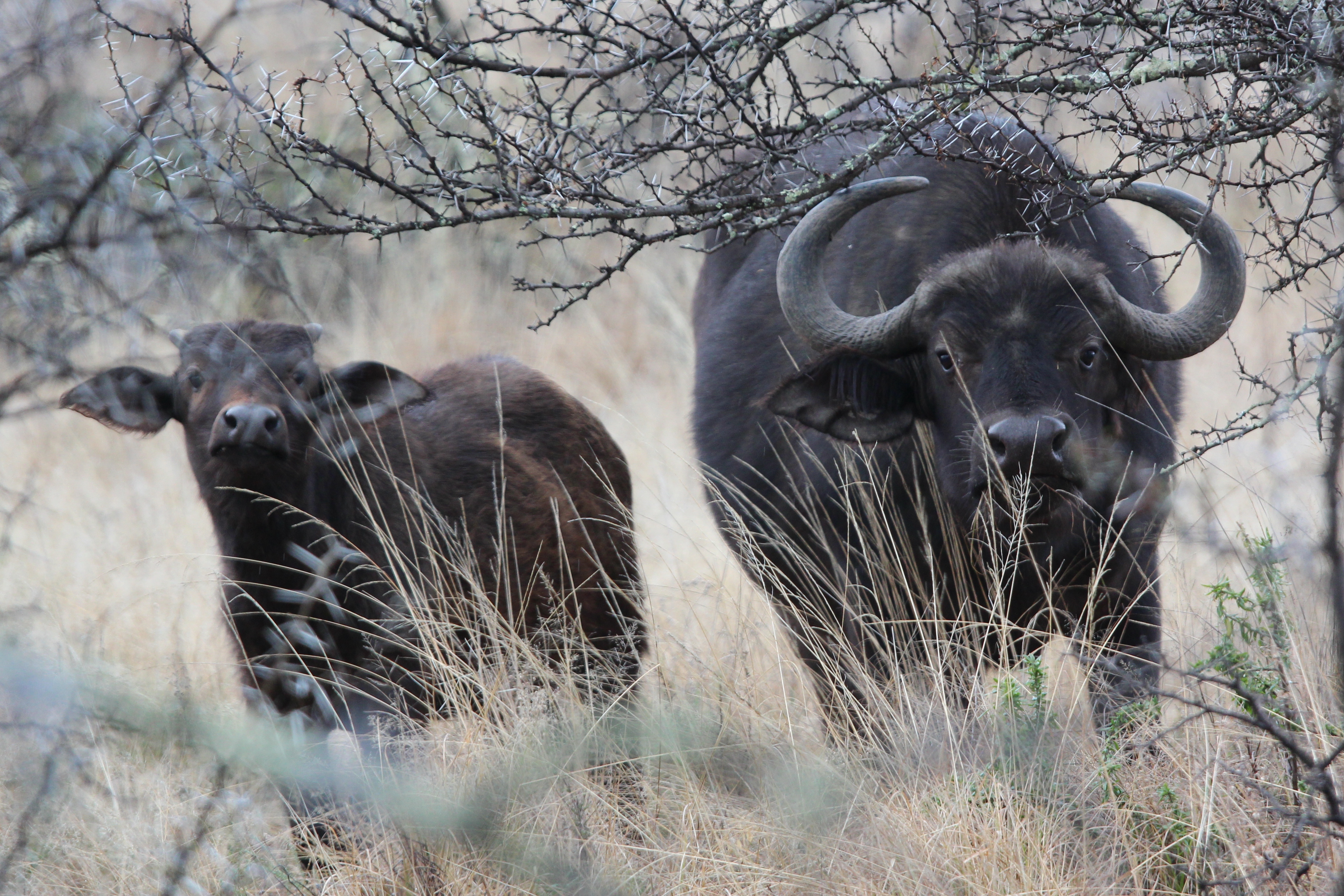
Image by Arthur Chapman
African, Cape Buffalo or Savanna Buffalo (Syncerus caffer caffer) managed in Zebra Mountain National Park, Eastern Cape, South Africa. Photographed on 23 June 2012.
This Mountain Zebra National Park image was automatically curated and published with WP Robot plugin – CLICK HERE to learn more about WP Robot for Wordpress – a massive time and money saver.
African wildcat (Felis lybica) paw print? Image by Nick Turland Mountain Zebra National Park. Well, it looks like Felis: the right size, shape, no claw marks. Black-footed cat (F. nigripes) is also known from the park. This Mountain Zebra National Park image was automatically curated and published with WP Robot plugin – CLICK HERE to …
African wildcat (Felis lybica) paw print?

Image by Nick Turland
Mountain Zebra National Park. Well, it looks like Felis: the right size, shape, no claw marks. Black-footed cat (F. nigripes) is also known from the park.
This Mountain Zebra National Park image was automatically curated and published with WP Robot plugin – CLICK HERE to learn more about WP Robot for Wordpress – a massive time and money saver.
African safari, Aug 2014 – 021 Image by Ed Yourdon At the end of our second day at the ChemChem lodge, we went out for an hour-long "bush walk" — at the end of which, we were picked up by a Jeep, which drove us a mile or two further west, at the edge of …
African safari, Aug 2014 – 021
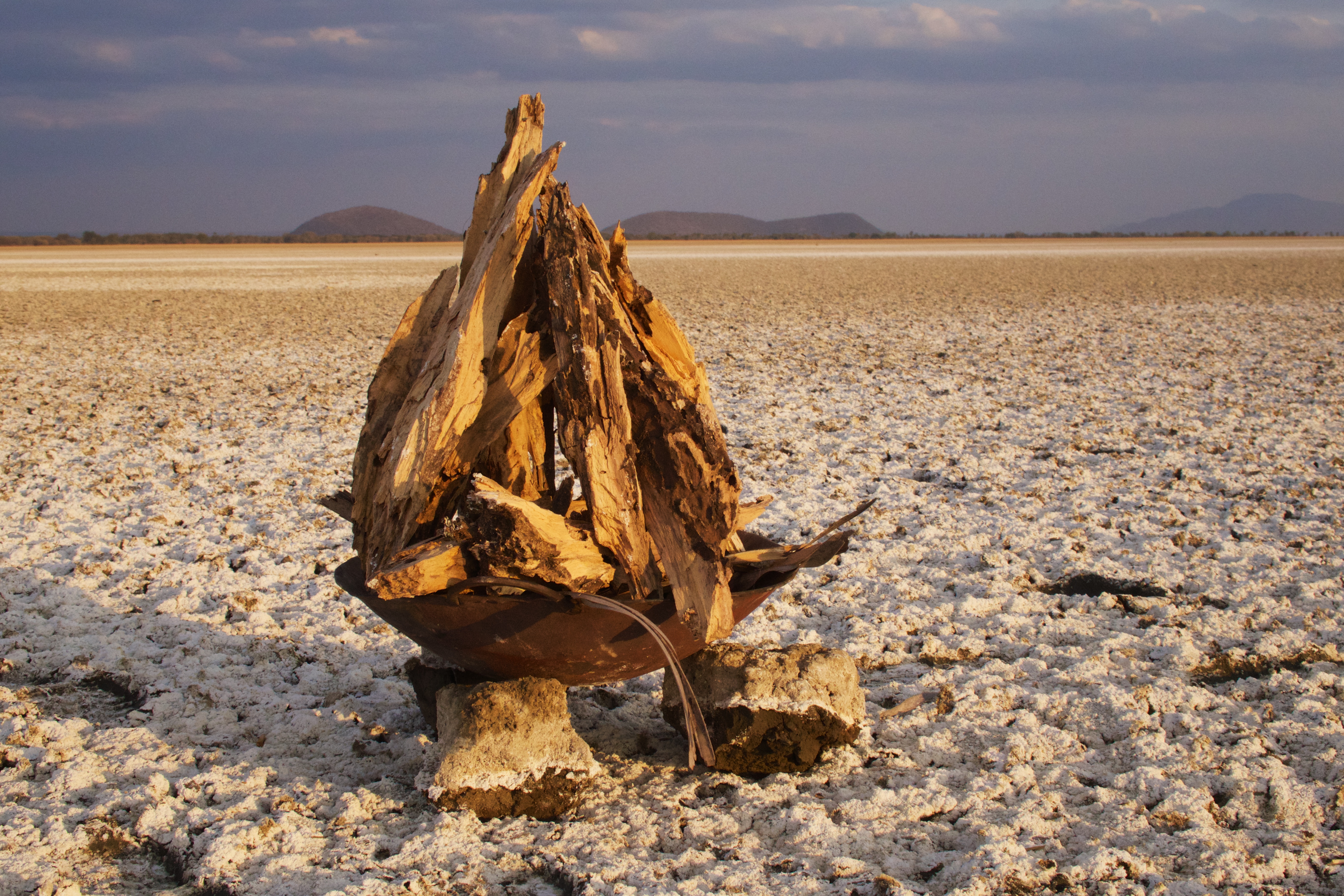
Image by Ed Yourdon
At the end of our second day at the ChemChem lodge, we went out for an hour-long "bush walk" — at the end of which, we were picked up by a Jeep, which drove us a mile or two further west, at the edge of a vast dry lake-bed that exists at the southern end of Lake Manyara (much of which, as you’ll see in tomorrow’s photo upload) is still quite wet indeed, and serves as the resting ground for hundreds of thousands (maybe millions) of bright pink flamingoes…
Wood had been stacked, prior to our arrival at the lake, for a small fire that would keep things from becoming pitch-black after the sun descended behind the mountain range further west …
And folding chairs had been set up for us, so we could sit and watch the fire and the stunningly beautiful sunset … at which point, a large cooler was hauled out of the Jeep, and we were asked if we would like to have a cocktail or a glass of wine …
It’s hard to imagine anything more magical than a scene like this. Indeed, it was so wonderful that we insisted on coming back again for our final evening at the lodge…
If you would like to see more details about Lake Manyara National Park, check out this Wikipedia page: en.wikipedia.org/wiki/Lake_Manyara_National_Park
And if you’d like to see more about the ChemChem lodge near Lake Manyara, take a look at this Wikipedia page: www.chemchemsafari.com/chem-chem-lodge/
***************************
As I wrote in the notes for my October 2012 safari in South Africa, I have lived most of my adult life without ever venturing into the African jungle, and without participating in the mysterious activity known as “safari.” Thus, my impressions were based on a variety of movies — ranging from Meryl Streep’s glorious Out of Africa (filmed near the starting point of this current trip, at the base of Mt. Kilimanjaro) to The African Queen to the silliness of childhood Tarzan movies — as well as photographs and visits to local zoos to see mangy animals who have no more first-hand experience with the continent than I had.
Actually, I have made a few visits to Africa over the years — even before that first safari trip a couple years ago. I’m not sure that my two visits to Egypt count in this regard — but I did travel to South Africa in the early 1990s, to speak at computer conferences in Johannesburg and Cape Town. The last visit was made shortly before the release of Nelson Mandela, when the entire country waited for a fundamental transition, even though no one was sure what kind of future lay ahead of them. Hectic travel schedules, the demands of business, and the desire not to leave my family stranded at home any longer than necessary, eliminated the casual thought of spending a week on safari on those early trips … and so, like several other potential trips (Easter Island, Machu Picchu, Patagonia, Antarctica, a river trip on the Amazon, etc.), it was simply added to my “bucket list.”
But in 2012, I had another opportunity to return to South Africa, for an abortive computer conference that took place in Cape Town. After 20 years, our children are grown and gone, and most of the hectic pressures of business have diminished; so my wife and I were able to set aside a week, and we visited two different safari lodges in the Kruger National Park of northern South Africa, just a few miles from the Mozambique border. If you’re interested, you can see the photos in this Flickr album; suffice it to say that it was impressive enough that we decided to come back for another safari, if we ever had the chance.
The “chance,” as it turns out, occurred in a quiet two-week period of August 2014; and this second safari involved brief stays in five small camps located in northern Tanzania and southern Kenya. As I noted after our first safari, we could have gone to Botswana or Zaire or Zimbabwe or a dozen other countries; even without South Africa or Tanzania, there were dozens of different parks, game reserves, lodges, and camps that we could have chosen. (A brief bit of history, in case you’re interested: Tanzania used to be Tanganyika, and before that it was German East Africa; in 1964, it combined with the island-state of Zanzibar to become the Republic of Tanzania. You can read more details in this Wikipedia article).
As with our previous trip, we saw such an amazing variety of animals that I can scarcely remember them all. People at each new camp that we visited kept asking if we had seen the “big five”: lions, leopards, cheetahs, rhinos, and elephants. To which the answer, after the first one or two camps, was simply yes, yes, yes, yes, and yes. We also saw zebras (millions, or so it seemed), giraffes, ostriches, wildebeest (gazillions of the shaggy beasts), warthogs, crocodiles, hyenas,jackals, babboons, monkeys, and vast herds of antelopes (which included kudu and impalas and topi and Thompson gazelles and dic-dic antelopes, and goodness knows what else). I didn’t even try to keep track of all the birds we saw; vultures, eagles, and hawks were everywhere, but there were many others that I had never seen or heard of before, and which I’ll probably never see again back in the urban jungle of New York City.
As we had seen on our earlier 2012 trip, some of these species were quite compatible and nonchalant about being in each others’ presence; but there was no question that predators were everywhere, and that there was a constant struggle between the hunters and the hunted. Indeed, it was somewhat surprising to see how many thousands of antelope and wildebeest and zebras managed to evade the constant danger of lions, leopards, and cheetahs (which turn out to be at the bottom of the “pecking order” of predators); but it gradually became clear that hackneyed phrases like “survival of the fittest” actually do mean something out here. Yes, the older animals, and the weak and lame and very young, are quite vulnerable — and they generally don’t survive very long. But lots more do survive by being constantly alert, constantly sniffing the breeze, and constantly listening for warning sounds from nearby birds, monkeys, and members of their own herd.
We saw a few indications of a “kill” that had recently taken place: a pride of lions ripping away at the flesh of a recently-killed wildebeest; a jaguar that had dragged a recently-killed warthog up into a tree for safekeeping, while hyenas and jackals frantically leapt and jumped in a vain attempt to get up the tree themselves — along with the occasional skeletons and bleached-white bones of animals killed a season or two ago.
We had several hours each day to observe all of this, and I took roughly three thousand photos by the end of the trip. I’ve uploaded a relatively small number of “keepers" to this Flickr album, which will convey at least a little of what it’s like to actually be in the presence of so many animals. But to truly appreciate it, you’ve got to be there, in person.
The only caution I’ll add is that your return trip should avoid Nairobi if at all possible. The chaos and confusion in the Nairobi airport, on the day of our return, is a story unto itself … but I took no photos there, so you’ll just have to use your imagination.
This Mountain Zebra National Park image was automatically curated and published with WP Robot plugin – CLICK HERE to learn more about WP Robot for Wordpress – a massive time and money saver.
African safari, Aug 2014 – 019 Image by Ed Yourdon At the end of our second day at the ChemChem lodge, we went out for an hour-long "bush walk" — at the end of which, we were picked up by a Jeep, which drove us a mile or two further west, at the edge of …
African safari, Aug 2014 – 019
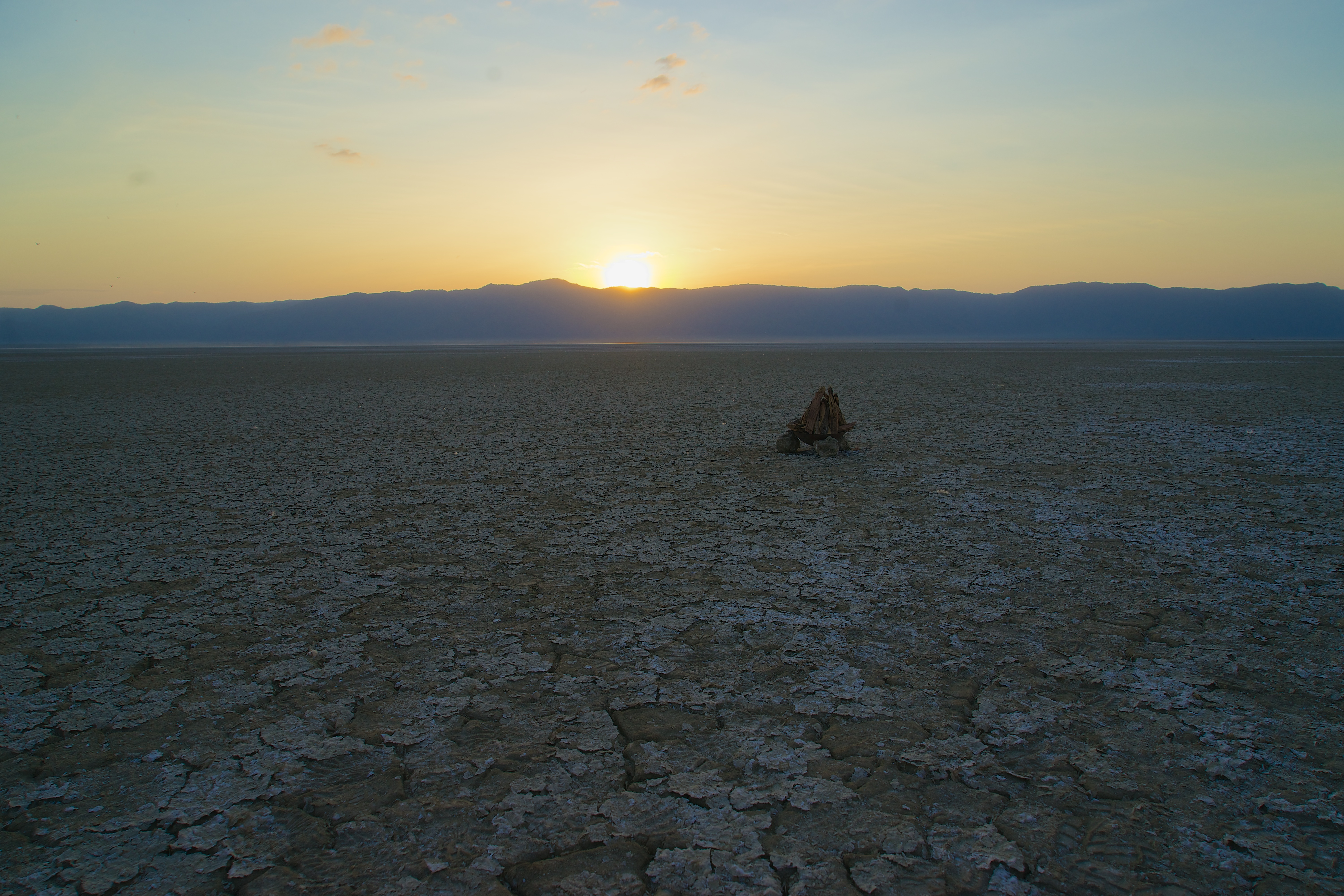
Image by Ed Yourdon
At the end of our second day at the ChemChem lodge, we went out for an hour-long "bush walk" — at the end of which, we were picked up by a Jeep, which drove us a mile or two further west, at the edge of a vast dry lake-bed that exists at the southern end of Lake Manyara (much of which, as you’ll see in tomorrow’s photo upload) is still quite wet indeed, and serves as the resting ground for hundreds of thousands (maybe millions) of bright pink flamingoes…
Wood had been stacked, prior to our arrival at the lake, for a small fire that would keep things from becoming pitch-black after the sun descended behind the mountain range further west …
And folding chairs had been set up for us, so we could sit and watch the fire and the stunningly beautiful sunset … at which point, a large cooler was hauled out of the Jeep, and we were asked if we would like to have a cocktail or a glass of wine …
It’s hard to imagine anything more magical than a scene like this. Indeed, it was so wonderful that we insisted on coming back again for our final evening at the lodge…
If you would like to see more details about Lake Manyara National Park, check out this Wikipedia page: en.wikipedia.org/wiki/Lake_Manyara_National_Park
And if you’d like to see more about the ChemChem lodge near Lake Manyara, take a look at this Wikipedia page: www.chemchemsafari.com/chem-chem-lodge/
***************************
As I wrote in the notes for my October 2012 safari in South Africa, I have lived most of my adult life without ever venturing into the African jungle, and without participating in the mysterious activity known as “safari.” Thus, my impressions were based on a variety of movies — ranging from Meryl Streep’s glorious Out of Africa (filmed near the starting point of this current trip, at the base of Mt. Kilimanjaro) to The African Queen to the silliness of childhood Tarzan movies — as well as photographs and visits to local zoos to see mangy animals who have no more first-hand experience with the continent than I had.
Actually, I have made a few visits to Africa over the years — even before that first safari trip a couple years ago. I’m not sure that my two visits to Egypt count in this regard — but I did travel to South Africa in the early 1990s, to speak at computer conferences in Johannesburg and Cape Town. The last visit was made shortly before the release of Nelson Mandela, when the entire country waited for a fundamental transition, even though no one was sure what kind of future lay ahead of them. Hectic travel schedules, the demands of business, and the desire not to leave my family stranded at home any longer than necessary, eliminated the casual thought of spending a week on safari on those early trips … and so, like several other potential trips (Easter Island, Machu Picchu, Patagonia, Antarctica, a river trip on the Amazon, etc.), it was simply added to my “bucket list.”
But in 2012, I had another opportunity to return to South Africa, for an abortive computer conference that took place in Cape Town. After 20 years, our children are grown and gone, and most of the hectic pressures of business have diminished; so my wife and I were able to set aside a week, and we visited two different safari lodges in the Kruger National Park of northern South Africa, just a few miles from the Mozambique border. If you’re interested, you can see the photos in this Flickr album; suffice it to say that it was impressive enough that we decided to come back for another safari, if we ever had the chance.
The “chance,” as it turns out, occurred in a quiet two-week period of August 2014; and this second safari involved brief stays in five small camps located in northern Tanzania and southern Kenya. As I noted after our first safari, we could have gone to Botswana or Zaire or Zimbabwe or a dozen other countries; even without South Africa or Tanzania, there were dozens of different parks, game reserves, lodges, and camps that we could have chosen. (A brief bit of history, in case you’re interested: Tanzania used to be Tanganyika, and before that it was German East Africa; in 1964, it combined with the island-state of Zanzibar to become the Republic of Tanzania. You can read more details in this Wikipedia article).
As with our previous trip, we saw such an amazing variety of animals that I can scarcely remember them all. People at each new camp that we visited kept asking if we had seen the “big five”: lions, leopards, cheetahs, rhinos, and elephants. To which the answer, after the first one or two camps, was simply yes, yes, yes, yes, and yes. We also saw zebras (millions, or so it seemed), giraffes, ostriches, wildebeest (gazillions of the shaggy beasts), warthogs, crocodiles, hyenas,jackals, babboons, monkeys, and vast herds of antelopes (which included kudu and impalas and topi and Thompson gazelles and dic-dic antelopes, and goodness knows what else). I didn’t even try to keep track of all the birds we saw; vultures, eagles, and hawks were everywhere, but there were many others that I had never seen or heard of before, and which I’ll probably never see again back in the urban jungle of New York City.
As we had seen on our earlier 2012 trip, some of these species were quite compatible and nonchalant about being in each others’ presence; but there was no question that predators were everywhere, and that there was a constant struggle between the hunters and the hunted. Indeed, it was somewhat surprising to see how many thousands of antelope and wildebeest and zebras managed to evade the constant danger of lions, leopards, and cheetahs (which turn out to be at the bottom of the “pecking order” of predators); but it gradually became clear that hackneyed phrases like “survival of the fittest” actually do mean something out here. Yes, the older animals, and the weak and lame and very young, are quite vulnerable — and they generally don’t survive very long. But lots more do survive by being constantly alert, constantly sniffing the breeze, and constantly listening for warning sounds from nearby birds, monkeys, and members of their own herd.
We saw a few indications of a “kill” that had recently taken place: a pride of lions ripping away at the flesh of a recently-killed wildebeest; a jaguar that had dragged a recently-killed warthog up into a tree for safekeeping, while hyenas and jackals frantically leapt and jumped in a vain attempt to get up the tree themselves — along with the occasional skeletons and bleached-white bones of animals killed a season or two ago.
We had several hours each day to observe all of this, and I took roughly three thousand photos by the end of the trip. I’ve uploaded a relatively small number of “keepers" to this Flickr album, which will convey at least a little of what it’s like to actually be in the presence of so many animals. But to truly appreciate it, you’ve got to be there, in person.
The only caution I’ll add is that your return trip should avoid Nairobi if at all possible. The chaos and confusion in the Nairobi airport, on the day of our return, is a story unto itself … but I took no photos there, so you’ll just have to use your imagination.
This Mountain Zebra National Park image was automatically curated and published with WP Robot plugin – CLICK HERE to learn more about WP Robot for Wordpress – a massive time and money saver.
A My Addo Mountain Zebra National Park selected video for you: Ecco i migliori scatti della nostra avventura sudafricana del mese di agosto 2011 nei parchi Mountain Zebra, Hluhluwe–iMfolozi e Kruger. Sapete riconoscere tutte le specie animali presentate? L’atmosfera del safari fotografico è semplicemente meravigliosa, soprattutto al Mountain Zebra National Park. Attenti ai rinoceronti, però! …
A My Addo Mountain Zebra National Park selected video for you:
Ecco i migliori scatti della nostra avventura sudafricana del mese di agosto 2011 nei parchi Mountain Zebra, Hluhluwe–iMfolozi e Kruger. Sapete riconoscere tutte le specie animali presentate? L’atmosfera del safari fotografico è semplicemente meravigliosa, soprattutto al Mountain Zebra National Park. Attenti ai rinoceronti, però!
Grazie per le visualizzazioni. Mattia & Clint
———-
Here are the best shots of our South African adventure we had in August 2011, in Mountain Zebra National Park, Hluhluwe-iMfolozi Park and Kruger National Park. Can you guess all the animal species featured? The atmosphere of the safari is simply marvelous, especially in Mountain Zebra National Park. Beware of rhinos, though!
Thanks for watching. Mattia & Clint
Great Addo and Surrounds Accommodation Choices: Addo, Eastern Cape | Addo Village, Addo | Addo Elephant National Park, Eastern Cape | Greater Addo Route, Eastern Cape | Sunland, Addo | Colchester, Addo | Kirkwood, Addo | Paterson, Addo | Alicedale, Addo | Zuurberg, Addo
This Mountain Zebra National Park video – South African Adventure – was automatically curated and published with WP Robot plugin – CLICK HERE to learn more about WP Robot for Wordpress – a massive time and money saver.
A My Addo Mountain Zebra National Park selected video for you: A Zebra Herd Running Free and Feeding on the Plains of a South African National Park Game Reserve. There are three species of zebras: the plains zebra, the Grévy’s zebra and the mountain zebra. The plains zebra, also known as the common zebra or …
A My Addo Mountain Zebra National Park selected video for you:
A Zebra Herd Running Free and Feeding on the Plains of a South African National Park Game Reserve. There are three species of zebras: the plains zebra, the Grévy’s zebra and the mountain zebra. The plains zebra, also known as the common zebra or Burchell’s zebra, is the most common and geographically widespread species of zebra. The continent of Africa is home to a large and diverse range of Flora and Fauna, indeed it has arguably the largest “range of freedom” of wild animal populations and diversity, with wild populations of large carnivores (including lions, hyenas, and cheetahs) and herbivores (including buffalo, elephants, camels, and giraffes) which roam freely on mainly open non-private plains. Africa is also home to wide range of “jungle” animals such as snakes and primates, and aquatic life including crocodiles and amphibians. Some of the larger African animals present a genuine threat to humans and have been classified as the Big 5, current members being — Elephants, Lions, Rhinoceroses, Leopards, and Cape Buffalo. The Hippopotamus is also a dangerous animal but is not classified in the Big 5 mainly due to its aquatic environment and relative lack of exposure to humans on safari trips. Africa has 299 species of mammals and 858 species of birds, many of which are protected through the National Park structure, the principal ones are listed here – Addo Elephant National Park, Augrabies Falls National Park, Bontebok National Park, Golden Gate Highlands National Park, Karoo National Park, Kgalagadi Transfrontier Park, Kruger National Park, Madikwe Game Reserve, Mapungubwe, Mountain Zebra National Park, Pilanesberg National Park, Richtersveld, Save China’s Tigers, Skukuza, Table Mountain National Park, Tankwa Karoo National Park, and Tsitsikamma National Park.
Great Addo and Surrounds Accommodation Choices: Addo, Eastern Cape | Addo Village, Addo | Addo Elephant National Park, Eastern Cape | Greater Addo Route, Eastern Cape | Sunland, Addo | Colchester, Addo | Kirkwood, Addo | Paterson, Addo | Alicedale, Addo | Zuurberg, Addo
This Mountain Zebra National Park video – Zebra Herd Running Free and Feeding on the Plains of a South African National Park Game Reserve – was automatically curated and published with WP Robot plugin – CLICK HERE to learn more about WP Robot for Wordpress – a massive time and money saver.
A My Addo Valley of Desolation selected video for you: A fresh look at the South African Landscape! Seeing the Valley of Desolation first hand feels so surreal. There is isn’t another city close for hours! We drove 3 hours north of Port Elizabeth to get there. Thanks to our housemate Christian for the invitation …
A My Addo Valley of Desolation selected video for you:
A fresh look at the South African Landscape! Seeing the Valley of Desolation first hand feels so surreal. There is isn’t another city close for hours! We drove 3 hours north of Port Elizabeth to get there. Thanks to our housemate Christian for the invitation to accompany him.
Music: In the Stories [NCS Release] by Warptech feat. Cory Friesenhan
Warptech
? SoundCloud https://soundcloud.com/warptech
? Facebook https://www.facebook.com/WarptechOffi…
? Twitter
? YouTube https://www.youtube.com/user/pumpinbas
Cory Friesenhan
? Website http://www.coryf.com/
? Facebook https://www.facebook.com/pages/Cory-F…
? YouTube https://www.youtube.com/user/coryfrie…
Great Addo and Surrounds Accommodation Choices: Addo, Eastern Cape | Addo Village, Addo | Addo Elephant National Park, Eastern Cape | Greater Addo Route, Eastern Cape | Sunland, Addo | Colchester, Addo | Kirkwood, Addo | Paterson, Addo | Alicedale, Addo | Zuurberg, Addo
This Valley of Desolation video – South African Road Trip: Valley of Desolation – was automatically curated and published with WP Robot plugin – CLICK HERE to learn more about WP Robot for Wordpress – a massive time and money saver.