• Skip to main content
  • Skip to header right navigation
  • Skip to site footer

My Cradock

My Cradock

Cradock News Classifieds and Directory

  • Home
  • About
  • Accommodation
  • Business
  • Events
  • Free Business Advert
  • Submit News
You are here: Home / Archives for news

news

4 January 2021 by Guest

Your weather: Thundershowers to hit several parts of the country

The South African Weather Service predicts a rainy day for most of the country on Monday. Impact-based warnings: A yellow (level 2) warning for thunderstorms with possible impacts – including localised damage to infrastructure, property as well as livestock – is expected in places over the Namakwa District of the Northern Cape and Central Karoo …

The South African Weather Service predicts a rainy day for most of the country on Monday.

Impact-based warnings:

A yellow (level 2) warning for thunderstorms with possible impacts – including localised damage to infrastructure, property as well as livestock – is expected in places over the Namakwa District of the Northern Cape and Central Karoo District of the Western Cape as well as in places over the interior of the Eastern Cape.

The weather in your region:

Gauteng will be partly cloudy and warm with isolated showers and thundershowers.

The expected UVB sunburn index is extreme.

Mpumalanga will be cloudy in the east in the morning with fog patches in the escarpment, otherwise partly cloudy and warm to hot with isolated showers and thundershowers but scattered on the Highveld.

Limpopo will be cloudy in the east in the morning with fog patches in the escarpment, otherwise partly cloudy and warm to hot with isolated showers and thundershowers, except in the west.

The North West will be partly cloudy and cool to warm with isolated showers and thundershowers.

The Free State will be cloudy and cool with scattered showers and thundershowers.

The Northern Cape will be cloudy and cool to warm with widespread to scattered showers and thundershowers, but isolated along the coast. The wind along the coast will be light to moderate southerly to south-easterly.

The Western Cape will be fine and hot to extremely hot over the western parts, becoming cloudy along the south coast with fog patches in the evening. Isolated to scattered thundershowers are expected in places in the afternoon.

The wind along the coast will be moderate to fresh easterly to south-easterly, becoming strong southerly off Cape Columbine in the afternoon.

The expected UVB sunburn index is extreme.

The western half of the Eastern Cape will be partly cloudy to cloudy and warm to hot, with scattered showers and thundershowers, but isolated along the coast. The wind along the coast will be light to moderate westerly east of Algoa Bay at first, otherwise light to moderate easterly, becoming south-easterly in the afternoon.

The eastern half of the Eastern Cape will be fine in places at first, otherwise partly cloudy to cloudy and warm to hot, with scattered showers and thundershowers, but isolated along the coast.

The wind along the coast will be light to moderate westerly in the morning, otherwise light to moderate easterly, becoming fresh north-easterly in the afternoon.

KwaZulu-Natal will see morning fog over the interior, otherwise partly cloudy and warm with isolated afternoon showers and thundershowers but scattered over the interior.

The wind along the coast will be moderate to fresh north-easterly.

The expected UVB sunburn index is extreme.

weather

Category: NewsTag: cradock, graaff reinet, hofmeyer, karoo, news
4 January 2021 by Guest

3 die in Eastern Cape car crash

Three people have died in a car crash and two others sustained serious injuries after a vehicle they were travelling in overturned on the R61 road towards Cradock in the Eastern Cape. The injured are receiving medical attention at Cradock hospital. Provincial transport spokesperson Unathi Binqose has blamed the crash on reckless driving and speeding. …

Three people have died in a car crash and two others sustained serious injuries after a vehicle they were travelling in overturned on the R61 road towards Cradock in the Eastern Cape.

The injured are receiving medical attention at Cradock hospital.

Provincial transport spokesperson Unathi Binqose has blamed the crash on reckless driving and speeding.

“It’s not clear who behind the wheel between these five men from the two that are recovering in the hospital. We are hoping to get information as to who was behind the wheel when the accident happened. A case of culpable homicide has been opened for investigation we believe that these were men that were heading to their places of work to Western Cape from Eastern Cape.”

What to do if you are in a Road Crash! https://t.co/6XuxODztpI #ArriveAlive #RoadSafety #Crashes #CrashResponse pic.twitter.com/GgE9ImKeNk

— Arrive Alive (@_ArriveAlive) January 3, 2021

On New Year’s Eve four members of one family were killed in a collision between two vehicles on the N2 between Butterworth and East London in the Eastern Cape.

The deceased were burnt beyond recognition and five others were seriously injured after both vehicles caught fire.

Category: NewsTag: cradock, news, online, south africa
4 January 2021 by Guest

Your weather: Thundershowers to hit several parts of the country

The South African Weather Service predicts a rainy day for most of the country on Monday. Impact-based warnings: A yellow (level 2) warning for thunderstorms with possible impacts – including localised damage to infrastructure, property as well as livestock – is expected in places over the Namakwa District of the Northern Cape and Central Karoo …

The South African Weather Service predicts a rainy day for most of the country on Monday.

Impact-based warnings:

A yellow (level 2) warning for thunderstorms with possible impacts – including localised damage to infrastructure, property as well as livestock – is expected in places over the Namakwa District of the Northern Cape and Central Karoo District of the Western Cape as well as in places over the interior of the Eastern Cape.

The weather in your region:

Gauteng will be partly cloudy and warm with isolated showers and thundershowers.

The expected UVB sunburn index is extreme.

Mpumalanga will be cloudy in the east in the morning with fog patches in the escarpment, otherwise partly cloudy and warm to hot with isolated showers and thundershowers but scattered on the Highveld.

Limpopo will be cloudy in the east in the morning with fog patches in the escarpment, otherwise partly cloudy and warm to hot with isolated showers and thundershowers, except in the west.

The North West will be partly cloudy and cool to warm with isolated showers and thundershowers.

The Free State will be cloudy and cool with scattered showers and thundershowers.

The Northern Cape will be cloudy and cool to warm with widespread to scattered showers and thundershowers, but isolated along the coast. The wind along the coast will be light to moderate southerly to south-easterly.

The Western Cape will be fine and hot to extremely hot over the western parts, becoming cloudy along the south coast with fog patches in the evening. Isolated to scattered thundershowers are expected in places in the afternoon.

The wind along the coast will be moderate to fresh easterly to south-easterly, becoming strong southerly off Cape Columbine in the afternoon.

The expected UVB sunburn index is extreme.

The western half of the Eastern Cape will be partly cloudy to cloudy and warm to hot, with scattered showers and thundershowers, but isolated along the coast. The wind along the coast will be light to moderate westerly east of Algoa Bay at first, otherwise light to moderate easterly, becoming south-easterly in the afternoon.

The eastern half of the Eastern Cape will be fine in places at first, otherwise partly cloudy to cloudy and warm to hot, with scattered showers and thundershowers, but isolated along the coast.

The wind along the coast will be light to moderate westerly in the morning, otherwise light to moderate easterly, becoming fresh north-easterly in the afternoon.

KwaZulu-Natal will see morning fog over the interior, otherwise partly cloudy and warm with isolated afternoon showers and thundershowers but scattered over the interior.

The wind along the coast will be moderate to fresh north-easterly.

The expected UVB sunburn index is extreme.
weather

Category: NewsTag: cradock, graaff reinet, hofmeyer, karoo, news
2 January 2021 by Guest

2020 Fish River Canoe Marathon cancelled due to coronavirus

The organisers of this year’s Fish River Canoe Marathon has decided to the cancel the race scheduled for 25-26 September due to the ongoing coronavirus pandemic. The event has become the biggest paddling event in the country and was set to host the South African National K1 and K3 River Championships this year. “Although South Africa …

The organisers of this year’s Fish River Canoe Marathon has decided to the cancel the race scheduled for 25-26 September due to the ongoing coronavirus pandemic.

The event has become the biggest paddling event in the country and was set to host the South African National K1 and K3 River Championships this year.

“Although South Africa is currently operating under level 3 of the lockdown regulations, there is no indication when mass participation events and functions will be able to start, or what the protocols will be,” Roy Copeman, chairperson of the organising committee, said via a press statement.

“Given the scale and budget of the Fish, and the impact that it has on so many spheres of the Cradock community, we had to make a decision now. We strongly believe our solution is the one that benefits our paddlers the most.”

Copeman added that there were multiple factors that led to the cancellation of the two-day tournament.

“Cross provincial travel restrictions might potentially ease during lockdown level two but the status of ‘hotspots’ can fluctuate and prevent travelling between provinces any time during lockdown,” he said.

“Mass participation events will only be allowed to take place under lockdown level 0 and we are unsure of the time-frame of the various levels or when level 0 will happen.

“There is also uncertainty around when supporting businesses can operate normally, such as accommodation establishments and restaurants. This has a huge impact on our event,” he added.

Despite the cancellation the committee is still continuing with an open mind with the option of a social Fish River Canoe Marathon still on the table later in the year.

“If the opportunity presents itself later in the year, we will organise a ‘Social Fish’. The possible plan will be to start Day One at Prospect and finish at Baroda. Day Two from Knutsford to Cradock, finishing at the Cradock Canoe Club.”

– Compiled by Sport24 staff

Category: NewsTag: cradock, news, online, south africa
2 January 2021 by Guest

PICS | Horror crash near Karoo town shortly after midnight leaves 8 dead

Eight people were killed on Friday just after midnight in a multiple vehicle collision on the N1 in the Western Cape. The crash involved one truck and two taxis. It’s alleged that one taxi overtook the other when it hit the truck in the oncoming lane. The new year started on a sombre note in …

  • Eight people were killed on Friday just after midnight in a multiple vehicle collision on the N1 in the Western Cape.
  • The crash involved one truck and two taxis.
  • It’s alleged that one taxi overtook the other when it hit the truck in the oncoming lane.


The new year started on a sombre note in the Western Cape where a collision between truck and two taxis shortly after midnight left eight people dead.

The accident occurred on the N1 approximately 10km outside Leeu-Gamka at 00:05 on Friday.

Leeu-Gamka is a small town located 355km northeast of Cape Town in the Karoo.

Western Cape traffic spokesperson Jandre Bakker said according to preliminary reports, the truck was travelling in the direction of Cape Town while the two taxis were travelling towards the Eastern Cape.

Road Traffic Management Corporation (RTMC) spokesperson Simon Zwane said the crash allegedly occurred when one of the taxis overtook the other in the oncoming lane when it hit the truck.

“The truck sideswiped that minibus taxi and, in the process, ended up colliding head-on with the second minibus,” Zwane said.

Bakker said the driver of one of the taxis – who was the only occupant of the vehicle – died, while six passengers and the driver of the other taxi were killed in the collision.

The driver of the truck was seriously injured.

“The cause of the crash is being investigated. A stop-and-go is in place, but the road may be closed for short periods when the scene is cleared,” Bakker said.

“We ask road users to be patient.”

Category: NewsTag: cradock, graaff reinet, hofmeyer, karoo, news
1 January 2021 by Guest

The stinky batting statistic proving Aussie top order has failed miserably against India

You have cookies turned off To use this website, cookies must be enabled in your browser. To enable cookies, follow the instructions for your browser below. Click here to Book Accommodation in Cradock, Graaf Reinett, Hofmeyer or surrounds. Article source: https://www.theaustralian.com.au/sport/cricket/the-stinky-batting-statistic-proving-aussie-top-order-has-failed-miserably-against-india/news-story/eea003f9d4a73569f7fa4be1d1388c6f

You have cookies turned off

To use this website, cookies must be enabled in your browser. To enable cookies, follow the instructions for your browser below.

Category: NewsTag: cradock, news, online, south africa
1 January 2021 by Guest

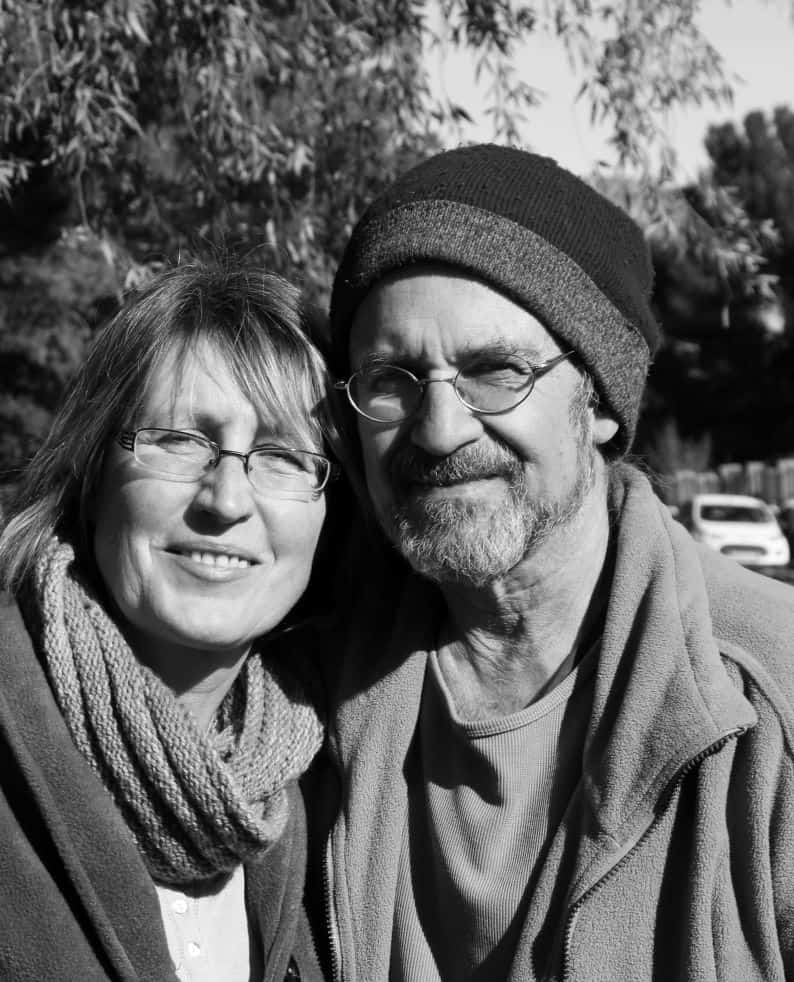
‘Karoo Roads’: Poignant stories from the South African platteland

The intrepid couple, who call the Karoo town of Cradock home, have spent more than a decade criss-crossing this vast region of South Africa in search of its fascinating people, places, spaces and legends. They have written about their colourful encounters for the likes of Country Life magazine, sadly one of the media industry casualties …

The intrepid couple, who call the Karoo town of Cradock home, have spent more than a decade criss-crossing this vast region of South Africa in search of its fascinating people, places, spaces and legends.

They have written about their colourful encounters for the likes of Country Life magazine, sadly one of the media industry casualties of the coronavirus pandemic, and have self-published numerous non-fiction titles, including the Karoo Keepsakes series, which have all been very well received.

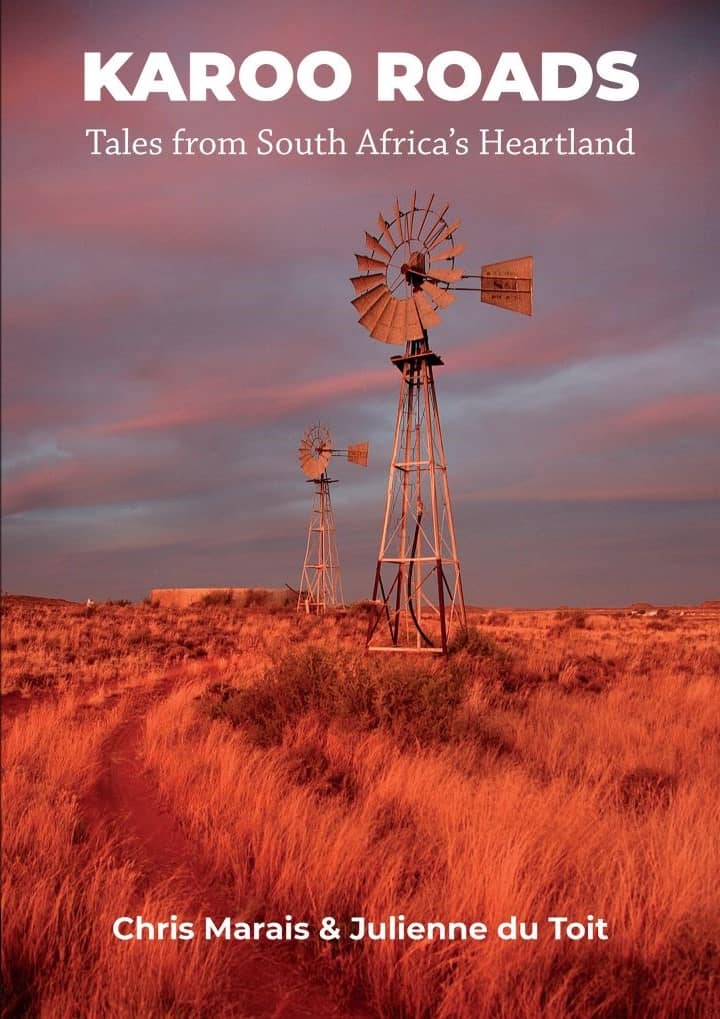
The South African caught up with “Chris and Jules”, as many in the Karoo know them, to chat about their new book, Karoo Roads – Tales from South Africa’s Heartland, and find out what projects and adventures they’re embarking on next.

QA: Chris and Jules of Karoo Space

Karoo Space Chris and Jules
Travel writers Julienne du Toit and Chris Marais. Image: Karoo Space

What drew you to the Karoo, and did you ever think it would provide the foundation for a whole new life and career path?

We were on a chance road trip through the Eastern Cape in 2003, when we met Sandra Antrobus and family at the Tuishuise in Cradock. 

After a Sunday farm lunch with Sandra and her husband Michael (who, sadly, passed away two years ago), we decided this was the kind of community we wanted to live in: tough, with a good sense of humour, reliable, warm, welcoming and very trustworthy people.

We initially planned to restrict our editorial movements to the Eastern Cape, but the call of the Karoo made us shift our focus to the dry spaces of three other provinces as well: the Western Cape, Free State and Northern Cape.

The stories seemed to be richer, more plentiful, seldom told and the photographic potential was immense. It was, really, like discovering a whole new country.

Since when has Cradock been home and has it served you well as a base for exploring the Karoo? 

We have lived in Cradock since the beginning of 2007. For us, it is the perfect springboard into the rest of the Karoo. We also do a lot of non-fiction work with Rhodes University in Makhanda, so Cradock is central for that as well.

For a Karoo storyteller, Cradock is a great base. The old families are here with their incredible histories, one of the finest national parks in the country is 10 minutes from our front door and the town has all the amenities for digital nomad work, with Port Elizabeth a one-day round-trip away.

Define the Karoo in terms of geography and size.

The Karoo is a biologically distinct ‘country’ which sprawls over 400,000 square kilometres, making it a little bigger than Germany.

There are around 100 Karoo towns, settlements and villages, a few thousand farms, and a million people in an area that includes four provinces – the Northern Cape, Western Cape, Eastern Cape and southern Free State.

What makes the Karoo a good hunting ground for ‘people stories’? 

Jonathan Orlam
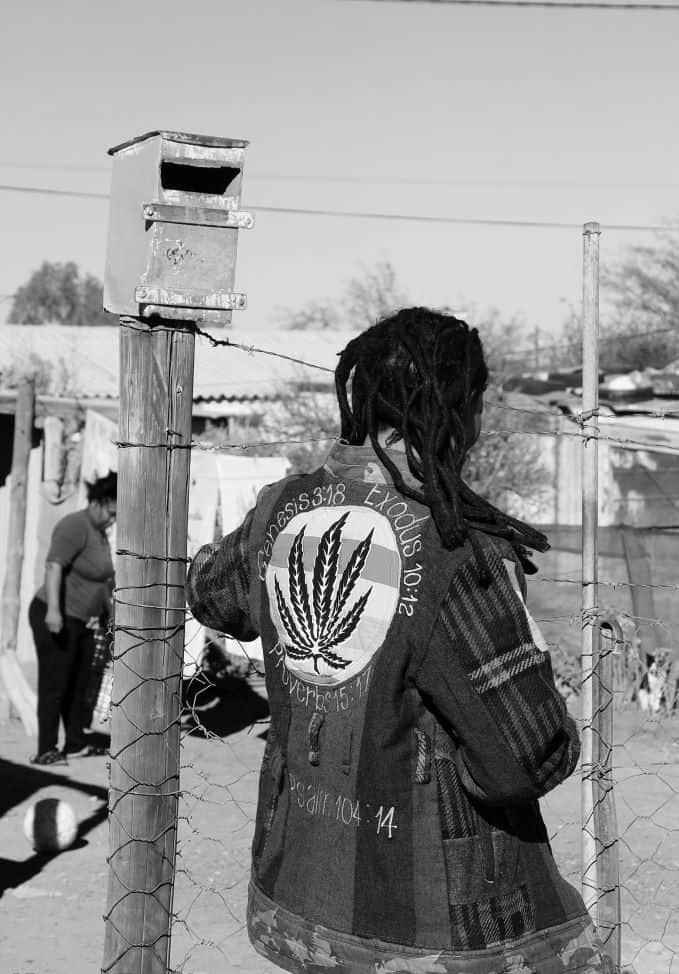
Jonathan Orlam, once convict, now talented tailor, is one of the Rastafarians of Calvinia. Image: Karoo Space

The people of the Karoo are, on the whole, very interesting because many of them are ‘immigrants’ from somewhere else who end up being tough, resilient, able to live lean, think out of the box, work together as a community and reach out between the different groups. 

Many of us are also seen as creative and a little eccentric, which adds to the fun element of being here. You dress like you want, you play Jimi Hendrix to your sheep, you dance in the rain, you party like there’s no tomorrow and then you work hard as well.

But the bedrock of the Karoo lies in families of all colours that have been here for hundreds of years – up to eight generations or more. They, too, have incredible stories to tell and deep knowledge of the region. 

Some of the best dryland farmers in the country, or possibly the continent, are from the Karoo. They are national treasures. Intellectual capital has also been steadily growing in previously moribund Karoo towns, with creative people semigrating from cities to the platteland.

What mileage have you clocked up since covering the Karoo in earnest?

We’ve covered well in excess of 500,000km, nearly 70% of which was in our old Isuzu KB 2003 bakkie, which was completely reconditioned in 2019 by CAT Motors, the local Isuzu dealer. This tells you a lot about the quality of local support that we get.

Besides Cradock, do you have any favourite Karoo towns?

statues Loxton
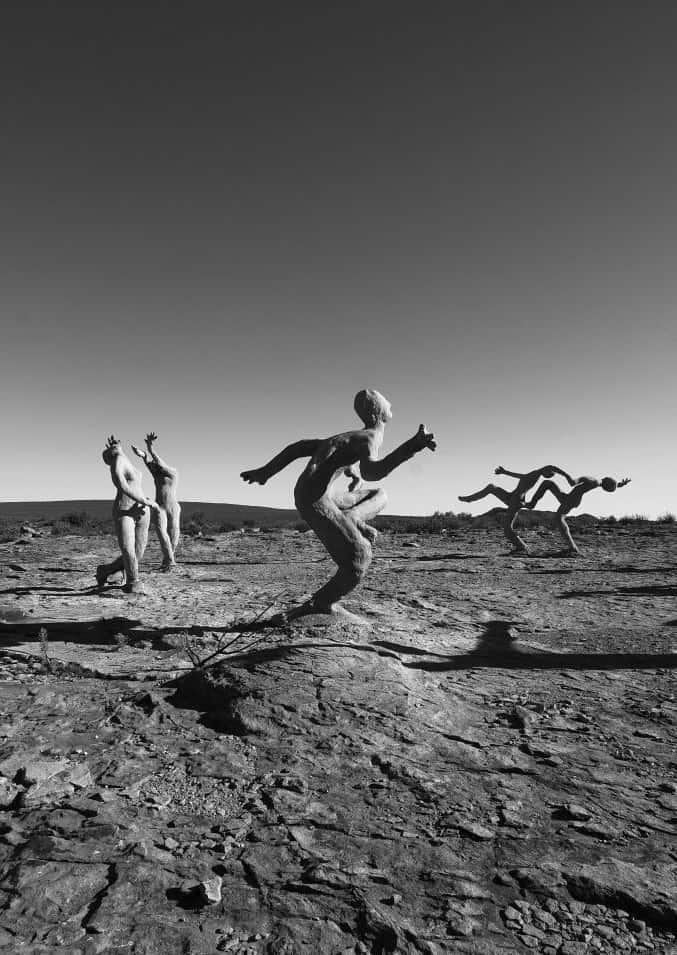
Life-size sculptures in the veld on a farm near Loxton. Image: Karoo Space

We also love Nieu-Bethesda, Barrydale, Prince Albert, Willowmore, Steytlerville, Graaff-Reinet, Williston, Richmond, Victoria West, Calvinia, Port Nolloth, Springbok, Leliefontein, Brandvlei, Loxton, Matjiesfontein, Merweville, Middelpos, De Rust, Aberdeen, Jansenville and Uniondale. 

That’s our Top 22, but there are 79 more towns, villages, settlements and occupied railway sidings, each with its own special star.

What are the most underrated Karoo towns in your view?

That would be little Kalahari river towns along the Orange, from Upington to Keimoes, Kakamas, Kanon Eiland, Pella and Pofadder in the Northern Cape. Then into the Richtersveld, part of the Nama Karoo region, the little settlements like Khuboes, Lekkersing and Eksteenfontein.

The most underrated town? That’s a hard one, because there’s a different perfect Karoo town out there for everyone. We like Rietbron (between Beaufort West, Willomore and Aberdeen) as an underrated Karoo village. Also Vosburg in the Northern Cape — tiny, yet full of interesting people.

What has life after Country Life been like?

Life after Country Life has been very busy.

  • Rhodes University engages us on a freelance basis to write profiles on its researchers, and over the past 14 months we have written about and photographed 74 individuals;
  • We are travel writing and freelance journalism tutors with the SA Writers College – it’s an online teaching gig that has been a great journey over the past three years;
  • We’ve been writing Karoo stories for corporates interested in the hardy, can-do survivor spirit of the people of this region; and
  • Karoo Roads – Tales from South Africa’s Heartland is our new book which took most of the winter to write and edit. It’s been a true labour of love and, hopefully, the first in a large heritage series of books on the Karoo.

Describe ‘Karoo Roads’ in a nutshell. 

Jacques Rabie Karroo Theatrical Hotel
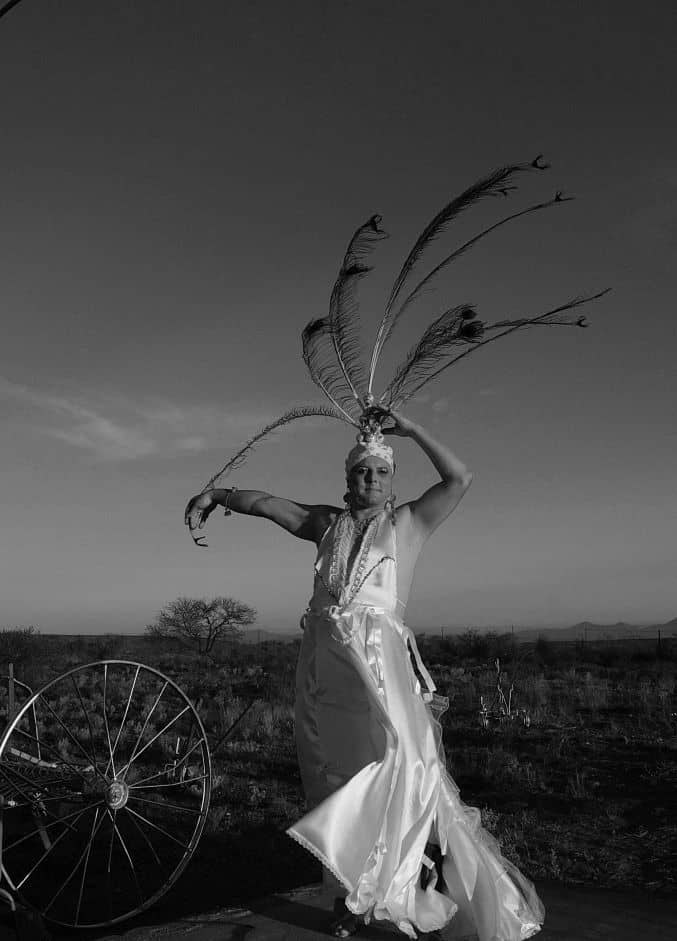
Jacques Rabie as Dame Leyla outside the Karroo Theatrical Hotel in Steytlerville. Image: Karoo Space

Here’s a quote from our foreword, which seems to describe it aptly:

Karoo Roads is a whisper from the past, a drink at a backyard bar in the middle of nowhere, an adventure with an ostrich, a night under the stars, a song in a village church hall, a round of golf with a Rastaman, a ghost in the fireplace, a battle with a blizzard and a walk in the veld with a wise old jackal hunter.

It is also a collection of some of our favourite Karoo stories, gathered over 20 years of rambling on dirt roads and forgotten highways, in snow and sunshine, on days that were good and bad but always memorable. 

Many of the characters in them, like Matjiesfontein’s David Rawdon, Outa Lappies of Prince Albert, Group Captain ‘Dutch’ Hugo of Pampoenpoort, Alfie Wewege of Port Nolloth and a slew of old-time steam train drivers from De Aar, have since passed on. But, in these pages, they live and breathe.

How long did you work on the book and what was the best part of putting it together?

steam train de aar
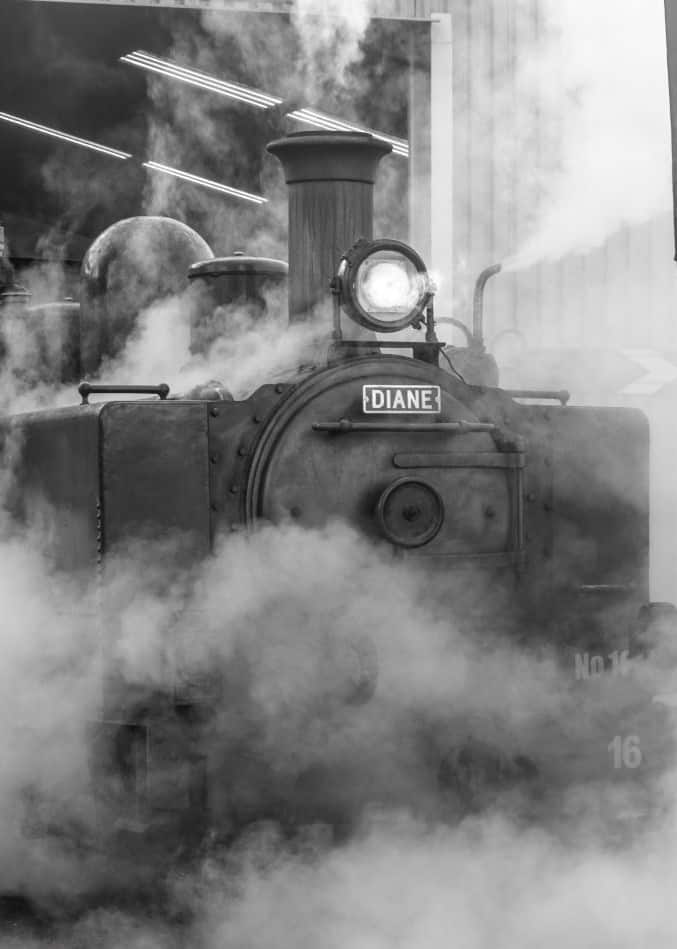
Nearly everything in De Aar once revolved around the steam locomotive. Image: Karoo Space

Karoo Roads has been 20 years in the making. We have a treasure chest of more than 300 narrative pieces that we choose from, occasionally expand, edit, update or simply preserve in amber as a one-off special experience.

Imagine you’re in a story kitchen with your editor’s apron on. Around you are 300 ingredients, in the form of published stories (some from Country Life, others from elsewhere), extensive travel journals (impeccably compiled by Julienne) and hundreds of thousands of images. Also old Karoo books. Lots of them, from all over the heartland, in the form of heavy tomes, light family histories, travel books and cook books.

Now you’re preparing a 25-course story meal: a bit of history, a touch of humour, a sprig of sadness, a dash of human interest, a dollop of road trip, a cup of heritage, a splash of festival, a slice of adventure and a big long glass of in-depth research. Add a ghost story, for pudding.

Since when has ‘Karoo Roads’ been available and what response have you had?

In August we said: “The book will come out in e-book format, and if you want a printed copy, then we need at least 500 orders to press the print button.”

Within three weeks we received more than 600 orders. This is the first time we have pre-sold an unborn book – normally we make a book, print it at our own expense and hope like hell it sells. 

Those orders allowed us to print up 3,000 copies. They arrived in mid-November and they are now flying to all corners of the Earth.

Would you like to single out one or two of the stories?

The most poignant experience was working with the Gift of the Givers over the past few years when they deliver water, feed and food to outpost communities hit by this killer drought. We’ve grown to know and deeply respect those guys, and it was a great honour to be able to include a chapter on their work here.

One of the funniest encounters is told in the Aberdeen Nights chapter. And one of the most valuable is a series of interviews with the retired old steam train drivers who came to settle in De Aar in the mid-1980s. In this book, they live again.

What’s next for the Karoo Space team? 

We are working on Karoo Roads II, which will be available in September 2021. For the rest, it’s the freelance hustle, telling the stories of the Karoo to whoever wants to pay us and listen.

Where is ‘Karoo Roads’ available?

Karoo Roads

We own and run karoospace.co.za  and it’s full of Karoo items of interest. It also has a print bookshop and an e-bookshop, where both formats of all our books can be ordered. Karoo Roads can also be ordered directly from us by emailing julie@karoospace.co.za.

DMCA.com Protection Status

Category: NewsTag: cradock, graaff reinet, hofmeyer, karoo, news
30 December 2020 by Guest

JUST IN | Four-truck collision death toll rises to three

The death toll has increased to three in the four-truck collision on the N10 between Cradock and Cookhouse on Thursday morning. The third body was discovered as rescue and recovery teams continued to clear the scene. The body was retrieved from the same truck where the first two bodies were discovered. The road remains closed …

The death toll has increased to three in the four-truck collision on the N10 between Cradock and Cookhouse on Thursday morning.

The third body was discovered as rescue and recovery teams continued to clear the scene.

The body was retrieved from the same truck where the first two bodies were discovered.

The road remains closed to traffic as recovery personnel try to clear the wreckage.

All heavy-duty vehicle were travelling from Cradock direction towards Port Elizabeth when the accident happened. It is alleged a truck in front of three others may have slowed down or hit breaks for which lead to a pile up.?

The actual cause of the accident is under investigation, but speeding and failure to maintain a safe after distance have been cited as main contributed factors for the accident.

DispatchLIVE

Category: NewsTag: cradock, news, online, south africa
30 December 2020 by Guest

SA moves to adjusted Level 3 lockdown

President Cyril Ramaphosa has announced that South Africa will, from today at midnight, move from level 1 back to an adjusted Level 3 of lockdown in intensified efforts to curb the spread of the COVID-19 virus. He says new infections are rising at “alarming and unprecedented manner.” Since Christmas Eve, there have been more than …

President Cyril Ramaphosa has announced that South Africa will, from today at midnight, move from level 1 back to an adjusted Level 3 of lockdown in intensified efforts to curb the spread of the COVID-19 virus. He says new infections are rising at “alarming and unprecedented manner.”

Since Christmas Eve, there have been more than 50 000 new positive COVID-19 cases in the country.

Ramaphosa: We can, we will and we must defeat this pandemic. This New Year’s Eve, instead of parties or lightning fireworks, let us light a candle for all those who have lost their lives to the virus #sabcnews #level5

— Taliesha Naidoo (@Taliesha_Naidoo) December 28, 2020

Addressing the nation, Ramaphosa identified KwaZulu-Natal, Western Cape, Gauteng, and Eastern Cape as leading the new cases.

Limpopo is also seeing a significant increase in infections.

The president has announced the adjusted Level 3 regulations.

“Under the adjusted Level 3 regulations: All indoor and outdoor gatherings will be prohibited for 14 days from the date hereof, except for funerals and other limited exceptions as detailed in the regulations, such as restaurants, museums, gyms, and casinos.”

The curfew has also been extended.

“The nationwide curfew will be extended from 9pm to 6am. Apart from permitted workers and for medical and security emergencies, nobody is allowed outside their place of residence during the curfew.”

South Africa is at Alert #Level3: Extended #Curfew #StaySafe pic.twitter.com/ERn5WEiEfl
— Presidency | South Africa ?? (@PresidencyZA) December 28, 2020

The new regulations will also see non-essential establishments closing earlier.

“Non-essential establishments – including shops, restaurants, bars, and all cultural venues – must close at 8pm. The list of these establishments will be released shortly.”

The sale of alcohol has again been banned until January 15.

“Night clubs and businesses engaged in the sale and transportation of liquor will not be allowed to operate. The Level 3 restrictions will remain in place until 15 January 2021. These measures will be reviewed at that time on the basis of the state of the pandemic in the country.”

To curb the spread of the virus, President Ramaphosa says those who do not wear masks will be punished.

“From now on, it is compulsory for every person to wear a mask in a public space. A person who does not wear a cloth mask covering over the nose and mouth in a public place will be committing an offence. A person who does not wear a mask could be arrested and prosecuted. On conviction, they will be liable to a fine or to imprisonment for a period not exceeding six months or to both a fine and imprisonment.”

More areas have been declared hotspots.

“In the Western Cape, the West Coast District, Overberg District, Winelands District, Cape Town, Central Karoo District are hotspots. This is in addition to the Garden Route District.”

South Africa is at Alert #Level3: New coronavirus #hotspots declared #StaySafe pic.twitter.com/gztrqzi48q

— Presidency | South Africa ?? (@PresidencyZA) December 28, 2020

President Cyril Ramaphosa’s address:

New Level 3 lockdown adjustments:

Lockdown:
SA moves from Level 1 back to Level 3 of the lockdown

Curfew:
The curfew has been extended from 9am to 6am.

Alcohol:
Alcohol sales from retail outlets will not be permitted
On-site consumption of alcohol will not be permitted
No consumption of alcohol in public spaces, including parks and beaches

Masks:
Not wearing a mask is considered an offence, with the possibility of fine, imprisonment or both.

Gatherings:
All indoor and outdoor gatherings are prohibited for the next 14 days, except for funerals and other limited exceptions.

Category: NewsTag: cradock, graaff reinet, hofmeyer, karoo, news
29 December 2020 by Guest

Remembering some of those for whom the bell tolled during 2020

Illustrative image | Sources: South African photographer George Hallett. (Photo: Mary-Ann Daniels) / Football icon Diego Maradona. (Photo by Gallo Images/City Press/Leon Sadiki) / Anti-apartheid activist Denis Goldberg. (Photo: Leila Dougan) / Advocate George Bizos. (Photo: Gallo Images / Jon Hrusa) / Anti-apartheid activist and ANC veteran Andrew Mlangeni. (Photo: EPA/ANDREW GOMBERT) / US actor …


Illustrative image | Sources: South African photographer George Hallett. (Photo: Mary-Ann Daniels) / Football icon Diego Maradona. (Photo by Gallo Images/City Press/Leon Sadiki) / Anti-apartheid activist Denis Goldberg. (Photo: Leila Dougan) / Advocate George Bizos. (Photo: Gallo Images / Jon Hrusa) / Anti-apartheid activist and ANC veteran Andrew Mlangeni. (Photo: EPA/ANDREW GOMBERT) / US actor Chadwick Boseman. (Photo: EPA-EFE/NINA PROMMER) / Los Angeles Lakers guard Kobe Bryant. (Photo: EPA/TANNEN MAURY) / Mexican chemical engineer Mario Molina. (Photo: EPA/CHEMA MOYA) / Musician Manu Dibango. (Photo: ANTONIO MUCHAVE) / Ruth Bader Ginsburg. (Photo: Andrew Harrer/Bloomberg via Getty Images) / NASA research mathematician Katherine Johnson. (Photo: EPA-EFE/NASA)

Death has hung heavily over 2020. Here we pay tribute to some well-known people who died this year

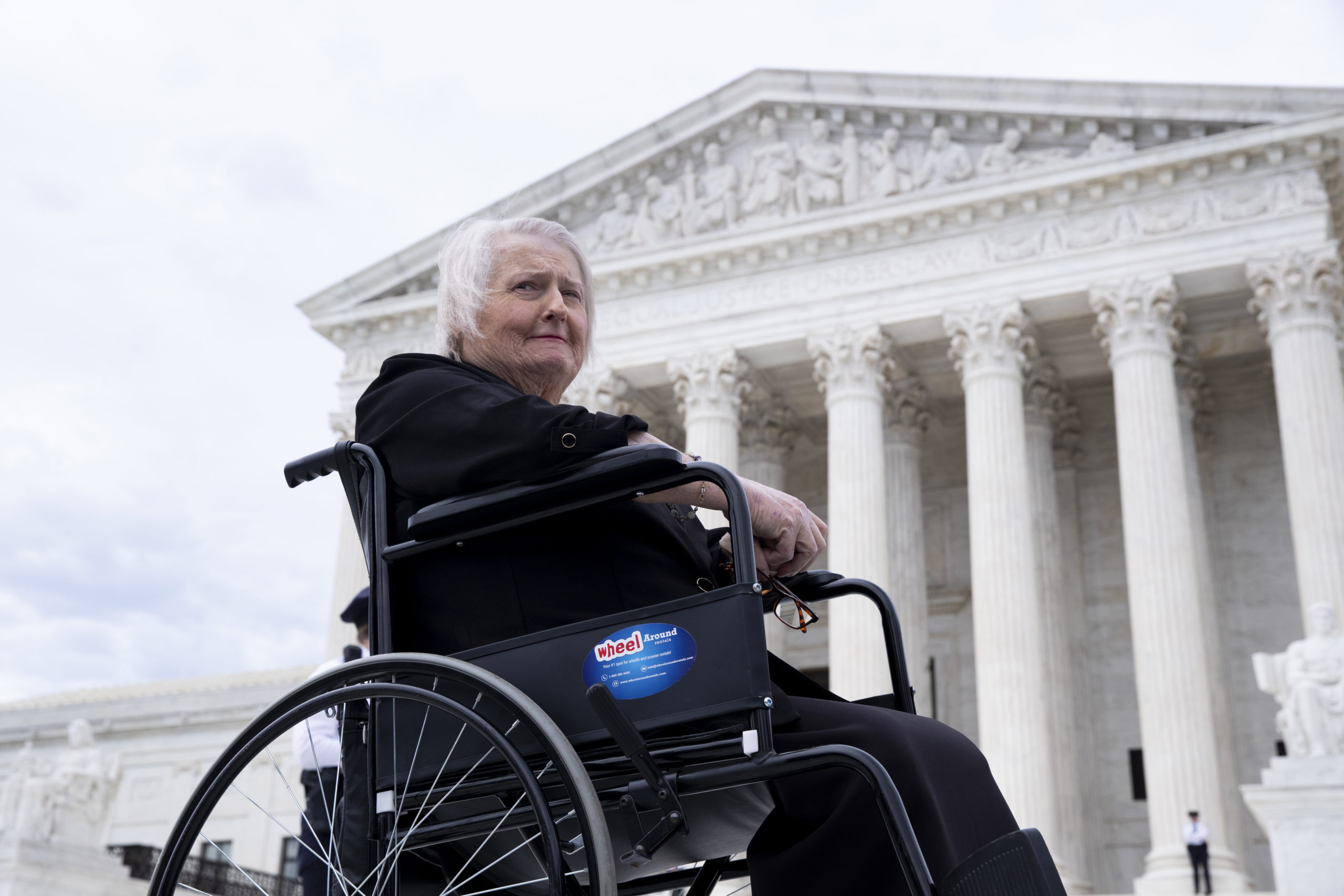
Aimee Stephens (7 December 1960 – 12 May 2020)

Aimee Stephens. (Photo: EPA-EFE/MICHAEL REYNOLDS)

American transgender activist Aimee Stephens was fired from her job in 2013 when she told her boss that she planned to transition to female. She then sued the former employer for sex discrimination. The case was the first major transgender rights case to receive a full hearing in the US Supreme Court, in 2019. One month after her death, the Supreme Court ruled that federal law prohibits employment discrimination against LGBTQ workers.

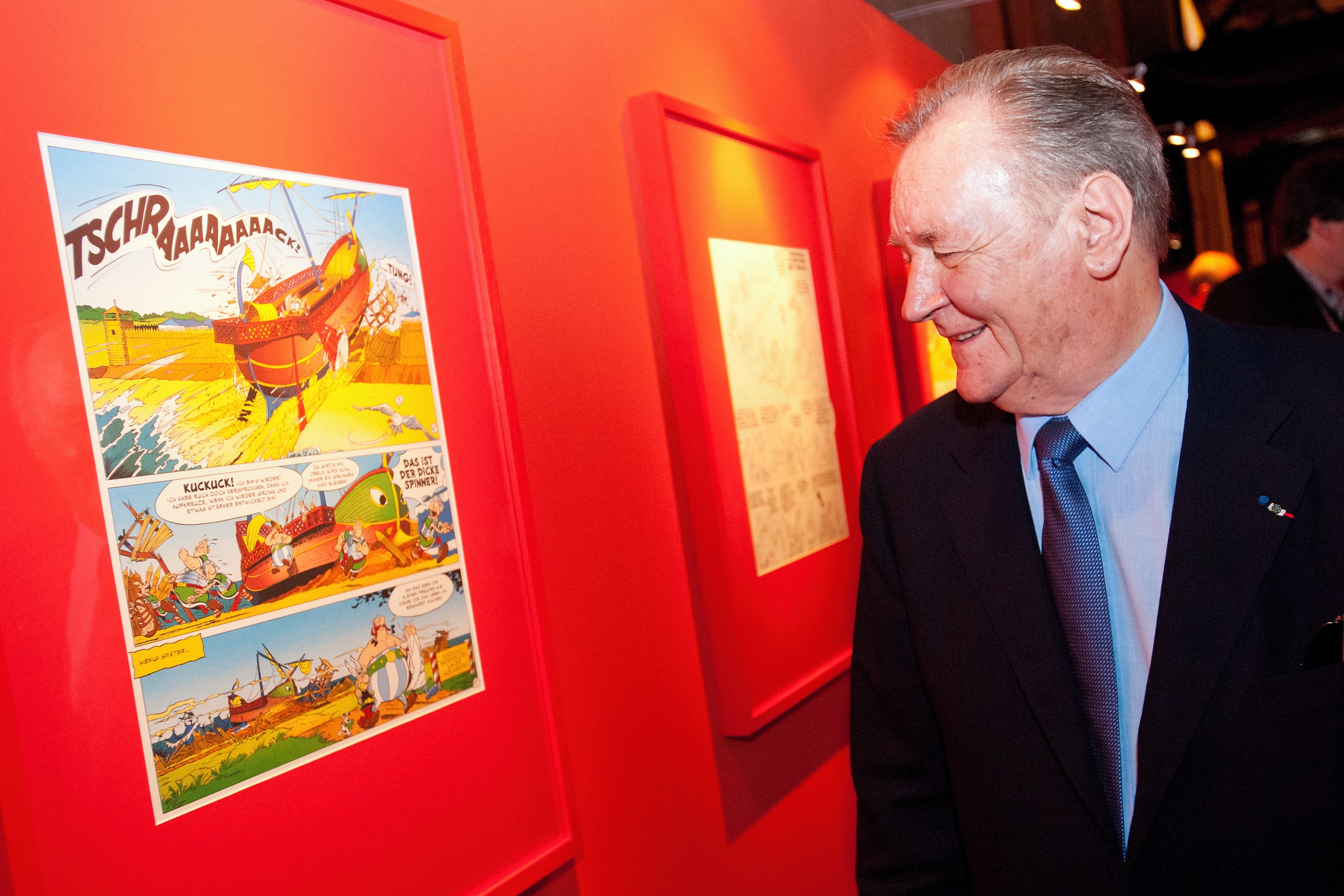
Albert Uderzo (25 April 1927 – 25 March 2020)

French cartoonist Albert Uderzo visits the exhibition ‘Asterix and the Celts’ at Voelklinger Huette in Voelklingen, Germany, 24 May 2012 (reissued 24 March 2020). Albert Uderzo died at the age of 92, his family announced on 24 March 2020. EPA-EFE/OLIVER DIETZE GERMANY OUT GERMANY OUT

Legendary French illustrator Albert Uderzo was the co-creator and writer of the much-loved comic books featuring the exploits of Asterix the Gaul. He created the famous stories  – about the adventures of Gaulish warriors fighting the Roman Empire – with his friend René Goscinny from 1959 onwards. The books have sold 370 million copies worldwide, in dozens of languages, and several stories have been turned into cartoons and feature films. His legacy continues as the series runs on under new ownership.

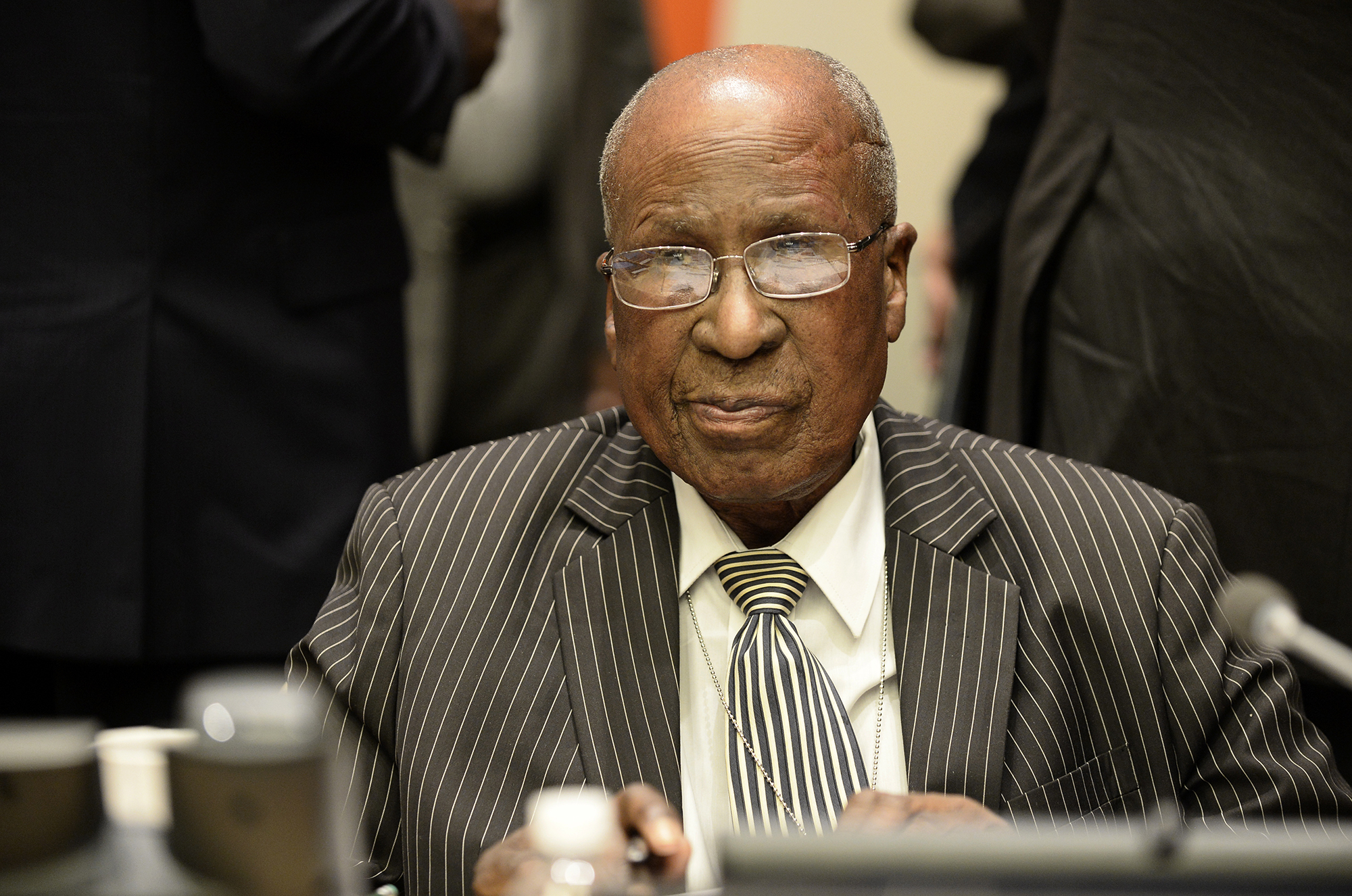
Andrew Mlangeni (6 June 1925 – 21 July 2020)

Anti-apartheid activist Andrew Mlangeni. (Photo: EPA/ANDREW GOMBERT)

Mlangeni was a South African political activist and anti-apartheid campaigner who, along with Nelson Mandela and others, was imprisoned at the end of the famous Rivonia Trial. He spent 27 years in prison on Robben Island. After his release in 1989 and South Africa’s first democratic elections in 1994, Mlangeni served in Parliament from 1994 to 2004, and then again as a member of the National Assembly from 2009 until 2014, after which he retired.

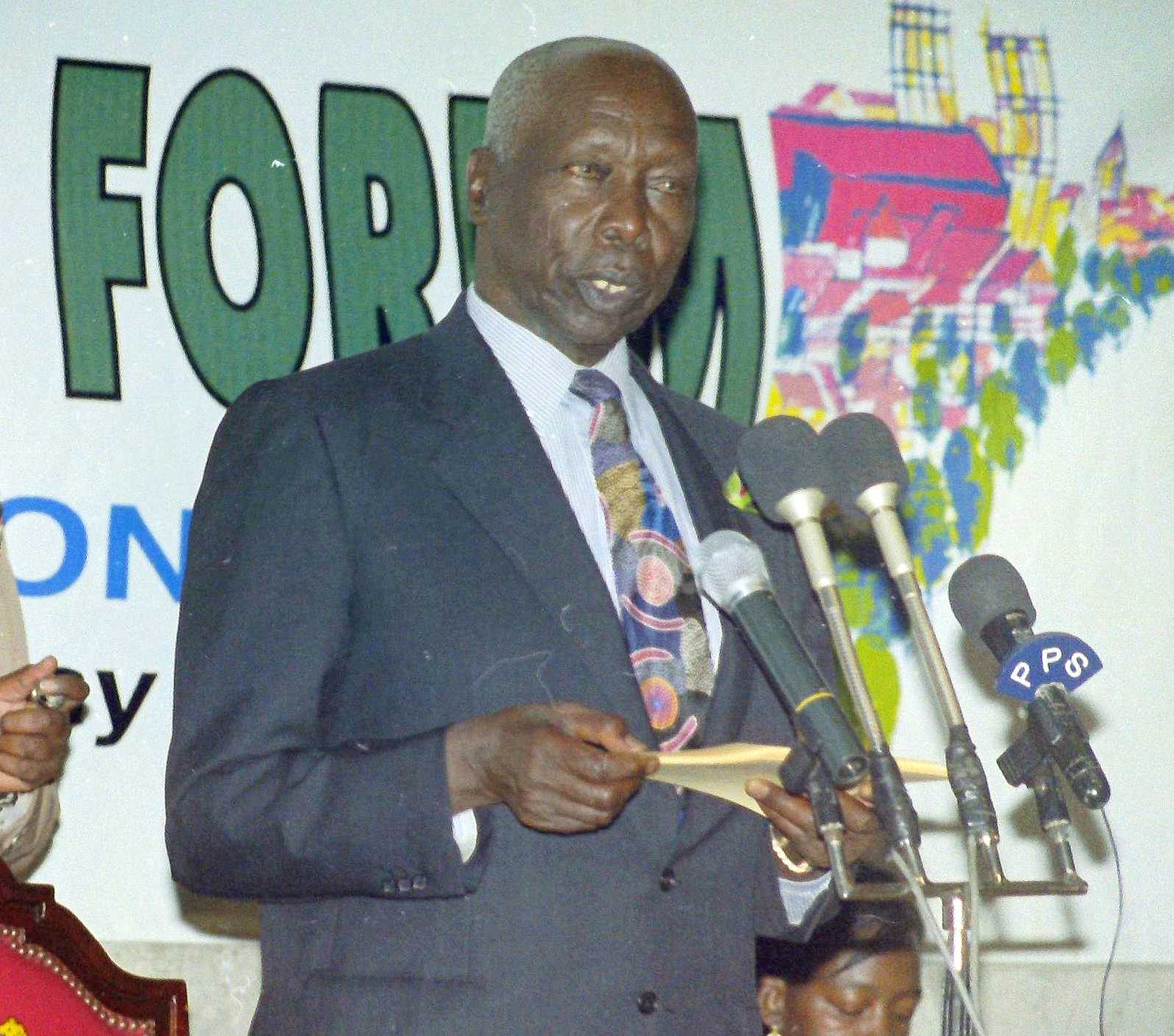
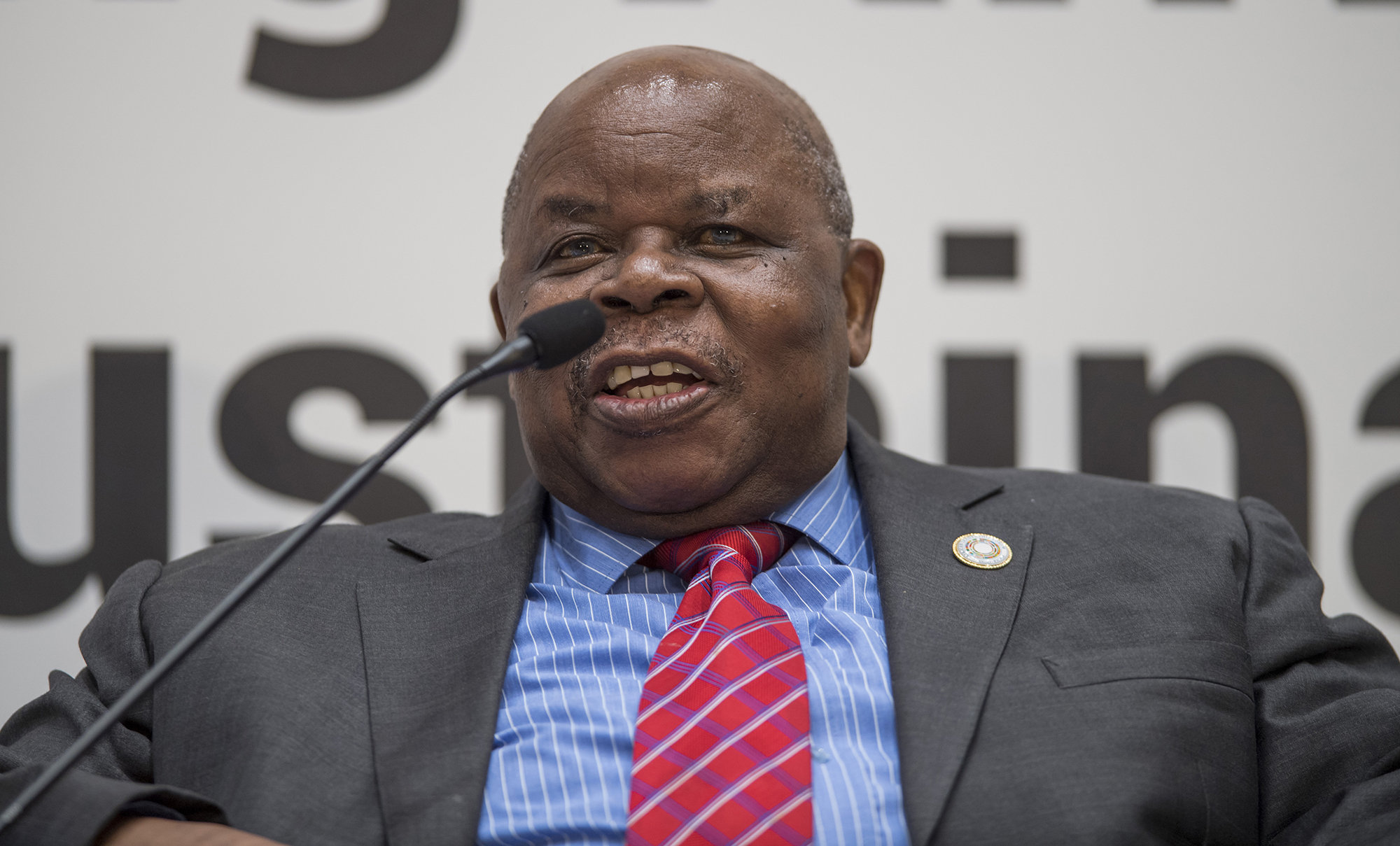
Daniel arap Moi (2 September 1924 – 4 February 2020)

The second president of the Republic of Kenya Daniel Toroitich Arap Moi. (Photo: Flickr / UN-Habitat/Nation media group)

Former Kenyan president Daniel arap Moi was an autocratic leader who ruled for more than 20 years. He succeeded in keeping Kenya relatively stable compared with many of its neighbouring countries at the time, working for regional peace. However, the economy regressed under his watch and he failed to tackle intensifying poverty and widespread corruption.

Benjamin Mkapa (12 November 1938 – 24 July 2020)

Former President of Tanzania Benjamin Mkapa, 2 August 2018. (Photo: Flickr)

A former president of Tanzania, Benjamin Mkapa was committed to fighting AIDS and is credited with much of the country’s success in its response to HIV. In 1999, he declared HIV a national disaster and spearheaded the country’s national response by establishing the Tanzania Commission for AIDS. He also formed the Tanzania Parliamentarians AIDS Coalition (TAPAC) in 2001, which united high-level politicians in responding to the disease.

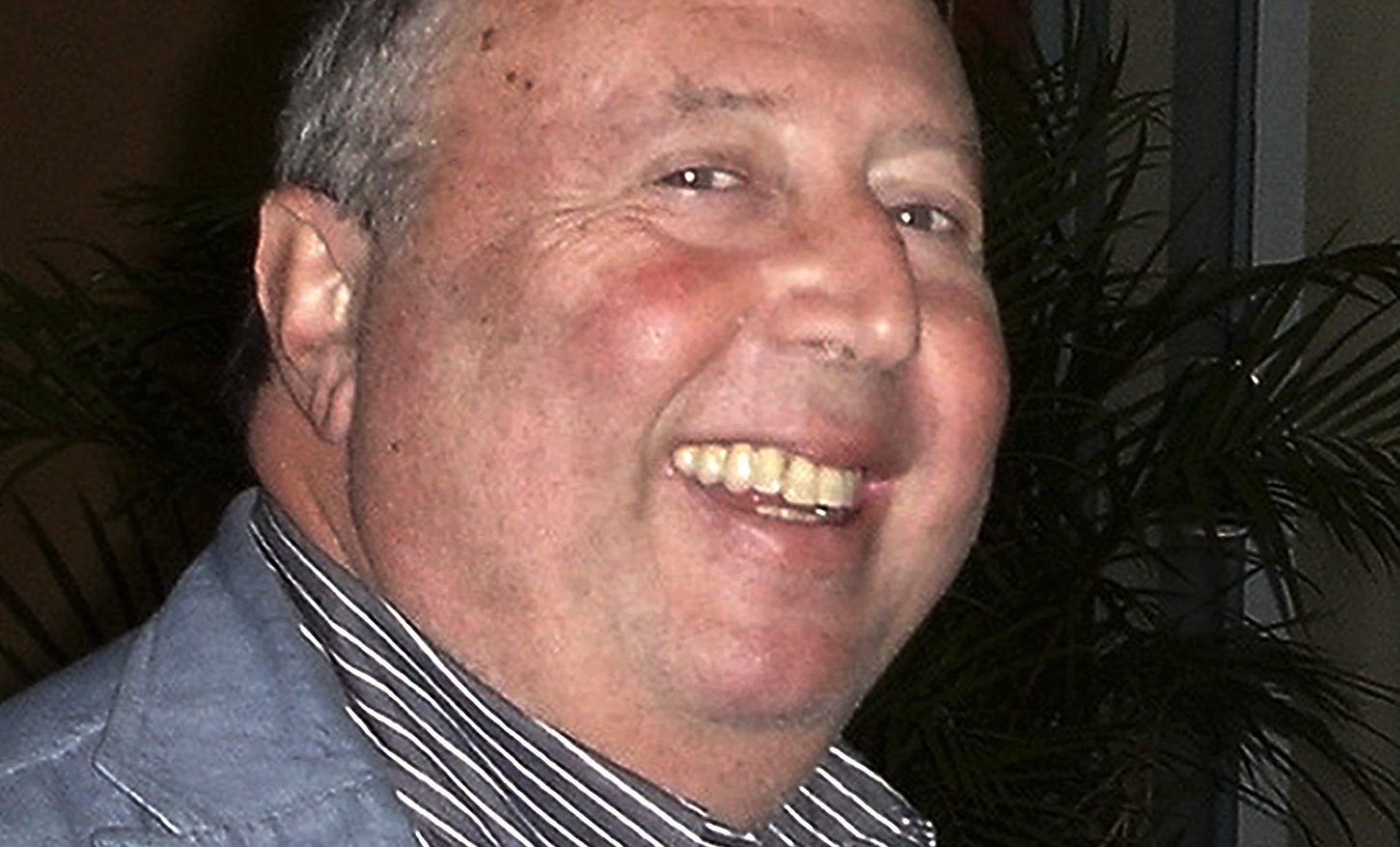
Bill Freund (6 July 1944 – 17 August 2020)

Bill Freund in 2006. (Photo: Robert Morrell)

Described as one of the grandmasters of South African economic historiography, Willian (Bill) Freund he was a remarkable and prolific scholar. He was a professor emeritus of economic history at the University of KwaZulu-Natal and his research interests included African urban history and African and South African political economy and economic history. He had just finished work on his autobiography, Bill Freund: An historian’s passage to Africa, which is due to be published in May 2021 by Wits University Press.

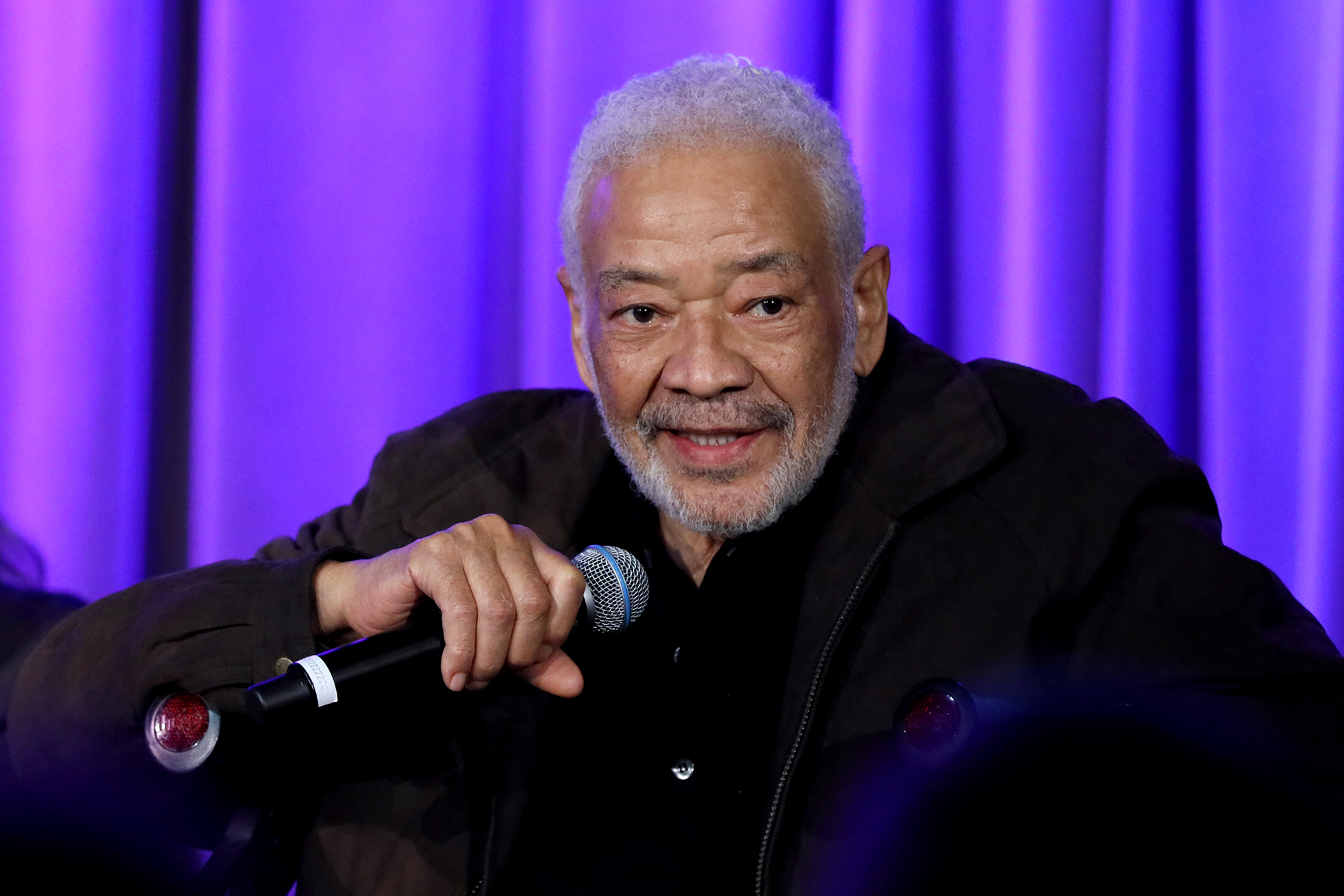
Bill Withers (4 July 1938 – 30 March 2020)

Bill Withers speaks at the GRAMMY Museum on February 24, 2020 in Los Angeles, California. (Photo: Rebecca Sapp/Getty Images for The Recording Academy )

Three-time Grammy winner Bill Withers released just eight albums before walking away from the spotlight in 1985, but he left an indelible mark on the music community and the world at large. Songs like “Lean On Me”, “Grandma’s Hands”, “Use Me”, “Ain’t No Sunshine” and “Lovely Day” are part of Western popular culture and have been covered many times, by musicians such as Adam Levine and Shawn Mendes, among others. While many of his biggest hits were first recorded in the 1970s, they have proven to be timeless favourites.

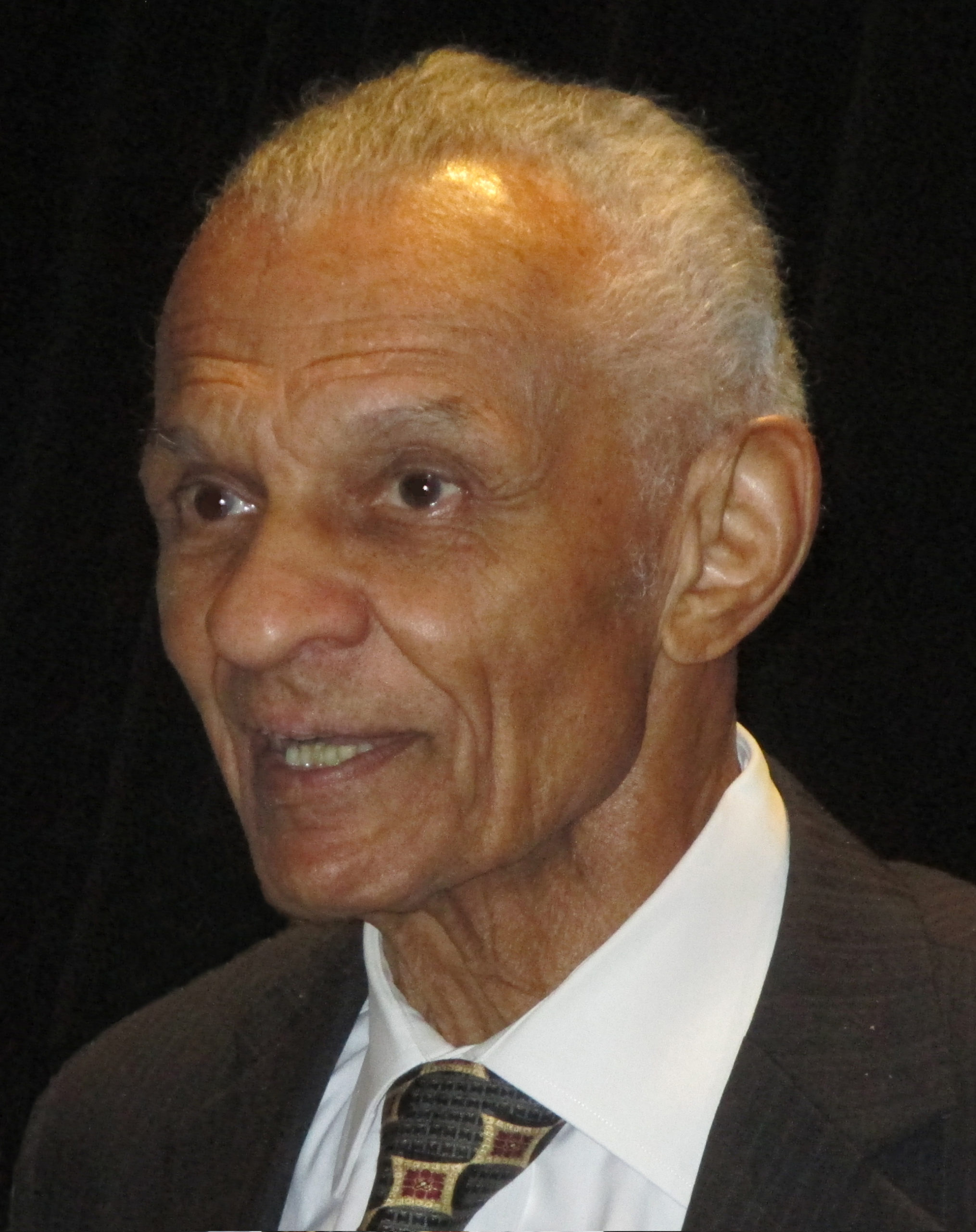
CT Vivian (30 July 1974 – 17 July 2020)

Civil rights activist C.T. Vivian. (Photo: Wikimedia)

Reverend Cordy Tindell (CT) Vivian was an American civil rights activist. He worked alongside Martin Luther King Jr and later led the Southern Christian Leadership Conference. Vivian was active in sit-in protests in Peoria, Illinois, in the 1940s and met King during the 1955 Montgomery bus boycott — a demonstration spurred by Rosa Parks’s refusal to give up her seat to a white passenger. Vivian became an active early member of the group that eventually became the Southern Christian Leadership Conference.

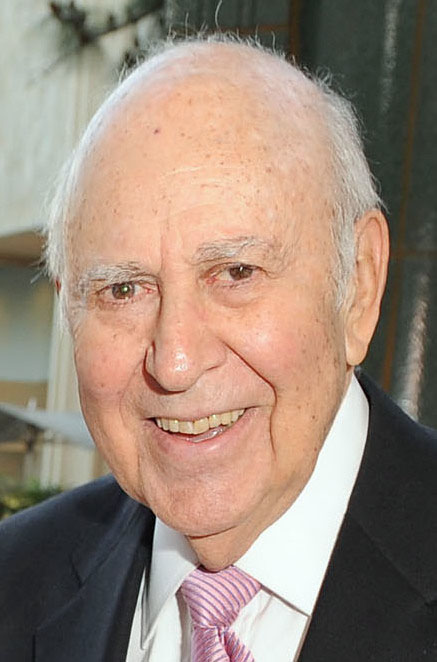
Carl Reiner (20 March 1922 – 29 June 2020)

Carl Reiner (Photo: George Pimentel/Wikimedia)

Carl Reiner was an American writer, producer, director and actor who was part of Sid Caesar’s legendary team and went on to create The Dick van Dyke Show on television Reiner, the father of filmmaker and activist Rob Reiner, won nine Emmy awards, including five for The Dick van Dyke Show. His most popular films as a director included Oh God, starring George Burns, in 1977; The Jerk, with Steve Martin, in 1979; and All of Me, with Martin and Lily Tomlin, in 1984. In later years, Reiner was an elder statesman of comedy, revered and respected for his versatility as a performer.

Chadwick Boseman (29 November 1976 – 28 August 2020)

US actor/cast member Chadwick Boseman arrives for the European premiere of ‘Black Panther’ at the Hammersmith Apollo in London, Britain, 08 February 2018. The latest instalment of the Marvel Cinematic Universe will be released in UK cinemas on 12 February. EPA-EFE/WILL OLIVER

Actor Chadwick Boseman came to prominence playing real-life figures — baseball great Jackie Robinson in 2013’s 42 and soul singer James Brown in 2014’s Get on Up. However, his leading role in the Marvel superhero movie Black Panther is what he will be most remembered for. Boseman’s untimely death shocked the world. The impact Black Panther and Boseman had on culture cannot be overstated. The film was the first superhero movie to be nominated by the US Motion Picture Academy for its Best Picture Award — and earned six other nominations and won three. Boseman presented to the world an image of a powerful and thoughtful black man, the leader of a thriving African nation and a superhero willing to race into whatever battle he felt was worth fighting, no matter the odds. Accepting a Screen Actors’ Guild Award in 2019, Boseman said the film had changed what it meant to be “young, gifted and black”.

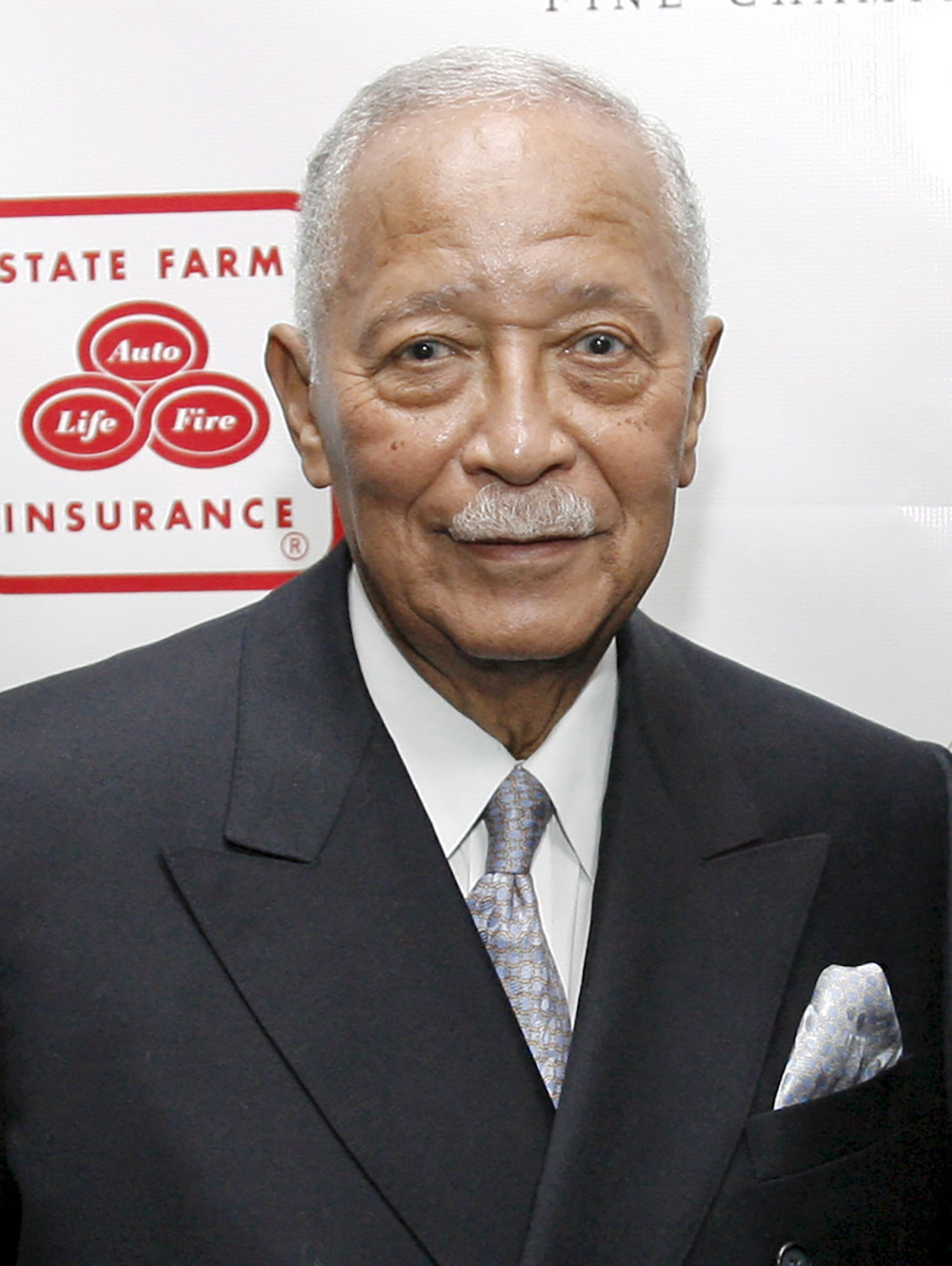
David Dinkins (10 July 1927 – 23 November 2020)

New York City’s first Black mayor David Dinkins. EPA/PETER FOLEY

The first African-American mayor of New York City, David Dinkins was elected in 1989 after two high-profile racially charged cases had played out under the previous mayoral stint of Ed Koch. Early in Dinkins’s administration, a newly freed Nelson Mandela made New York City his first stop in the US, in 1990. Dinkins had been a long-time outspoken critic of apartheid in South Africa.

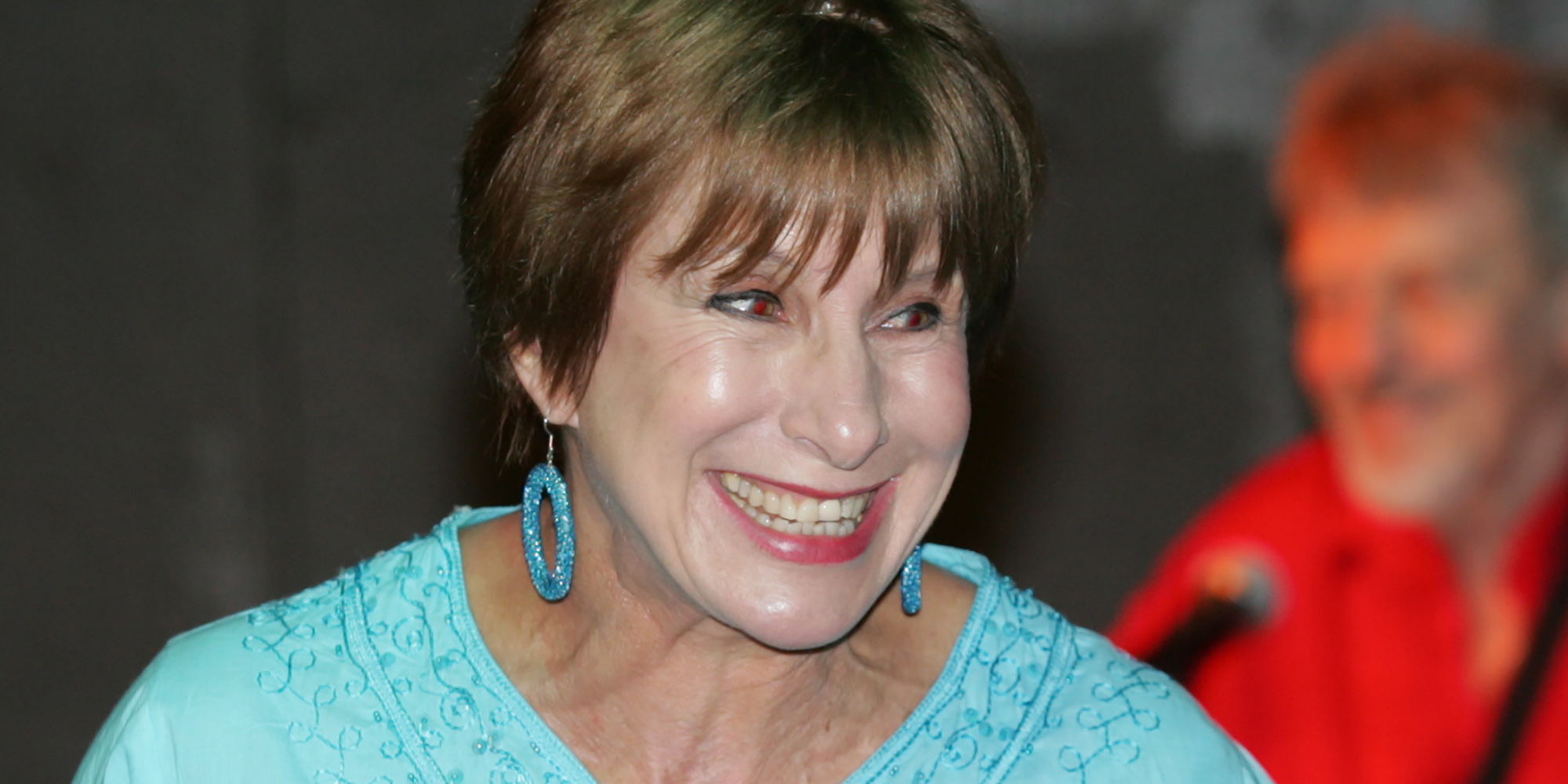
Dawn Lindberg (14 April 1945 – 7 December 2020)

Entertainers extraordinare, Des and Dawn Lindberg entertain children from Nazareth house, for children with HIV/AIDS or orphaned by AIDS, at the Baxter theatre in Cape Town. South Africa. 15 November 2005. (Photo: Gallo Images)

Dawn Lindberg was founder and chief executive of the Naledi Theatre Awards, one of the biggest and most prestigious theatre awards in South Africa. With a career spanning over five decades as a singer, actress and theatre director, Lindberg started out in show business after graduating in fine arts from Wits University in the early 1960s. In 1962 she met her husband and long-time partner in music and theatre, Des, and they formed the folk duo Des Dawn. In 1973 the couple staged the musical Godspell, a groundbreaking multiracial show in South Africa.

Denis Goldberg (11 April 1933 – 29 April 2020)

Denis Goldberg. (Photo: EPA-EFE / Nic Bothma)

Denis Goldberg was a lifelong supporter of the ANC and became a member of the armed wing, Umkhonto we Sizwe, when it was formed in 1961. Goldberg was the only white defendant to be convicted alongside Nelson Mandela and others in 1964 for resisting apartheid. He spent 22 years in prison. On his release in 1985, he went into exile in the UK, but returned home to South Africa after the abolition of apartheid. In later years, he was a critic of the corruption that came to define much of Jacob Zuma’s presidency of South Africa.

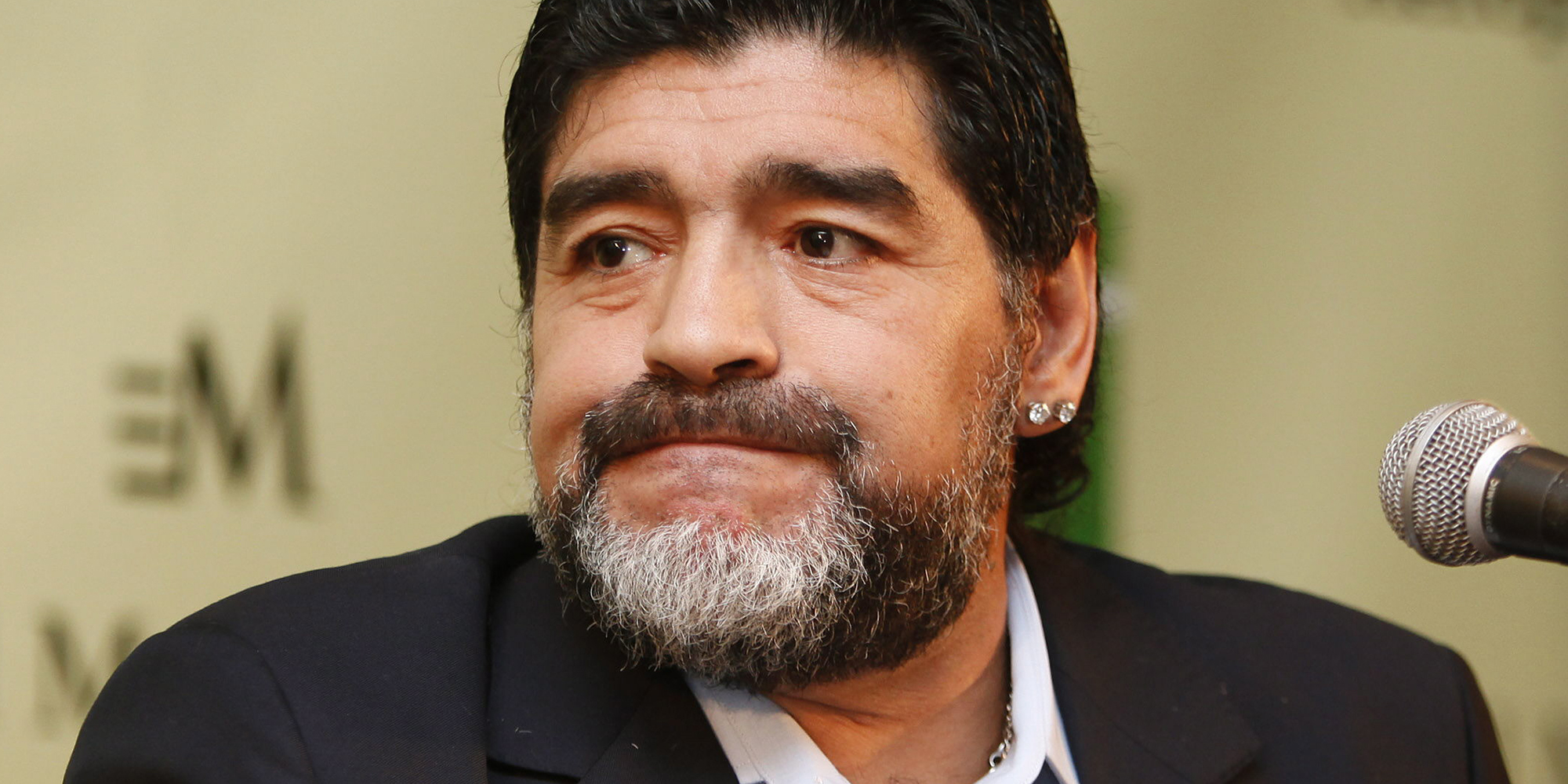
Diego Armando Maradona (30 October 1960 – 25 November 2020)

Former Argentinean national soccer team head coach, Diego Armando Maradona, addresses a press conference in Buenos Aires, Argentina, 28 July 2010, reading a statement saying that he was disposed to “keep going ahead” on his charge but he accused the President of the Argentinean Soccer Association (AFA), Julio Grondona, of being a “liar”, and manager Carlos Bilardo of being a “betrayer”. EPA/LEO LA VALLE

Argentinian soccer player Diego Maradona is generally regarded as the top footballer of the 1980s and one of the greatest of all time. Renowned for his ability to control the ball and create scoring opportunities for himself and his team, he led club teams to championships in Argentina, Italy and Spain and he starred in the Argentine national team that won the 1986 World Cup.

Dr Victor Bernard Holland (28 March 1943 – 19 April 2020)

Dr Victor Bernard Holland. (Photo: Chris Anderson)

South African physician Dr Victor Holland grew up in the years just before the start of National Party rule and apartheid. Mark Heywood writes that “his life and profession as a doctor was blighted by racism and inequality but it also forged a life-long approach to equality in medicine and health”. Holland was rejected by Wits University’s medical school as he was classified as “non-white” and completed a BSc degree at Bellville College (now the University of the Western Cape), the institute of higher learning set aside for “coloured” people. In 1963, he was accepted at the medical faculty of the otherwise largely racially segregated University of Natal (now the Nelson Mandela School of Medicine). As a physician, Holland spent many decades as head of general medicine wards at Coronation Hospital and Helen Joseph Hospital. He developed a specialisation in gastroenterology.

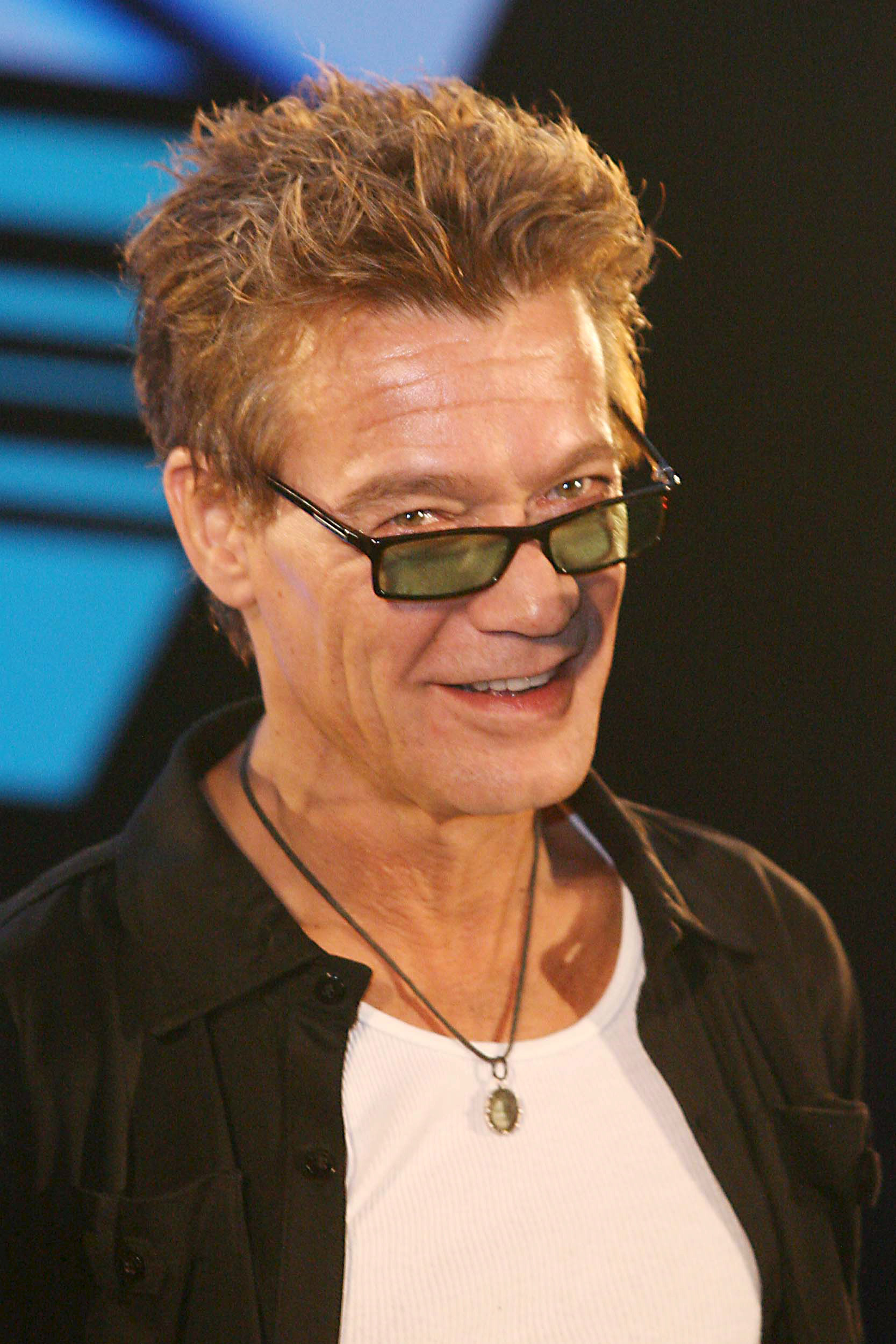
Eddie van Halen (26 January 1955 – 6 October 2020)

Eddie Van Halen of US rock band Van Halen smiles during a press conference in Los Angeles, California, USA, 13 August 2007. (Photo: EPA/SEAN MASTERSON)

Pioneering guitar player Eddie van Halen’s hard-rock band emerged from the Sunset Strip music scene in Los Angeles in the early 1970s to stand at the top of rock ’n’ roll for a decade. Van Halen was born in Amsterdam in the Netherlands on 26 January 1955 and studied classical piano after moving to the US in the 1960s. After switching to guitar, he and his older brother Alex, who took up the drums, formed bands that would eventually become Van Halen in the mid-1970s, with lead singer Roth and bassist Michael Anthony.

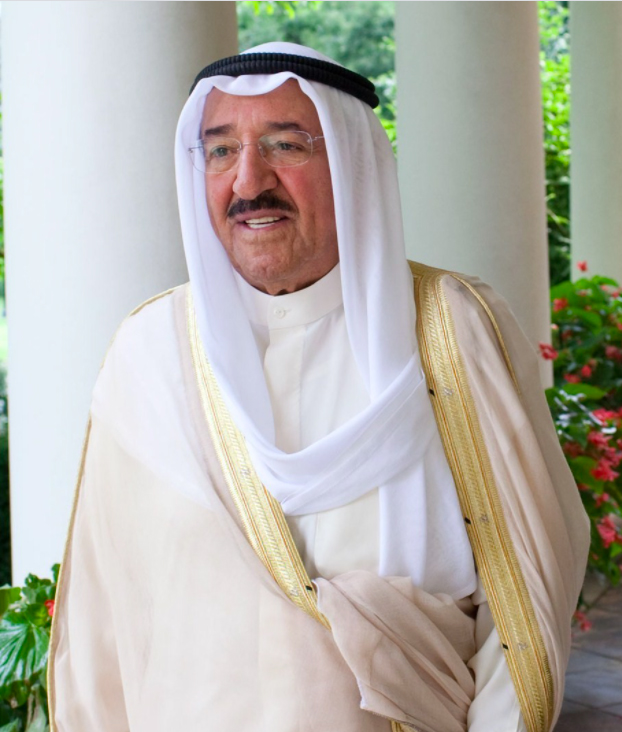
Emir Sheikh Sabah al-Ahmad al-Sabah (16 June 1929 – 28 September 2020)

Emir Sheikh Sabah al-Ahmad al-Sabah. (Photo: Wikimedia)

Emir Sheikh Sabah al-Ahmad al-Sabah ruled the oil-rich Gulf Arab state Kuwait from 2006 and oversaw its foreign policy for more than 50 years. He was dubbed “The dean of Arab diplomacy” for his efforts to restore relations with states that backed Iraq during the 1990-1991 Gulf War, when Kuwait was invaded by Iraqi forces. The emir also often acted as a mediator in regional disputes, including the ongoing diplomatic stand-off between Saudi Arabia and its allies and Qatar.

Fikile Ntshangase (1955 – 22 October 2020)

Murdered Activist Fikile Ntshangase. (Photo: Centre for Environmental Rights)

South African environmental and anti-mining activist Fikile Ntshangashe was the vice-chairperson of a sub-committee of the Mfolozi Community Environmental Justice Organisation (MCEJO). MCEJO has been challenging in court the further expansion of a large coal mine at Somkhele in KwaZulu-Natal by Tendele Coal Mining. It has been alleged that Ntshangashe was assassinated because of her ongoing fight against the mining activities.

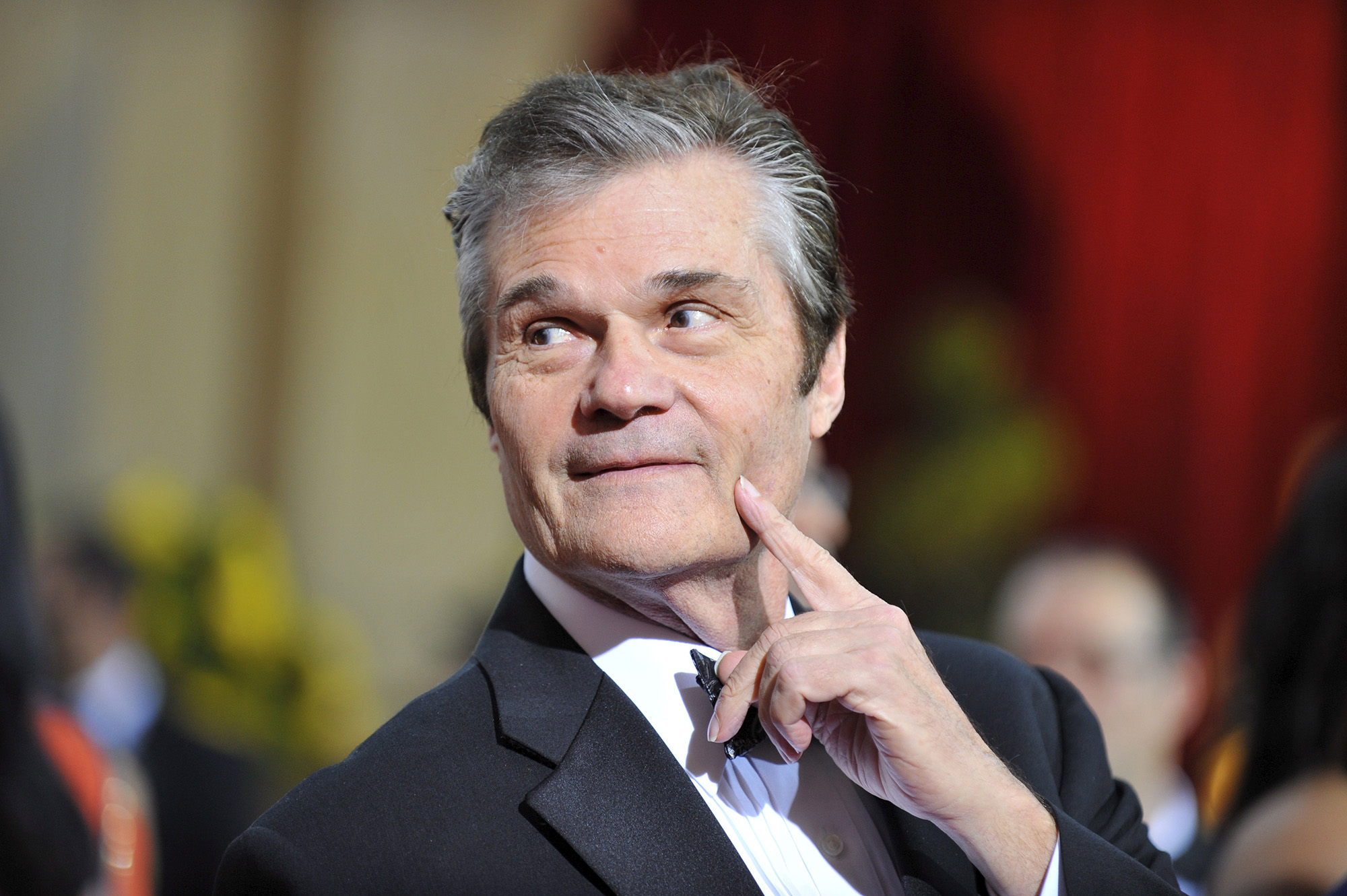
Fred Willard (18 September 1933 – 15 May 2020)

US actor Fred Willard in Hollywood, California, USA, 22 February 2009. (Photo: EPA/PAUL BUCK)

Prolific comic actor and master of mockumentaries, Fred Willard starred in Modern Family, Everybody Loves Raymond, Waiting for Guffman and This Is Spinal Tap. Willard was nominated four times for Emmy Awards, three of them (in 2003, 2004 and 2005) for playing Hank in the television series Everybody Loves Raymond and the fourth in 2010 for his recurring role as Frank Dunphy in Modern Family. Willard’s character received a loving send-off during Modern Family’s final season with a January 2020 episode that revealed his death.

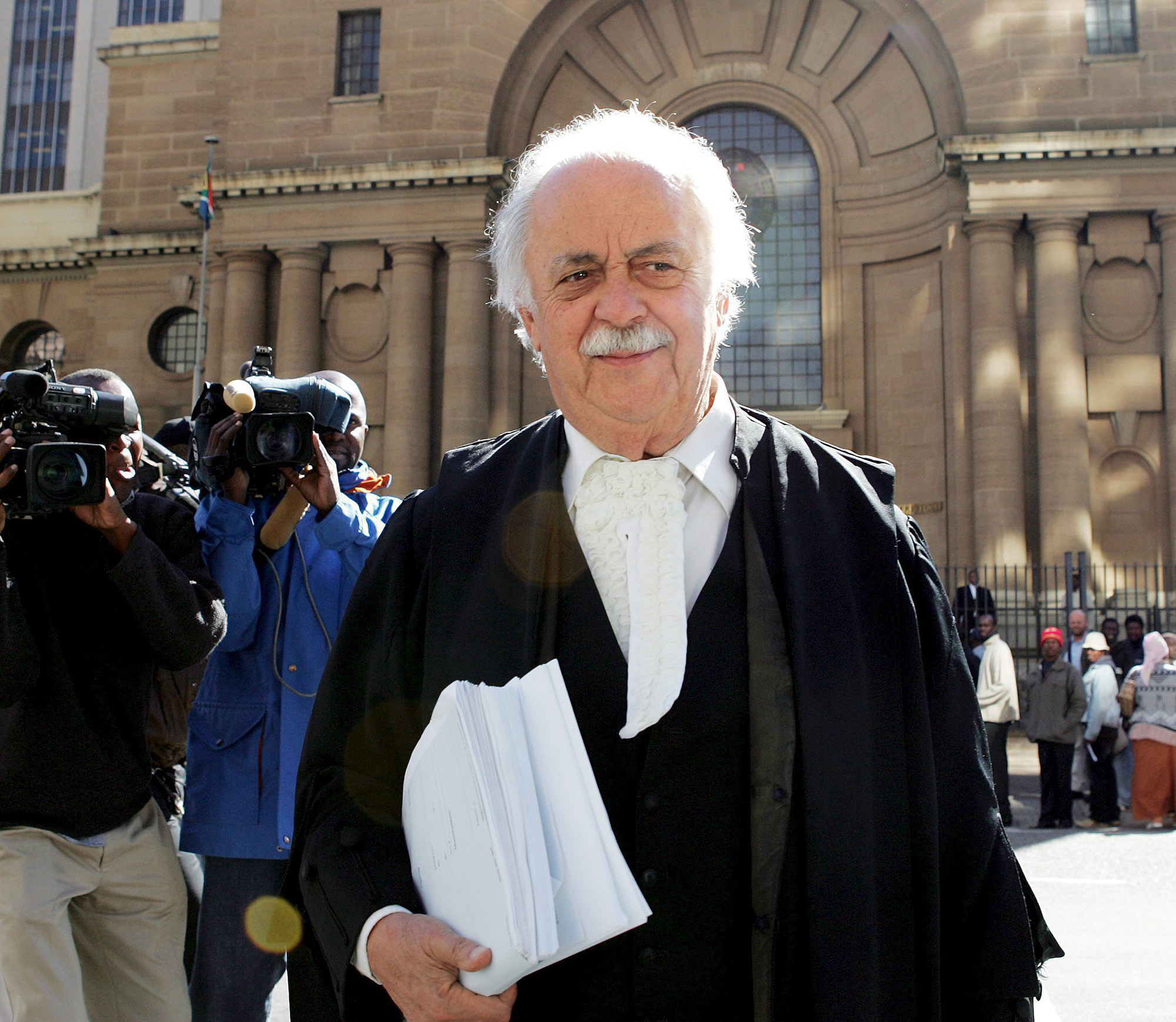
George Bizos (14 November 1927 – 9 September 2020)

Advocate George Bizos, legal advisor to former South African President Nelson Mandela, leaves the Johannesburg High Court in Johannesburg, South Africa, Tuesday 31 May 2005. (Photo: EPA/JON HRUSA)

South African lawyer George Bizos played a critical role through the years of Nelson Mandela’s incarceration, both professionally and as a family friend. The Nelson Mandela Foundation reported that Mandela said Bizos had “behaved like a brother” to him while he was in jail. “He looked after my family, after my children, advised my children and he made me feel that, although I’m in prison, my affairs are being looked after by a man I know and trust.” Bizos was also a vital conduit for messages between Mandela and the external ANC leadership.

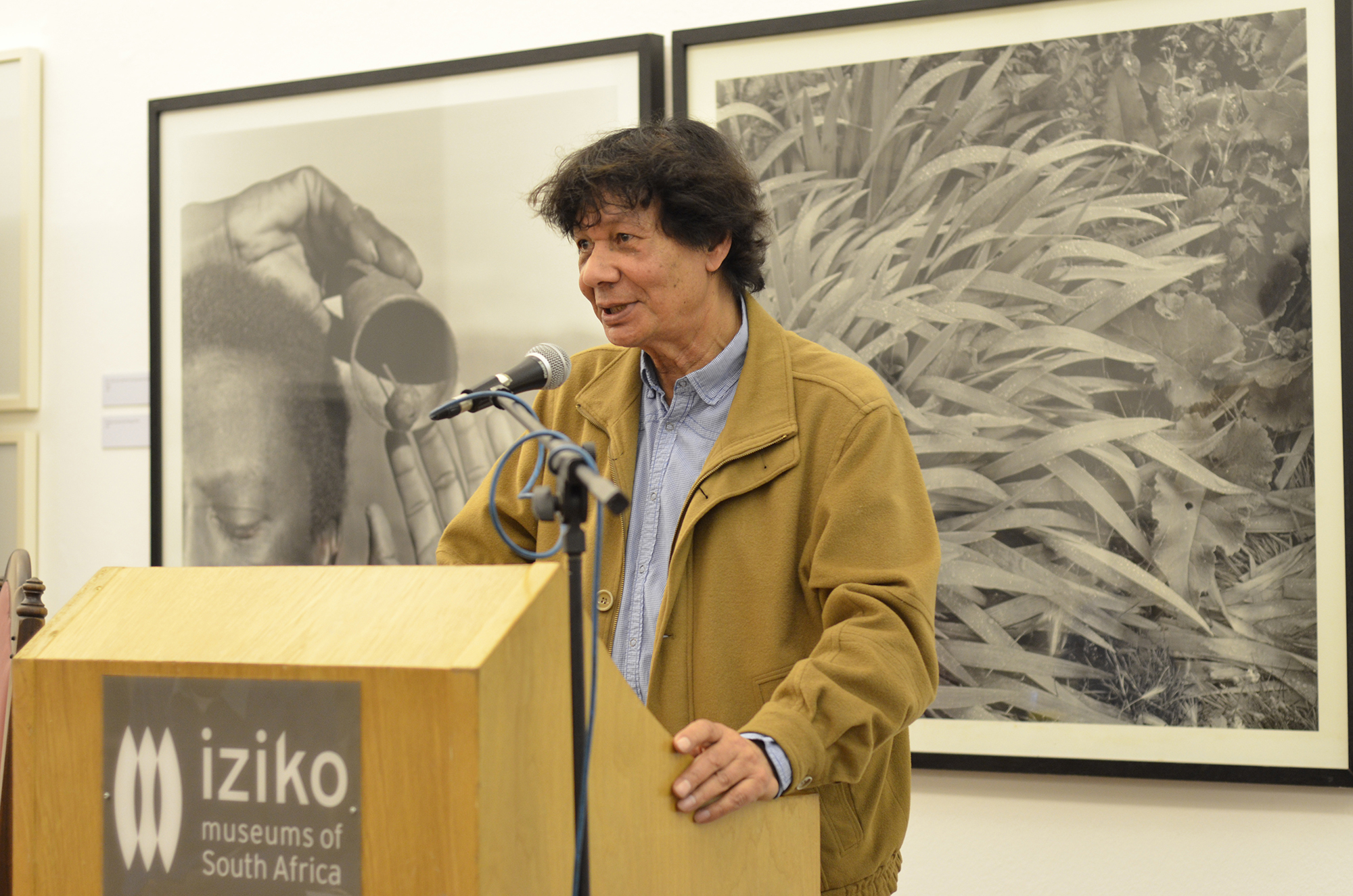
George Hallett (30 December 1942 – 1 July 2020)

George Hallet speaks at the Iziko Museum in Cape Town, South Africa on 28 June 2014. (Photo: Mary-Ann Daniels)

Acclaimed Cape Town photographer George Hallett spent considerable time in self-imposed exile from 1970, mostly in Europe, before returning to South Africa in 1995. Before his official return, he followed and documented Nelson Mandela on the presidential campaign trail of the country’s first democratic elections in 1994. Hallett was born in District Six, but his and many other families were forcibly removed before the infamous demolition of the suburb. He received acclaim for his images of the destruction of District Six, as bulldozers razed a vibrant community whose presence had been deemed illegal under apartheid’s Group Areas Act. Hallett also designed the covers and took the photographs for the African Writers Series.

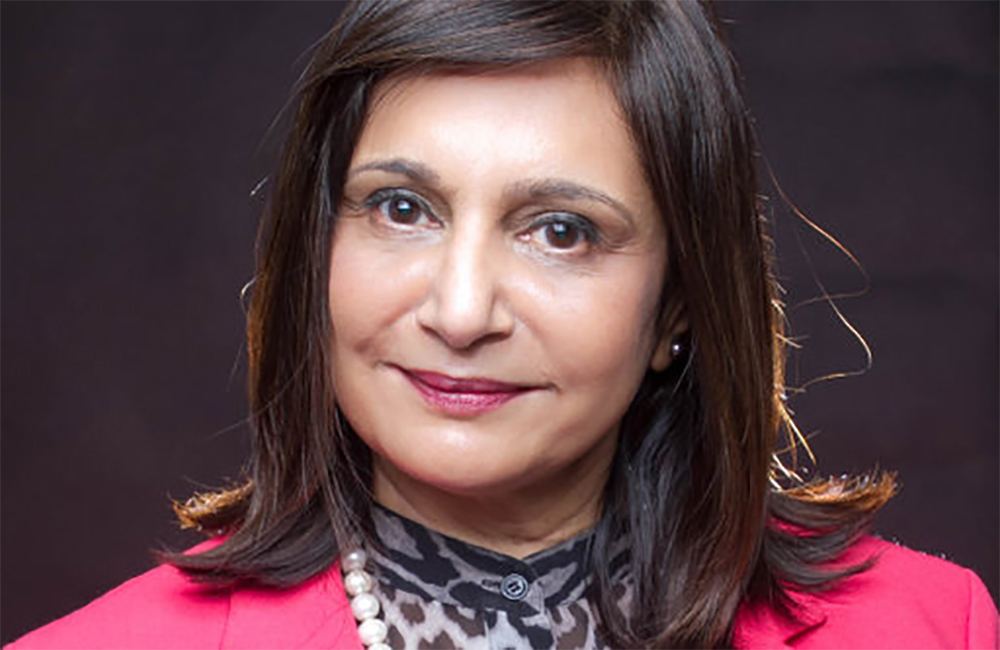
Gita Ramjee (8 April 1956 – 31 March 2020)

Renowned HIV researcher Professor Gita Ramjee. (Photo: Supplied)

Professor Gita Ramjee was a renowned HIV researcher who specialised in HIV prevention for women. Ramjee joined the South African Medical Research Council (SAMRC) in 1996, where she was at the forefront of HIV prevention research. She rose to become chief specialist scientist and director of SAMRC’s HIV Prevention Research Unit, where she managed large-scale phase 3 trials in HIV prevention. She also oversaw the development of SAMRC’s clinical trial unit.

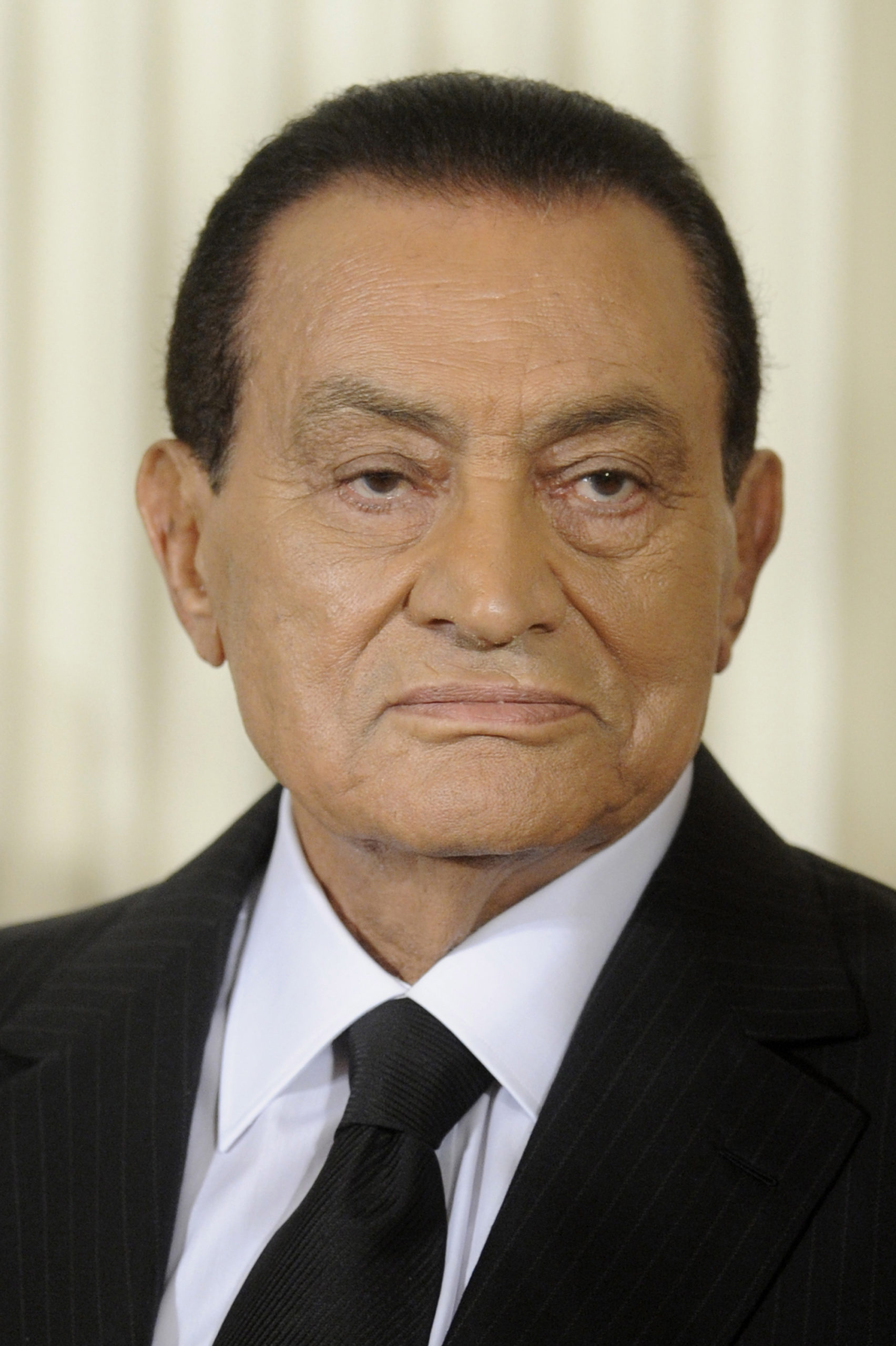
Hosni Mubarak (4 May 1928 – 25 February 2020)

Egyptian military and political leader who served as the fourth president of Egypt from 1981 to 2011. (Photo: EPA/MICHAEL REYNOLDS)

Former president of Egypt Hosni Mubarak spent three decades in office before a popular uprising swept the country. His legacy is marked with corruption, poverty and unemployment. In 2012, Mubarak was sentenced to life imprisonment over the deaths of some of the 900 protesters who were killed by security forces during the 2011 uprising. The conviction was overturned and he was freed in March 2017.

Irrfan Khan (7 January 1967 – 29 April 2020)

Indian actor Irrfan Khan from Tanzania poses during the photocall in Locarno, Switzerland, 09 August 2017. (Photo: EPA-EFE/URS FLUEELER)

Bollywood star Irrfan Khan was born in the northern Indian state of Rajasthan and attended the National School of Drama in New Delhi before embarking on an acting career. After playing mainly supporting and character parts for more than a decade, he broke into leading roles in the early 2000s, starring in and winning his first award for the 2004 film Haasil. He rose to international fame playing a police inspector in the multi-award-winning  Slumdog Millionaire. He took on a starring role in Life of Pi, which also won multiple Golden Globe and Academy Awards, before playing supporting roles in major US films such as The Amazing Spider-Man, Jurassic World and Inferno.

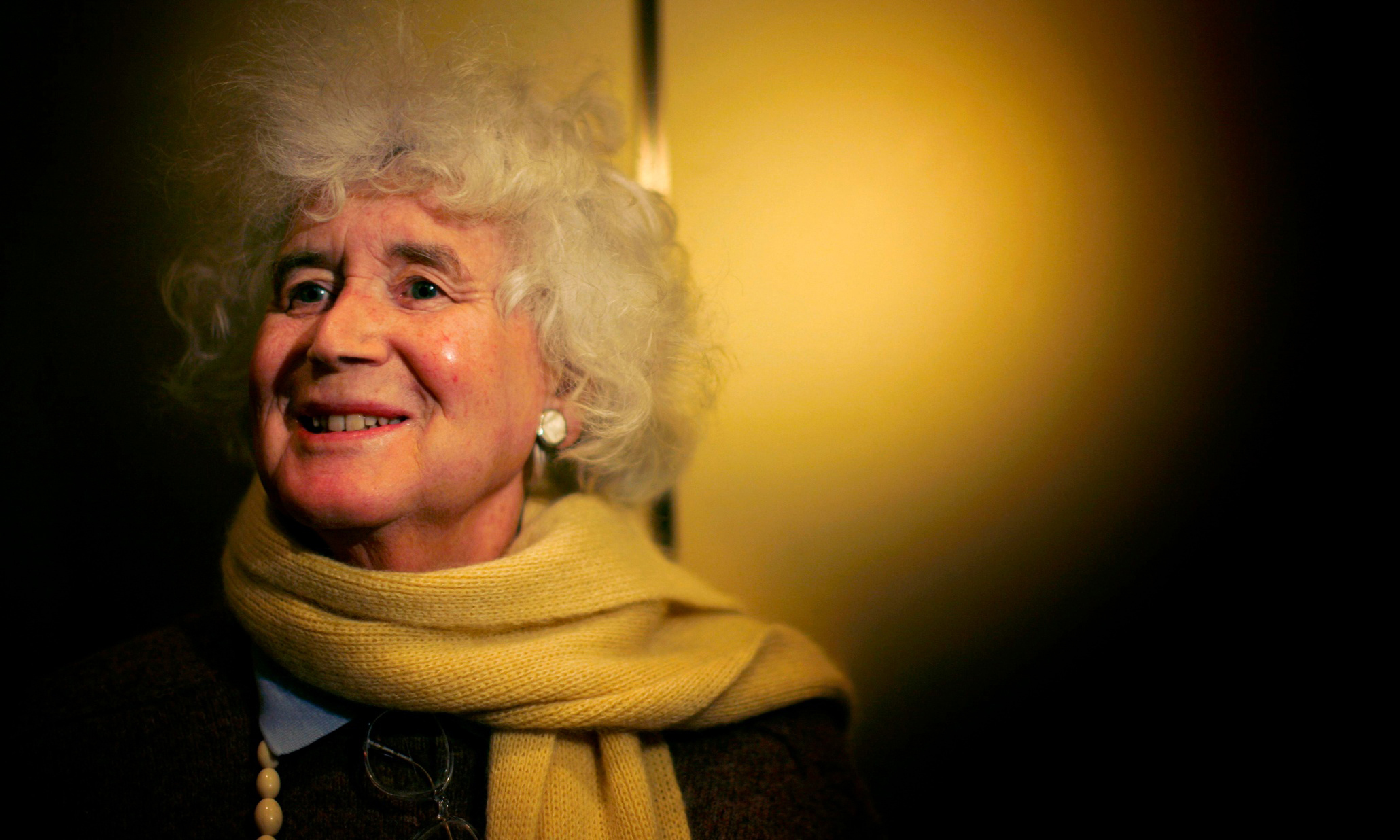
Jan Morris (2 October 1926 – 20 November 2020)

Writer Jan Morris. (Photo: Flickr/oliveroliu)

Jan Morris was an acclaimed British journalist, travel writer and historian who wrote about history’s sweep and the details of place with equal eloquence — and chronicled her life as a transgender woman. As James Morris, she pursued a writing career, with media reports on wars and revolutions from a range of countries and with books like Pax Britannica, the first of a three-volume history of the British Empire. She became increasingly despondent over the issue of gender identity. At age 46, she underwent transition surgery, explaining the reasoning in a well-received 1974 memoir, Conundrum, which was written two years after the operation under a new byline, Jan Morris.

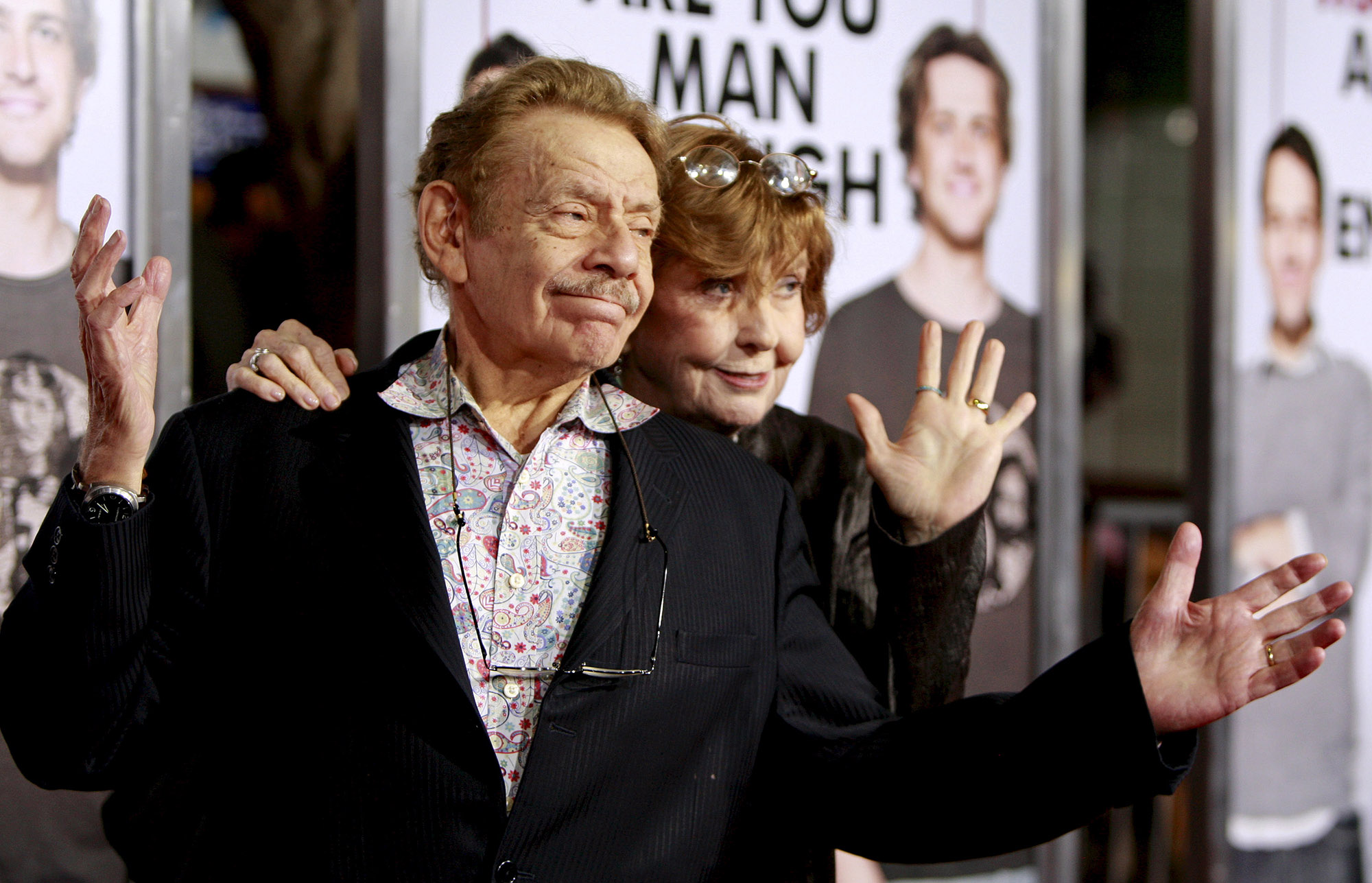
Jerry Stiller (8 June 1927 – 11 May 2020)

US actor Jerry Stiller and wife Anne Meara in Westwood, Los Angeles, California, USA, 17 March 2009. (Photo: EPA-EFE/NINA PROMMER)

American actor and comedian Jerry Stiller (father of Ben Stiller) became known for his role as Frank Constanza in the television comedy series Seinfeld, as Leah Remini’s father in The King of Queens and as Zoolander’s manager in the eponymous comedy directed by Ben Stiller. Though known as a comedian, Stiller was also a serious dramatic actor with a long history on Broadway. Stiller and his wife Meara were a top comedy act in the 1960s, appearing on The Ed Sullivan Show 36 times. The pair were also members of the improv group the Compass Players, which later became Second City.

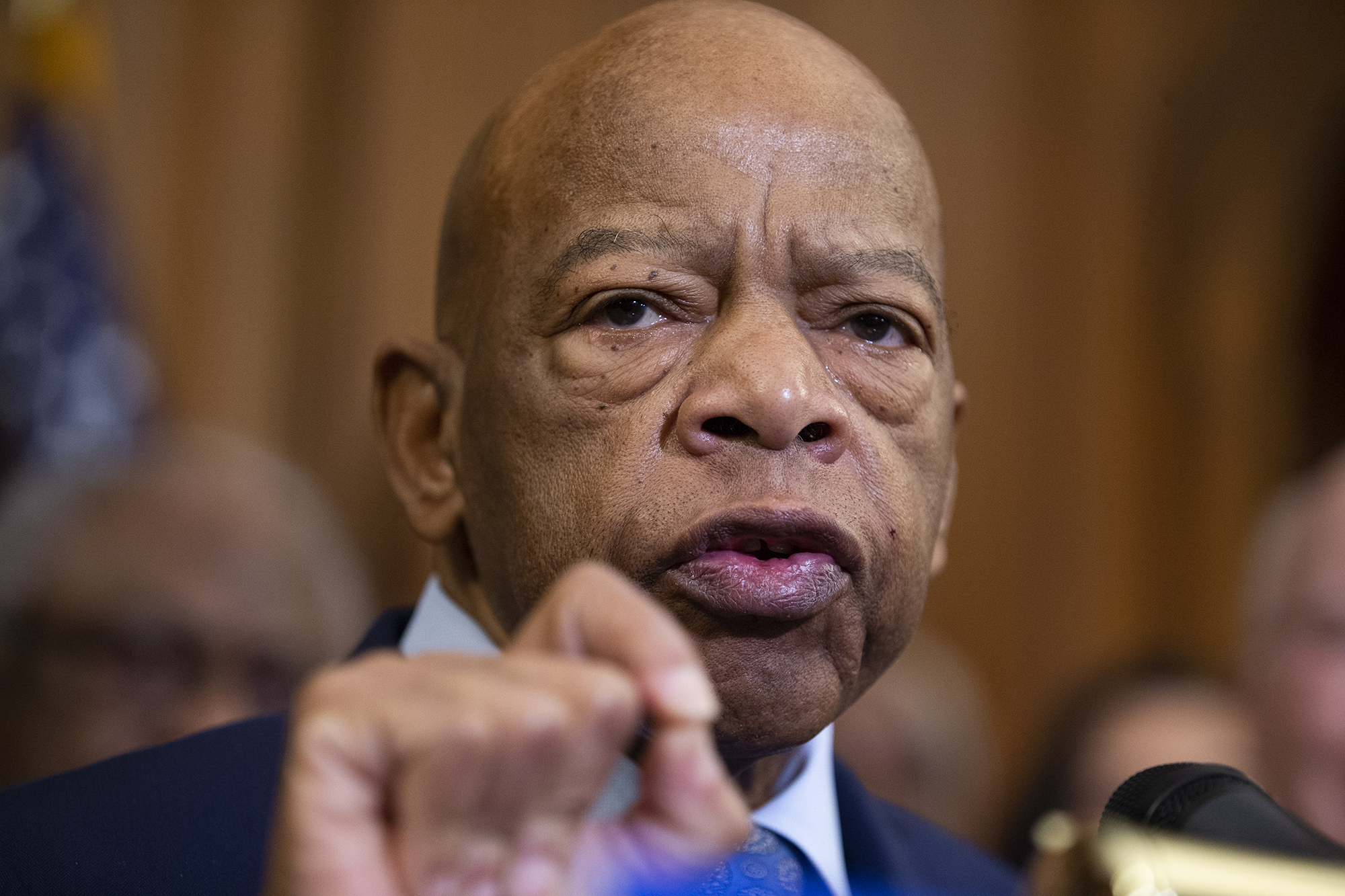
John Lewis (21 February 1940 – 17 July 2020)

Democratic Representative from Georgia, John Lewis in Washington, DC, USA, 06 December 2019. (Photo: EPA-EFE/MICHAEL REYNOLDS)

John Lewis was an American civil rights activist, a survivor of Alabama’s “Bloody Sunday” massacre in 1972 and a protégé of Martin Luther King Jr. He was a member of the US Congress for more than 30 years and channelled all he had learned from his fight for equality as a young man into empowering youth and minority communities and encouraging activism.

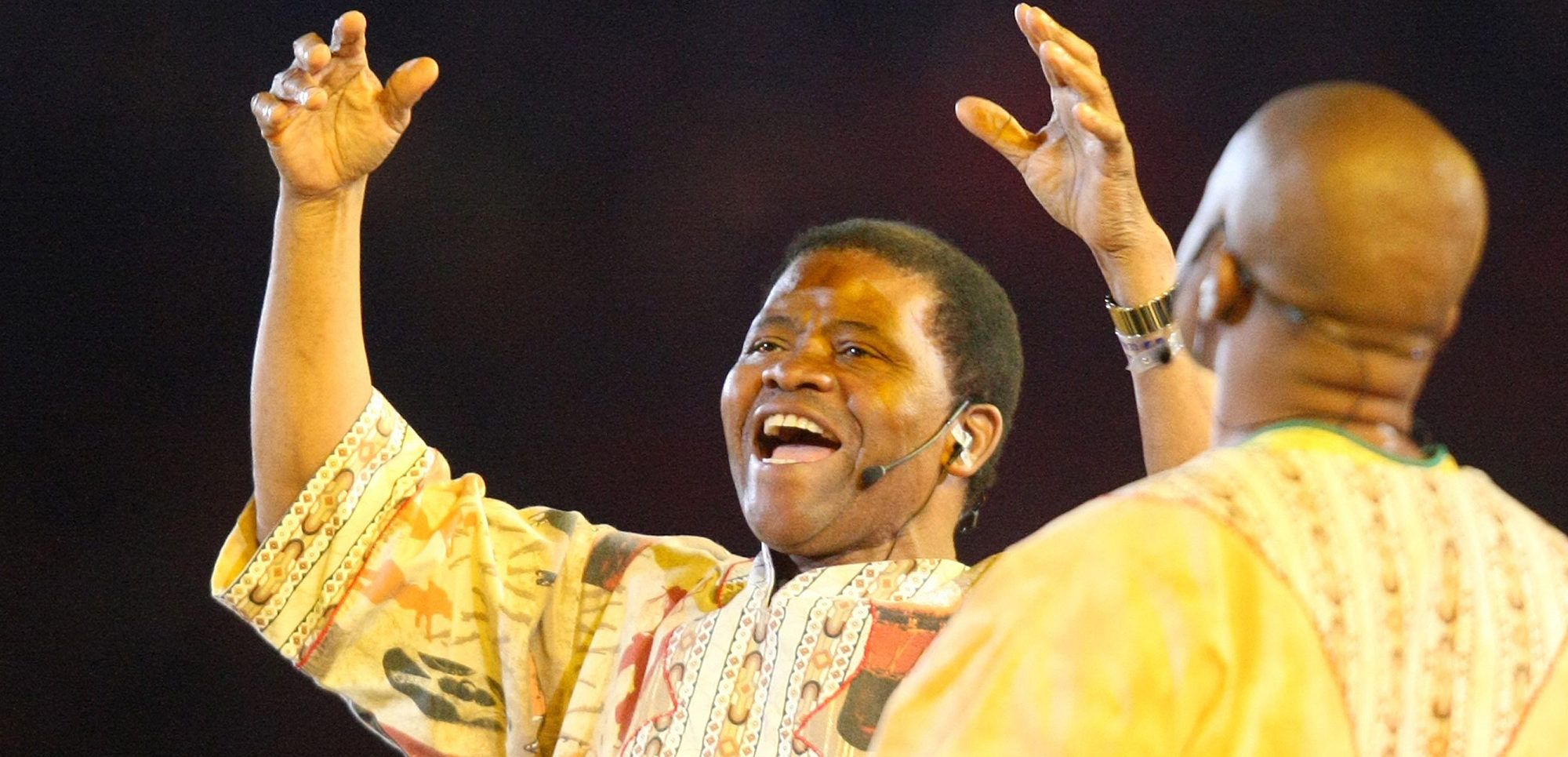
Joseph Shabalala (28 August 1940 – 11 February 2020)

Joseph Shabalala, former leader of Ladysmith Black Mambazo, who died on 11 February 2020. (Photo: Gallo Images / Foto24 / Ian Carbutt)

Joseph Shabalala helped introduce the sound of traditional Zulu music to the world. The musician was best known as the founder and director of choral group Ladysmith Black Mambazo, which won five Grammy awards and featured heavily on American artist Paul Simon’s Graceland album. The group reached number 15 in the UK charts with a cover version of the spiritual “Swing Low Sweet Chariot” at the time of the 1995 Rugby World Cup.

Katherine Johnson (26 August 1918 – 24 February 2020)

A handout photo dated 1966 and made available by NASA on 24 February 2020, showing NASA research mathematician Katherine Johnson at her desk at Langley Research Center in 1966. (Photo: EPA-EFE/NASA )

Katherine Johnson was a NASA mathematician who played a key role in numerous American missions during the Space Race, perhaps most notably calculating the trajectory needed to get the Apollo 11 mission to the moon and back. As a black woman working for NASA in the 1950s and 1960s, Johnson overcame social boundaries and racial discrimination. Her impressive career was the subject of the 2016 book and movie Hidden Figures.

Kenny Rogers (21 August 1938 – 20 March 2020)

A file picture dated 24 January 2011 shows US country music great Kenny Rogers in Melbourne, Australia (reissued 18 August 2018). (Photo: EPA-EFE/JOE CASTRO)

Kenny Rogers was an American country music singer known for his raspy voice and multiple hits, such as “Lady”, “The Gambler”, “Lucille” and “Through the Years”. The Houston-born country star had 20 No 1 hits, won three Grammys and performed for some 60 years before retiring from touring in 2017 at age 79.

Kirk Douglas (9 December 1916 – 5 February 2020)

US actor Kirk Douglas in Hollywood, California, USA, 01 March 2011. (Photo: EPA-EFE/PAUL BUCK)

Actor Kirk Douglas (father of Michael Douglas), one of the top male film stars of the post-World War II era, made more than 80 movies before retiring in 2004. He was nominated three times for best actor by the Academy of Motion Picture Arts and Sciences — for Champion, The Bad and the Beautiful and Lust for Life — and was the recipient of an honorary Oscar in 1996.

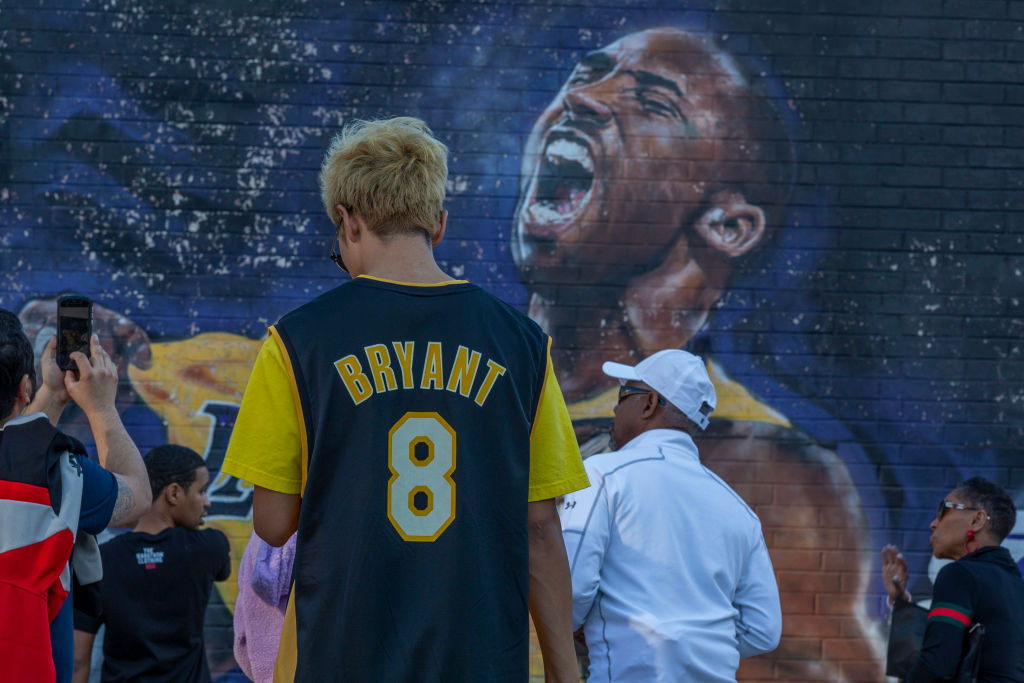
Kobe Bryant (23 August 1978 – 26 January 2020)

LOS ANGELES, CA – JANUARY 28: Fans visit a mural of former NBA star Kobe Bryant who, along with his 13-year-old daughter Gianna, died January 26 in a helicopter crash, on January 28, 2020 in Los Angeles, California. Kobe and “Gigi” were among nine people killed in the crash in Calabasas, California as they were flying to his Mamba Sports Academy in Thousand Oaks, where he was going to coach her in a tournament game. (Photo by David McNew/Getty Images)

American professional basketball player Kobe Bryant spent his entire 20-year career with the Los Angeles Lakers in the National Basketball Association (NBA). Regarded as one of the greatest players of all time, Bryant won five NBA championships and was an 18-time All-Star, a 15-time member of the All-NBA Team, a 12-time member of the All-Defensive Team, the 2008 NBA Most Valuable Player (MVP), and a two-time NBA Finals MVP. Bryant also led the NBA in scoring twice and ranks fourth on the league’s all-time regular season scoring and all-time post-season scoring lists.

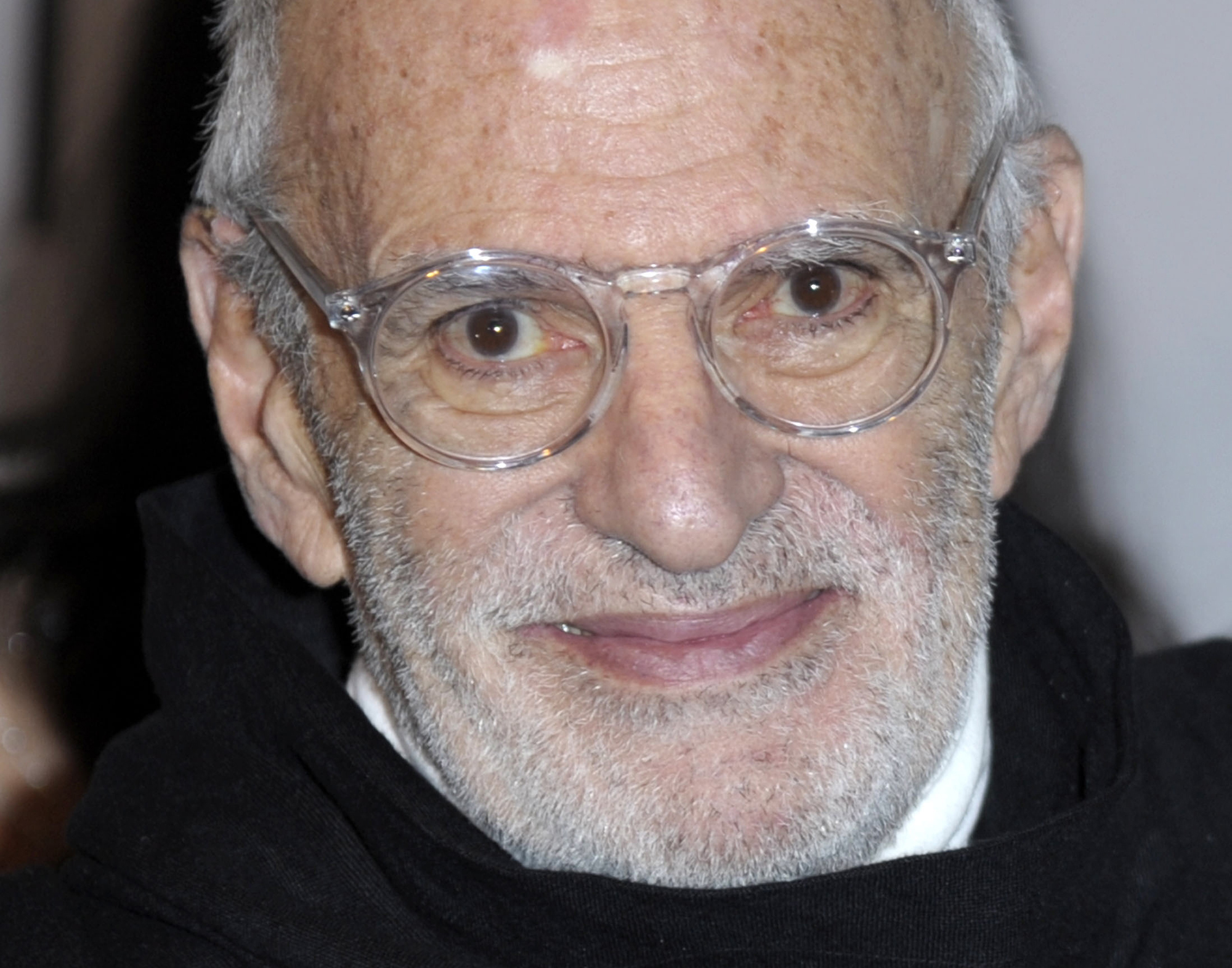
Larry Kramer (25 June 1935 – 27 May 2020)

American playwright Larry Kramer in New York, New York, USA, 12 June 2011. (Photo: EPA/PETER FOLEY)

American playwright Larry Kramer was an LGBTQ+ activist and one of the first activists against AIDS, back when the disease did not even have a name. In the early 1980s, Kramer witnessed hundreds, then thousands, of gay men die before the US government took action to stop the spread of HIV. He became a high-profile, high-volume, one-man crusade against the disease.

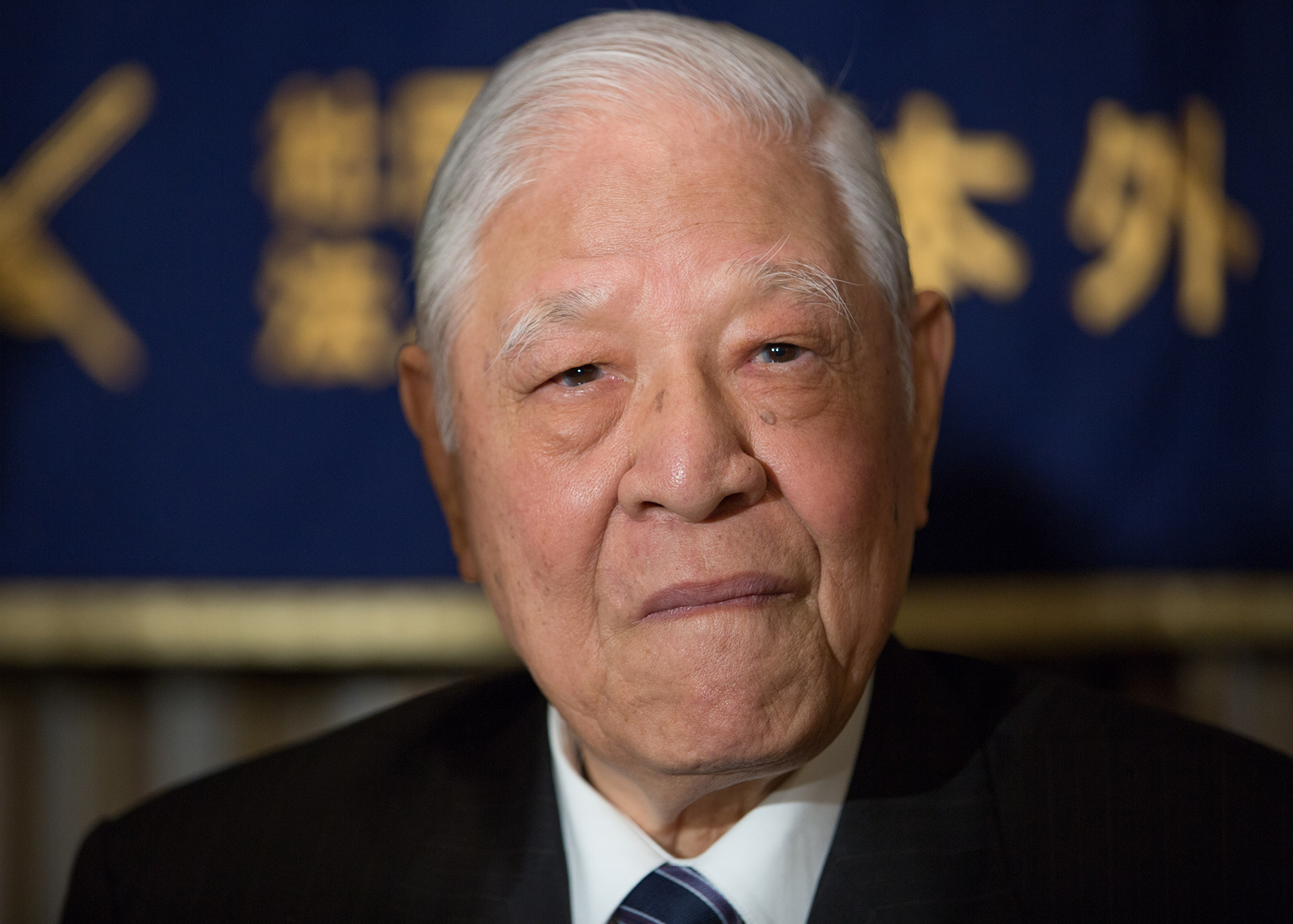
Lee Teng-hui (15 January 1923 – 30 July 2020)

Former president of Taiwan, Lee Teng-hui in downtown Tokyo, Japan, 23 July 2015. (Photo: EPA/CHRISTOPHER JUE)

Former president of Taiwan Lee Teng-hui was considered “the father of Taiwan’s democracy”. Throughout his 97 years, Lee took on multiple identities as a Japanese, communist, Chinese, Christian and, finally, Taiwanese independence activist – matching the island’s many changes. He served as president of Taiwan from 1988 to 2000. Lee was credited with ending autocratic rule in favour of pluralism and democracy — but was also a controversial figure. His attempts to delink the island from China sparked tensions with Beijing, which sees Taiwan as part of its territory.

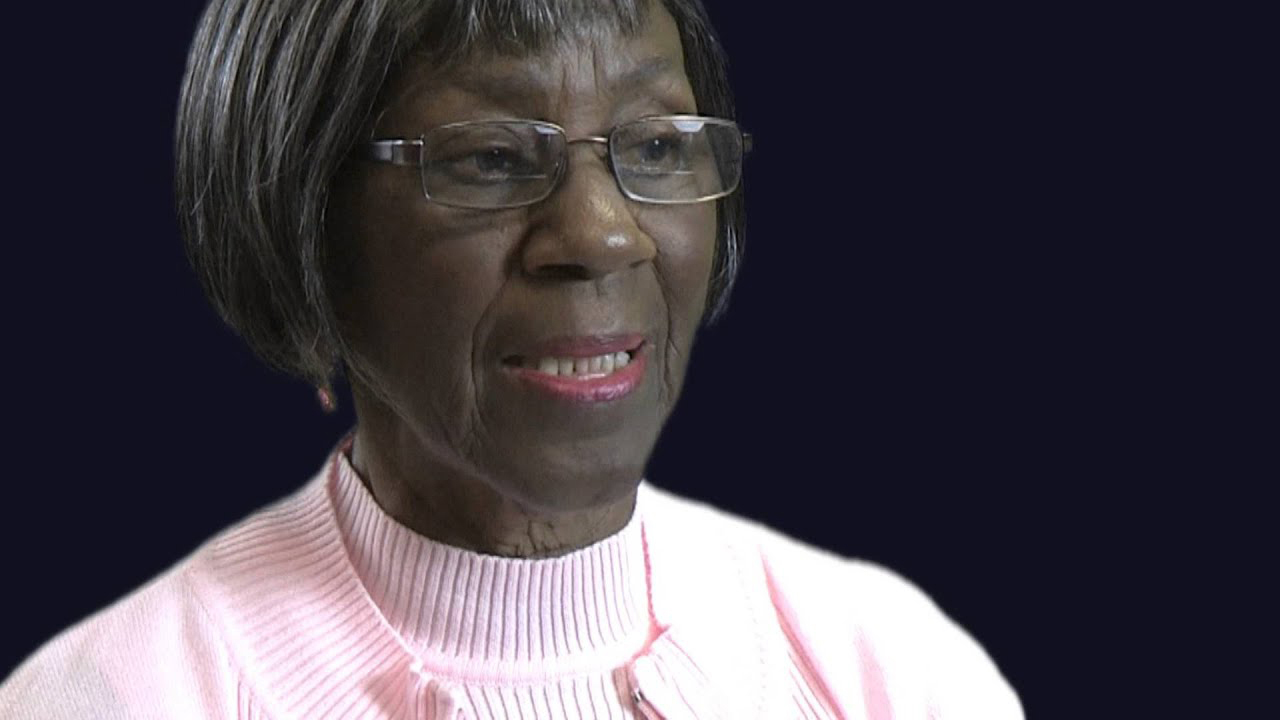
Lucille Bridges (12 August 1934 – 10 November 2020)

Mother Of Anti-Segregation Icon Ruby Bridges, Lucille Bridges. (Screenshot: Spring Branch ISD/Youtube)

Lucille Bridges was known as “the champion for change”. While her daughter Ruby Bridges may be widely known as the brave black child who desegregated an all-white school in the US South, it was Lucille who set the process in motion. In 1960 she braved a gauntlet of threats and racist slurs to escort her daughter to a formerly all-white school in New Orleans in what became a lasting symbol of opposition to segregation.

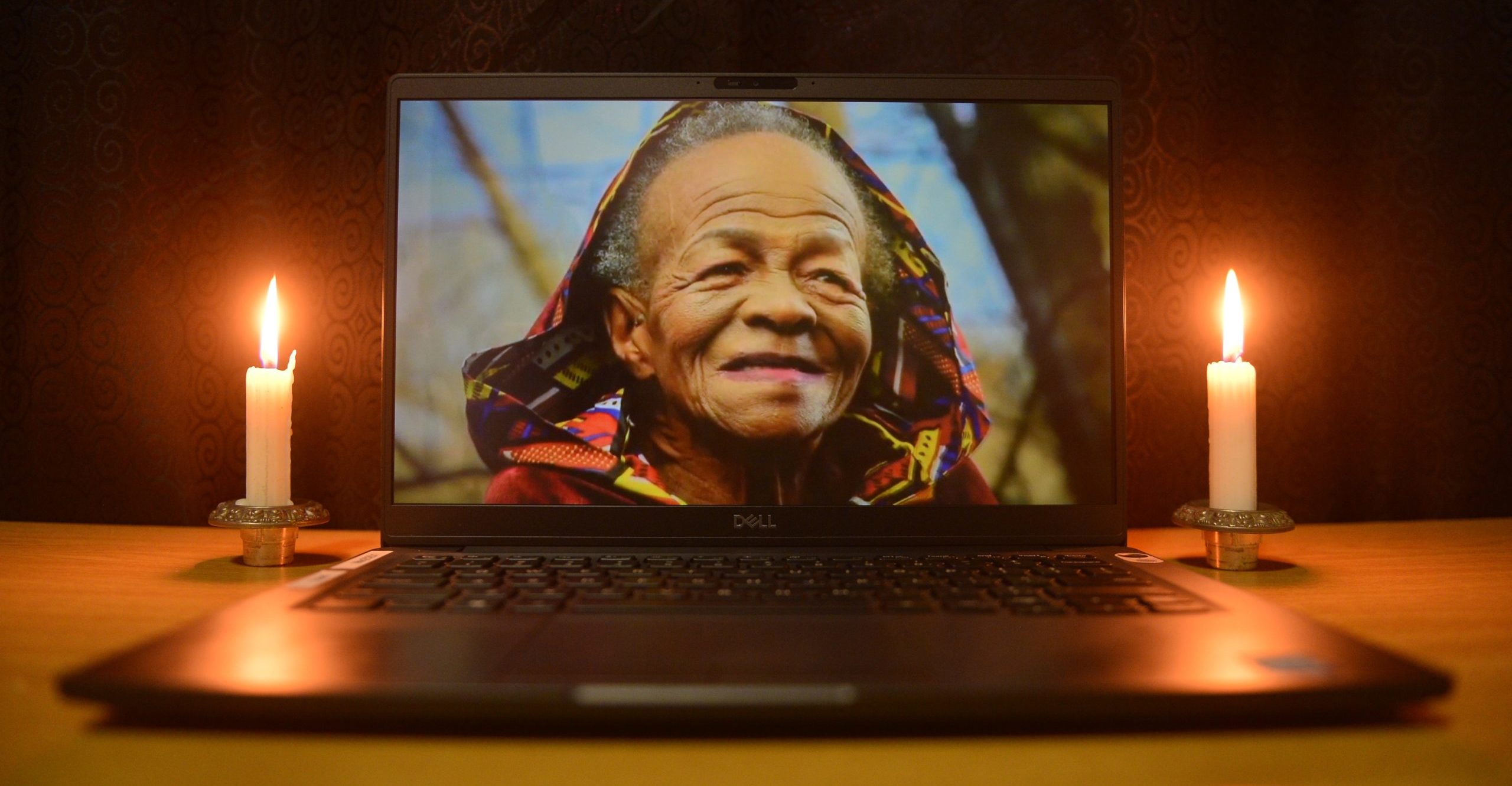
Mary Twala (1940—2020)

General view during the live stream funeral service of veteran actress Mary Twala on July 09, 2020 in Cape Town, South Africa. It is reported that Twala died at Netcare’s Parklane Hospital in Johannesburg on Saturday morning at age 79. (Photo by Gallo Images/Grant Pitcher)

Actress Mary Twala, who died at the age of 79, was described as an institution. A part of South Africa’s film and theatre industry for six decades, Twala was a prolific actress whose contribution helped shape the evolution of the performing arts industry in the country.

In 2006 she was honoured with a Lifetime Achievement Award at the Naledi Theatre Awards for her peerless contribution to the performing arts. In 2018 she crowned that accolade with another Lifetime Achievement Award – this time bestowed by the Mbokodo Awards and dedicated to recognising exceptional accomplishments by South African women in various fields.

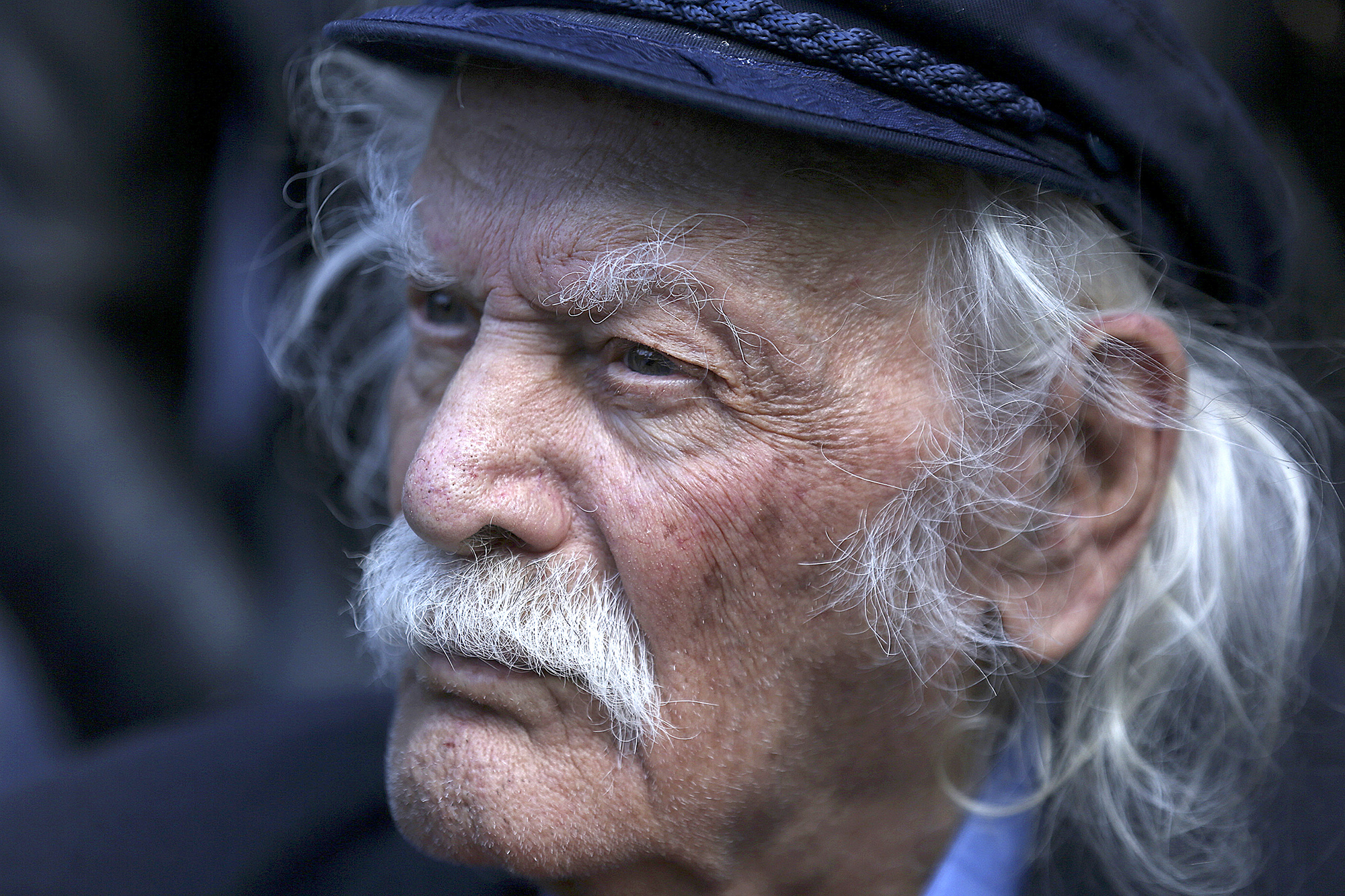
Manolis Glezos (9 September 1922 – 30 March 2020)

A file picture dated 26 September 2018 shows Manolis Glezos during a protest against property auctions in Athens, Greece. (Photo: EPA-EFE/ORESTIS PANAGIOTOU)

Manolis Glezos was a former anti-Nazi Greek resistance fighter. He was sentenced to death multiple times, confined to a prison cell for 16 years and awarded the Lenin Peace Prize in 1963. In addition to his political activism, Glezos authored articles for Greek newspapers from 1942 (for which he was awarded the International Award of Journalism in 1958) and published six books, including From Dictatorship to Democracy and National Resistance 1940-1945. Determined to keep the issue of Hitler’s war crimes alive, he campaigned well into his 90s for German reparations as compensation for the atrocities Greeks suffered at the hands of the Nazis.

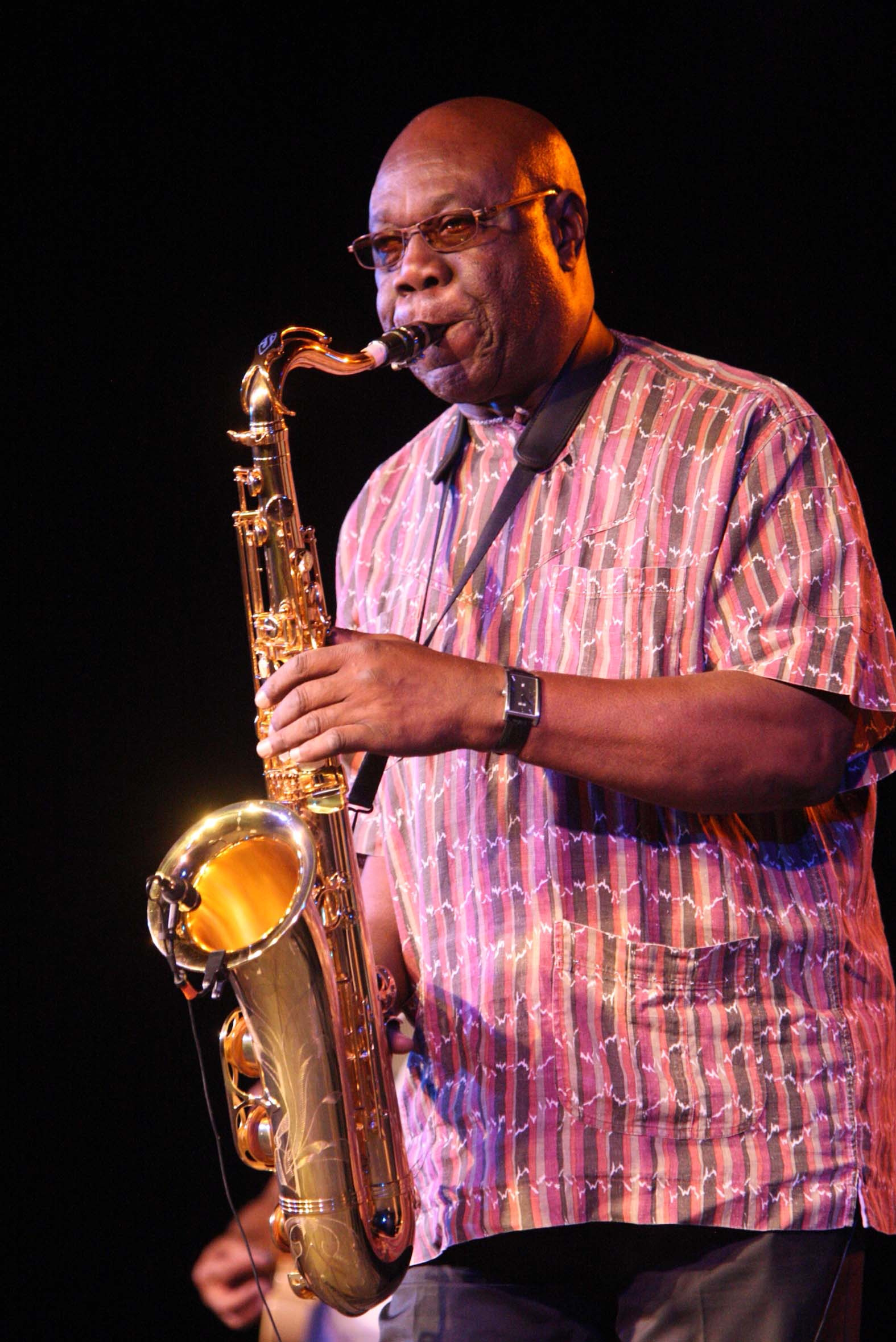
Manu Dibango (12 December 1933 – 24 March 2020)

Musician Manu Dibango during the 2012 Joy of Jazz Festival in Newtown Johannesburg. (PHOTO: Gallo Images / ANTONIO MUCHAVE)

Manu Dibango, a Cameroonian musician and songwriter who played saxophone and vibraphone, was known as the founding father of funk music. He covered a variety of genres, from traditional African roots to jazz, soul, Afrobeat, reggae, gospel, French chanson, Congolese rumba, salsa, and solo piano. The use of the refrain “mama-say, mama-sa, mama-kossa”, on Michael Jackson’s “Wanna Be Starting Something”, earned Dibango substantial compensation two decades later.

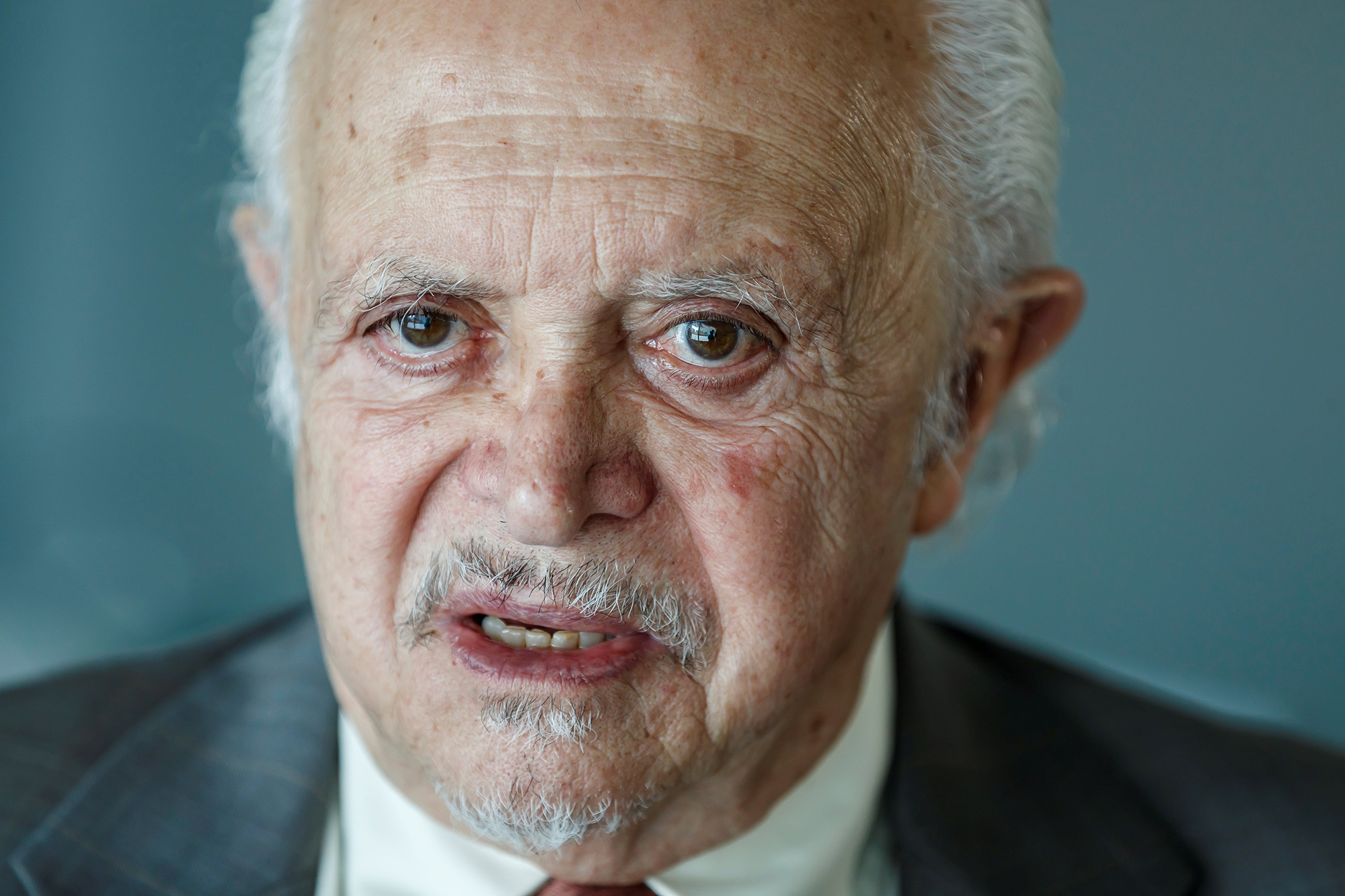
Mario Molina (19 March 1943 – 7 October 2020)

Laureate of the 1995 Nobel prize in chemistry Mario Molina in Mexico City, Mexico, 27 September 2019. (Photo: EPA-EFE/Jose Mendez)

Mario Molina was a Mexican chemist, ozone-hole investigator, Nobel winner, Montreal Protocol advocate and presidential adviser. In the mid-1970s, Molina helped to predict that global emissions of chlorofluorocarbons (CFCs) could deplete stratospheric ozone. His prediction was confirmed in the 1980s by a group of scientists. Molina’s tireless advocacy and scientific diplomacy helped to bring about the 1987 Montreal Protocol on Substances that Deplete the Ozone Layer, an international agreement to phase out CFCs and other ozone-depleting chemicals.

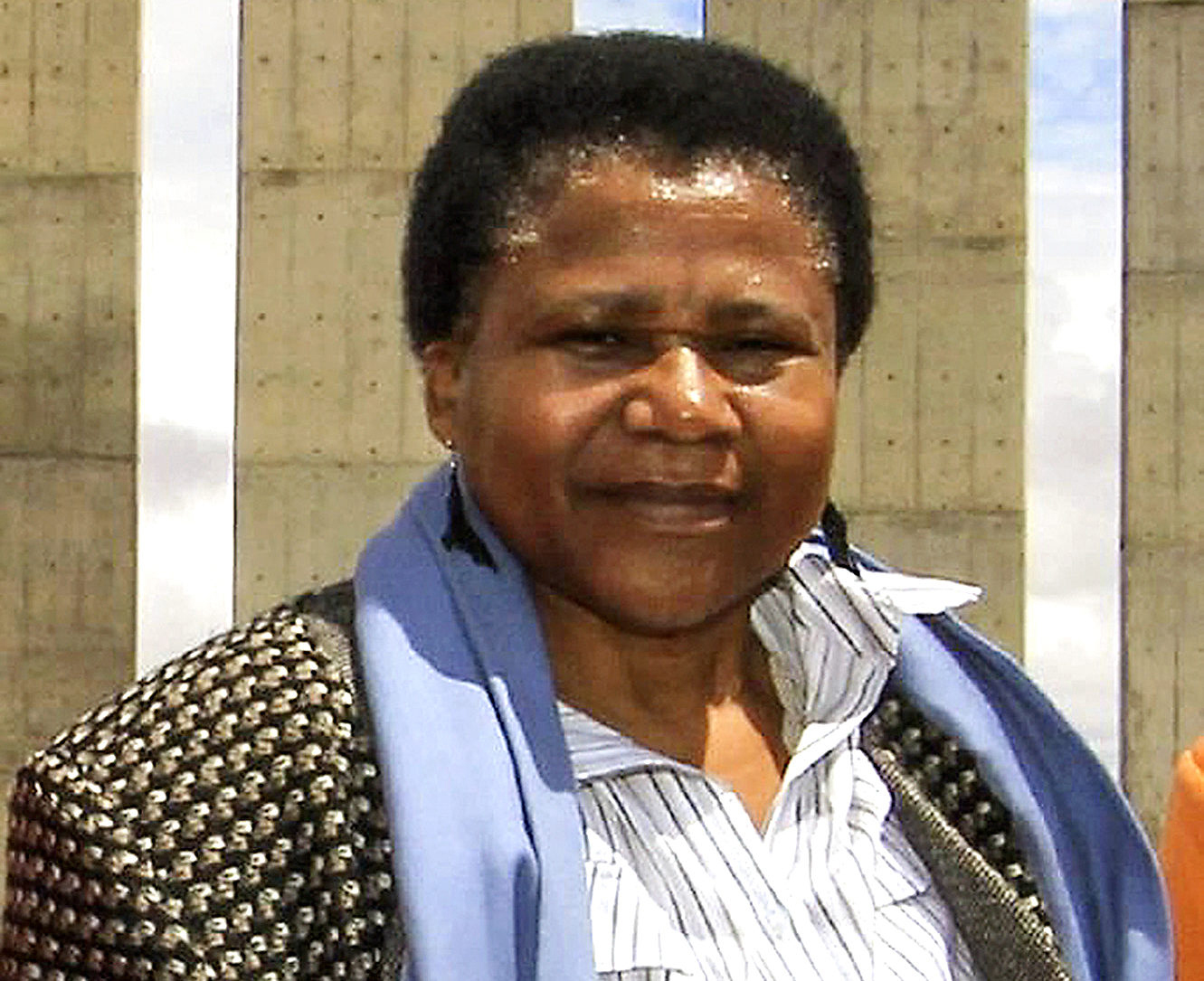
Nyameka Goniwe (1951 – 29 August 2020)

Nyameka Goniwe. (Photo: Twitter)

Veteran Eastern Cape Activist, local government politician and social worker Nyameka Goniwe was a champion of the people. She survived the death of her husband, Matthew Goniwe, in one of apartheid-era South Africa’s most brutal extra-judicial killings and went on to campaign in vain for his assassins to be brought to justice. After her husband’s death, Goniwe was active in efforts to promote social change, particularly in rural areas of South Africa. She later became a mayor and speaker of the local municipality council in Cradock.

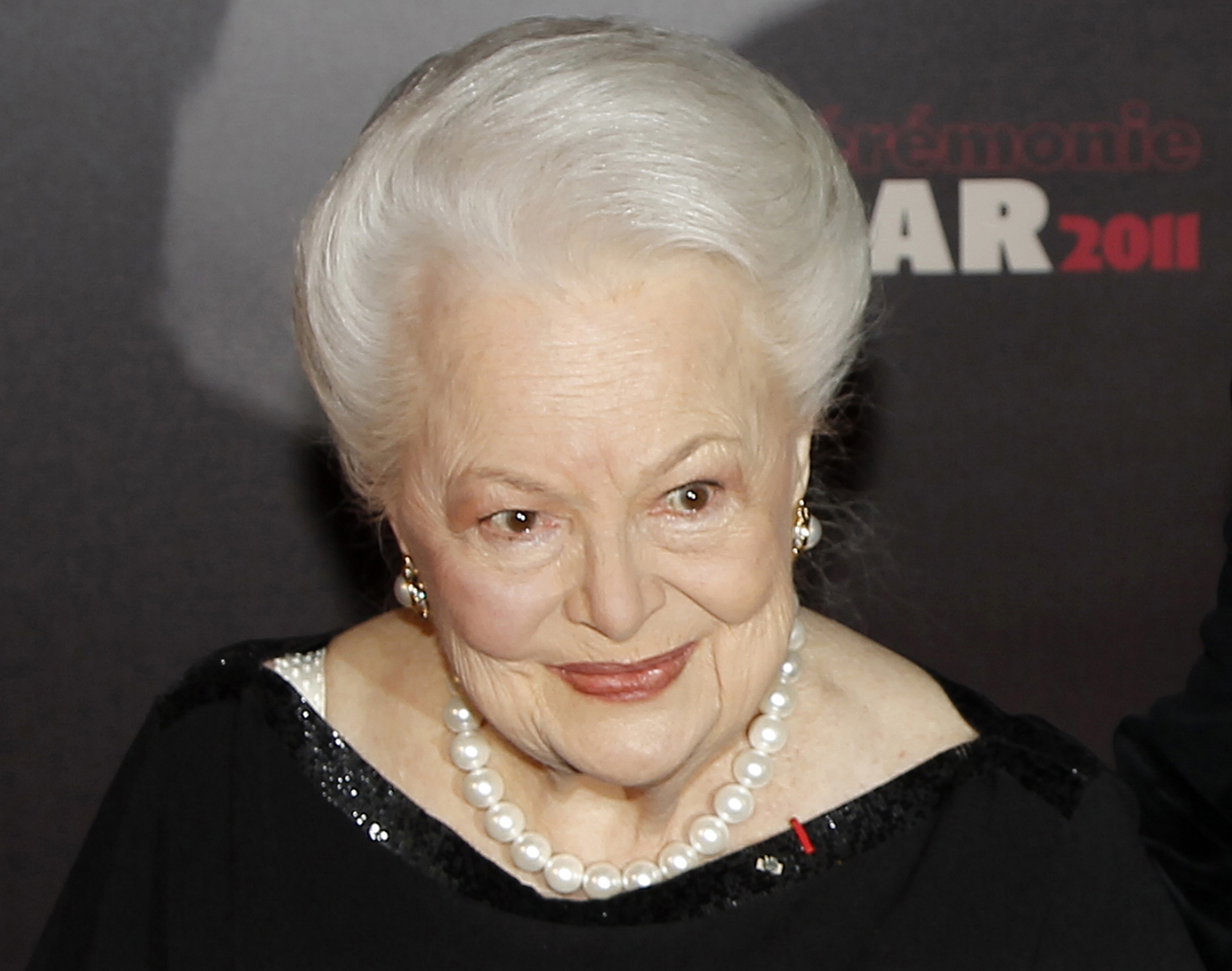
Dame Olivia de Havilland (1 July 1916 – 26 July 2020)

British-US actress Olivia de Havilland in Paris, France, 25 February 2011. (Photo: EPA-EFE/IAN LANGSDON)

Actress Dame Olivia de Havilland’s career spanned more than 50 years and almost 50 feature films. She starred in prominent movies such as Gone with the Wind, a production that earned her one of her five Oscar nominations. Backed by the Screen Actors Guild, she took Warner Brothers to court in 1943 when it added time to her original contract as a penalty for turning down roles. The California Supreme Court ruled in her favour in what became known as the De Havilland Law, which loosened the grip studios had on their actors.

Lungile Pepeta (1974 – 7 August 2020)

Lungile Pepeta, executive dean of the Nelson Mandela University’s faculty of health sciences. (Photo: Facebook)

Professor Lungile Pepeta was the executive dean of the health sciences faculty at Nelson Mandela University in Eastern Cape. “He left a proud legacy of speaking truth to power and a dream of creating a children’s hospital in the Eastern Cape,” writes Estelle Ellis. Pepeta was also chair of the Council for Medical Schemes. He was described by the council as a passionate and committed leader who embodied a spirit of service. “(He was one) who poured his life into the service of others through his chosen profession.”

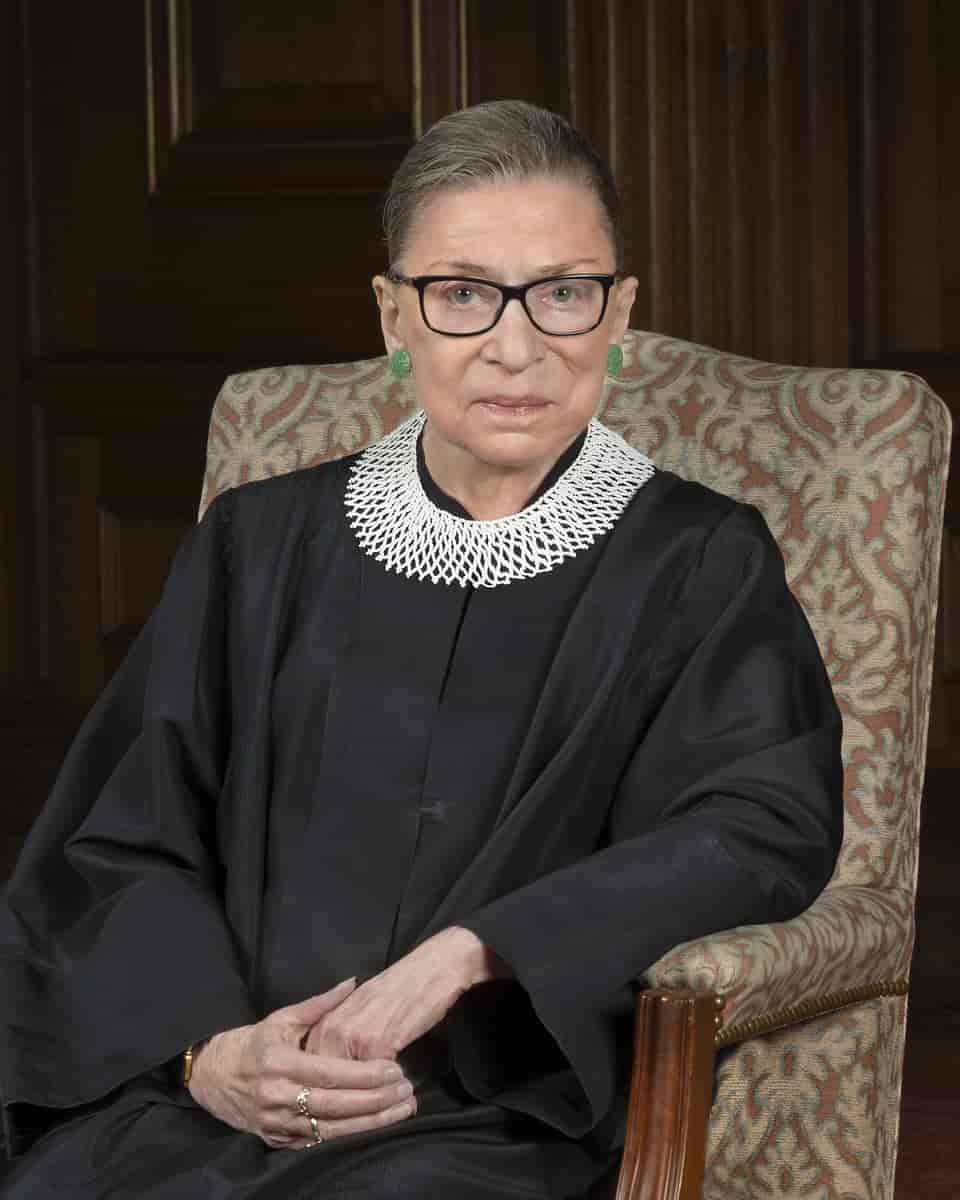
Ruth Bader Ginsburg (15 March 1933 – 18 September 2020)

U.S. Supreme Court Justice Ruth Bader Ginsburg. (Photo: Wikipedia)

Ruth Bader Ginsburg was associate justice of the Supreme Court of the US. An architect of the legal fight for women’s rights in the 1970s, Ginsburg subsequently served 27 years in the nation’s highest court, becoming its most prominent member. For more than a decade, until her first judicial appointment in 1980, she led the fight in the courts for gender equality.

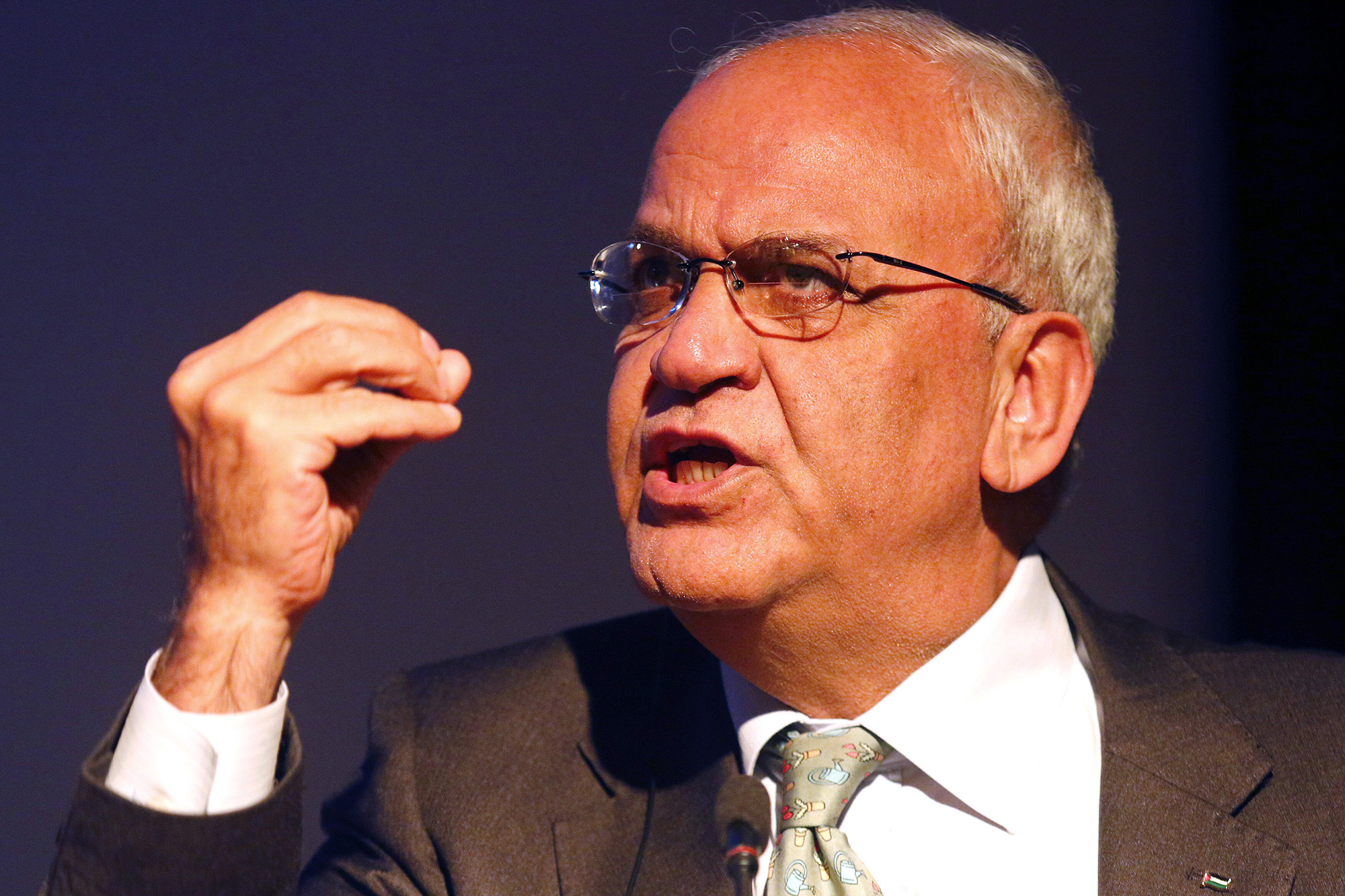
Saeb Erekat (28 April 1955 – 10 November 2020)

Palestine Liberation Organization (PLO) General Secretary and chief negotiator from Palestine Saeb Erekat speaks during a forum in Santiago de Chile, Chile, 16 August 2015. (Photo: EPA-EFE/SEBASTIAN SILVA)

Chief Palestinian peace negotiator Saeb Erekat was a tireless advocate for the Palestinian people in the Middle East peace process. Erekat led the Palestinians in on-off peace talks with Israel for many years as secretary general of the main Palestinian movement, the Palestine Liberation Organisation (PLO). He was also an adviser to President Mahmoud Abbas.

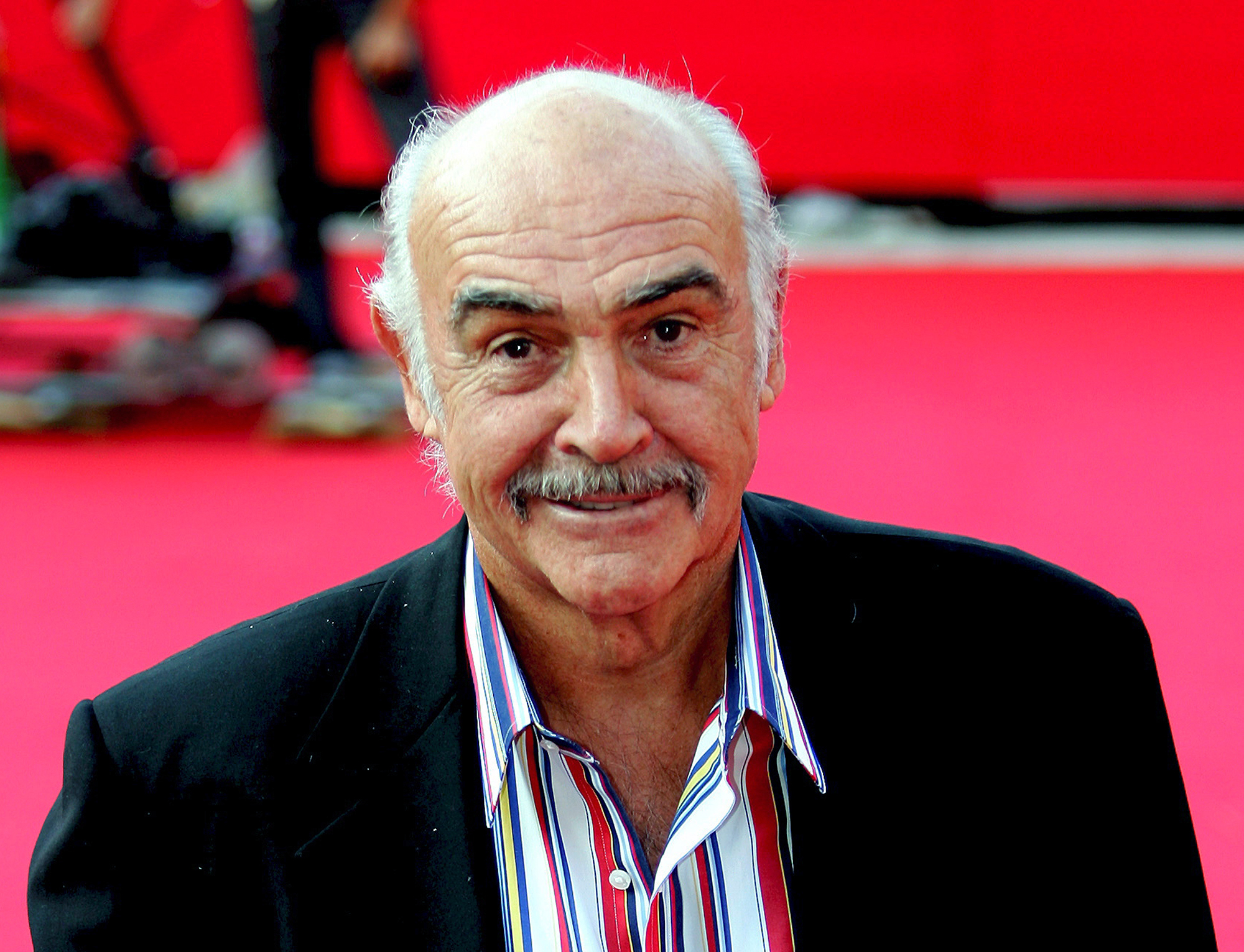
Sir Sean Connery (25 August 1930 – 31 October 2020)

Scottish actor Sir Sean Connery attends the first International Rome Film Festival, in Rome, Italy. (Photo: EPA-EFE/CLAUDIO ONORATI)

Two-time Academy Award winner Sir Sean Connery shot to international stardom as the first actor to portray fictional British secret agent James Bond on film, starring in seven Bond movies between 1962 and 1983. He also starred in noteworthy productions such as Marnie, The Wind and the Lion, The Man Who Would be King, Indiana Jones and the Last Crusade and the Cold War tale The Hunt for Red October.

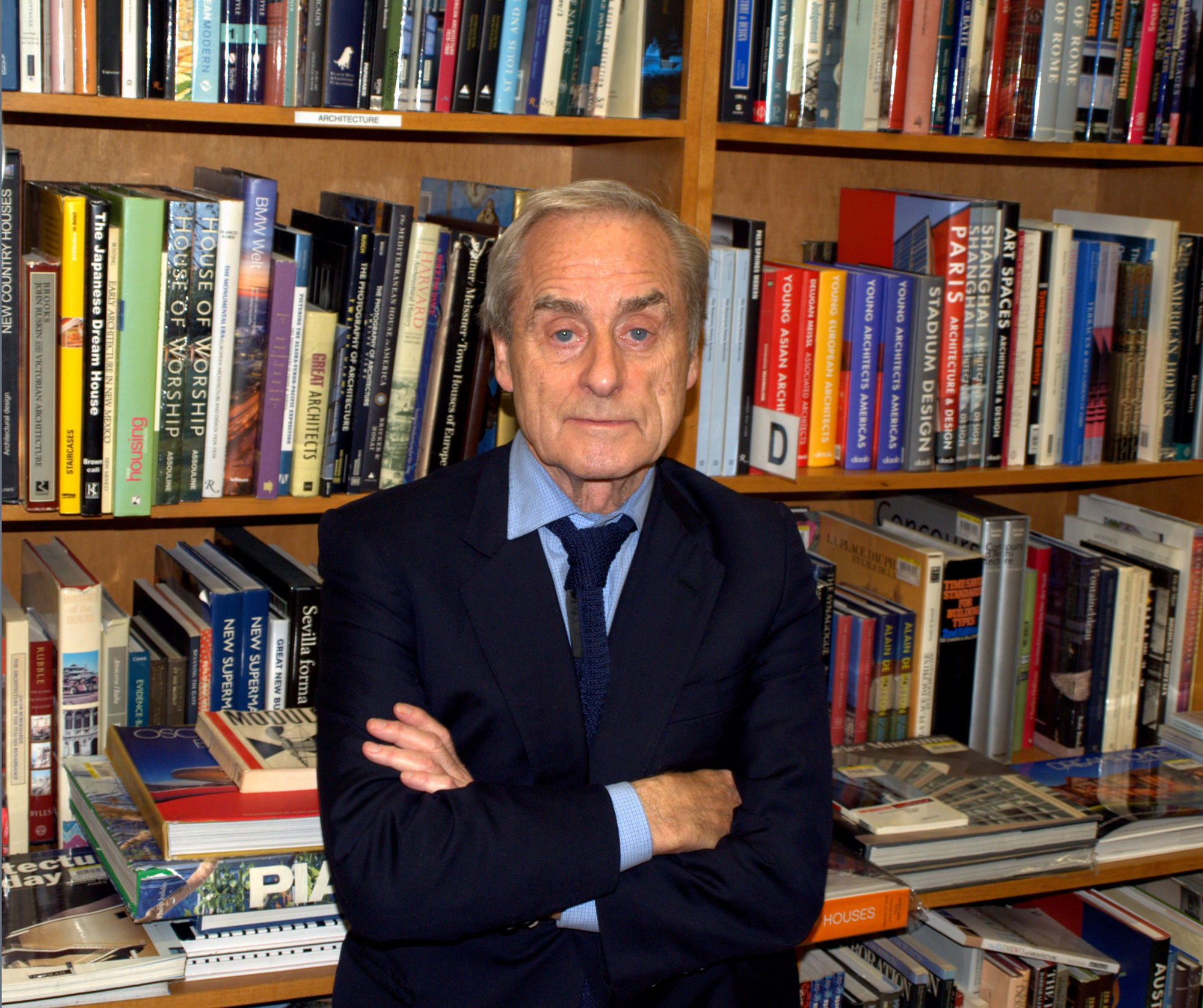
Sir Harold Evans (28 June 1928 – 23 September 2020)

Sir Harold Evans. (Photo: Wikimedia)

British-American journalist and author Sir Harold Evans was one of the most influential media figures of his generation. Evans served as editor of Britain’s Sunday Times for 14 years and was editor-at-large for Reuters at the time of his death. One of his most famous investigations exposed the plight of hundreds of British thalidomide children who had never received any compensation for their birth defects.

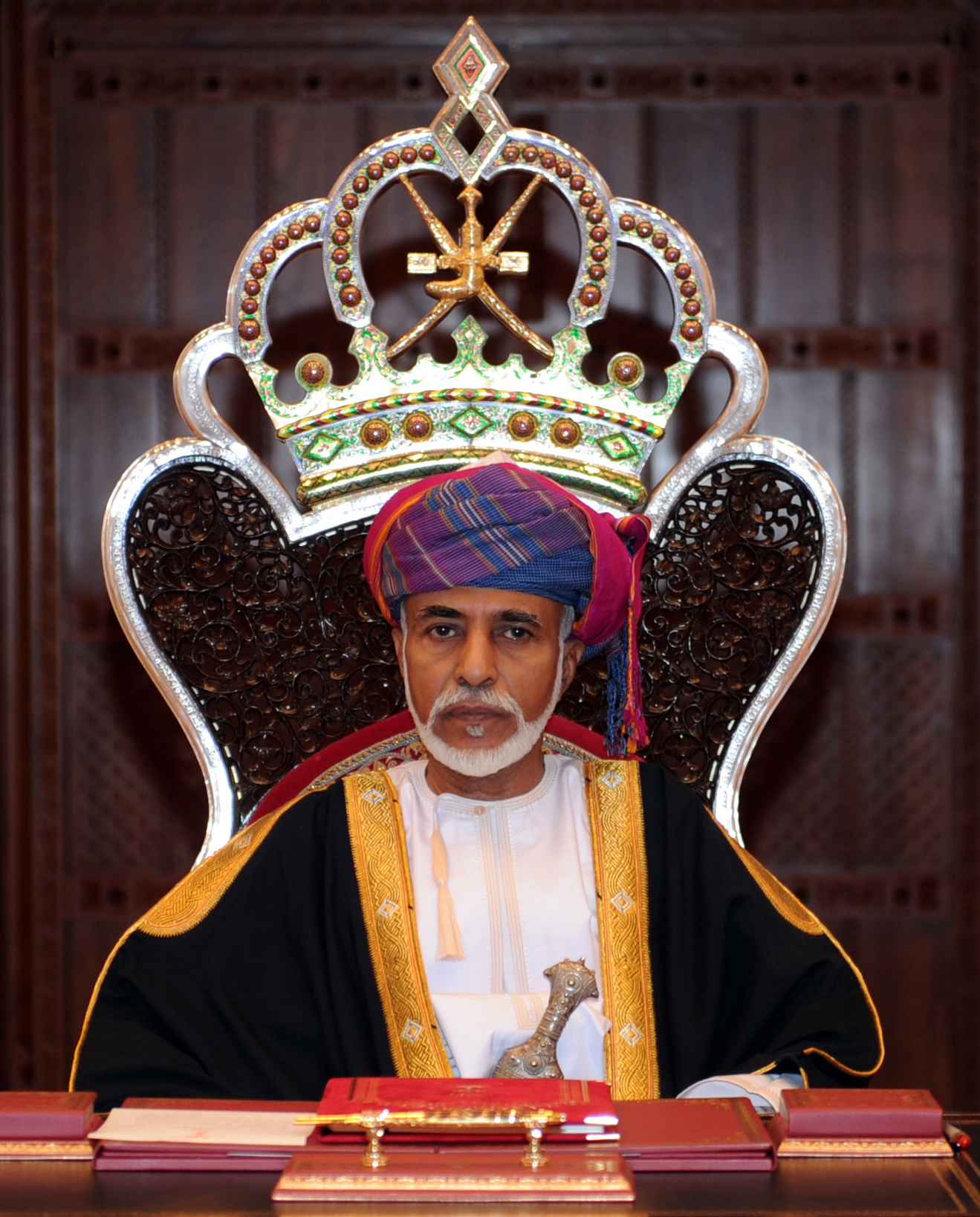
Sultan Qaboos bin Said (18 November 1940 – 10 January 2020)

Sultan Qaboos bin Said, Sultan of Oman, holds the opening session of the annual Council Meeting in Muscat, Oman, 31 October 2011 (reissued 11 January 2020). (Photo: EPA-EFE/HAMID AL-QASMI)

Sultan of Oman, Qaboos bin Said was the Middle East’s longest-ruling monarch, seizing power in a 1970 palace coup and pulling his Arabian sultanate into modernity while carefully balancing diplomatic ties between adversaries Iran and the US. He is best known for modernising Oman which, at the start of his rule, was a nation that was home to only three schools and had harsh laws banning electricity, radios, eyeglasses and even umbrellas.

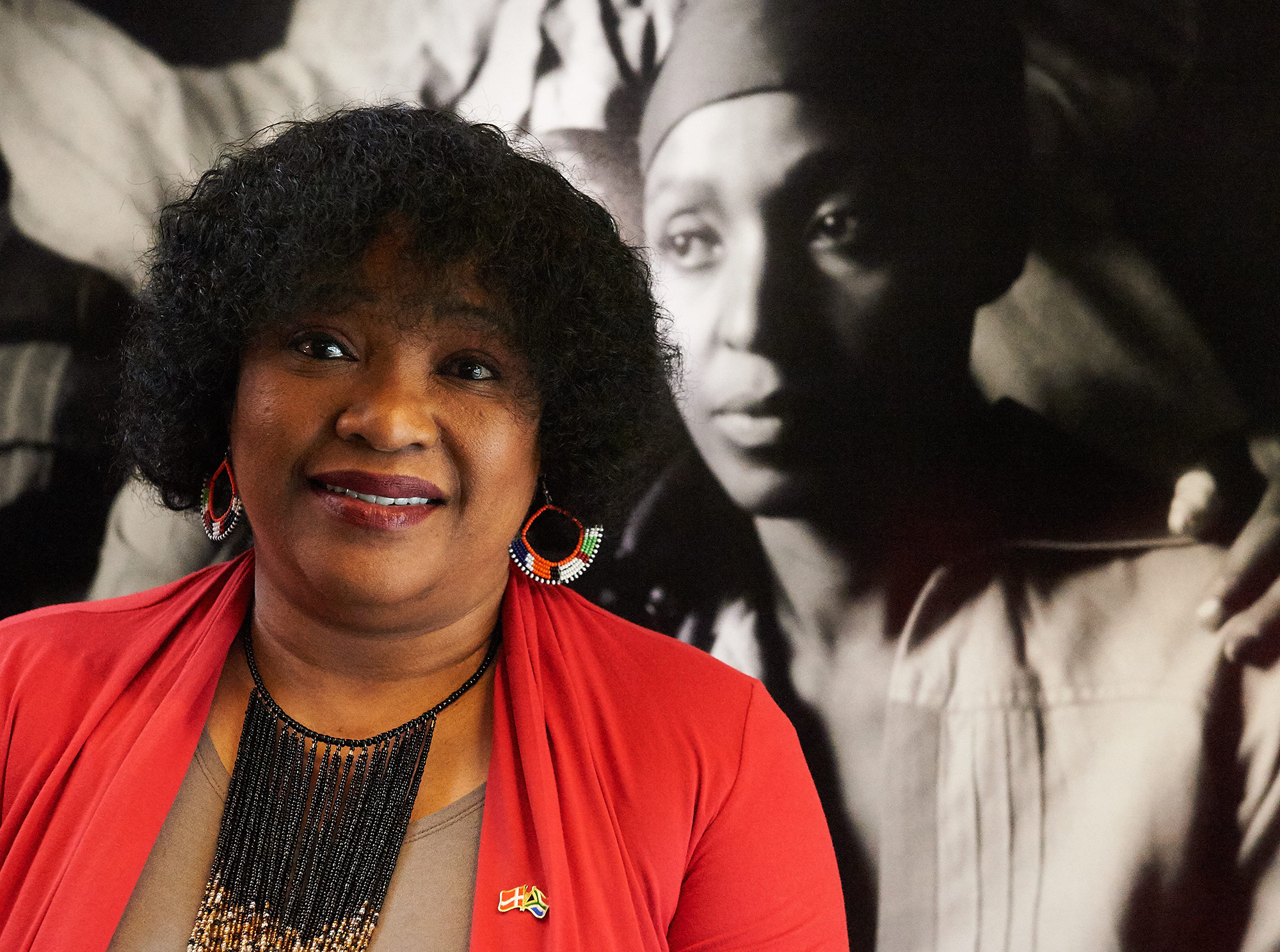
Zindzi Mandela (23 December 1960 – 13 July 2020)

Nelson Mandela’s daughter Zindzi Mandela poses at the opening of the ‘Nelson Mandela. Man of the People’ exhibition by South Arfican photographer Peter Magubane at the European Solidarity Centre in Gdansk, Poland, 06 June 2016. (Photo: EPA/ADAM WARZAWA)

Zindziswa Mandela was a South African diplomat, poet and daughter of former president Nelson Mandela. She served as deputy president of the Soweto Youth Congress, was a member of the Release Mandela Campaign and was an underground operative in the ANC’s armed wing Umkhonto weSizwe. She was posted to Denmark as an ambassador in 2015 and had been designated to become South Africa’s head of mission in Monrovia, Liberia. DM/MC

Like what you’re reading? Sign up to the Maverick Citizen newsletter and get a weekly round-up sent to your inbox every Tuesday. Free. Because paywalls should not stop you from being informed.

Gallery


Comments – share your knowledge and experience

Please note you must be a Maverick Insider to comment. Sign up here or sign in if you are already an Insider.

Everybody has an opinion but not everyone has the knowledge and the experience to contribute meaningfully to a discussion. That’s what we want from our members. Help us learn with your expertise and insights on articles that we publish. We encourage different, respectful viewpoints to further our understanding of the world. View our comments policy here.

All Comments 1

  • Kanu Sukha says:

    A fascinating list of people who passed on this year. The first mentioned, Aimee Stephens is ‘related’ to the role of RBG mentioned later. This is in respect of the cynical appointment of Amy Coney Barrat by the collusion of the white supremacist Mc Connell (who swore and acted to limit Obama’s election as president of the US to one term… and failed). There is every possibility of her (Amy’s) rushed appointment (after the judgement in the Stephens case) to the supreme court, resulting in the reversal of the decision. That is … unless Amy’s very conservative Catholic views (even surpassing that of the Pope!), undergo a swift transformation.

  • Category: NewsTag: cradock, news, online, south africa
    29 December 2020 by Guest

    Your weather: A day of drizzle, sunshine and clouds on the cards for Tuesday

    A mostly partly cloudy and hot day is expected across the country with isolated thundershowers forecast by the South African Weather Service for Gauteng, North West, and KwaZulu-Natal. Fire danger warning Extremely high fire danger conditions are expected over Namakwa District and the central parts of the Northern Cape, south-western parts of the Free Sate, …

    A mostly partly cloudy and hot day is expected across the country with isolated thundershowers forecast by the South African Weather Service for Gauteng, North West, and KwaZulu-Natal.

    Fire danger warning

    Extremely high fire danger conditions are expected over Namakwa District and the central parts of the Northern Cape, south-western parts of the Free Sate, Central Karoo District of the Western Cape, and in places over the Eastern Cape.

    The weather in your province

    Gauteng will be partly cloudy and warm with isolated showers and thundershowers.

    The expected UVB sunburn index is extreme.

    Morning fog over is expected over the Mpumalanga escarpment, otherwise partly cloudy and warm to hot with isolated showers and thundershowers over the Highveld. 

    Limpopo can expect morning fog over the escarpment, otherwise partly cloudy and hot. 

    The North West will be partly cloudy and warm to hot, with isolated showers and thundershowers in the afternoon.

    It will be partly cloudy and warm in the Free State, with afternoon isolated showers and thundershowers. 

    The Northern Cape will be fine to partly cloudy and hot to very hot, with isolated showers and thundershowers in the northern and eastern parts. 

    The wind along the coast will be fresh southerly to south-easterly.

    Conditions in the Western Cape will be cloudy to partly cloudy along the south coast and over the interior in the morning, otherwise fine and warm to hot, but very hot over the Little and Central Karoo.

    The wind along the coast will be moderate to fresh southerly to south-easterly, but south-westerly at times along the West Coast.

    The expected UVB sunburn index is very high.

    The western half of the Eastern Cape will be warm in places along the coast, otherwise fine and hot to very hot, becoming partly cloudy from the afternoon.

    The wind along the coast will be moderate to fresh south-westerly.

    In the eastern half of the Eastern Cape, there will be fog in places south of the escarpment at first, otherwise partly cloudy and hot with isolated showers and thundershowers, but scattered in the east.

    The wind along the coast will be moderate to fresh north-easterly, becoming south-westerly from the afternoon.

    KwaZulu-Natal will be partly cloudy and warm, but hot in the north. Isolated showers and thundershowers are expected over south-western and western parts from the afternoon.

    The wind along the coast will be moderate to fresh north-easterly.

    The expected UVB sunburn index is extreme.
    Click here to see the specific forecast for your city over the next few days.

    – Compiled by Kamva Somdyala

    Category: NewsTag: cradock, graaff reinet, hofmeyer, karoo, news
    27 December 2020 by Guest

    In Conversation with Nigel Craddock, Design Director – IMKAN…

    Nigel joined IMKAN Properties four years ago with over 20 years of experience in both Lead Consultant and client-side Design Management roles, gained from working with leading organizations in the UK and MENA region. Nigel holds a BA(Hons) with Diploma in Architecture and graduated as a chartered ARB RIBA Architect with a Certificate of Architectural …

    Nigel joined IMKAN Properties four years ago with over 20 years of experience in both Lead Consultant and client-side Design Management roles, gained from working with leading organizations in the UK and MENA region.

    Nigel holds a BA(Hons) with Diploma in Architecture and graduated as a chartered ARB RIBA Architect with a Certificate of Architectural Professional Practice from Plymouth University in his home country UK.

    His experience both regionally and internationally covers a wide variety of small and large-scale project types spanning multiple sectors.

    1. Share your professional journey so far?

    I studied Architecture in my home country United Kingdom, undertaking a three-year Degree, two-year Diploma and then two years of professional experience before qualifying as an RIBA Chartered Architect. I worked for 5 years in Exeter then Bristol for two of the most recognized award-winning Architectural firms in the South-West of England on some fantastic design projects before deciding to move to the UAE in 2006 to be a part of Dubai’s booming economy. I saw it as an amazing opportunity to take a big step up in terms of project size, exposure and responsibility. In 2009, a year after the global economy had fallen off a cliff, I was headhunted for a client-side Design Manager role for a major developer in Qatar. The company was working on some incredible masterplan projects in Libya and after one year of work in Doha our team was then shipped off to Tripoli to deliver on a fast-track mixed use waterfront development. The increased exposure was amazing and was another ‘level up’ in experience. Six months later we were blown out of Libya due to the Arab Spring (a story for another time!) and I soon found myself back in the UAE working as a Design Manager and then Regional Director for the branch office of my old architectural firm from the UK. The RD role was a fantastic opportunity to develop a huge business network in the region. We landed some great projects of which I am still immensely proud. Following one further headhunting into another RD role for a competitor firm, I finally transitioned into a Design Director role with IMKAN, where I have effectively been for 4 years.

    2. Where do you find design inspiration outside of architecture?

    Travel and everyday life. The biggest inspiration in my life to date came from nearly two years of traveling that I did some twenty years ago in-between my Degree and Diploma studies. Armed with a trusty rucksack I covered India, Singapore, Malaysia, Indonesia, Australia, New Zealand, Fiji, Hawaii, Canada and the U.S.A, and the diversity of things I lived and breathed in that two years was simply life changing. I still use many aspects of that trip as reference points in my life today.

    3. Could you share your goals at IMKAN Properties?

    To continue working on high quality architectural projects that genuinely add value to the built environment and people’s lives. At IMKAN I’ve had the opportunity to work with architects whose projects and books I studied at university, such as MVRDV Architects from Rotterdam. I’ve worked with designers who are interested in making the world a better and more enjoyable place to be. That’s an incredible thing to be part of.

    4. What is your favorite project you’ve worked on at IMKAN Properties?

    Makers District and PIXEL. PIXEL is the project which I feel captures perfectly the spirit of what IMKAN has been trying to do, namely: delivering best in-region high-quality mixed-use projects which drive a sense of community, belonging, and place.

    5. What are you currently working on?

    I’ve just finished the Beach club at Makers District in partnership with Cove, which launched on Friday November 27th. The feedback from the community has been incredible and as the first public realm activation point in Makers District, we are super proud to have moved this project across the line under some very challenging circumstances. The project will continue to be enhanced and evolve over the coming months as we seek to further activate the North Beach zone, followed by the Northern Promenade of this 186,000sqm district site.

    The recently launched Makers District Beach is the only swimmable beach on Reem Island, offering guests an array of pursuits along its more-than-300 meters of beach front. Aligned on IMKAN’s philosophy of ‘placemaking’, an ethos that aims to create soulful places, the beach on Makers District perfectly blends art, aesthetics and activity, taking the beach experience to a whole new level.

    6. Can you give an insight into the challenges and highlights of working in this region?

    Honestly speaking, the biggest challenge is trying to achieve a work / life balance. Construction projects in this region are incredibly stressful and demanding and it makes little difference which side of the fence (consultant or client side) that you sit in terms of the extreme demands on your time, and that does not come without sacrifice. The highlights are obviously seeing the fruit of your labour. The act of taking something from an idea, to paper, constructing it, and then seeing people inhabit and enjoy that space or place is a very special process and an extremely humbling thing in life.

    7. What trends do you see coming through in the architecture / interior design space?

    Technology will continue to impact on architecture and design as we strive to ‘clean up’ what is traditionally a highly inefficient process. As the world wakes up to the magnitude and urgency of the unfolding sustainability crisis, we will see stringent legislation which forces cleaner end to end processes.

    8. How COVID-19 has affected your work, the way of working, and plans for the future?

    Beyond the initial disruption earlier this year, our team has returned to full time site or office-based work and is busier than ever, however the wider impact of COVID-19 on the industry and delays to projects is obviously still very much felt. The homeworking experience back in March/April was nothing short of enlightenment. We had this paradoxical situation of, on the one hand, a killer virus taking lives and up-ending the world as we know it, but on the other hand a utopian balance in that everyone was working remotely and being incredibly productive and effective and yet at the same time realizing additional time with their families. It was a once in a lifetime experience which gave a lot of people time to reflect on the important things in life. It was a stark reminder that life is incredibly fragile, and we should focus on those things in life most precious to us.


    Category: NewsTag: cradock, news, online, south africa
    27 December 2020 by Guest

    Saved by water and garlic: The story of a Karoo town

    Planting taking place at “Garlic Corner” in Murraysburg. Picture: Chris Barr Using local contractors and with a R1.5-million grant from the Western Cape’s Department of Agriculture’s Sustainable Resource Management programme, the fixing of Murraysburg’s water scheme started in September 2017 and was completed three months later. First published in the Daily Maverick 168 weekly newspaper. …


    Planting taking place at “Garlic Corner” in Murraysburg. Picture: Chris Barr

    Using local contractors and with a R1.5-million grant from the Western Cape’s Department of Agriculture’s Sustainable Resource Management programme, the fixing of Murraysburg’s water scheme started in September 2017 and was completed three months later.

    First published in the Daily Maverick 168 weekly newspaper.

    When business strategist Chris Barr moved to Murraysburg, he asked one question: What can we do to fix this town? The answer was that it started with water.

    As in all Karoo towns water is the dorp’s lifeblood – and by 2007 Murraysburg’s biggest problem was that it did not have any.

    “We knew the soil was very fertile. Anything grew here but there was no water.” But the town’s history pointed to a very different situation.

    A water system diverting water from the Buffels River had been constructed in  mid-1800 that supplied Murraysburg with uninterrupted water, including lei water furrows servicing the town’s irrigated properties, but in 1988 the infrastructure was badly damaged by flood waters and the municipality decided not to fix it. By the late 1990s it was in total disrepair.

    In stepped the Murraysburg Sustainable Development Council (MSDC), founded by Barr and a local farmer, Izak van der Merwe, and the organisation’s predecessor, the Murraysburg Environmental Forum.

    “We must create hope in this town,” Barr says, “and we must do it visually. The dams were a way for us to start doing this.”

    Using local contractors and with a R1.5-million grant from the Western Cape’s Department of Agriculture’s Sustainable Resource Management programme, the fixing of the town’s water scheme started in September 2017 and was completed three months later.

    “I will never forget the one night when I went to do my rounds. I saw a man standing at the dam as it was filling up and he was crying. He was a security guard at the school across the road and he told me how he had been watching the construction taking place. It was tears of joy just to see the dam filling up.

    “We called the guys from Water Affairs and they said the water licence had lapsed because the scheme had not been used for so long.

    “I started researching. Eventually I found a farmer who told me that his family had been keeping meticulous records of the water. He showed me one of those black hardcover notebooks with the gold writing on it. The records went back decades. He said there were more if we needed it.”

    After perusing the notebook, Barr discovered that a borehole had been sunk next to the river and it had been in continuous use.

    “The officials from Water Affairs agreed with me and we got our licence back,” he said.

    Then came the garlic

    “We were looking to find something that would be labour-intensive, a crop that would not easily be stolen, and something that would survive the harsh Karoo weather,” Barr said. After one of the farmers told him about the Murraysburg heritage garlic that grew in the area, he investigated further.

    Garlic ticked all the boxes

    In 2016 a pilot project was launched at what Barr jokingly calls “Knoffelhoek” (Garlic Corner) to determine the feasibility of garlic. Apart from Egyptian white garlic, which had a high commercial value, Murraysburg Heritage Garlic was also planted. The garlic flourished and approximately 1.3 metric tons was harvested. The harvest was replanted at several spots around town and by 2018 the small Karoo town had 10,000 square metres under garlic.

    The town’s Rooidamme, an ambitious water project initiated by the community that became the cornerstone for the garlic project. Picture: Chris Barr

    Murraysburg Garlic (Pty) Ltd, majority owned by local beneficiaries as well as two brothers, Craig and Ryan Newborn, who are fourth-generation descendants of Murraysburg, was born.

    “They had very close ties to the town,” Barr said.

    From 2018 the season was split between harvesting and replanting. Four seasons later, Murraysburg Garlic (Pty) Ltd is thriving, employing several residents and also allowing for others to become “out growers” and supply them with garlic. Several women are involved in the packing of the garlic bulbs and plans are going ahead to construct a warehouse to expand operations. Murraysburg residents who worked on the project in the early stages have become shareholders and directors of one of the companies.

    A part of the land that was home to a failed vegetable project, initiated but not sustained by the government, is being planted with garlic.

    Barr said the harvest was still ongoing for 2020 but so far they are expecting a good yield of garlic. “Early indications are that the quality is considerably better than the 2019 harvest.” DM168

    You can get your copy of DM168 at these Pick n Pay stores.

    Gallery


    Comments – share your knowledge and experience

    Please note you must be a Maverick Insider to comment. Sign up here or sign in if you are already an Insider.

    Everybody has an opinion but not everyone has the knowledge and the experience to contribute meaningfully to a discussion. That’s what we want from our members. Help us learn with your expertise and insights on articles that we publish. We encourage different, respectful viewpoints to further our understanding of the world. View our comments policy here.

    All Comments 4

  • Mike Griffiths says:

    Ah, what a uplifting tale this is. It goes to show what can be done if you keep big government out of the process. Government should supply money and advice where needed and that is all. This type development is not revolutionary and with help from the Isrealies we could do more than farm sheep in the Karoo.

  • Philip Viljoen says:

    What a wonderful story. This could be the story of every rural town when the existing, but hidden, opportunities are discovered and community worker owned enterprises are exploiting them. A catalyst is necessary, in this case water. In other cases it could be connectivity to the internet.

  • Jacques Joubert says:

    wonderful project…..the Khomani San in the Northern Cape has a similar problem. Anyone who can help bring water to them?

  • Roslyn Cassidy says:

    Thank you, Estelle. Another great story. I read everything you write. Your EC hospital and health department articles really give us a picture of what is happening there.

  • Category: NewsTag: cradock, graaff reinet, hofmeyer, karoo, news
    26 December 2020 by Guest

    Matthew Goniwe’s funeral remembered: Here are previously unpublished photos from 1985

    Nyameka Goniwe, widow of Matthew Goniwe, died a week ago. Matthew was an anti-apartheid activist and one of the ‘Cradock Four’. An activist in her own right, who participated in local government in later years, Nyameka died at age 69 – just over 35 years after the death of her husband. Matthew’s funeral was an …

    Nyameka Goniwe, widow of Matthew Goniwe, died a week ago. Matthew was an anti-apartheid activist and one of the ‘Cradock Four’.

    An activist in her own right, who participated in local government in later years, Nyameka died at age 69 – just over 35 years after the death of her husband. Matthew’s funeral was an iconic event in the history of the turbulent 1980s.

    Matthew and the other members of the Cradock Four – Fort Calata, Sparrow Mkhonto and Sicelo Mhlauli – disappeared on 27 June 1985 after attending a UDF meeting in Port Elizabeth. Their mutilated bodies were later found in the Blue Water Bay area outside the city.

    At the time, the government released a statement attributing their deaths to “black-on-black violence”. However, it later emerged – as the community already suspected – that they had been murdered by members of the security police.

    The funeral took place in Lingelihle, Cradock’s black township, on Saturday 20 July. I attended the event, which became an early showcase of resurgent black resistance to apartheid. At the time, I worked for the Cape Times, and had driven up-country to try to gain a better understanding of the political ferment radiating out from the Eastern Cape. The weekend is indelibly etched in my memory.

    I drove into Cradock on the Friday. As I neared the town, I drove through several military roadblocks, set up in an attempt to stop buses carrying people from Johannesburg and elsewhere from entering the town. The town was jammed with military vehicles, and sandbagged military strong points had been set up at its entrances. I booked into a small local hotel.

    Crowds started gathering in Lingelihle the next morning. First, people congregated outside the Goniwe home, where a brief ceremony was held. The main event got under way later in the morning, on a soccer field in the township. Groups representing various local and national organisations marched past, holding placards, standards and banners.

    The gathering was addressed by Allan Boesak, Beyers Naudé and Steve Tshwete, among others, and a message from the then president of the ANC, Oliver Tambo, was read out.

    A major surprise came when mourners unfurled a giant red South African Communist Party banner – an act of defiance which was unprecedented at that time. It was very cold, and the flags and banners stood out vividly against the drab backdrop of the township and under the clear Karoo winter sky.
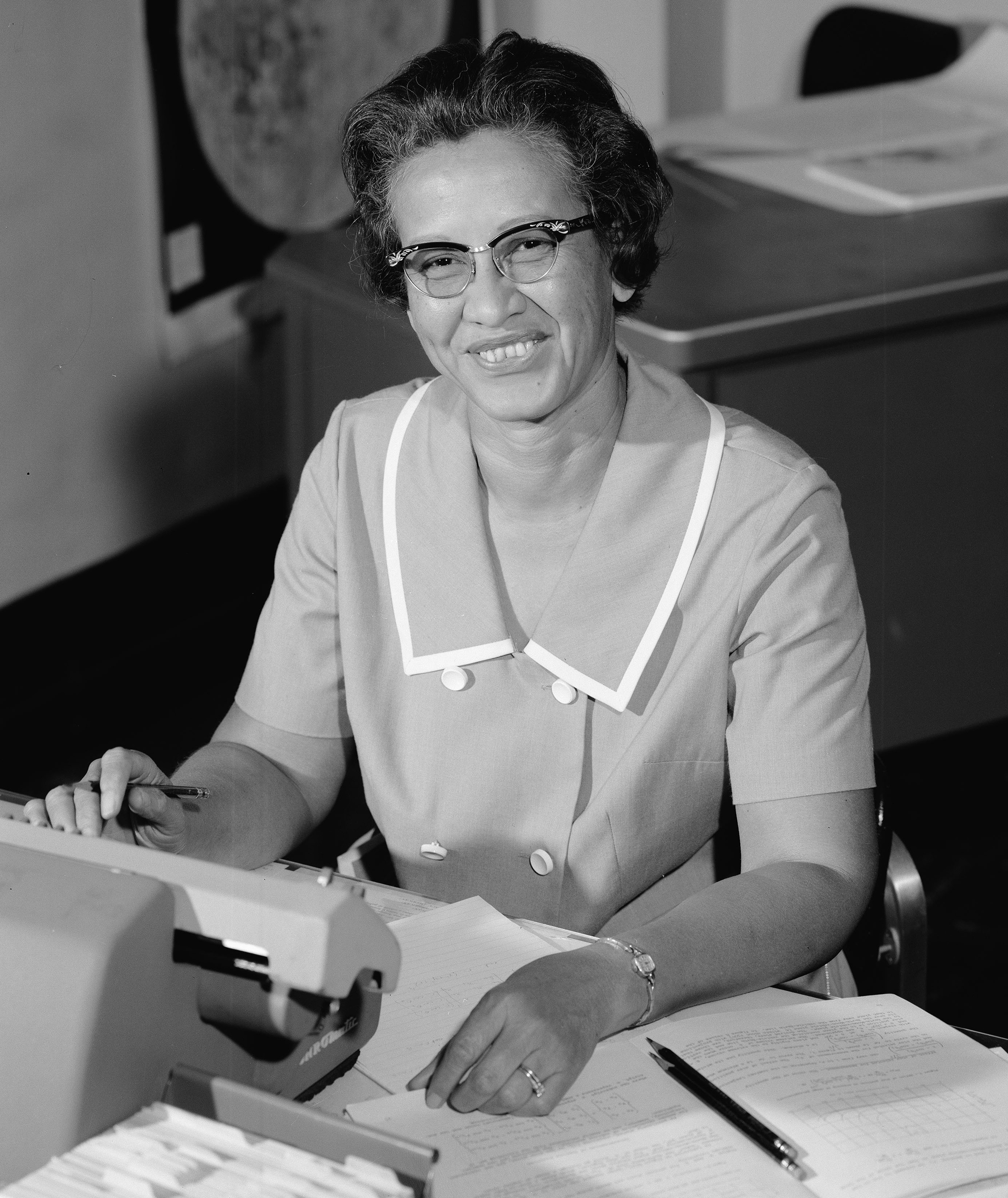
    The gathering was peaceful, and the security forces did not intervene. Armoured vehicles were visible in the distance, with commanders peering at the proceedings through binoculars.
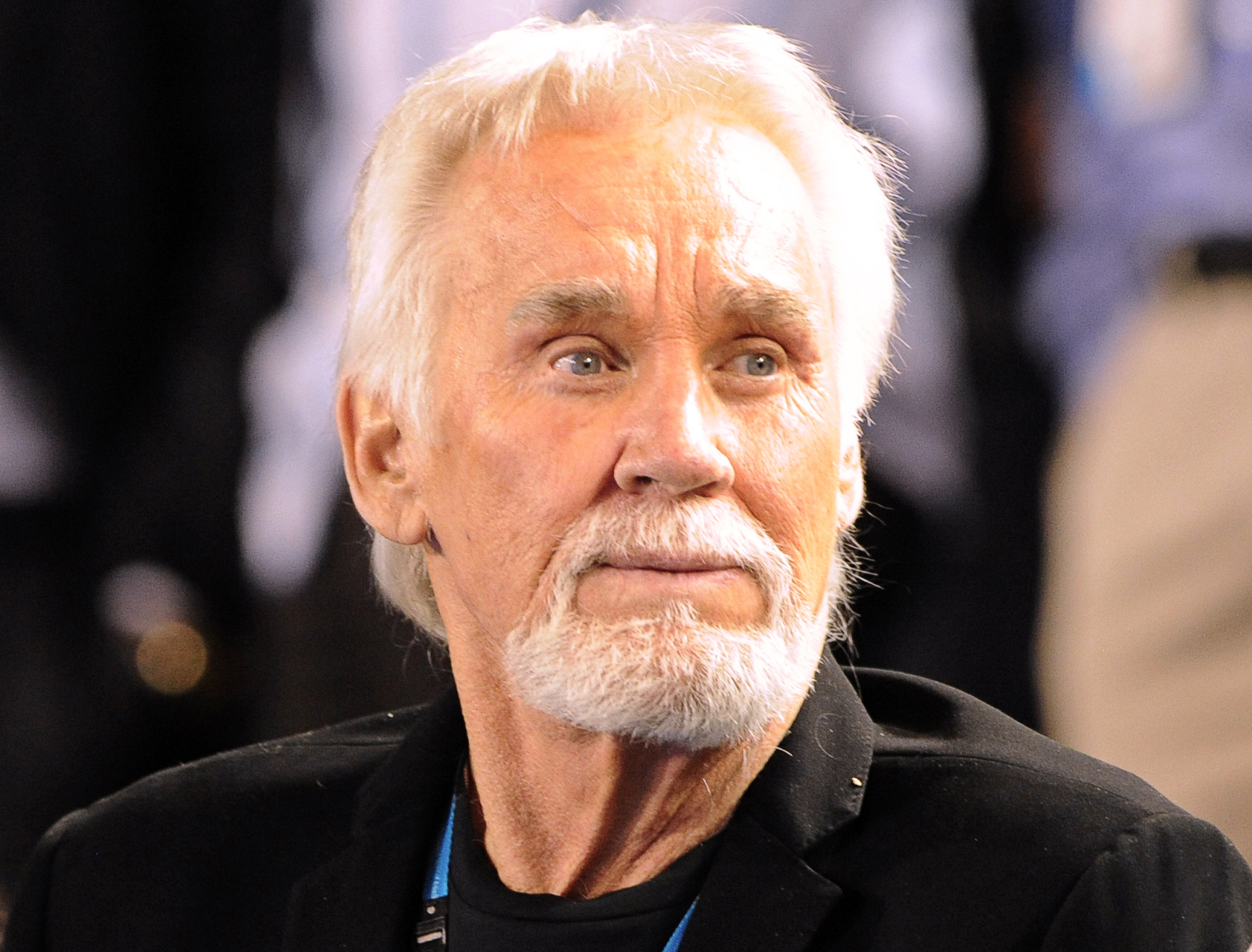
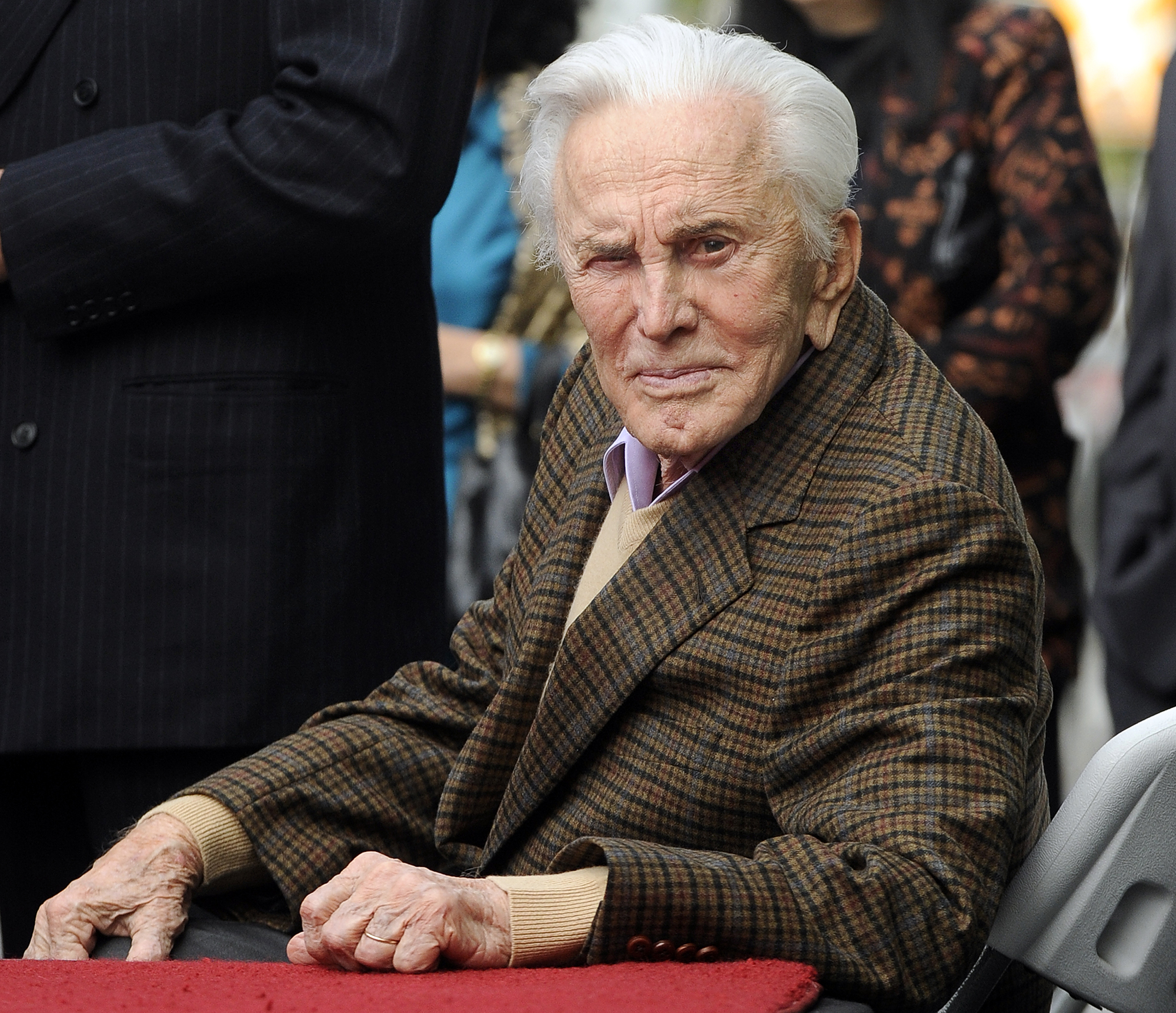
    I returned to the hotel in the afternoon. It was packed with off-duty servicemen, eating in the dining room and drinking in the bar. In the early evening, then president PW Botha declared the first state of emergency, in 36 of the country’s 260 magisterial districts. As he spoke on television, servicemen and other patrons burst out cheering.

    I took these photographs in the course of the funeral. They have never been published. Today, some three and a half decades later, I look at them with mixed feelings. Among others, Cradock and Lingelihle, have had a troubled post-apartheid history. I wonder whether the people in these images would feel they have really been liberated, and, if not, who or what they would now regard as their enemy.

    Riaan de Villiers is a writer, journalist and publisher.

    Images shot on Fuji colour transparency film; scanned and retouched by Orms, Cape Town.

    Category: NewsTag: cradock, news, online, south africa
    26 December 2020 by Guest

    Munga madness | The non-stop Bloemfontein to Cape Town mountain bike race that only the toughest attempt

    It’s one of the world’s most brutal races: 1000km with minimal sleep. Munga riders go to some very dark places of the mind, as they battle winds in the Karoo. The winner managed his astonishing ride on only a single power nap.  The South African mountain biking psyche is competitive, and no event encapsulates the …

    • It’s one of the world’s most brutal races: 1000km with minimal sleep.
    • Munga riders go to some very dark places of the mind, as they battle winds in the Karoo.
    • The winner managed his astonishing ride on only a single power nap. 

    The South African mountain biking psyche is competitive, and no event encapsulates the ability to suffer through isolation, quite like the Munga.

    It routes from Bloemfontein to Wellington and although your elementary geography would identify that route as being mostly downhill, it ranks a brutal endeavour, by any measure.

    Alex Harris is the event organiser. An experienced climber, extreme adventure racer and explorer, Harris wished to create a uniquely South African endurance cycling challenge, through the Karoo. Since 2015 he has been routing South Africa’s hardiest mountain bikers through 1000km of unforgiving gravel riding.

    The Munga is deceptively simple in principle: riders have five days to get from Bloemfontein to Doolhof farm, in the Bainskloof. And none of that 1000km route includes the fast-rolling N1’s tarred surface.

    Very little sleep – or help from others

    With the benefit of a plotted GPS route and the latest navigational bike computer guidance, it all sounds deceptively unassuming, but nobody can prepare riders for the misery of those Karoo headwinds. Or being alone, at 02:00, on a corrugated gravel road climb, without energy or motivation.

    Although the Munga is a test of the self for most of the riders, some race it with intent. Sleep is minimal, with riders often power napping at the five mandatory checkpoints along the route. The longer you sleep, the more unlikely your Munga is to continue.

    The Munga rules are strict. Riders must finish the race with the same bicycle frame. If your frame cracks, you had better be a genius with cable ties and insulation tape, because nobody can borrow you another frame to finish with. All other components can be replaced during the race, if they fail.

    Despite being a solo race, similarly paced riders do form groups, but they must adhere to strict drafting rules. As such, riders who are travelling inline stay 5m apart to prevent anyone from enjoying an aerodynamic advantage.

    If you run low on energy or motivation in the dark, somewhere in the Karoo, nobody is allowed to tow you. Those who suffer a huge mechanical failure, are allowed to cross the finish line carrying their bike, but it must have both wheels still attached.

    ALSO READ: Conquer any canyon with this new German 150mm 29er

    Munga, Cycling

    Superhuman ride for the win

    The 2020 Munga was won by Hansie Joubert, who rode the testing 1000km from Bloemfontein to Wellington in only 56h:50m. What makes his achievement even more remarkable, is that he did that with only 20 minutes of sleep.

    Hansie rode a 29er hardtail mountain bike, equipped with a unique fork. To save weight, whilst retaining some suspension function on those badly corrugated Karoo gravel roads, Hansie opted for an Icelandic Lauf fork.

    These carbon-fibre mountain bike forks don’t have a traditional air spring or damper, but use glass fibre leaf springs to absorb the terrain you are riding over.

    The Lauf fork is light and perfect at smoothing over corrugated surfaces and preventing numbness of the hands – which is a very real issue when you are riding for nearly three days, nonstop, on South African gravel roads.

    Some of the Munga’s most inspiring stories are those riders finish toward the back of the pack, on Monday morning, long after the likes of Hansie Joubert had slept and recovered. They suffer through nearly five days and nights of the Karoo’s windiness, absence of shade and unforgiving loneliness. 

    JOIN RIDE24 ON INSTAGRAM.

    Category: NewsTag: cradock, graaff reinet, hofmeyer, karoo, news
    24 December 2020 by Guest

    PAN AFRICAN RESOURCES PLC – Production guidance and senior management changes – SENS

    This feature is now exclusively available to Moneyweb Insider Gold subscribers. Subscribe for full access to all our share and unit trust data tools, our award-winning articles, and support quality journalism in the process. Click here to Book Accommodation in Cradock, Graaf Reinett, Hofmeyer or surrounds. Article source: https://www.moneyweb.co.za/mny_sens/pan-african-resources-plc-production-guidance-and-senior-management-changes/

    This feature is now exclusively available to Moneyweb Insider Gold subscribers.

    Subscribe for full access to all our share and unit trust data tools, our award-winning articles, and support quality journalism in the process.

    Category: NewsTag: cradock, news, online, south africa
    24 December 2020 by Guest

    Kiwis’ Covid Christmas: Big need, but even bigger heart

    Thanks to the pandemic, New Zealanders scattered across the globe are celebrating Christmas in different ways. As we count down to the big day, Kiwis on each continent share what the festive season will look like for them. In the final story in our seven-part series, Katarina Williams speaks to Wendy Stewart – most recently …

    Thanks to the pandemic, New Zealanders scattered across the globe are celebrating Christmas in different ways. As we count down to the big day, Kiwis on each continent share what the festive season will look like for them. In the final story in our seven-part series, Katarina Williams speaks to Wendy Stewart – most recently of Auckland – in South Africa’s rural Karoo.

    Wendy Stewart is the first to admit her life in South Africa is anything but conventional.

    Her work revolves around feeding those in need in the dry, dusty part of Karoo on the republic’s Eastern Cape – an area beset by high unemployment, a high number of orphans, poverty and HIV.

    Stewart said the area hasn’t changed much since apartheid ended more than a quarter of a century ago, and poverty is rife. People do what they need to do to survive.

    READ MORE:
    * Kiwis’ Covid Christmas: Six months in a Colombian lockdown
    * Kiwis’ Covid Christmas: Stuck in Vietnam in ‘the nicest possible way’
    * Kiwis’ Covid Christmas: Antarctica, the pandemic’s untouched frontier
    * Kiwis’ Covid Christmas: Fear and testing in Los Angeles
    * Kiwis’ Covid Christmas: French Alps and pineapple lumps
    * Kiwis’ Covid Christmas: Counting blessings and talking travel

    Wendy Stewart, who lives in Karoo, South Africa, will continue providing meals to the community this Christmas.

    “Yes, they steal if they can, they fight, their culture is noisy and rough,” Stewart said.

    But amongst the deprivation and overwhelming need, Stewart and her husband Gordon – who met and married in New Zealand in 2006 – have chosen to serve others through their non-profit registered charity the SonShine Care Group.

    As South Africa is confronted by a second wave of the virus, Stewart isn’t afraid to hug children when they need it, visit the homes of the sick, or open her doors to the hungry – all the while wearing masks and practising good hand hygiene.

    New Zealander Wendy Stewart, left, says she won't be exchanging gifts with her husband Gordon on Christmas Day. The pair says there is nothing they need, and would rather give to others like these children in the community of Karoo, South Africa where they live.

    As well as feeding her community, who can range from school drop-outs, “old men with no hope, young troublemakers, those out of jail”, Stewart also has seven orphaned children living with her. The youngest, MJ, is just 13 months old.

    Like so many other days, Stewart will spend Christmas Day in the kitchen. Chicken biryani, salads and a macaroni dish will be on the menu, followed by carrot and chocolate cake with custard and ice cream.

    “We will open our door, and serve those who come. Each year so far, we have shared our table with others. This year, we will set up a table outside for those who come.

    “We don’t do presents [for each other], as there is nothing we need, and [we] would rather give to others.

    Christmas Day 2019 at New Zealander Wendy Stewart's home in Karoo, Eastern Cape, South Africa.

    “I would love to spend up large on books, Lego, Meccano and cars for our boys, but we can’t do that. It is a dichotomy of push-pull for us. My mother’s heart wants to buy some good toys or books, but how can I when we need to pay for extra schooling for our boys, and buy food to deliver into our community?” Stewart said.

    Placing a table outside this year has become another necessary symptom of the Covid-19 pandemic. South African has recorded more than 940,200 cases, with almost 25,000 deaths to date. In reality, the number infected and killed in probably significantly higher.

    Poverty is rife in rural Karoo on South Africa's Eastern Cape says New Zealander Wendy Stewart.

    The republic has been confronted with a second wave of Covid-19 infections this month, with scientists uncovering new evidence suggesting at least a quarter of the country’s population – potentially as high as a third – may have been infected during the first wave in July, the BBC reported.

    Last week, the second wave was being blamed on a series of mass end-of-year student parties known as “rage festivals” which had become super spreading events. South African Health Minister Zweli Mkhize warned that if the case trajectory continued, the health system would be overwhelmed.

    Mkhize announced a new variant of the virus, known as 501.V2, had been detected in South Africa. While it is different to the new strain found in Britain, it was similar in that it was spreading rapidly. It also appeared to be infecting more young people than in the first wave.

    Four provinces – Western Cape, Eastern Cape, KwaZulu Natal and Gauteng Province – were the most affected by the resurgence.

    South Africa is in the midst of a second wave of coronavirus, as many people travel across provinces for vacations and to visit family this festive season.

    It was difficult to get an accurate picture of how Covid-19 was impacting all of Africa, because some nations did not have the infrastructure, equipment – including reagents – and human resources needed to carry out mass testing, the World Health Organisation said.

    The bulk of testing in Africa – considered to be low compared to other continents – was being done in South Africa, Morocco, Ethiopia, Egypt, Nigeria, Cameroon, Rwanda, Uganda and Ghana.

    Prime Minister Ambrose Dlamini, 52, of Eswatini, a small mountain kingdom northeast of South Africa, was believed to be the first world leader to succumb to Covid-19.

    COVID-19 BY THE NUMBERS

    • South Africa: 940,212 confirmed cases; 25,246 deaths
    • African country with highest case numbers: South Africa
    • African country with highest death toll: South Africa

    Source: Johns Hopkins University

    Category: NewsTag: cradock, graaff reinet, hofmeyer, karoo, news
    23 December 2020 by Guest

    Joe Burns praises Australian coach Justin Langer for keeping faith in him

    To use this website, cookies must be enabled in your browser. To enable cookies, follow the instructions for your browser below. Facebook App: Open links in External Browser There is a specific issue with the Facebook in-app browser intermittently making requests to websites without cookies that had previously been set. This appears to be a …

    To use this website, cookies must be enabled in your browser. To enable cookies, follow the instructions for your browser below.

    Facebook App: Open links in External Browser

    There is a specific issue with the Facebook in-app browser intermittently making requests to websites without cookies that had previously been set. This appears to be a defect in the browser which should be addressed soon. The simplest approach to avoid this problem is to continue to use the Facebook app but not use the in-app browser. This can be done through the following steps:

    1. Open the settings menu by clicking the hamburger menu in the top right
    2. Choose “App Settings” from the menu
    3. Turn on the option “Links Open Externally” (This will use the device’s default browser)

    Enabling Cookies in Internet Explorer 7, 8 9

    1. Open the Internet Browser
    2. Click Tools Internet Options Privacy Advanced
    3. Check Override automatic cookie handling
    4. For First-party Cookies and Third-party Cookies click Accept
    5. Click OK and OK

    Enabling Cookies in Firefox

    1. Open the Firefox browser
    2. Click Tools Options Privacy Use custom settings for history
    3. Check Accept cookies from sites
    4. Check Accept third party cookies
    5. Select Keep until: they expire
    6. Click OK

    Enabling Cookies in Google Chrome

    1. Open the Google Chrome browser
    2. Click Tools Options Privacy Options Under the Hood Content Settings
    3. Check Allow local data to be set
    4. Uncheck Block third-party cookies from being set
    5. Uncheck Clear cookies
    6. Close all

    Enabling Cookies in Mobile Safari (iPhone, iPad)

    1. Go to the Home screen by pressing the Home button or by unlocking your phone/iPad
    2. Select the Settings icon.
    3. Select Safari from the settings menu.
    4. Select ‘accept cookies’ from the safari menu.
    5. Select ‘from visited’ from the accept cookies menu.
    6. Press the home button to return the the iPhone home screen.
    7. Select the Safari icon to return to Safari.
    8. Before the cookie settings change will take effect, Safari must restart. To restart Safari press and hold the Home button (for around five seconds) until the iPhone/iPad display goes blank and the home screen appears.
    9. Select the Safari icon to return to Safari.
    Category: NewsTag: cradock, news, online, south africa
    23 December 2020 by Guest

    One-day getaways for a festive season like no other

    Dirt road on stormy day in Karoo near Sutherland. (Photo by Gallo Images/GO!/Karin Schermbrucker) As we continue to practise caution and social distancing over the holidays, we can count ourselves lucky that we live in a country of incredible natural beauty. If you’re looking for ways to pop out of the house during the holidays, …


    Dirt road on stormy day in Karoo near Sutherland. (Photo by Gallo Images/GO!/Karin Schermbrucker)

    As we continue to practise caution and social distancing over the holidays, we can count ourselves lucky that we live in a country of incredible natural beauty. If you’re looking for ways to pop out of the house during the holidays, a quick drive out to one of many national parks and mountain passes is one of the safest and rejuvenating ways to get some fresh air and enjoy the scenery, be it mountain, desert or sea.

    To the mountains:  The Drakensberg

    The home of South Africa’s highest mountain range, and one of the best tourism spots in the country, the “berg”, and its crisp fresh mountain air is a stunning getaway during this time of the year. The name Drakensberg roughly translates to “dragon mountains” or “the mountains of dragons” in Afrikaans. It’s a two- to three-hour drive from Durban and up to four-and-a-half-hour drive from Johannesburg.

    The spectacular mountain range, with its jagged mountain peaks and leafy valleys, rises to over 3,000 metres in height. In between these peaks are plateaus, valleys, slopes and mountain passes that allow for hiking, walking and cycling.

    In isiZulu, the region is known as uKhahlamba (a barrier of spears) and has a World Heritage Site called uKhahlamba Drakensberg Park.  The remarkable natural site was declared a World Heritage Site in 2001. With its many caves and rock shelters, the park also boasts some grasslands, river valleys and rocky gorges. The site has a large group of paintings made by the San people over a period of 4,000 years that depict animals and people.

    The imposing Amphitheatre in the Royal Natal Nature Reserve is probably one of the most photographed views in the Drakensberg. The best views of this towering wall of rock can be found on the Tugela Ravine day hike. (Photo by Gallo Images/GO!/Simone Scholtz)
    The Drakensberg is a magical destination, a place that offers excitement and tranquility in equal measures. There’s some rock-hopping required on the final stretch of the Tugela Ravine day hike. The Amphitheatre Wall is visible behind the clouds. (Photo by Gallo Images/GO!/Simone Scholtz)
    A scenic view of the ATKV Drakensville Holiday Resort. (Photo by Gallo Images / GO! / Luke Patterson)

    What to do: Champagne Valley

    Champagne Valley is nestled between Cathkin Peak and Champagne Castle, the latter being the second-highest peak on the Drakensberg mountain range and in South Africa, at an altitude of 3,377 metres. The story goes that Champagne Castle got its name after two intrepid mountaineers made it to the top and just as they were about to celebrate their climb by popping a bottle of Champagne, the guide dropped the bottle on a rock.

    Areas like Champagne Valley in central Drakensberg are popular for activities like hot-air ballooning, hiking, birdwatching, golfing, horse riding, river rafting, quad biking, mountain biking, abseiling and fishing. The valley is easily accessible from the N3 — the major route between Gauteng and KwaZulu-Natal.

    Cause for pause: The wildlife

    The main predator in the region is the leopard and there are large mammals like the oribi, grey rhebuck, grey duiker, eland, Klipspringer, Cape bushbuck and the mountain reedbuck. Mongoose, genet, Chacma baboons, porcupines and rock hyrax can be found throughout the Drakensberg Park mountains.

    For birdwatchers, there over 300 species of birds. Some of the specials that can be found are wattled crane, Cape vulture, bearded vulture, orange-breasted rockjumper and yellow-breasted pipit. In terms of birding routes, there is the Lower Drakensberg Foothills Birding Route and the source of this route is found in the World Heritage Site at the popular Sani Pass, where you can find the highest pub in southern Africa.

    ***

    To the desert: The Karoo

    In a time of physical distancing, the allure of the desert in the form of the Tankwa Karoo National Park has never been greater. Here you can partake in outdoor activities or simply spend time recuperating from the pressures of 2020. It is also one of the most unique ecosystems in the rich tapestry of the South African outdoors.

    The road from Cape Town to the Tankwa Karoo National Park is straight and flat. Heading there, to spice things up, we suggest a longer route that takes approximately four hours. It follows the N1 out of town for approximately 240km, before taking a turn to the right on to the R354.

    This park was named after the Tankwa River that runs through it and was proclaimed a part of the South African National Parks system in 1986. The park consists of three distinct ecosystems, “pure desert in the west, open grasslands in the centre and the Roggeveld Mountains in the east”.

    It boasts numerous mammals adapted to desert living, such as the Cape mountain zebra, gemsbok, red hartebeest and springbok. Other small animals, such as lizards and mongoose, share the land with the larger mammals.

    For those interested in the fauna side of the park, the landscape is also surprisingly rewarding. “The remarkable endemism and diversity of the Succulent Karoo flora, generally at its most spectacular from August to October, is one of the more prominent aspects of the park… At present, the plant species list for the park stands at 780.

    A woman admiring the view at the Elandsberg lookout, which  is about 4km from Elandsberg Wilderness Camp. (Photo by Gallo Images/GO!/Karin Schermbrucker)
    Where you hear the sun rise. About three hours?’ drive from Cape Town, about 150km northeast of Ceres, lies a young park in an isolated, semi-desert area. Paulshoek cottage from a distance in the Tankwa Karoo National Park. (Photo by Gallo Images/GO!/Dawie Verwey)

    What to do

    Activities in the park are in line with the remoteness and landscape of the space. Visitors can go on self-drive game watching trips to see the game that lives in this part of the world. But due to the limited water supply and unforgiving landscape, the park does not have the same variety of game as other national parks, such as Addo or Kruger might have.

    However, an aspect where it stands back for none is birdwatching. According to SANParks, “Tankwa Karoo National Park is a well-known stop for birding enthusiasts in search of Karoo endemics…[with] fine Karoo birding and, perhaps most notably for hardened birders, above-average chance of finding the enigmatic Burchell’s courser.” Birding is described as at a peak from August to October, with a full list of birds in the park available here.

    For the more adventurous among us, the park offers 4×4 routes, namely the Leeuberg 4×4 Eco-trail and the Watervlei 4×4 Route.

    Cause for pause: The way back

    A shorter road back takes you through the idyllic Western Cape town of Ceres. This is a perfect half-way stop to stretch your legs and grab something to eat at Homegrown Bakery Cafe Market; This Ceres institution serves breakfast, lunch, coffee and freshly baked bread in a beautiful and modern space. And if that isn’t enough, you can buy organic produce, flowers and gifts – ensuring you arrive home fully stocked. They are open Monday to Friday 8am to 5pm and Saturdays from 8am to 1pm.

    ***

    To the peri-urbanites: The outskirts Port Elizabeth

    “Wide Open Spaces” is the name of the campaign that Nelson Mandela Bay Tourism has launched to attract visitors to the city of Port Elizabeth over the festive season. And these wide-open spaces can be enjoyed whether you are hiking, jogging, cycling, swimming, surfing or simply driving along one of the many scenic routes.

    Kragga Kamma Game Park. (Image by Aaron Hsu for flickr)
    Schoenmakerskop. (Image by Richard Hipkin for Flickr)
    Schoenmakerskop. (Image by Abbobbotho for Flickr)

    What to do: Drive and feast your eyes and your belly 

    Watch the sun coming up over the sea while leaving the city via Marine Drive, which hugs the coastline and will bring you about 10km later to the quaint seaside village of Schoenmakerskop. Here you can see the Sacramento Cannon, which was salvaged from the wreck of the Sacramento, a Portuguesewarship that ran aground near PE in June 1647 on her maiden voyage. You can also walk the 8km Sacramento Trail that follows the coast to Sardinia Bay and return via a path along the top of the dunes.

    From Schoenmakerskop it is about a 9km drive to Sardinia Bay Beach, where you can walk endlessly on this spectacularly beautiful sandy beach. As dogs are welcome on this beach, picnics with your pooch is a popular pastime here.

    Back in the car, set your GPS for the Crossways Country Kitchen, the ideal spot for a sumptuous lunch. But make sure you follow the alternative route via the coastal town of Seaview and on to Maitlands, where the Maitlands beach and dunes are a sight to behold.

    Crossways Country Kitchen is located in the Crossways Farm Village, a contemporary rural town where sustainability is the name of the game. The restaurant serves fresh, tasty food with most of the herbs and veggies for the dishes freshly picked from its organic garden. Children can play safely outdoors and even well-behaved dogs are welcome.

    Cause for pause: The wildlife

    If you have not had your fill of the outdoors by now, stop on the way back at the Kragga Kamma Game Park. Here, barely on the outskirts of the city, you can see free-roaming white rhino, buffalo, cheetah, giraffe, zebra, nyala, bontebok, lechwe and many more, including some wonderful birdlife, all while driving through the park in your own car. Game drives are also offered and a restaurant provides snacks and light meals. The park is now also the home of four lions rescued from appalling conditions in captivity in Ukraine.

    ***

    To the sea: South Coast

    The South Coast has a wide variety of areas with warm beaches, 58 in total, spread out over 17okm; peaceful lagoons, rocky coves and great surf spots. Among its Blue Flag-awarded beaches are Ramsgate, Hibberdene, Margate, and Marina beaches. Other popular South Coast beaches are St Michaels on Sea, Lucien Beach, Banana Beach, Clansthal Beach. Go further inland you can enjoy forests, grassy hills, and plenty of greenery and a stretch called the Hibiscus Coast, named after the colourful hibiscus trees.

    Boxy (Ostracion Cubicus fish), Aliwal Shoal, by Derek Keats
    Turtle, Aliwal Shoal, by Derek Keats
    Coral Rockcod (Cephalopholis miniata), Aliwal Shoal, by Derek Keats
    Scubadivers Image by Aviv Perets for Unsplash
    Divers, Image by Gerald Schombs for Unsplash

    What to do

    For scuba divers and snorkelers, go no further than the Blue Ocean Dive Resort in the subtropical part of the South Coast, Umkomaas. Explore great dive spots like Aliwal Shoal, which is KZN’s very own rocky reef. There’s a wide variety of sharks that live in these waters. Divers can expect to see; Zambezi sharks, hammerhead sharks, white tip reef sharks, ragged-tooth sharks, oceanic black tips and tiger sharks.

    Cause for pause: The spectacular Oribi Gorge

    Although now exactly on the coast, the Oribi Gorge makes for a brilliant day trip on its own, or as part of a drive down the South Coast. It’s about a 107 kilometres from the Blue Ocean Dive Resort, a scenic drive just over an hour along the coast on the N2 all the way down to Port Shepstone, then just under 30 kilometres inland from the coastal town. The canyon is a sight to behold. Cut by the Mzimkulwana river, it is 400 metres deep and about 4.5 kilometres at its widest point. Depending on what you would like, there are numerous activities, from zip-lining, game drives, hiking trails or even just simply birdwatching. And if you’re staying longer various accommodation options. But if you’re keeping it simple and just keen on a day’s drive to take in the spectacle, pack yourself a picnic basket and park off on one of the many picnic spots along the river banks. DM/ ML

    Gallery


    Comments – share your knowledge and experience

    Please note you must be a Maverick Insider to comment. Sign up here or sign in if you are already an Insider.

    Everybody has an opinion but not everyone has the knowledge and the experience to contribute meaningfully to a discussion. That’s what we want from our members. Help us learn with your expertise and insights on articles that we publish. We encourage different, respectful viewpoints to further our understanding of the world. View our comments policy here.

    No Comments, yet

    Category: NewsTag: cradock, graaff reinet, hofmeyer, karoo, news
    21 December 2020 by Guest

    Joe Burns praises Australian coach Justin Langer for keeping faith in him

    To use this website, cookies must be enabled in your browser. To enable cookies, follow the instructions for your browser below. Facebook App: Open links in External Browser There is a specific issue with the Facebook in-app browser intermittently making requests to websites without cookies that had previously been set. This appears to be a …

    To use this website, cookies must be enabled in your browser. To enable cookies, follow the instructions for your browser below.

    Facebook App: Open links in External Browser

    There is a specific issue with the Facebook in-app browser intermittently making requests to websites without cookies that had previously been set. This appears to be a defect in the browser which should be addressed soon. The simplest approach to avoid this problem is to continue to use the Facebook app but not use the in-app browser. This can be done through the following steps:

    1. Open the settings menu by clicking the hamburger menu in the top right
    2. Choose “App Settings” from the menu
    3. Turn on the option “Links Open Externally” (This will use the device’s default browser)

    Enabling Cookies in Internet Explorer 7, 8 9

    1. Open the Internet Browser
    2. Click Tools Internet Options Privacy Advanced
    3. Check Override automatic cookie handling
    4. For First-party Cookies and Third-party Cookies click Accept
    5. Click OK and OK

    Enabling Cookies in Firefox

    1. Open the Firefox browser
    2. Click Tools Options Privacy Use custom settings for history
    3. Check Accept cookies from sites
    4. Check Accept third party cookies
    5. Select Keep until: they expire
    6. Click OK

    Enabling Cookies in Google Chrome

    1. Open the Google Chrome browser
    2. Click Tools Options Privacy Options Under the Hood Content Settings
    3. Check Allow local data to be set
    4. Uncheck Block third-party cookies from being set
    5. Uncheck Clear cookies
    6. Close all

    Enabling Cookies in Mobile Safari (iPhone, iPad)

    1. Go to the Home screen by pressing the Home button or by unlocking your phone/iPad
    2. Select the Settings icon.
    3. Select Safari from the settings menu.
    4. Select ‘accept cookies’ from the safari menu.
    5. Select ‘from visited’ from the accept cookies menu.
    6. Press the home button to return the the iPhone home screen.
    7. Select the Safari icon to return to Safari.
    8. Before the cookie settings change will take effect, Safari must restart. To restart Safari press and hold the Home button (for around five seconds) until the iPhone/iPad display goes blank and the home screen appears.
    9. Select the Safari icon to return to Safari.
    Category: NewsTag: cradock, news, online, south africa
    • Previous
    • Page 1
    • Page 2
    • Page 3
    • Page 4
    • Page 5
    • Interim pages omitted …
    • Page 157
    • Next
    WE LOVE CRADOCK.

    COPYRIGHT MyCradock · DESIGN BY REACH TRUST
    All Rights Reserved · Powered by Straton Solar