You have cookies turned off
To use this website, cookies must be enabled in your browser. To enable cookies, follow the instructions for your browser below.

My Cradock
Cradock News Classifieds and Directory
You have cookies turned off To use this website, cookies must be enabled in your browser. To enable cookies, follow the instructions for your browser below. Click here to Book Accommodation in Cradock, Graaf Reinett, Hofmeyer or surrounds. Article source: https://www.theaustralian.com.au/sport/cricket/the-stinky-batting-statistic-proving-aussie-top-order-has-failed-miserably-against-india/news-story/eea003f9d4a73569f7fa4be1d1388c6f
To use this website, cookies must be enabled in your browser. To enable cookies, follow the instructions for your browser below.
The death toll has increased to three in the four-truck collision on the N10 between Cradock and Cookhouse on Thursday morning. The third body was discovered as rescue and recovery teams continued to clear the scene. The body was retrieved from the same truck where the first two bodies were discovered. The road remains closed …
The death toll has increased to three in the four-truck collision on the N10 between Cradock and Cookhouse on Thursday morning.
The third body was discovered as rescue and recovery teams continued to clear the scene.
The body was retrieved from the same truck where the first two bodies were discovered.
The road remains closed to traffic as recovery personnel try to clear the wreckage.
All heavy-duty vehicle were travelling from Cradock direction towards Port Elizabeth when the accident happened. It is alleged a truck in front of three others may have slowed down or hit breaks for which lead to a pile up.?
The actual cause of the accident is under investigation, but speeding and failure to maintain a safe after distance have been cited as main contributed factors for the accident.
DispatchLIVE
Illustrative image | Sources: South African photographer George Hallett. (Photo: Mary-Ann Daniels) / Football icon Diego Maradona. (Photo by Gallo Images/City Press/Leon Sadiki) / Anti-apartheid activist Denis Goldberg. (Photo: Leila Dougan) / Advocate George Bizos. (Photo: Gallo Images / Jon Hrusa) / Anti-apartheid activist and ANC veteran Andrew Mlangeni. (Photo: EPA/ANDREW GOMBERT) / US actor …
Illustrative image | Sources: South African photographer George Hallett. (Photo: Mary-Ann Daniels) / Football icon Diego Maradona. (Photo by Gallo Images/City Press/Leon Sadiki) / Anti-apartheid activist Denis Goldberg. (Photo: Leila Dougan) / Advocate George Bizos. (Photo: Gallo Images / Jon Hrusa) / Anti-apartheid activist and ANC veteran Andrew Mlangeni. (Photo: EPA/ANDREW GOMBERT) / US actor Chadwick Boseman. (Photo: EPA-EFE/NINA PROMMER) / Los Angeles Lakers guard Kobe Bryant. (Photo: EPA/TANNEN MAURY) / Mexican chemical engineer Mario Molina. (Photo: EPA/CHEMA MOYA) / Musician Manu Dibango. (Photo: ANTONIO MUCHAVE) / Ruth Bader Ginsburg. (Photo: Andrew Harrer/Bloomberg via Getty Images) / NASA research mathematician Katherine Johnson. (Photo: EPA-EFE/NASA)
Aimee Stephens (7 December 1960 – 12 May 2020)
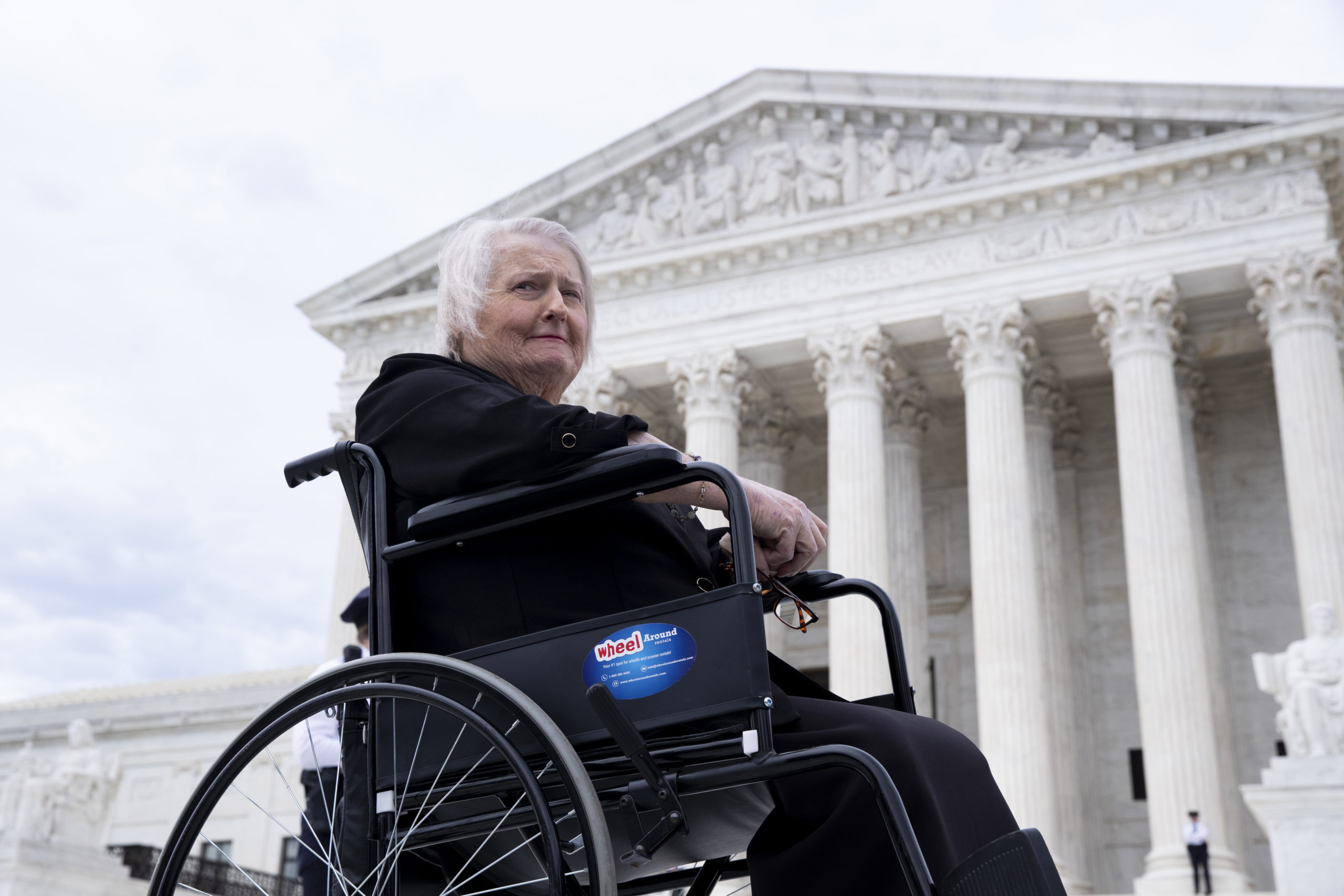
American transgender activist Aimee Stephens was fired from her job in 2013 when she told her boss that she planned to transition to female. She then sued the former employer for sex discrimination. The case was the first major transgender rights case to receive a full hearing in the US Supreme Court, in 2019. One month after her death, the Supreme Court ruled that federal law prohibits employment discrimination against LGBTQ workers.
Albert Uderzo (25 April 1927 – 25 March 2020)
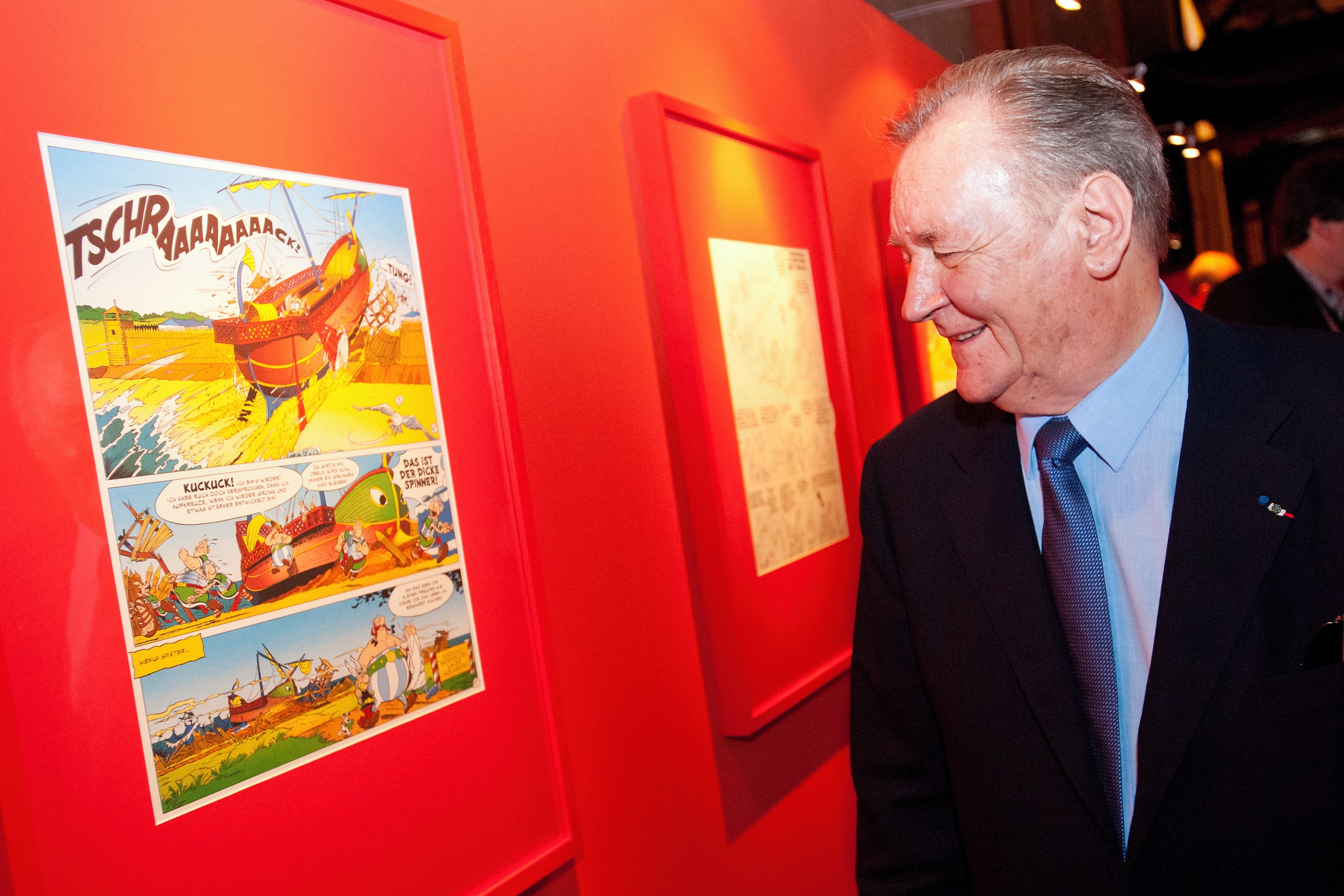
Legendary French illustrator Albert Uderzo was the co-creator and writer of the much-loved comic books featuring the exploits of Asterix the Gaul. He created the famous stories – about the adventures of Gaulish warriors fighting the Roman Empire – with his friend René Goscinny from 1959 onwards. The books have sold 370 million copies worldwide, in dozens of languages, and several stories have been turned into cartoons and feature films. His legacy continues as the series runs on under new ownership.
Andrew Mlangeni (6 June 1925 – 21 July 2020)
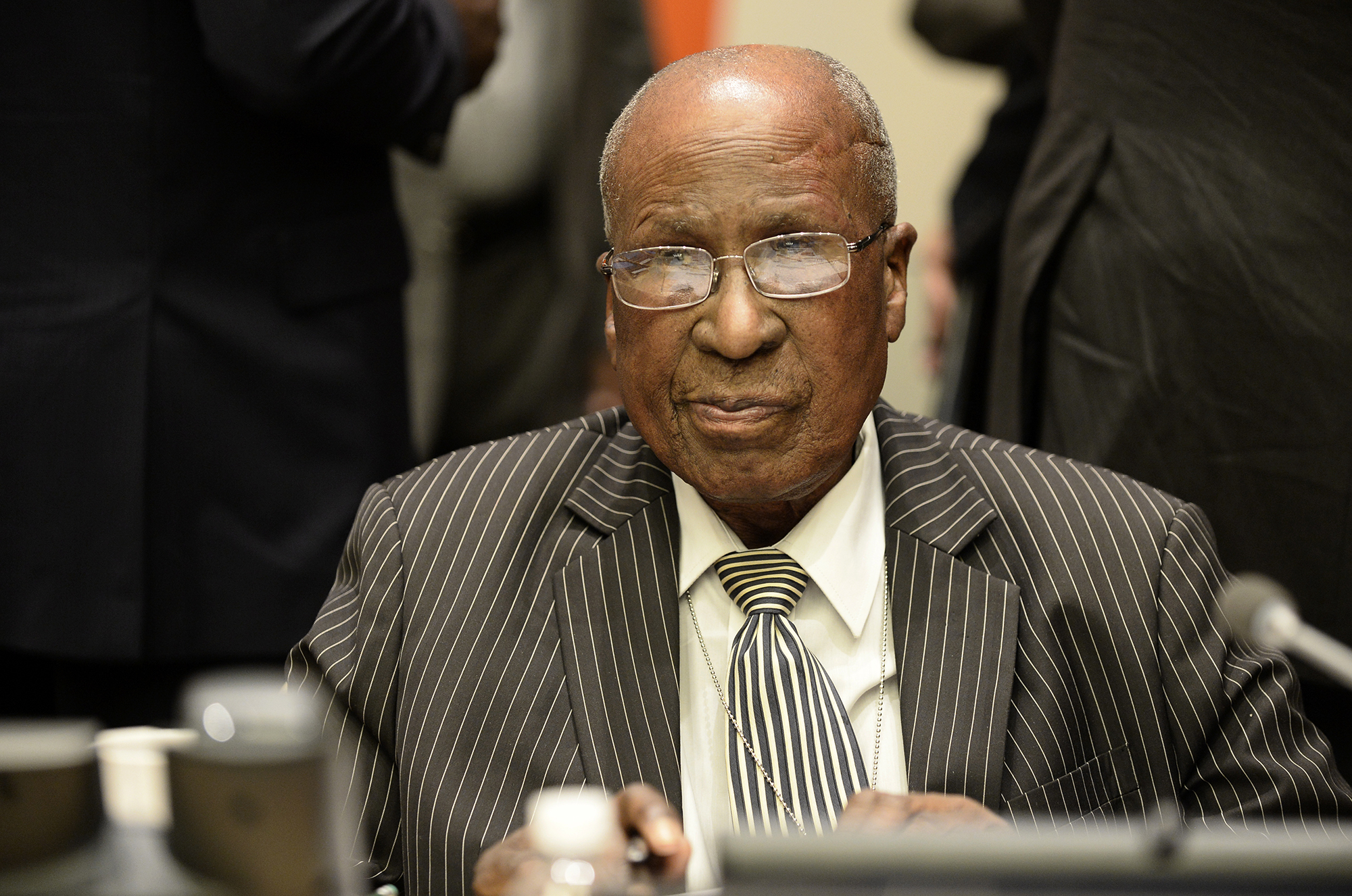
Mlangeni was a South African political activist and anti-apartheid campaigner who, along with Nelson Mandela and others, was imprisoned at the end of the famous Rivonia Trial. He spent 27 years in prison on Robben Island. After his release in 1989 and South Africa’s first democratic elections in 1994, Mlangeni served in Parliament from 1994 to 2004, and then again as a member of the National Assembly from 2009 until 2014, after which he retired.
Daniel arap Moi (2 September 1924 – 4 February 2020)
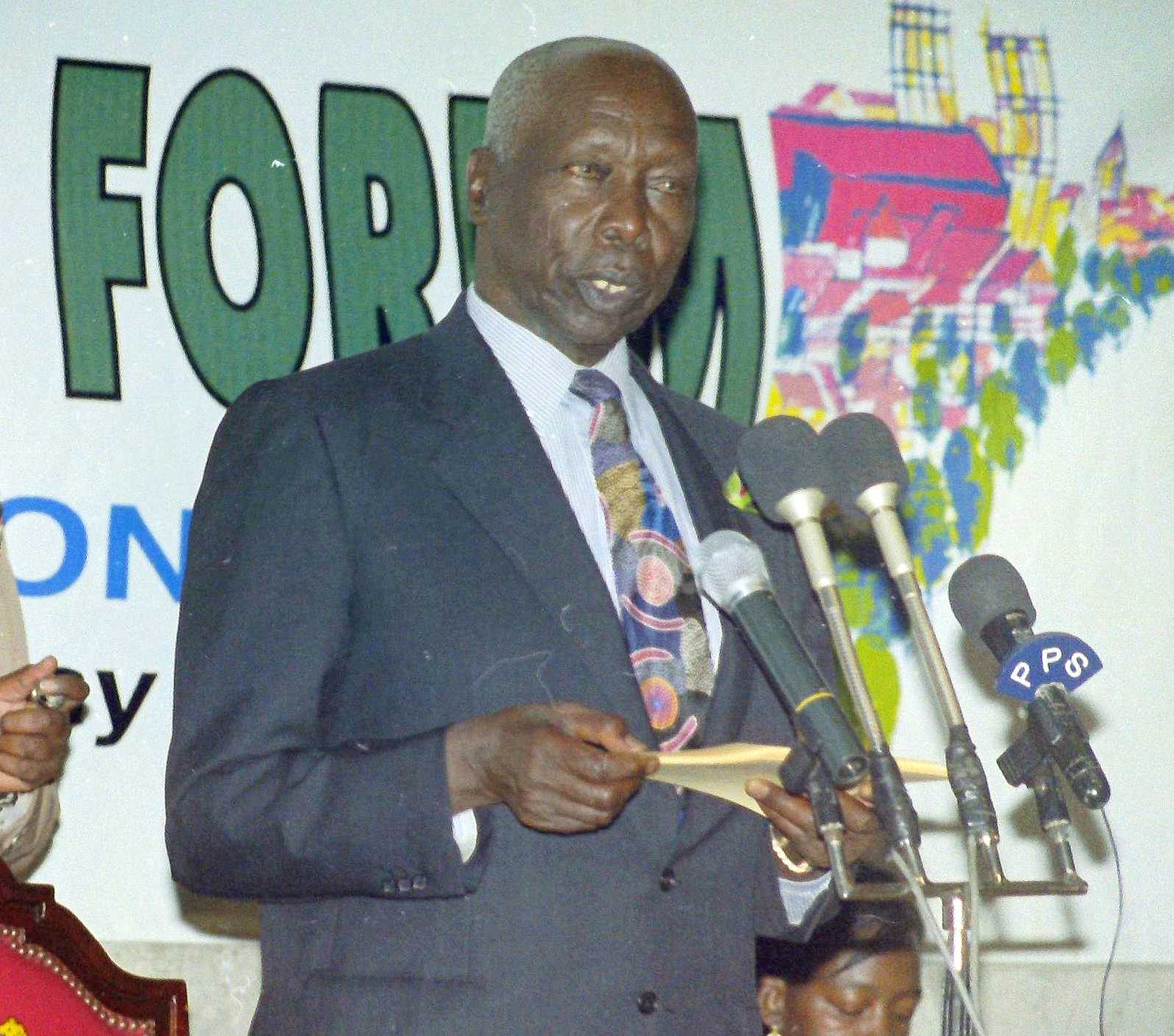
Former Kenyan president Daniel arap Moi was an autocratic leader who ruled for more than 20 years. He succeeded in keeping Kenya relatively stable compared with many of its neighbouring countries at the time, working for regional peace. However, the economy regressed under his watch and he failed to tackle intensifying poverty and widespread corruption.
Benjamin Mkapa (12 November 1938 – 24 July 2020)
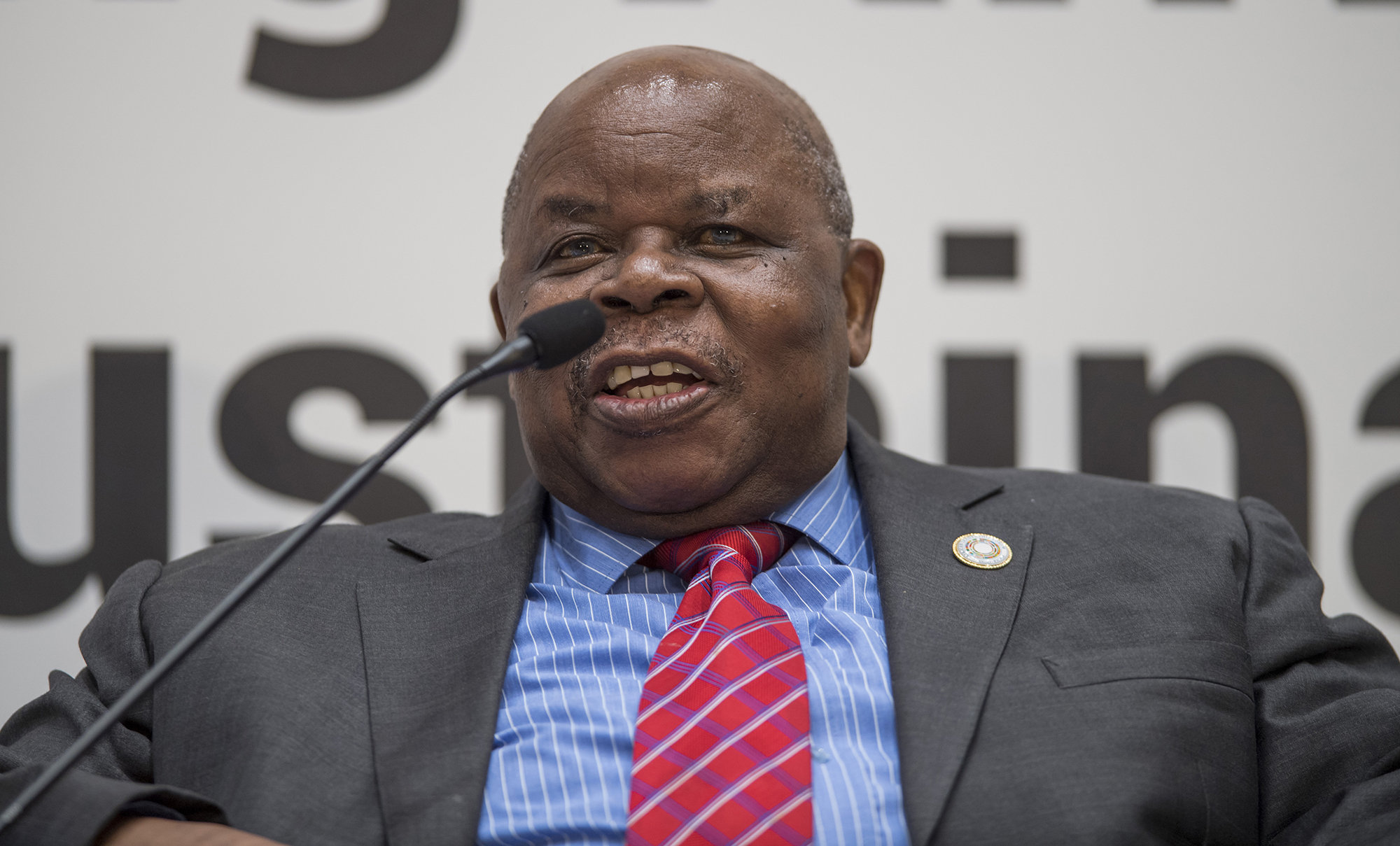
A former president of Tanzania, Benjamin Mkapa was committed to fighting AIDS and is credited with much of the country’s success in its response to HIV. In 1999, he declared HIV a national disaster and spearheaded the country’s national response by establishing the Tanzania Commission for AIDS. He also formed the Tanzania Parliamentarians AIDS Coalition (TAPAC) in 2001, which united high-level politicians in responding to the disease.
Bill Freund (6 July 1944 – 17 August 2020)
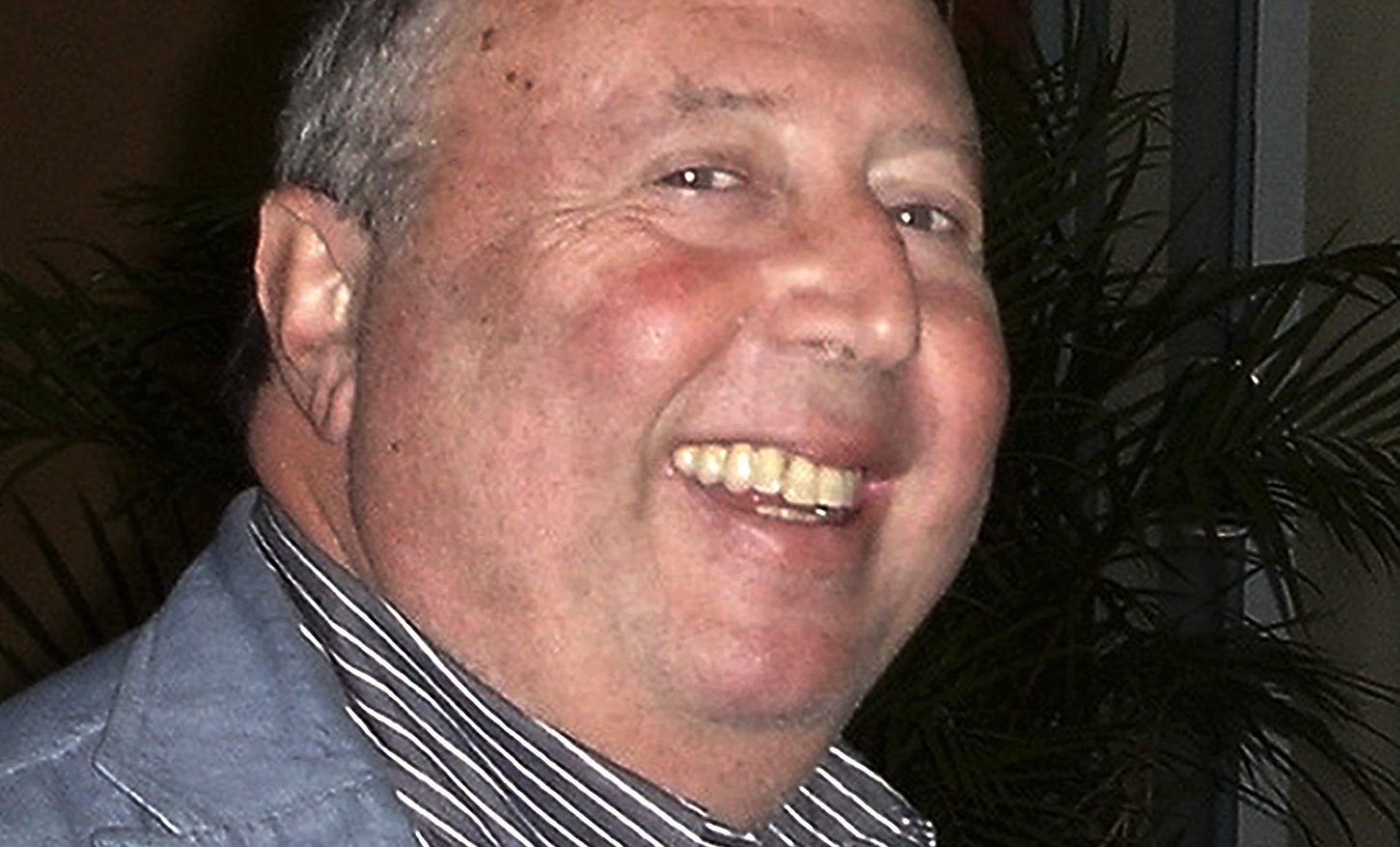
Described as one of the grandmasters of South African economic historiography, Willian (Bill) Freund he was a remarkable and prolific scholar. He was a professor emeritus of economic history at the University of KwaZulu-Natal and his research interests included African urban history and African and South African political economy and economic history. He had just finished work on his autobiography, Bill Freund: An historian’s passage to Africa, which is due to be published in May 2021 by Wits University Press.
Bill Withers (4 July 1938 – 30 March 2020)
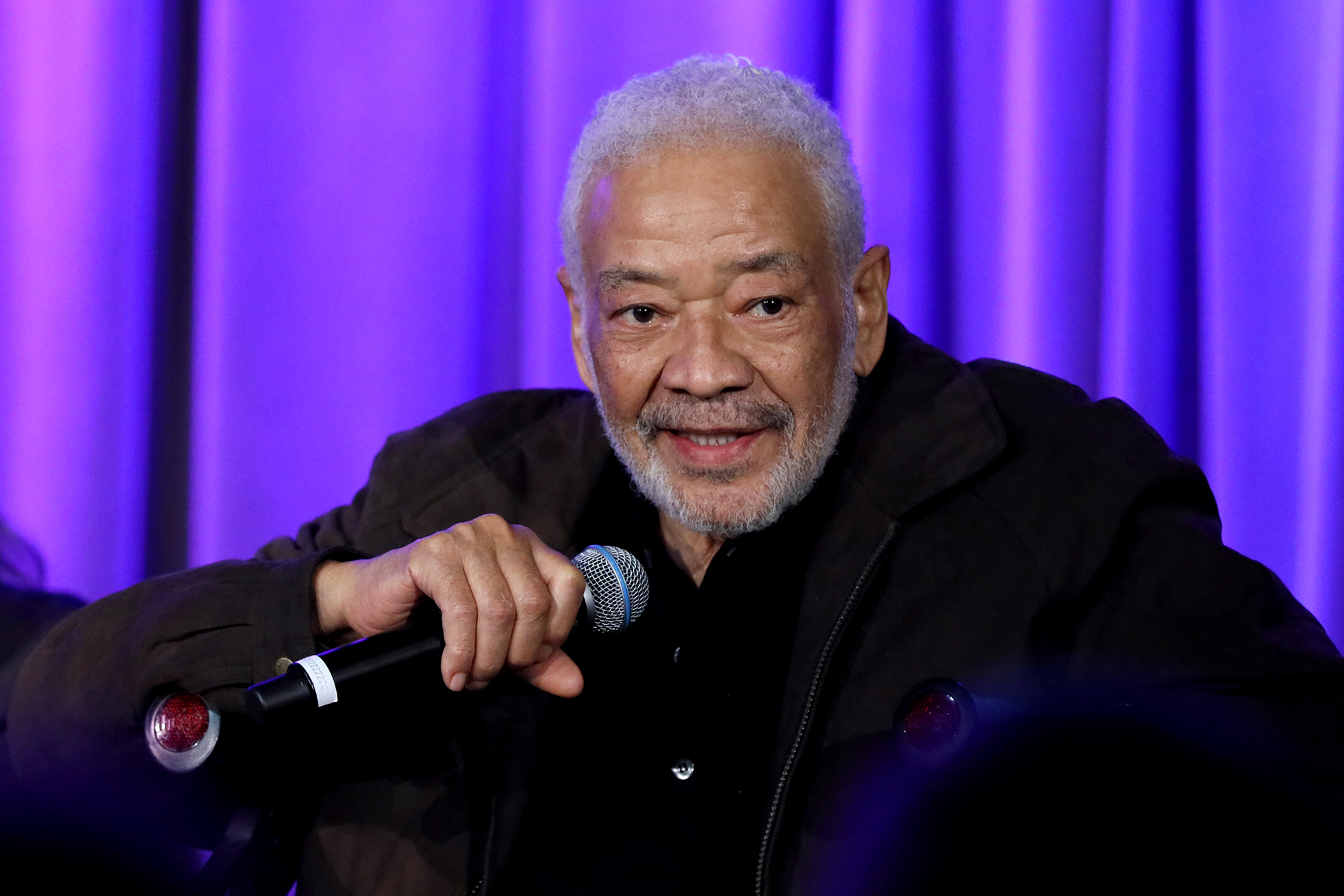
Three-time Grammy winner Bill Withers released just eight albums before walking away from the spotlight in 1985, but he left an indelible mark on the music community and the world at large. Songs like “Lean On Me”, “Grandma’s Hands”, “Use Me”, “Ain’t No Sunshine” and “Lovely Day” are part of Western popular culture and have been covered many times, by musicians such as Adam Levine and Shawn Mendes, among others. While many of his biggest hits were first recorded in the 1970s, they have proven to be timeless favourites.
CT Vivian (30 July 1974 – 17 July 2020)
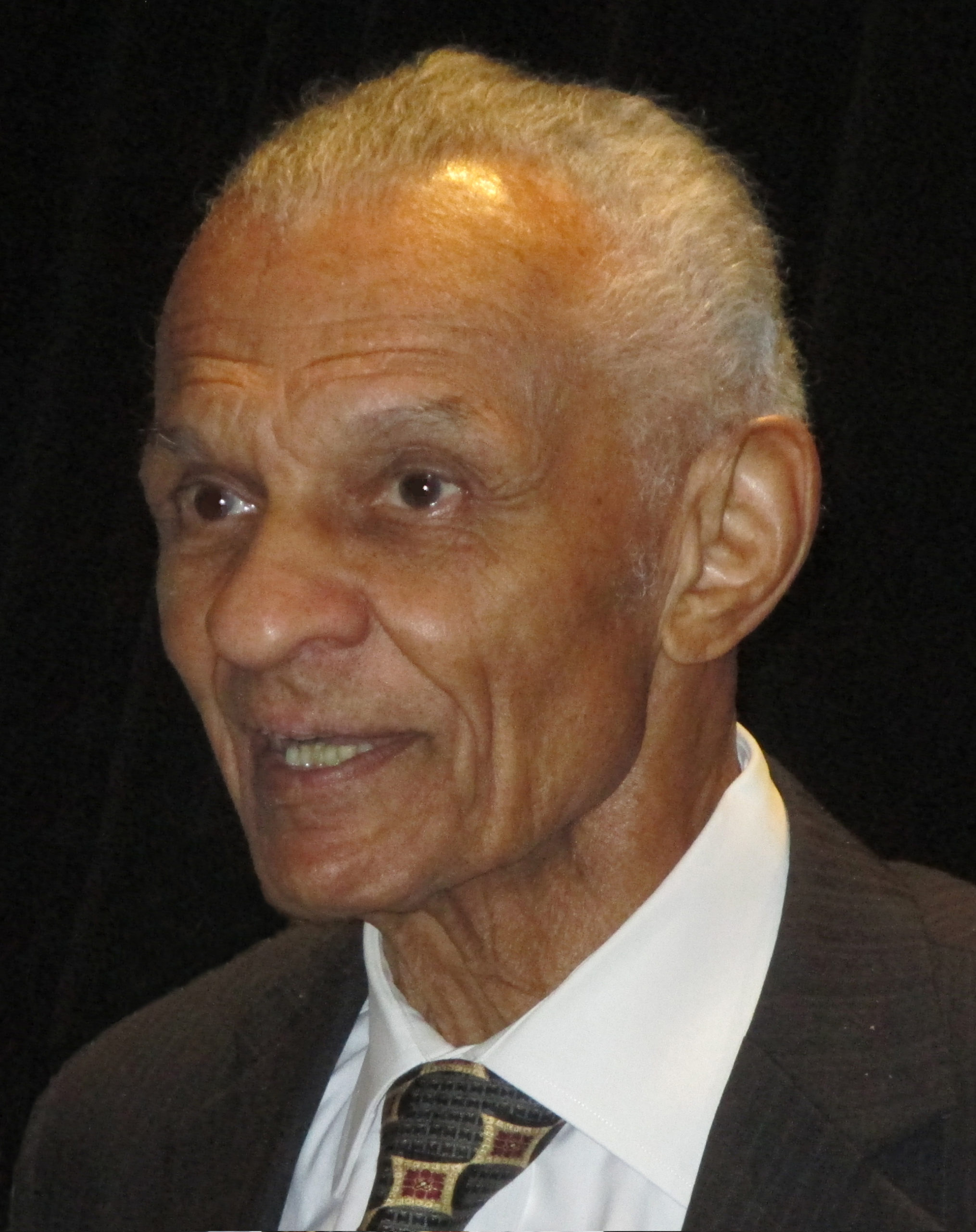
Reverend Cordy Tindell (CT) Vivian was an American civil rights activist. He worked alongside Martin Luther King Jr and later led the Southern Christian Leadership Conference. Vivian was active in sit-in protests in Peoria, Illinois, in the 1940s and met King during the 1955 Montgomery bus boycott — a demonstration spurred by Rosa Parks’s refusal to give up her seat to a white passenger. Vivian became an active early member of the group that eventually became the Southern Christian Leadership Conference.
Carl Reiner (20 March 1922 – 29 June 2020)
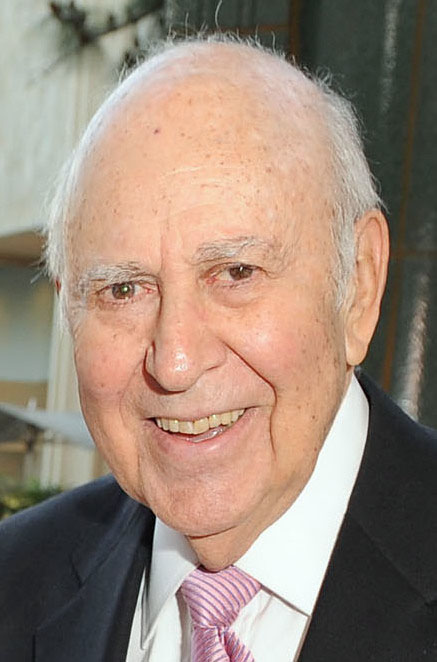
Carl Reiner was an American writer, producer, director and actor who was part of Sid Caesar’s legendary team and went on to create The Dick van Dyke Show on television Reiner, the father of filmmaker and activist Rob Reiner, won nine Emmy awards, including five for The Dick van Dyke Show. His most popular films as a director included Oh God, starring George Burns, in 1977; The Jerk, with Steve Martin, in 1979; and All of Me, with Martin and Lily Tomlin, in 1984. In later years, Reiner was an elder statesman of comedy, revered and respected for his versatility as a performer.
Chadwick Boseman (29 November 1976 – 28 August 2020)

Actor Chadwick Boseman came to prominence playing real-life figures — baseball great Jackie Robinson in 2013’s 42 and soul singer James Brown in 2014’s Get on Up. However, his leading role in the Marvel superhero movie Black Panther is what he will be most remembered for. Boseman’s untimely death shocked the world. The impact Black Panther and Boseman had on culture cannot be overstated. The film was the first superhero movie to be nominated by the US Motion Picture Academy for its Best Picture Award — and earned six other nominations and won three. Boseman presented to the world an image of a powerful and thoughtful black man, the leader of a thriving African nation and a superhero willing to race into whatever battle he felt was worth fighting, no matter the odds. Accepting a Screen Actors’ Guild Award in 2019, Boseman said the film had changed what it meant to be “young, gifted and black”.
David Dinkins (10 July 1927 – 23 November 2020)
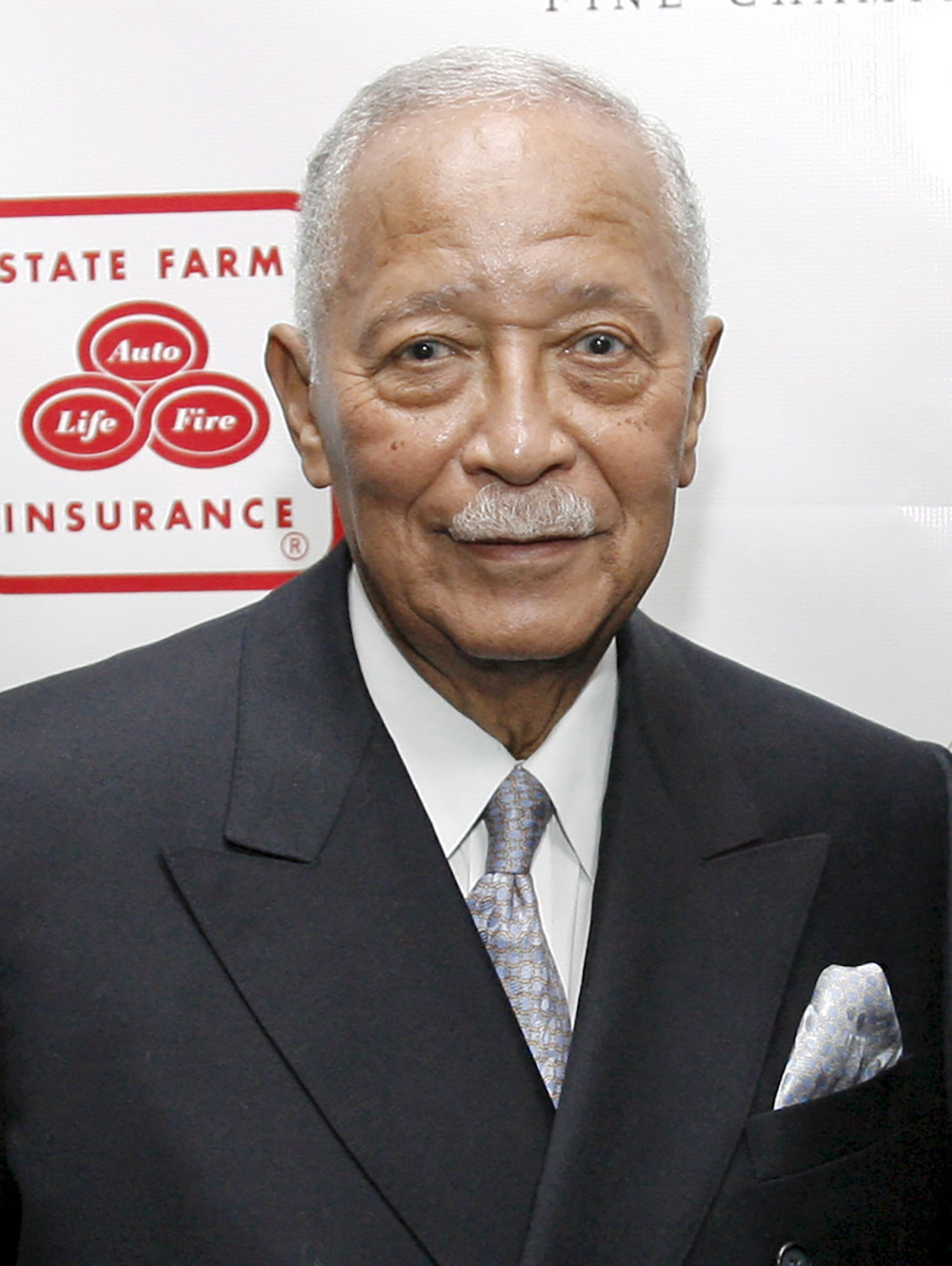
The first African-American mayor of New York City, David Dinkins was elected in 1989 after two high-profile racially charged cases had played out under the previous mayoral stint of Ed Koch. Early in Dinkins’s administration, a newly freed Nelson Mandela made New York City his first stop in the US, in 1990. Dinkins had been a long-time outspoken critic of apartheid in South Africa.
Dawn Lindberg (14 April 1945 – 7 December 2020)
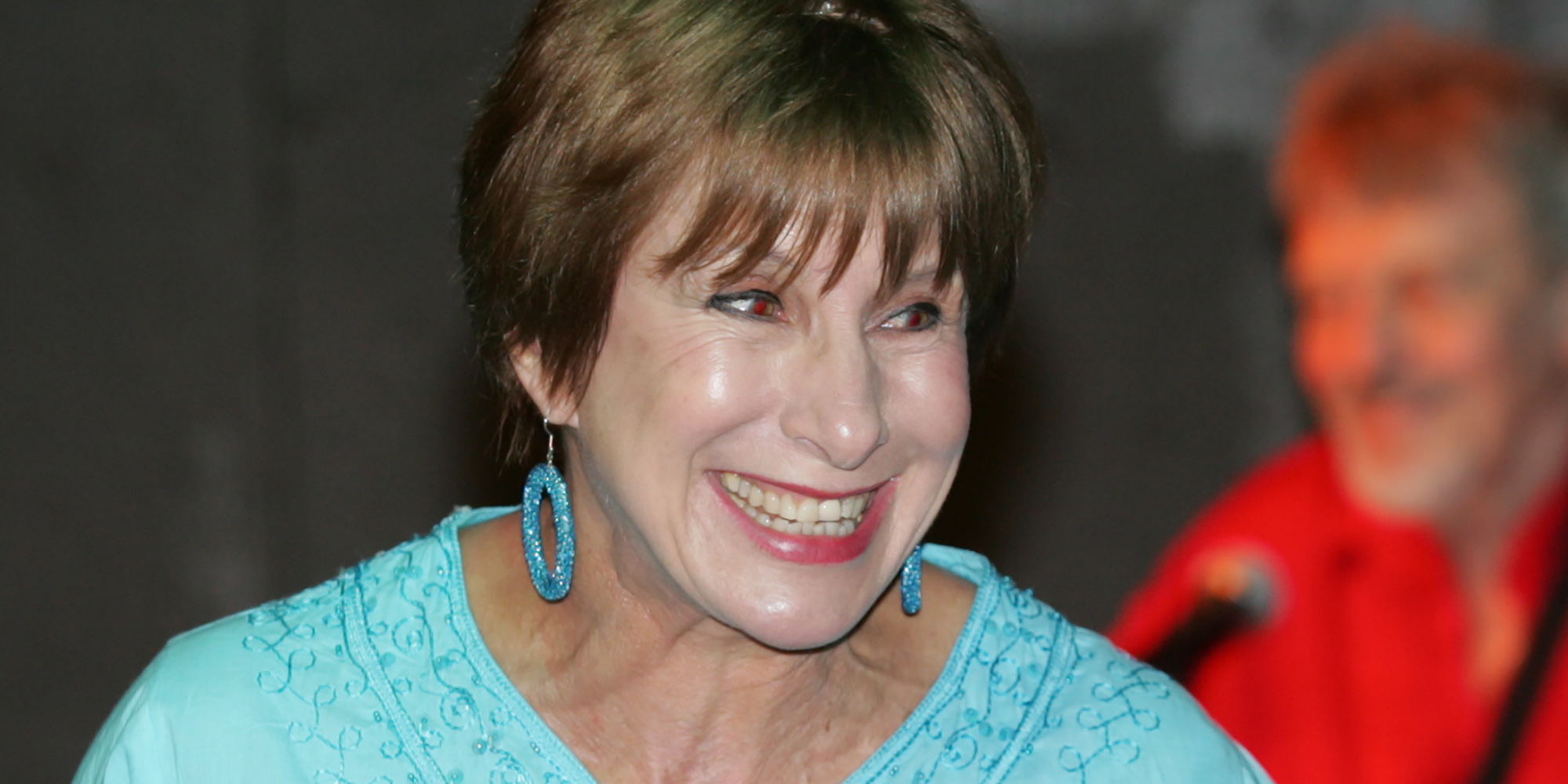
Dawn Lindberg was founder and chief executive of the Naledi Theatre Awards, one of the biggest and most prestigious theatre awards in South Africa. With a career spanning over five decades as a singer, actress and theatre director, Lindberg started out in show business after graduating in fine arts from Wits University in the early 1960s. In 1962 she met her husband and long-time partner in music and theatre, Des, and they formed the folk duo Des Dawn. In 1973 the couple staged the musical Godspell, a groundbreaking multiracial show in South Africa.
Denis Goldberg (11 April 1933 – 29 April 2020)
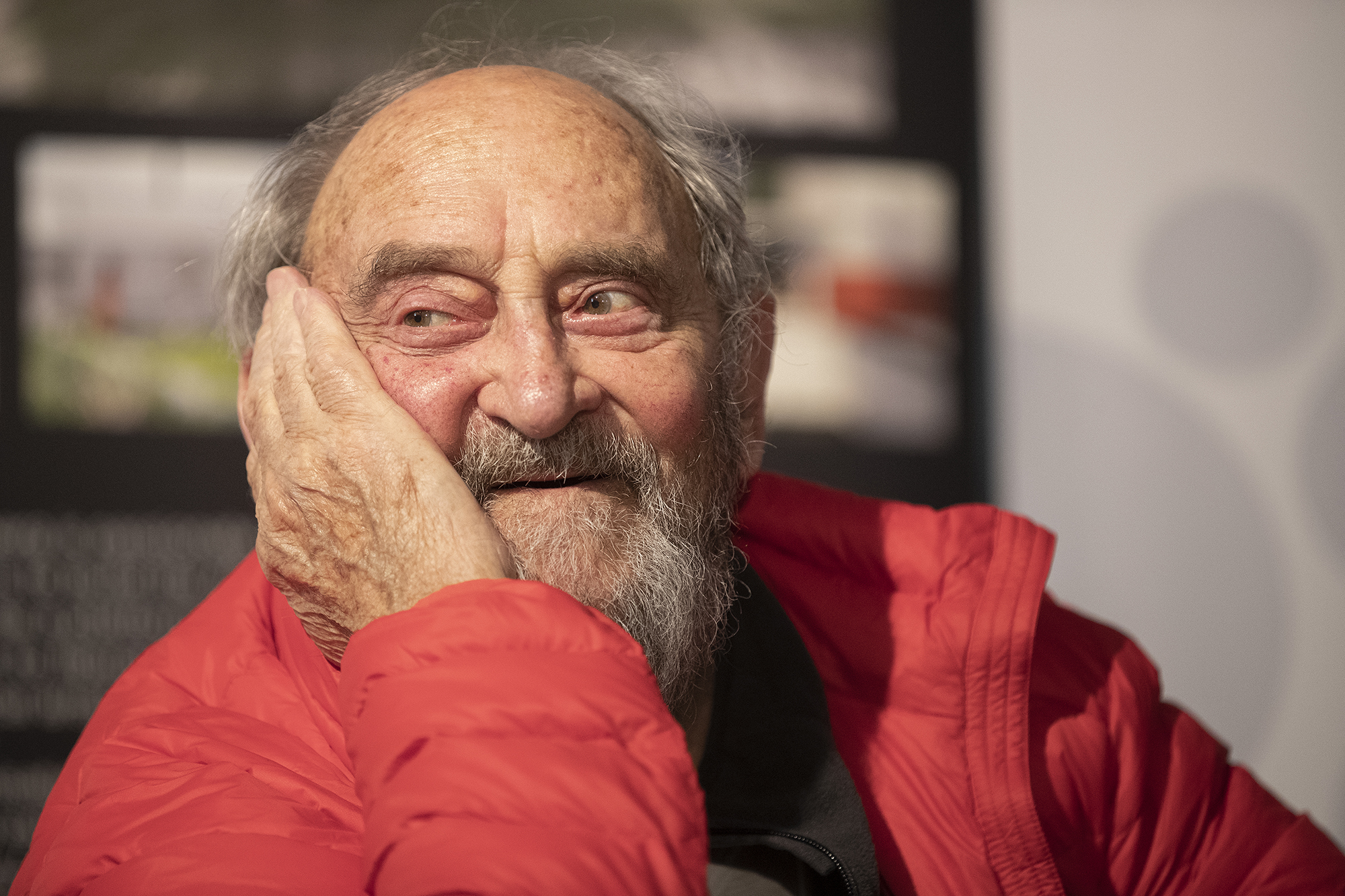
Denis Goldberg was a lifelong supporter of the ANC and became a member of the armed wing, Umkhonto we Sizwe, when it was formed in 1961. Goldberg was the only white defendant to be convicted alongside Nelson Mandela and others in 1964 for resisting apartheid. He spent 22 years in prison. On his release in 1985, he went into exile in the UK, but returned home to South Africa after the abolition of apartheid. In later years, he was a critic of the corruption that came to define much of Jacob Zuma’s presidency of South Africa.
Diego Armando Maradona (30 October 1960 – 25 November 2020)
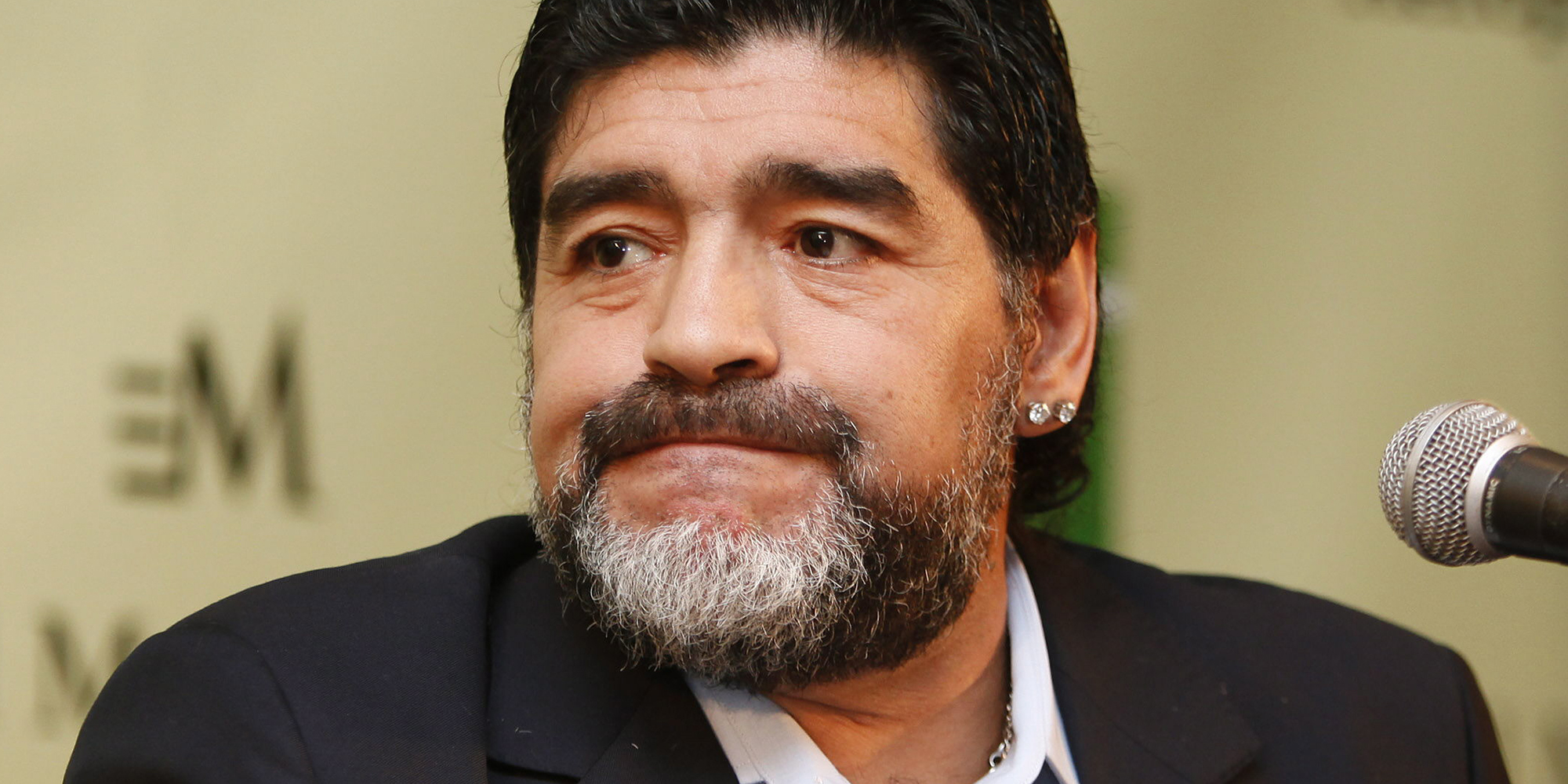
Argentinian soccer player Diego Maradona is generally regarded as the top footballer of the 1980s and one of the greatest of all time. Renowned for his ability to control the ball and create scoring opportunities for himself and his team, he led club teams to championships in Argentina, Italy and Spain and he starred in the Argentine national team that won the 1986 World Cup.
Dr Victor Bernard Holland (28 March 1943 – 19 April 2020)
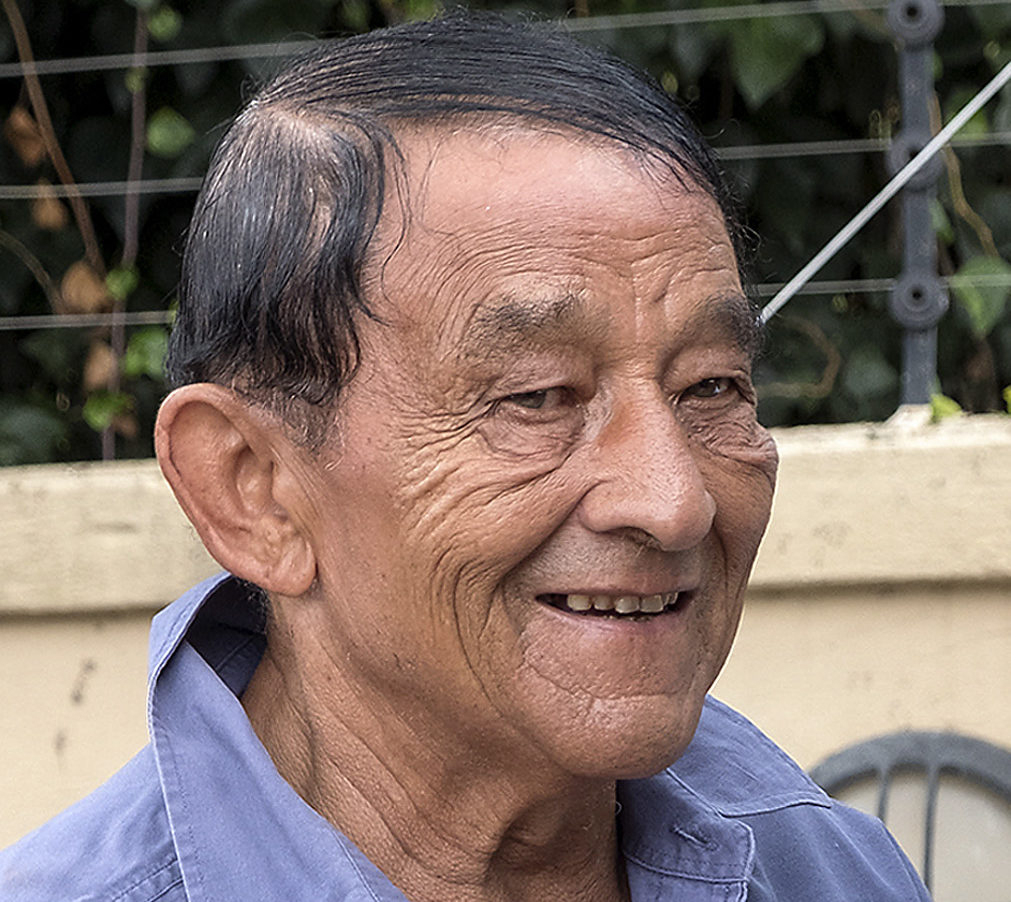
South African physician Dr Victor Holland grew up in the years just before the start of National Party rule and apartheid. Mark Heywood writes that “his life and profession as a doctor was blighted by racism and inequality but it also forged a life-long approach to equality in medicine and health”. Holland was rejected by Wits University’s medical school as he was classified as “non-white” and completed a BSc degree at Bellville College (now the University of the Western Cape), the institute of higher learning set aside for “coloured” people. In 1963, he was accepted at the medical faculty of the otherwise largely racially segregated University of Natal (now the Nelson Mandela School of Medicine). As a physician, Holland spent many decades as head of general medicine wards at Coronation Hospital and Helen Joseph Hospital. He developed a specialisation in gastroenterology.
Eddie van Halen (26 January 1955 – 6 October 2020)
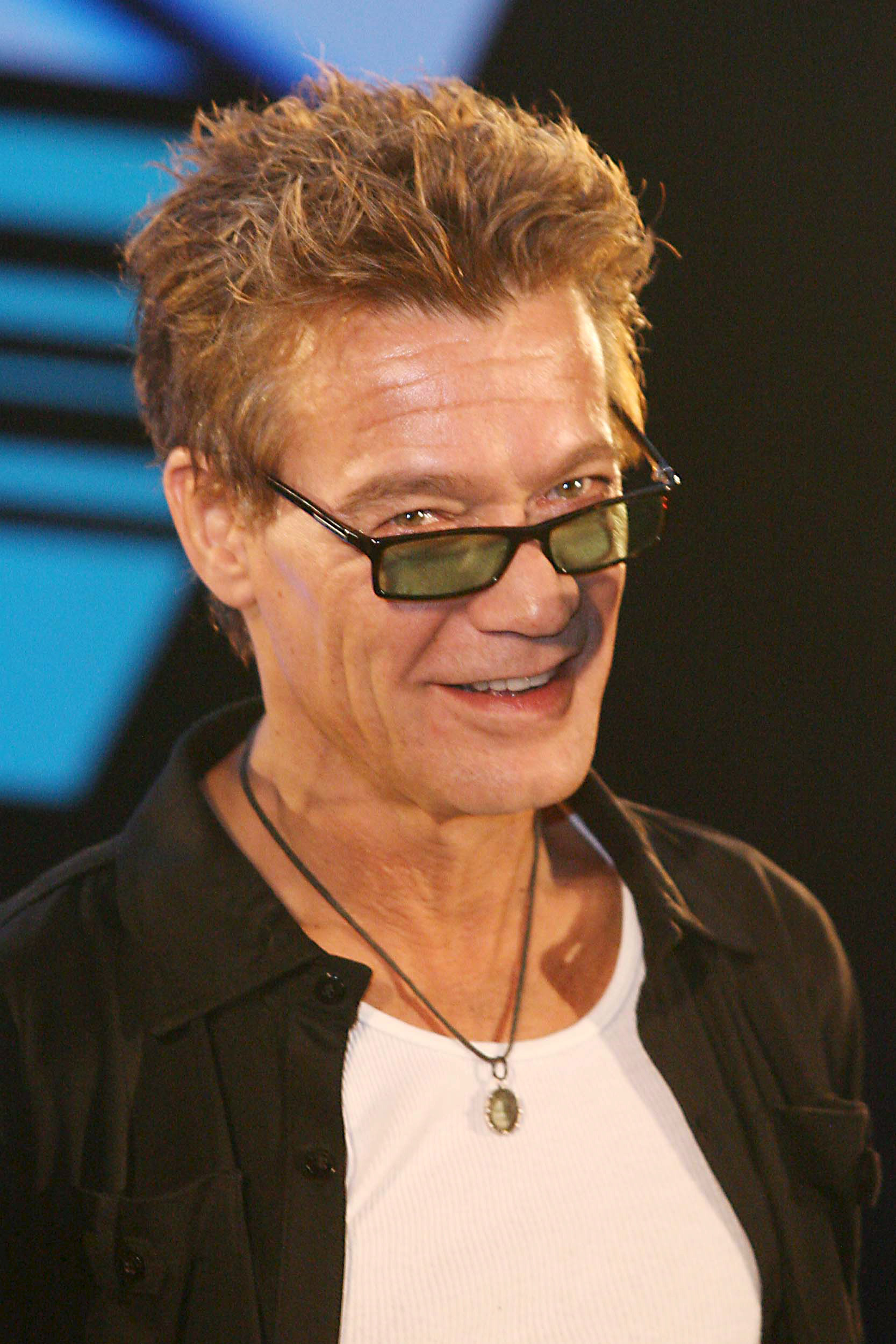
Pioneering guitar player Eddie van Halen’s hard-rock band emerged from the Sunset Strip music scene in Los Angeles in the early 1970s to stand at the top of rock ’n’ roll for a decade. Van Halen was born in Amsterdam in the Netherlands on 26 January 1955 and studied classical piano after moving to the US in the 1960s. After switching to guitar, he and his older brother Alex, who took up the drums, formed bands that would eventually become Van Halen in the mid-1970s, with lead singer Roth and bassist Michael Anthony.
Emir Sheikh Sabah al-Ahmad al-Sabah (16 June 1929 – 28 September 2020)
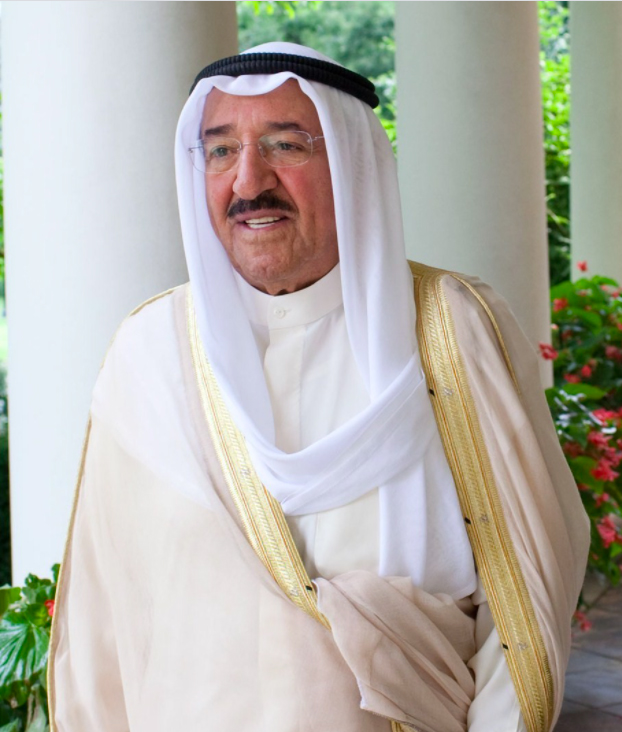
Emir Sheikh Sabah al-Ahmad al-Sabah ruled the oil-rich Gulf Arab state Kuwait from 2006 and oversaw its foreign policy for more than 50 years. He was dubbed “The dean of Arab diplomacy” for his efforts to restore relations with states that backed Iraq during the 1990-1991 Gulf War, when Kuwait was invaded by Iraqi forces. The emir also often acted as a mediator in regional disputes, including the ongoing diplomatic stand-off between Saudi Arabia and its allies and Qatar.
Fikile Ntshangase (1955 – 22 October 2020)
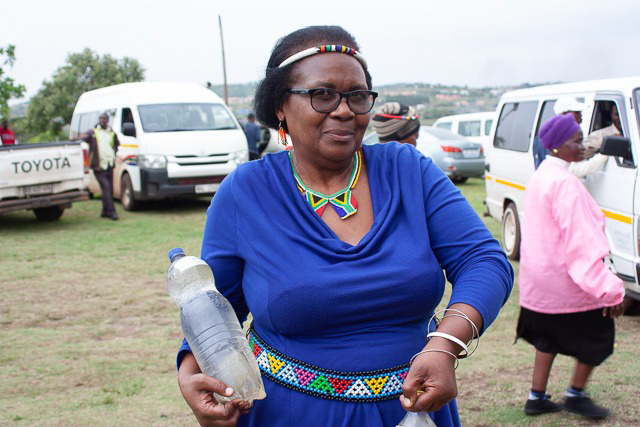
South African environmental and anti-mining activist Fikile Ntshangashe was the vice-chairperson of a sub-committee of the Mfolozi Community Environmental Justice Organisation (MCEJO). MCEJO has been challenging in court the further expansion of a large coal mine at Somkhele in KwaZulu-Natal by Tendele Coal Mining. It has been alleged that Ntshangashe was assassinated because of her ongoing fight against the mining activities.
Fred Willard (18 September 1933 – 15 May 2020)
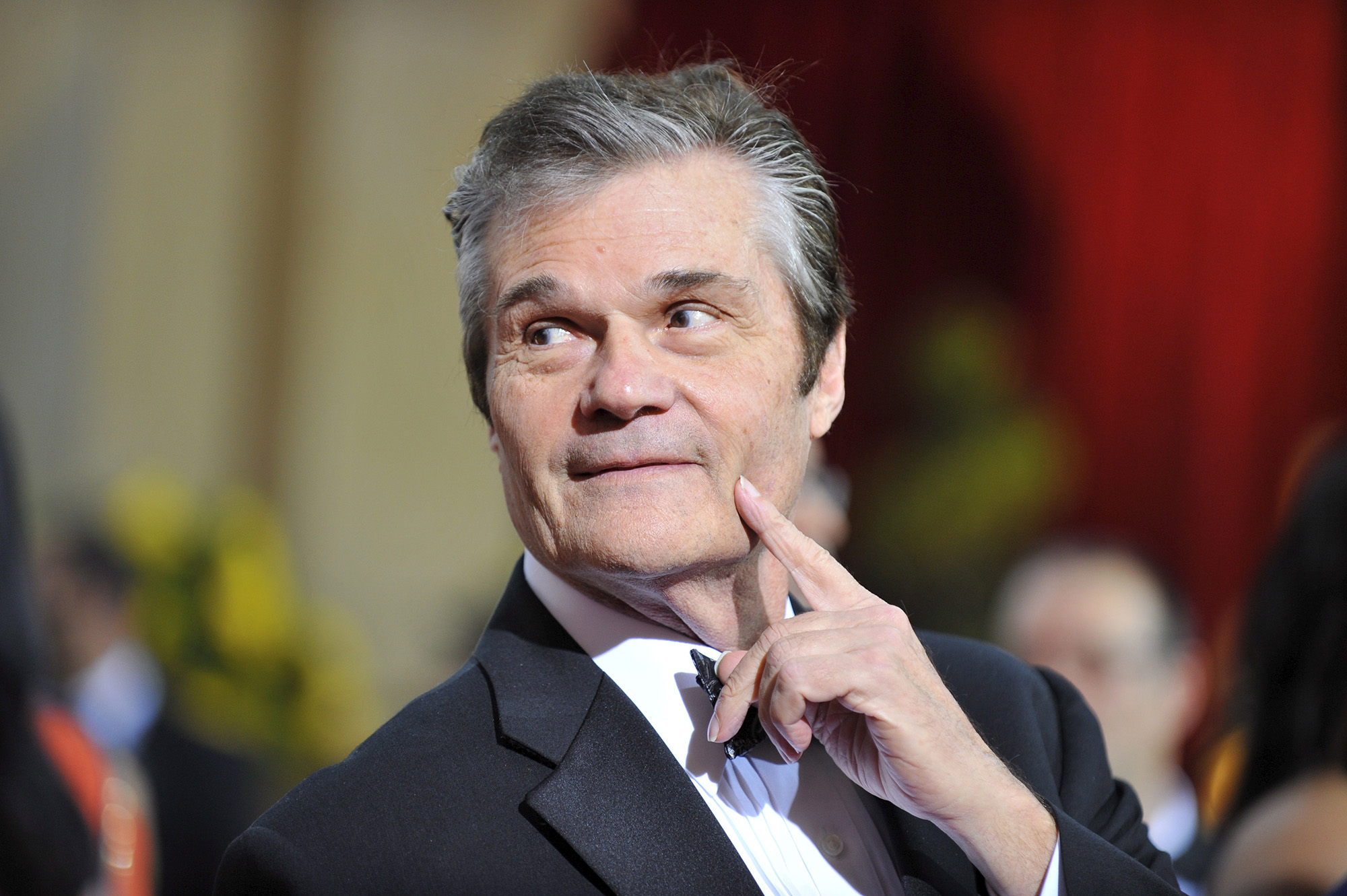
Prolific comic actor and master of mockumentaries, Fred Willard starred in Modern Family, Everybody Loves Raymond, Waiting for Guffman and This Is Spinal Tap. Willard was nominated four times for Emmy Awards, three of them (in 2003, 2004 and 2005) for playing Hank in the television series Everybody Loves Raymond and the fourth in 2010 for his recurring role as Frank Dunphy in Modern Family. Willard’s character received a loving send-off during Modern Family’s final season with a January 2020 episode that revealed his death.
George Bizos (14 November 1927 – 9 September 2020)
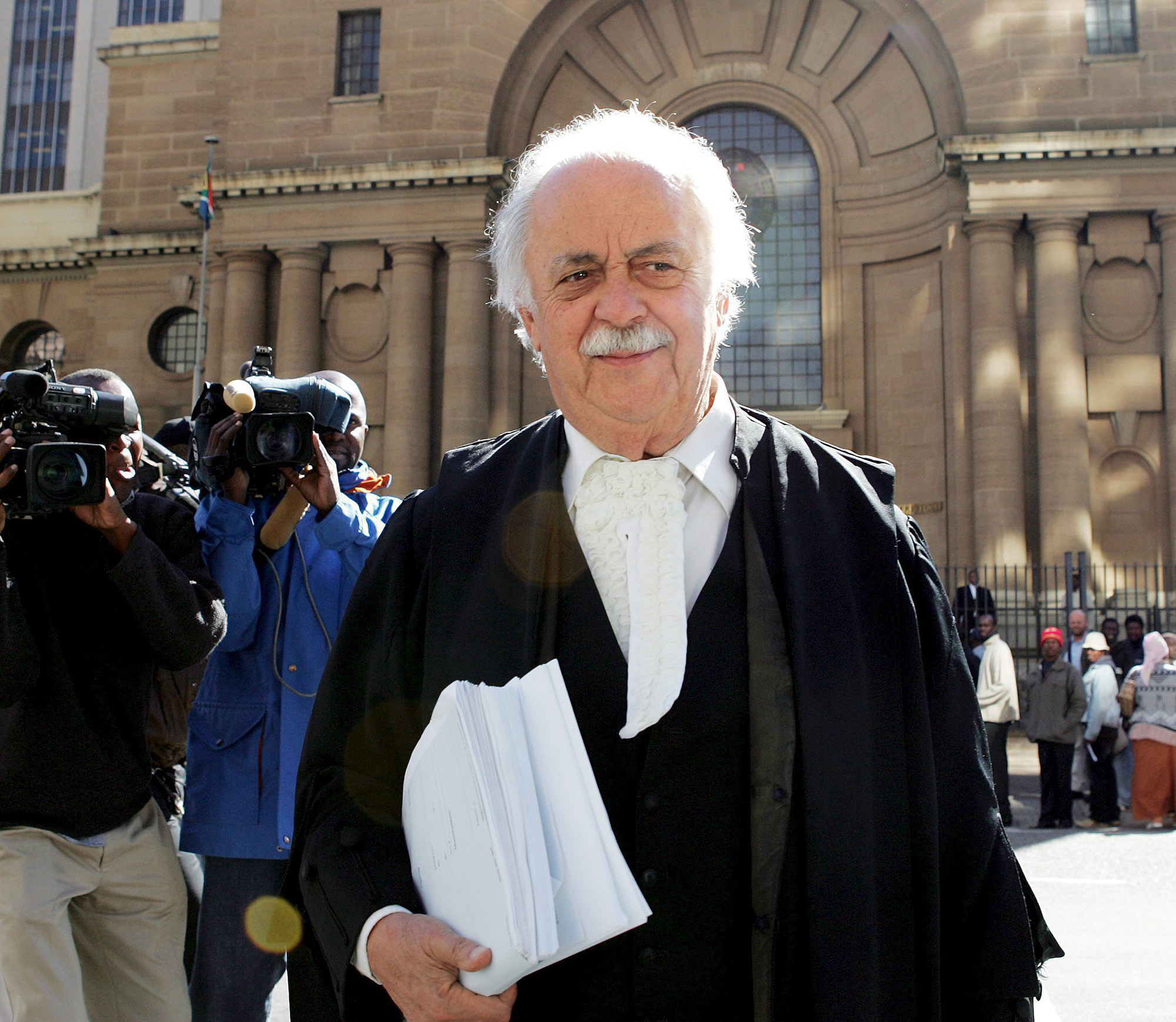
South African lawyer George Bizos played a critical role through the years of Nelson Mandela’s incarceration, both professionally and as a family friend. The Nelson Mandela Foundation reported that Mandela said Bizos had “behaved like a brother” to him while he was in jail. “He looked after my family, after my children, advised my children and he made me feel that, although I’m in prison, my affairs are being looked after by a man I know and trust.” Bizos was also a vital conduit for messages between Mandela and the external ANC leadership.
George Hallett (30 December 1942 – 1 July 2020)
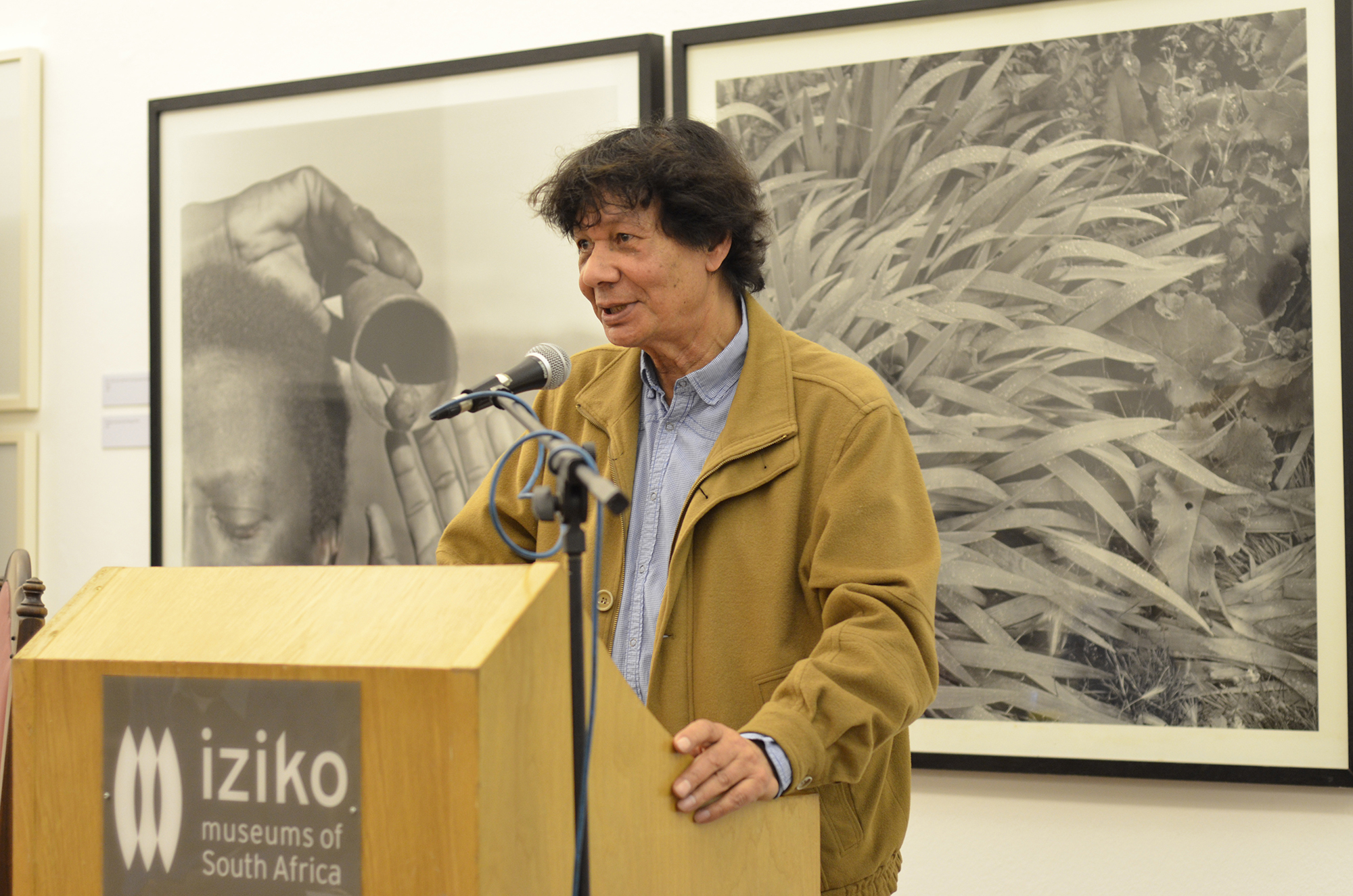
Acclaimed Cape Town photographer George Hallett spent considerable time in self-imposed exile from 1970, mostly in Europe, before returning to South Africa in 1995. Before his official return, he followed and documented Nelson Mandela on the presidential campaign trail of the country’s first democratic elections in 1994. Hallett was born in District Six, but his and many other families were forcibly removed before the infamous demolition of the suburb. He received acclaim for his images of the destruction of District Six, as bulldozers razed a vibrant community whose presence had been deemed illegal under apartheid’s Group Areas Act. Hallett also designed the covers and took the photographs for the African Writers Series.
Gita Ramjee (8 April 1956 – 31 March 2020)
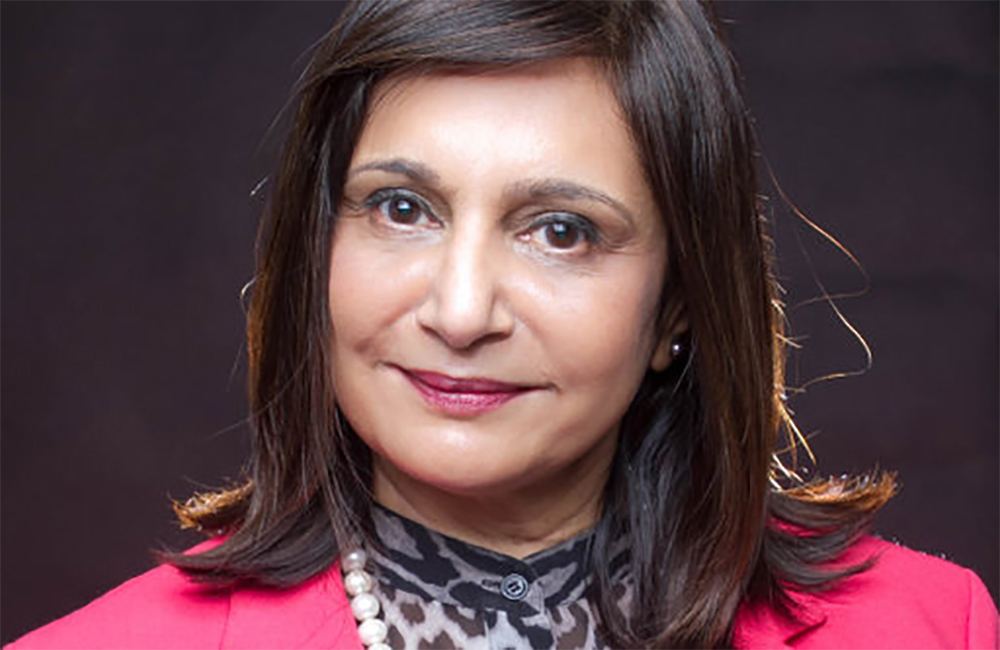
Professor Gita Ramjee was a renowned HIV researcher who specialised in HIV prevention for women. Ramjee joined the South African Medical Research Council (SAMRC) in 1996, where she was at the forefront of HIV prevention research. She rose to become chief specialist scientist and director of SAMRC’s HIV Prevention Research Unit, where she managed large-scale phase 3 trials in HIV prevention. She also oversaw the development of SAMRC’s clinical trial unit.
Hosni Mubarak (4 May 1928 – 25 February 2020)
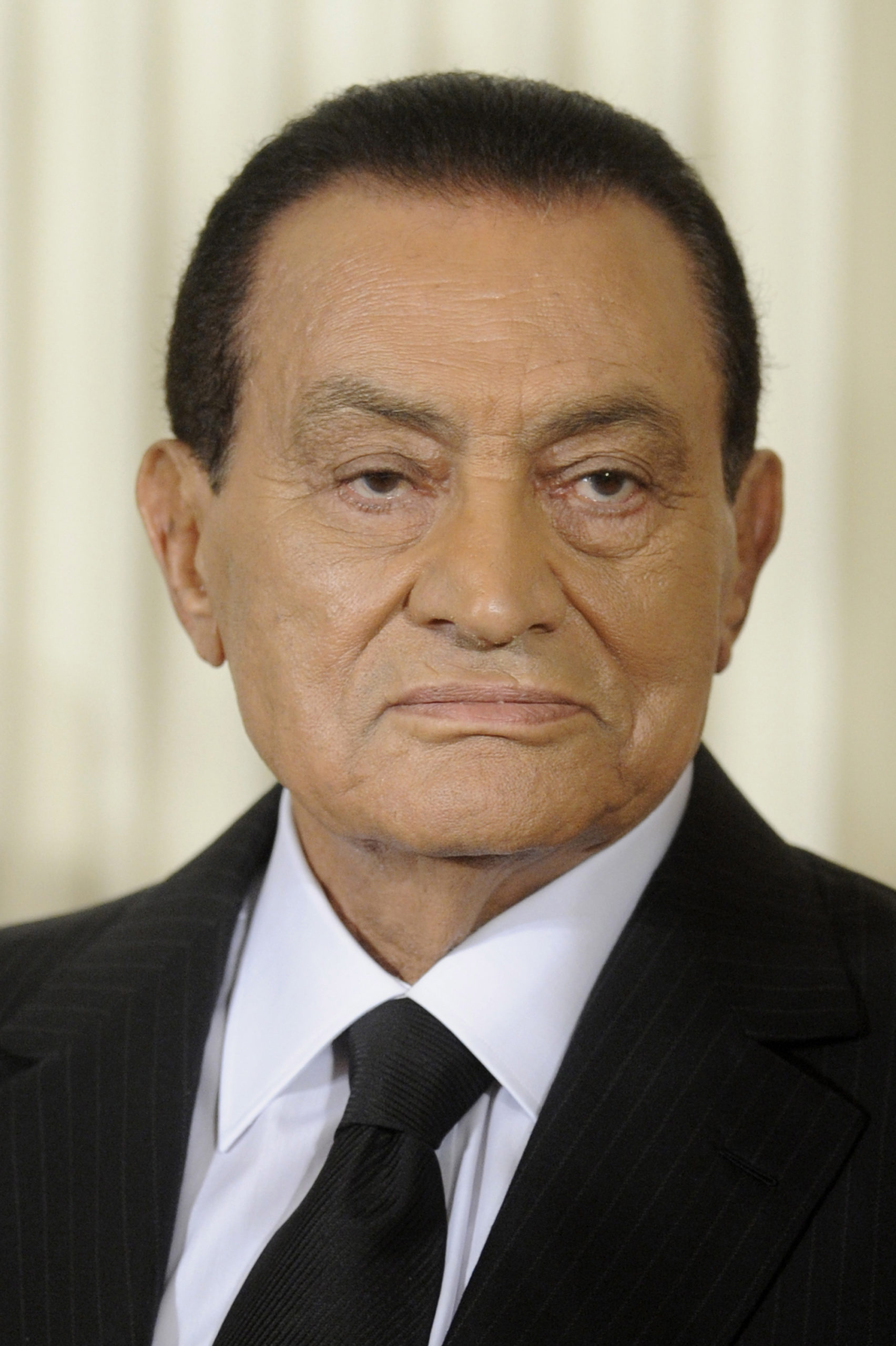
Former president of Egypt Hosni Mubarak spent three decades in office before a popular uprising swept the country. His legacy is marked with corruption, poverty and unemployment. In 2012, Mubarak was sentenced to life imprisonment over the deaths of some of the 900 protesters who were killed by security forces during the 2011 uprising. The conviction was overturned and he was freed in March 2017.
Irrfan Khan (7 January 1967 – 29 April 2020)

Bollywood star Irrfan Khan was born in the northern Indian state of Rajasthan and attended the National School of Drama in New Delhi before embarking on an acting career. After playing mainly supporting and character parts for more than a decade, he broke into leading roles in the early 2000s, starring in and winning his first award for the 2004 film Haasil. He rose to international fame playing a police inspector in the multi-award-winning Slumdog Millionaire. He took on a starring role in Life of Pi, which also won multiple Golden Globe and Academy Awards, before playing supporting roles in major US films such as The Amazing Spider-Man, Jurassic World and Inferno.
Jan Morris (2 October 1926 – 20 November 2020)
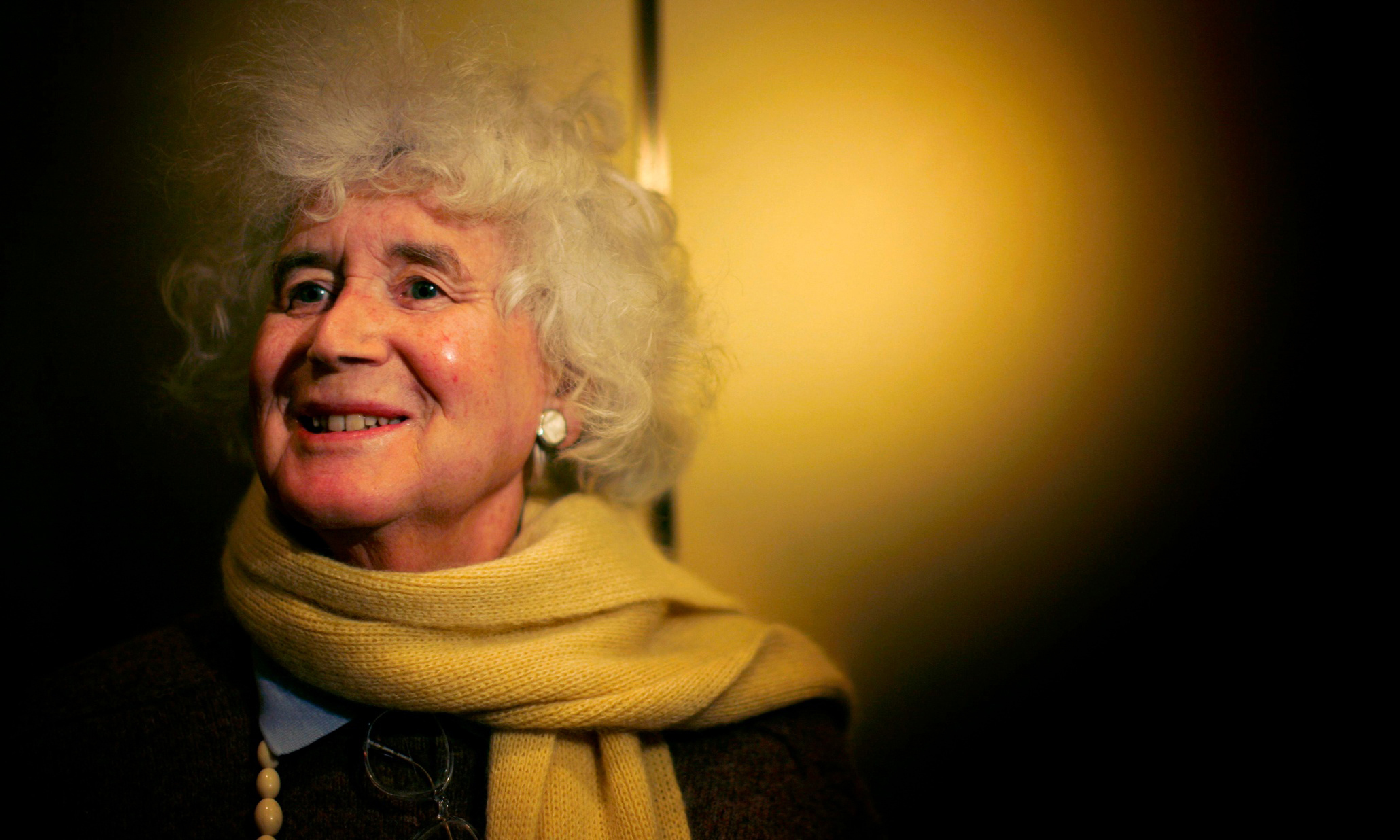
Jan Morris was an acclaimed British journalist, travel writer and historian who wrote about history’s sweep and the details of place with equal eloquence — and chronicled her life as a transgender woman. As James Morris, she pursued a writing career, with media reports on wars and revolutions from a range of countries and with books like Pax Britannica, the first of a three-volume history of the British Empire. She became increasingly despondent over the issue of gender identity. At age 46, she underwent transition surgery, explaining the reasoning in a well-received 1974 memoir, Conundrum, which was written two years after the operation under a new byline, Jan Morris.
Jerry Stiller (8 June 1927 – 11 May 2020)
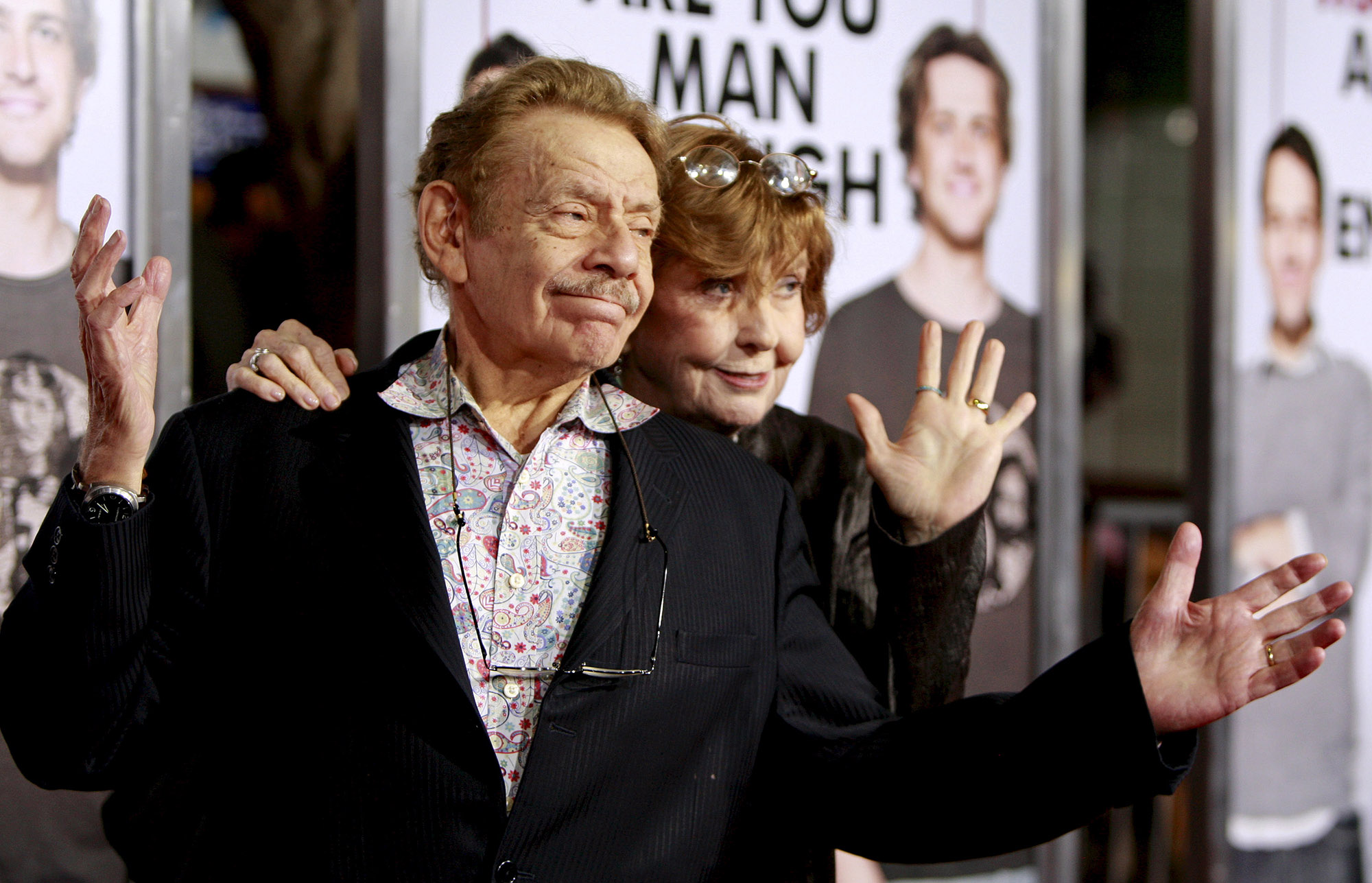
American actor and comedian Jerry Stiller (father of Ben Stiller) became known for his role as Frank Constanza in the television comedy series Seinfeld, as Leah Remini’s father in The King of Queens and as Zoolander’s manager in the eponymous comedy directed by Ben Stiller. Though known as a comedian, Stiller was also a serious dramatic actor with a long history on Broadway. Stiller and his wife Meara were a top comedy act in the 1960s, appearing on The Ed Sullivan Show 36 times. The pair were also members of the improv group the Compass Players, which later became Second City.
John Lewis (21 February 1940 – 17 July 2020)
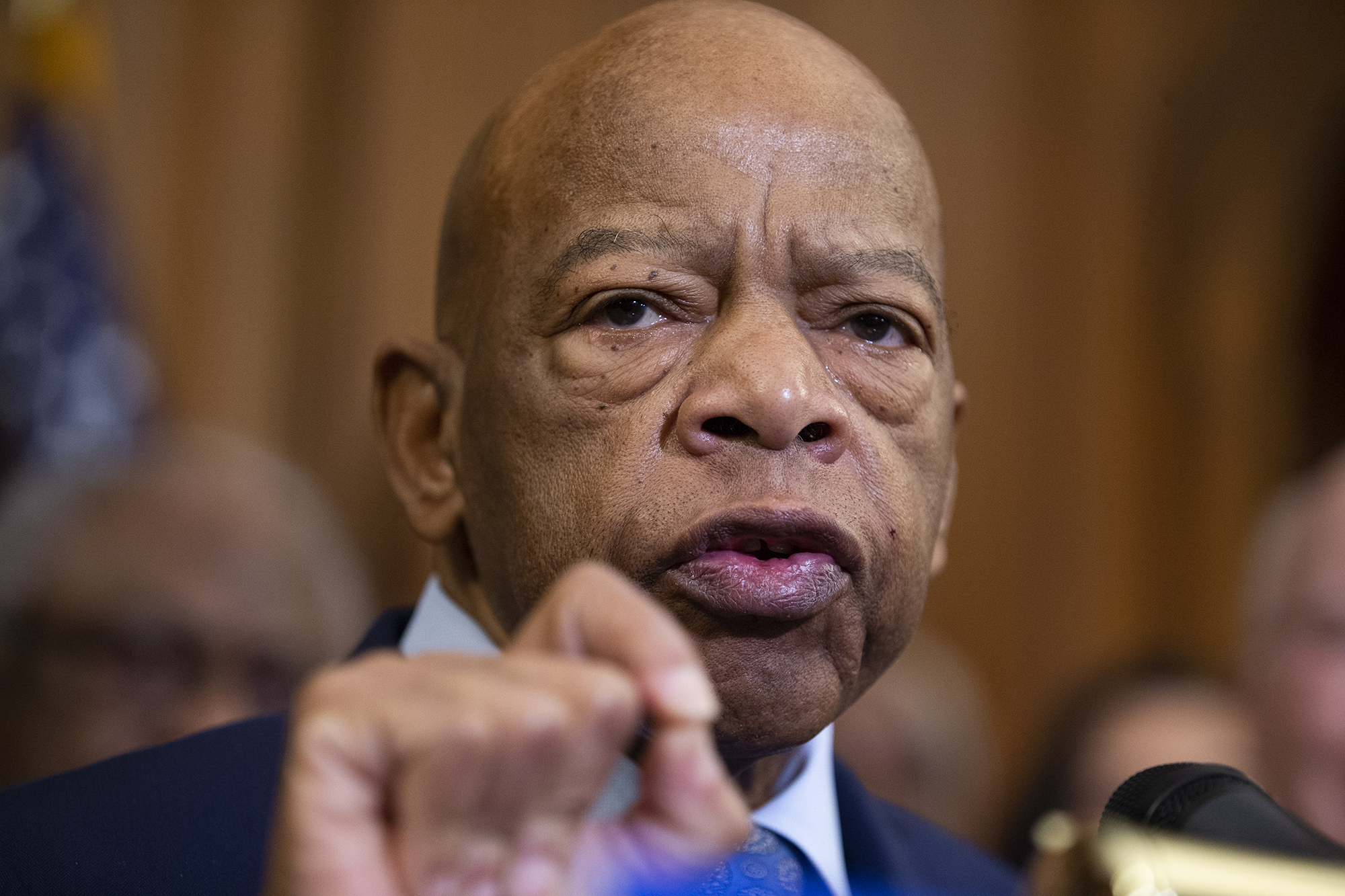
John Lewis was an American civil rights activist, a survivor of Alabama’s “Bloody Sunday” massacre in 1972 and a protégé of Martin Luther King Jr. He was a member of the US Congress for more than 30 years and channelled all he had learned from his fight for equality as a young man into empowering youth and minority communities and encouraging activism.
Joseph Shabalala (28 August 1940 – 11 February 2020)
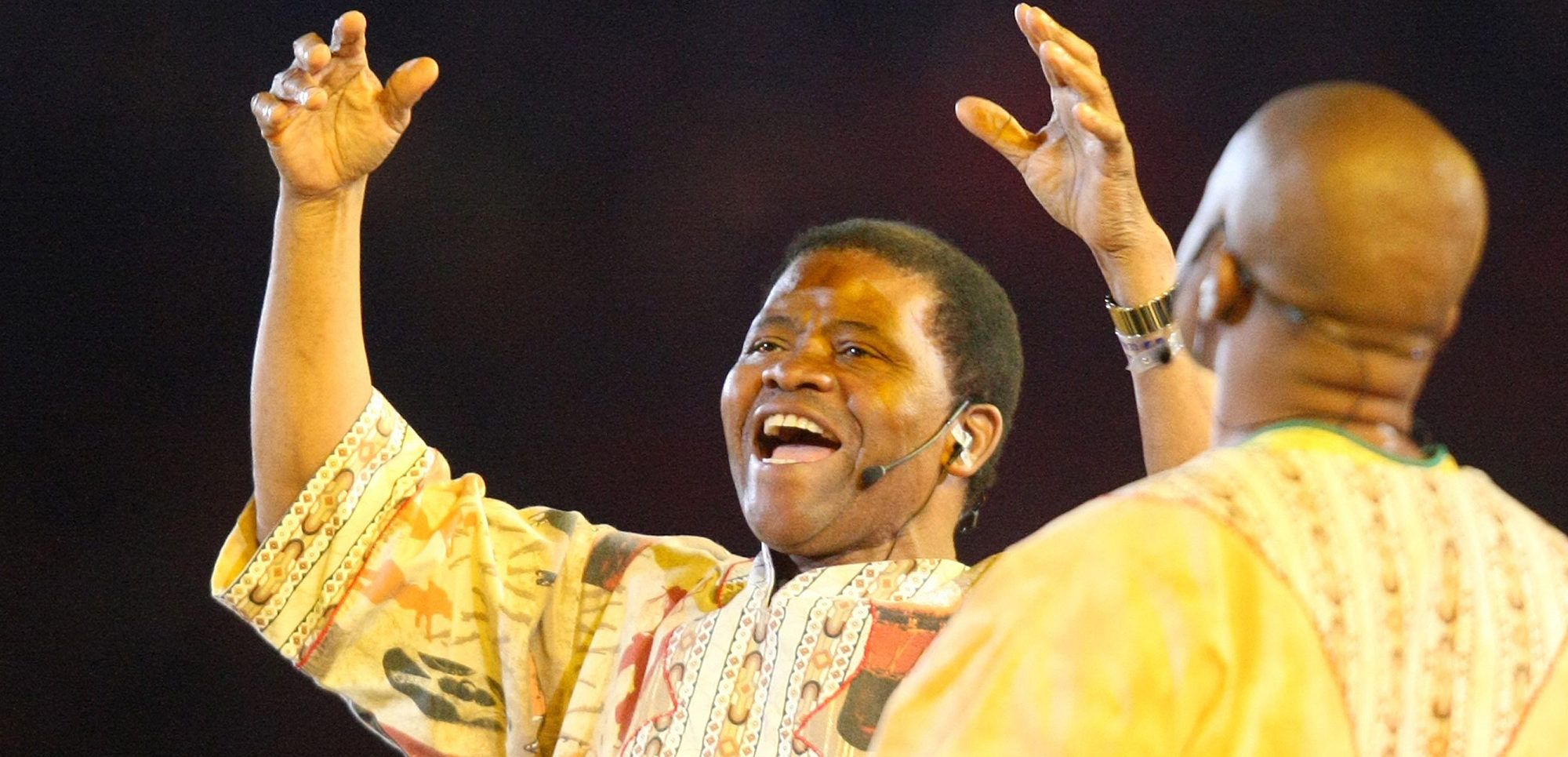
Joseph Shabalala helped introduce the sound of traditional Zulu music to the world. The musician was best known as the founder and director of choral group Ladysmith Black Mambazo, which won five Grammy awards and featured heavily on American artist Paul Simon’s Graceland album. The group reached number 15 in the UK charts with a cover version of the spiritual “Swing Low Sweet Chariot” at the time of the 1995 Rugby World Cup.
Katherine Johnson (26 August 1918 – 24 February 2020)
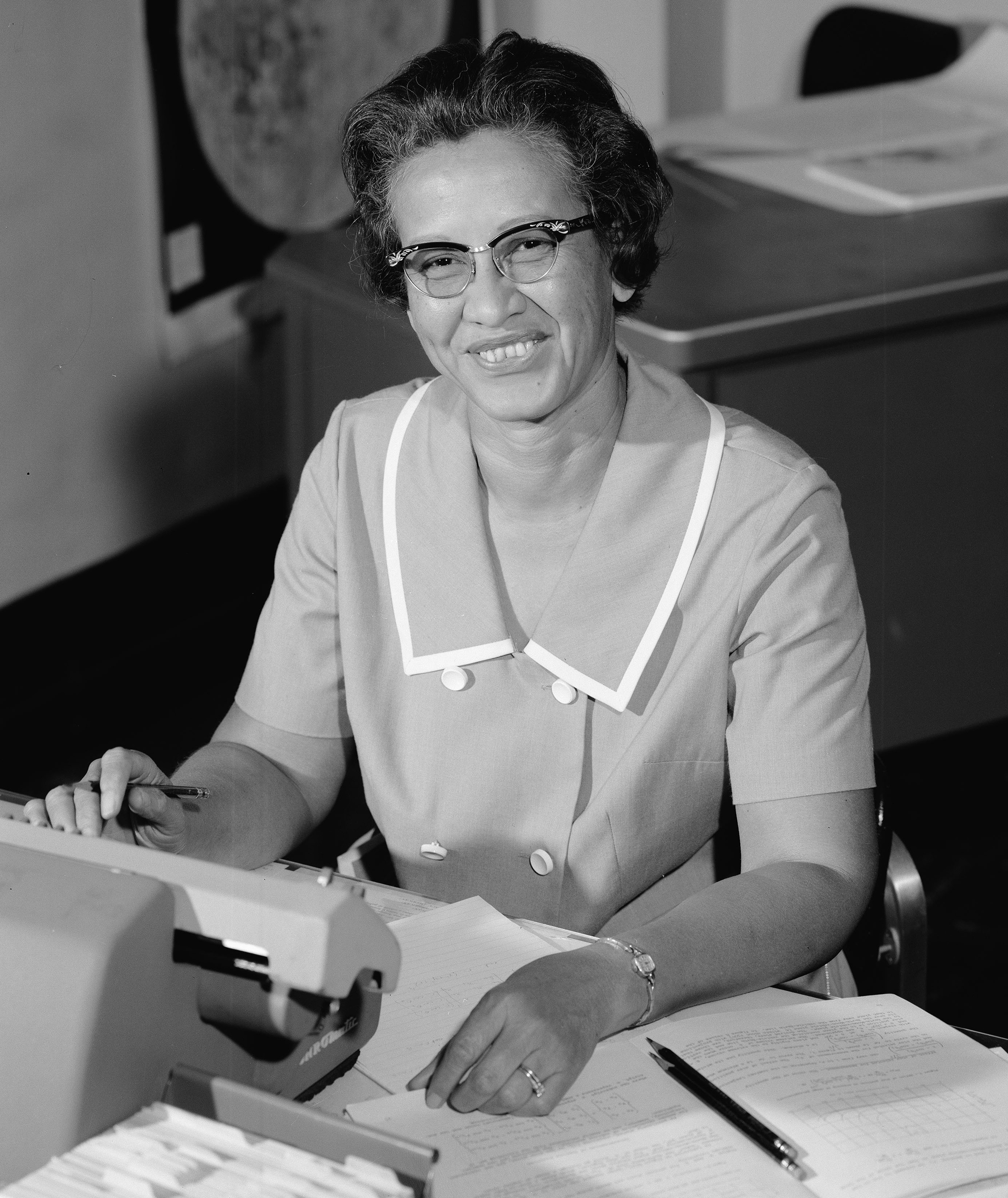
Katherine Johnson was a NASA mathematician who played a key role in numerous American missions during the Space Race, perhaps most notably calculating the trajectory needed to get the Apollo 11 mission to the moon and back. As a black woman working for NASA in the 1950s and 1960s, Johnson overcame social boundaries and racial discrimination. Her impressive career was the subject of the 2016 book and movie Hidden Figures.
Kenny Rogers (21 August 1938 – 20 March 2020)
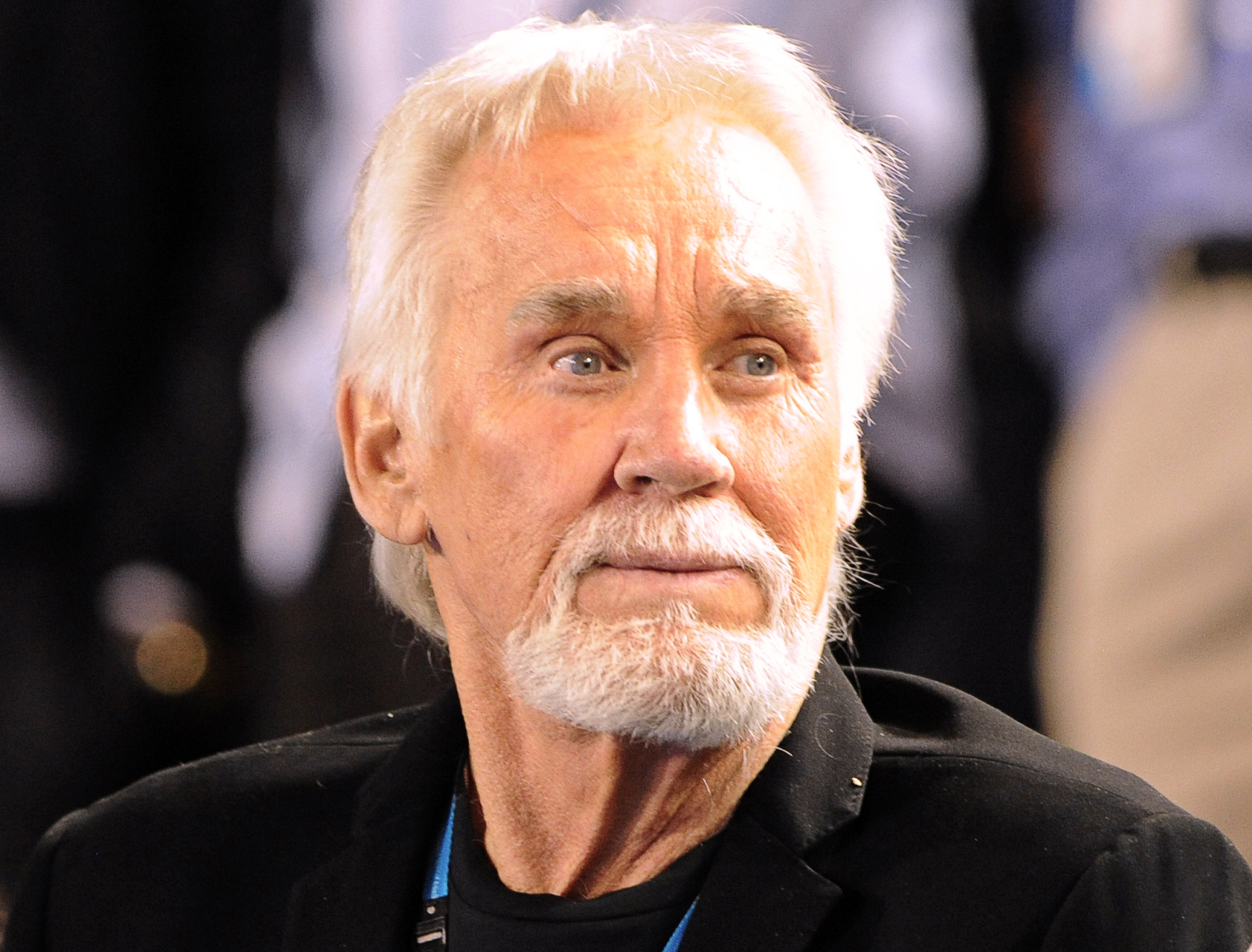
Kenny Rogers was an American country music singer known for his raspy voice and multiple hits, such as “Lady”, “The Gambler”, “Lucille” and “Through the Years”. The Houston-born country star had 20 No 1 hits, won three Grammys and performed for some 60 years before retiring from touring in 2017 at age 79.
Kirk Douglas (9 December 1916 – 5 February 2020)
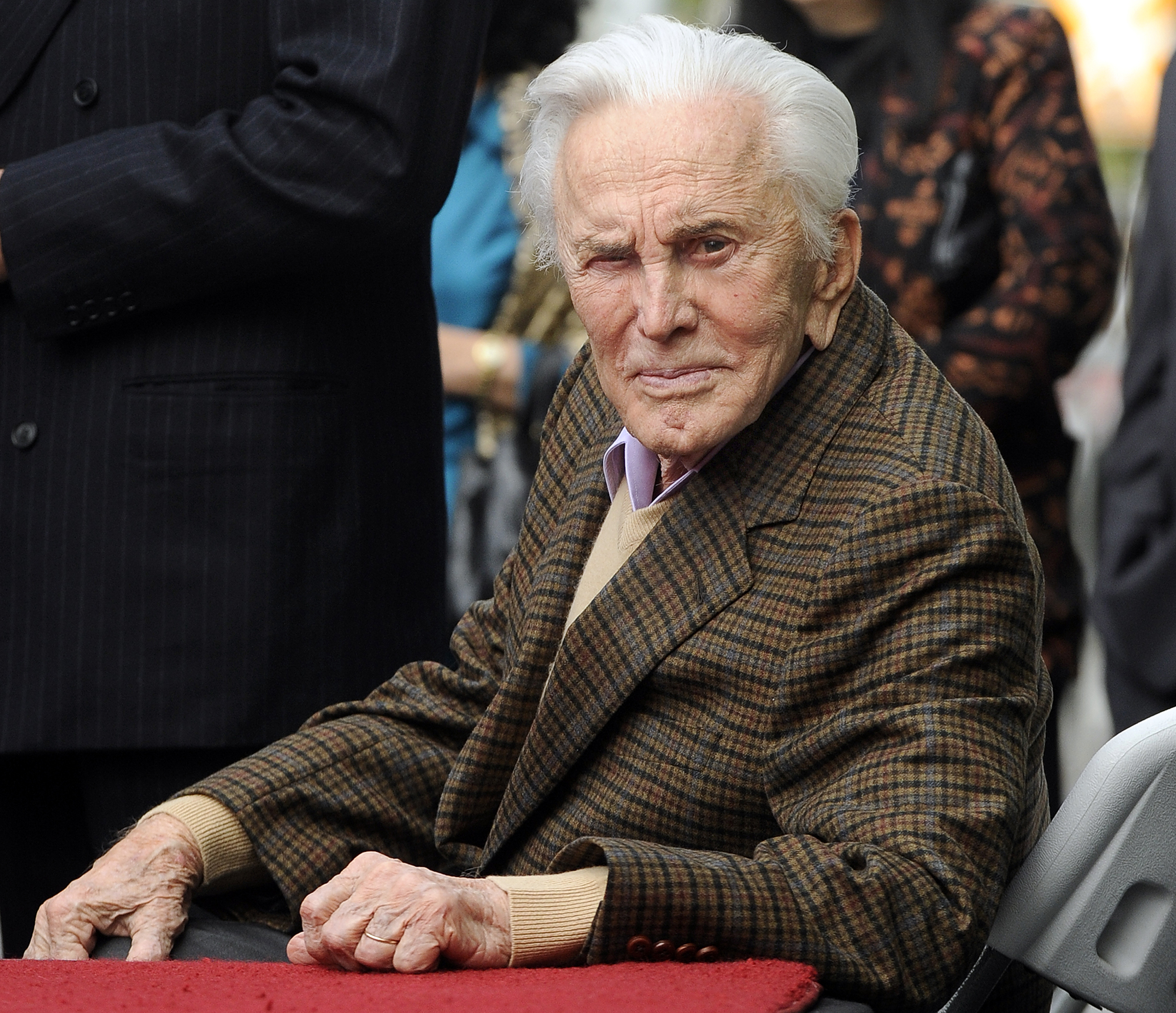
Actor Kirk Douglas (father of Michael Douglas), one of the top male film stars of the post-World War II era, made more than 80 movies before retiring in 2004. He was nominated three times for best actor by the Academy of Motion Picture Arts and Sciences — for Champion, The Bad and the Beautiful and Lust for Life — and was the recipient of an honorary Oscar in 1996.
Kobe Bryant (23 August 1978 – 26 January 2020)
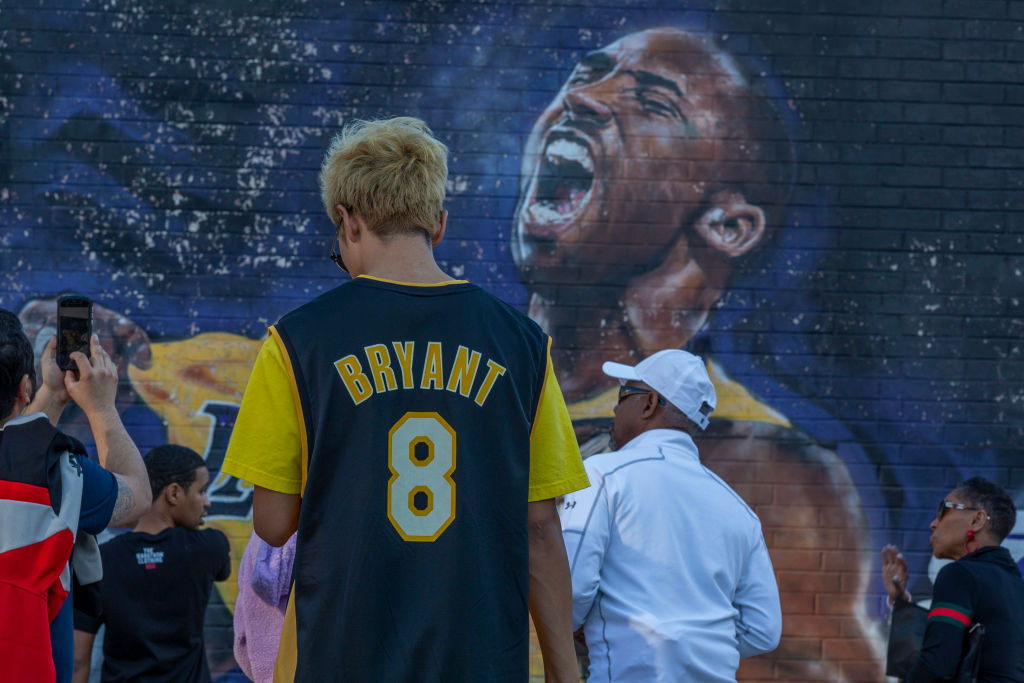
American professional basketball player Kobe Bryant spent his entire 20-year career with the Los Angeles Lakers in the National Basketball Association (NBA). Regarded as one of the greatest players of all time, Bryant won five NBA championships and was an 18-time All-Star, a 15-time member of the All-NBA Team, a 12-time member of the All-Defensive Team, the 2008 NBA Most Valuable Player (MVP), and a two-time NBA Finals MVP. Bryant also led the NBA in scoring twice and ranks fourth on the league’s all-time regular season scoring and all-time post-season scoring lists.
Larry Kramer (25 June 1935 – 27 May 2020)
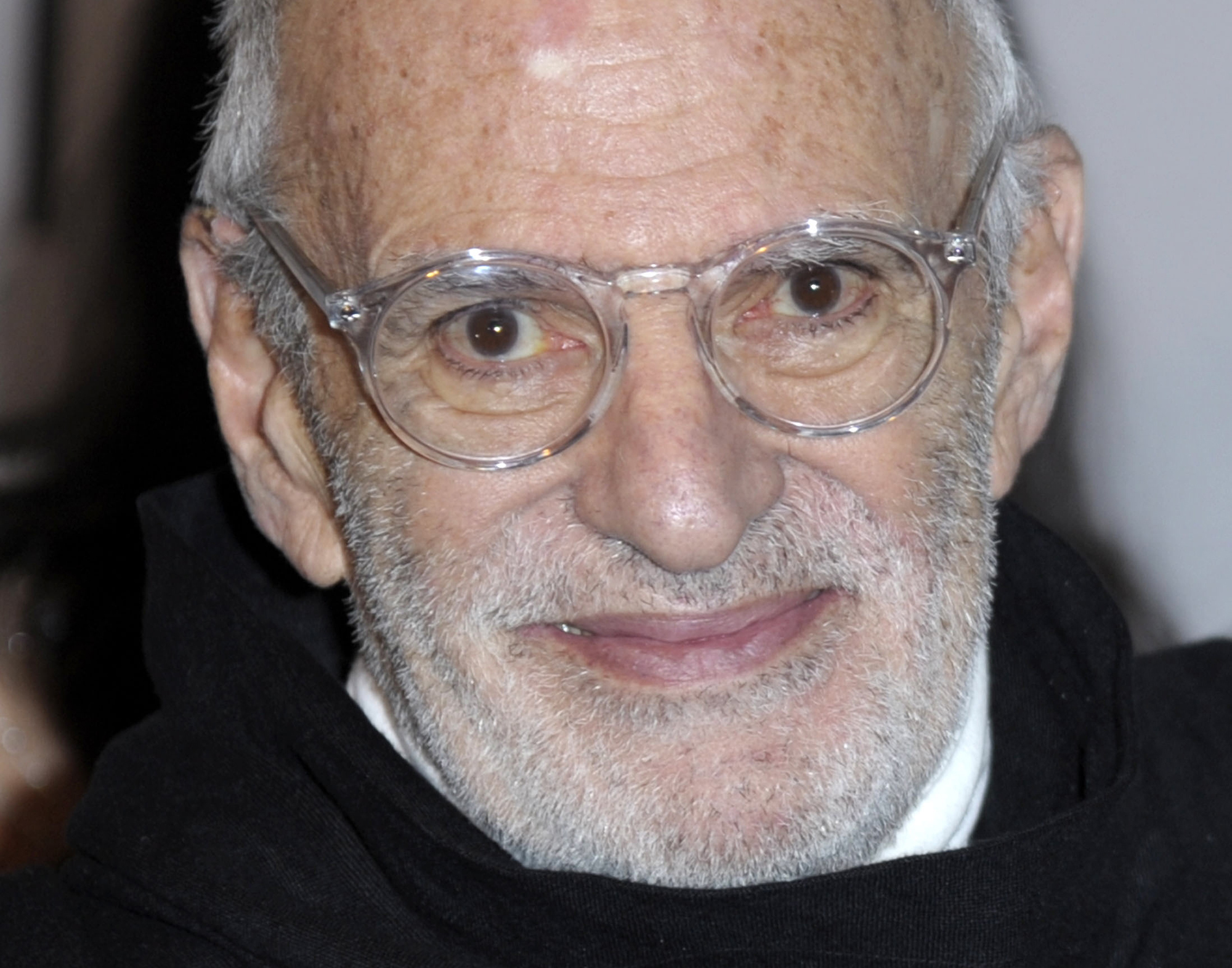
American playwright Larry Kramer was an LGBTQ+ activist and one of the first activists against AIDS, back when the disease did not even have a name. In the early 1980s, Kramer witnessed hundreds, then thousands, of gay men die before the US government took action to stop the spread of HIV. He became a high-profile, high-volume, one-man crusade against the disease.
Lee Teng-hui (15 January 1923 – 30 July 2020)
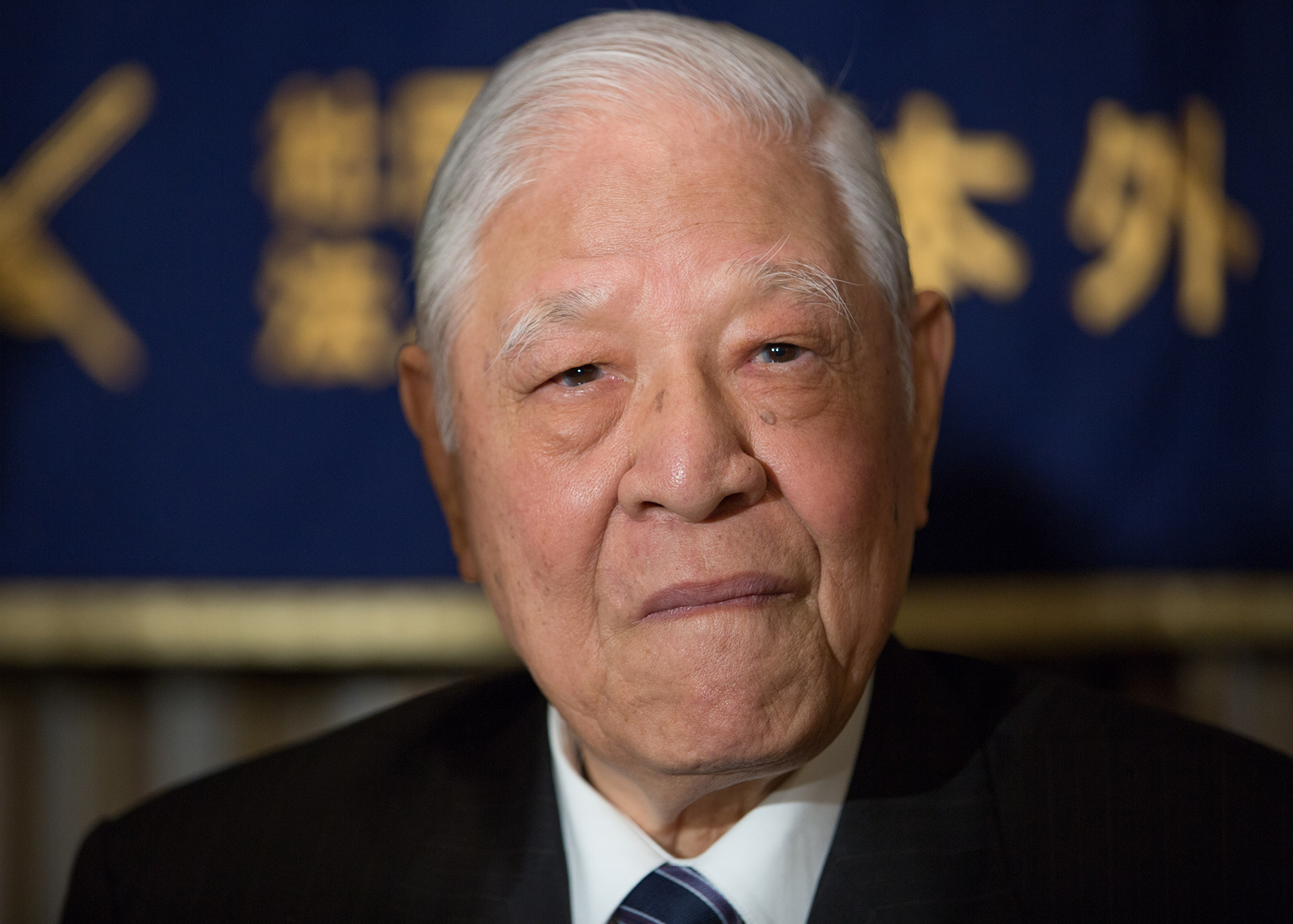
Former president of Taiwan Lee Teng-hui was considered “the father of Taiwan’s democracy”. Throughout his 97 years, Lee took on multiple identities as a Japanese, communist, Chinese, Christian and, finally, Taiwanese independence activist – matching the island’s many changes. He served as president of Taiwan from 1988 to 2000. Lee was credited with ending autocratic rule in favour of pluralism and democracy — but was also a controversial figure. His attempts to delink the island from China sparked tensions with Beijing, which sees Taiwan as part of its territory.
Lucille Bridges (12 August 1934 – 10 November 2020)
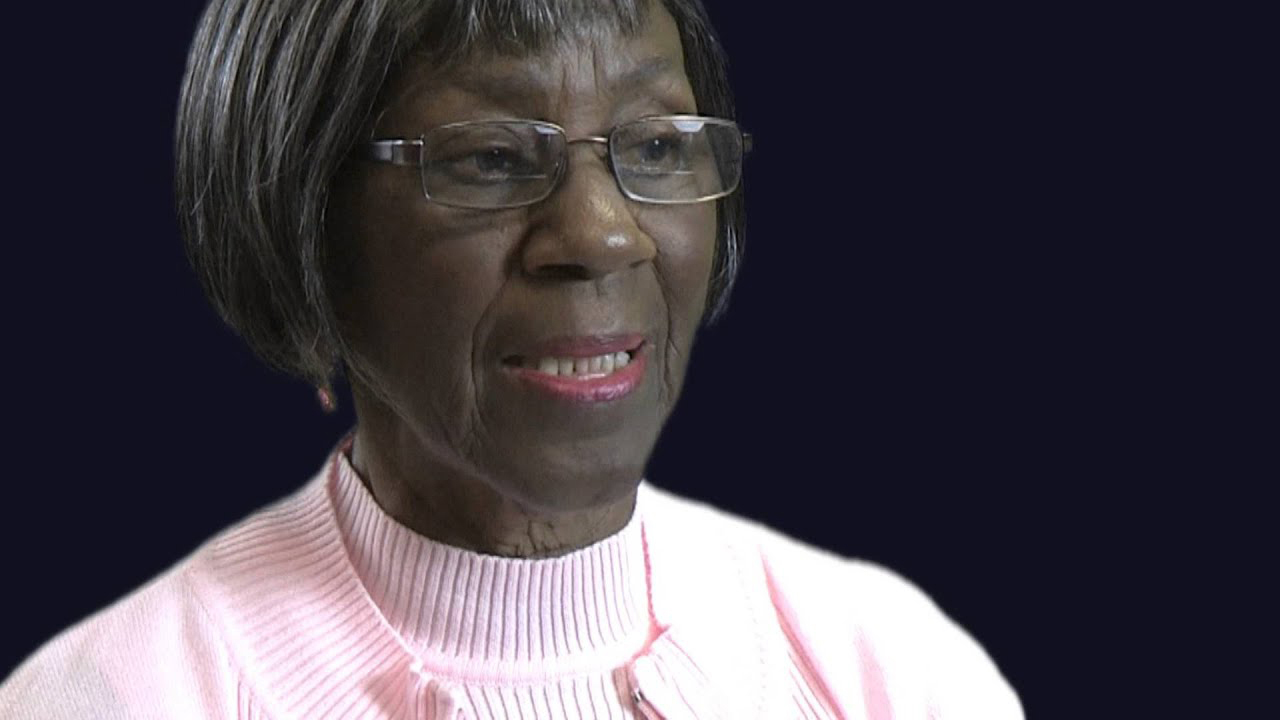
Lucille Bridges was known as “the champion for change”. While her daughter Ruby Bridges may be widely known as the brave black child who desegregated an all-white school in the US South, it was Lucille who set the process in motion. In 1960 she braved a gauntlet of threats and racist slurs to escort her daughter to a formerly all-white school in New Orleans in what became a lasting symbol of opposition to segregation.
Mary Twala (1940—2020)
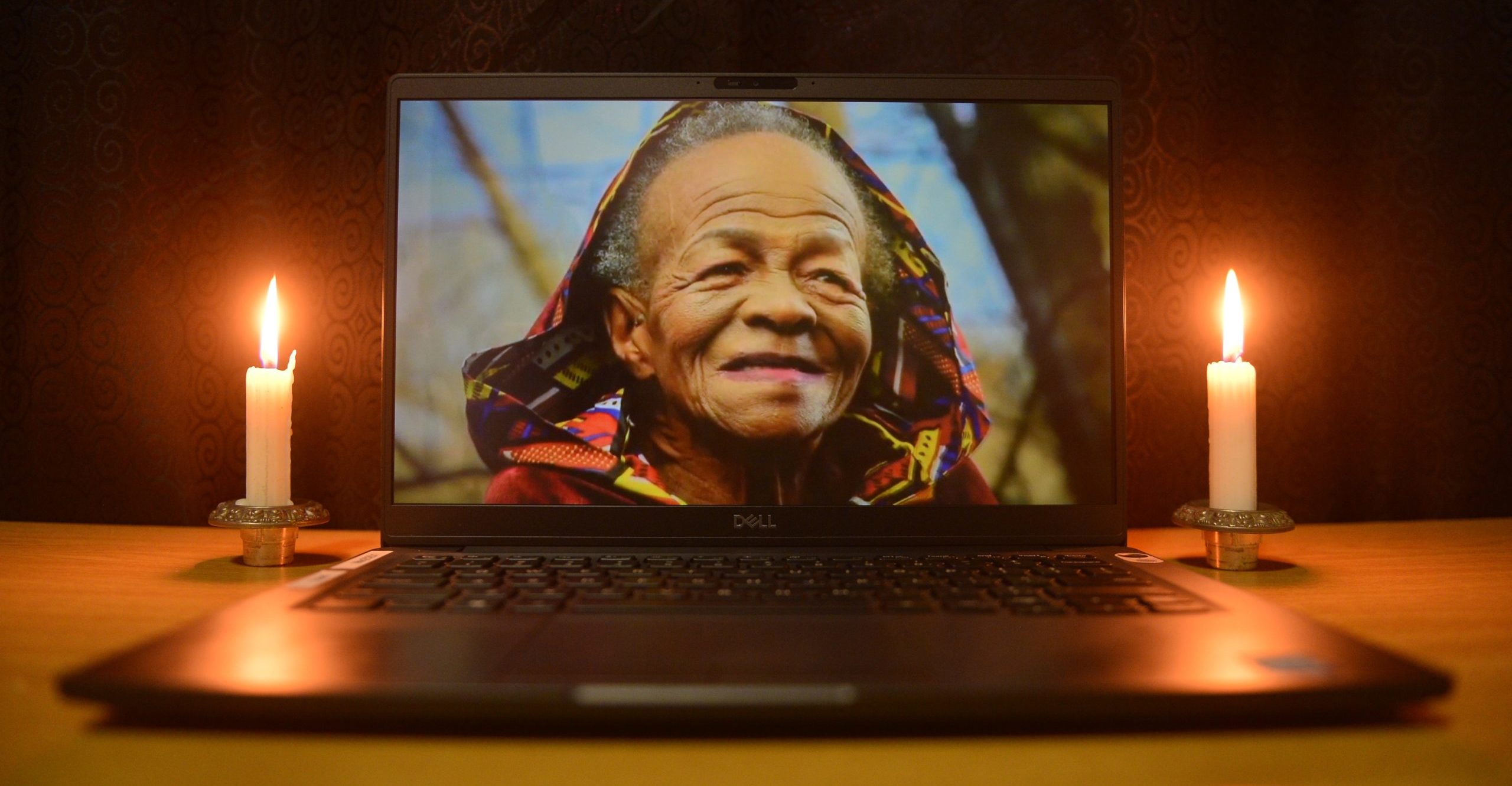
Actress Mary Twala, who died at the age of 79, was described as an institution. A part of South Africa’s film and theatre industry for six decades, Twala was a prolific actress whose contribution helped shape the evolution of the performing arts industry in the country.
In 2006 she was honoured with a Lifetime Achievement Award at the Naledi Theatre Awards for her peerless contribution to the performing arts. In 2018 she crowned that accolade with another Lifetime Achievement Award – this time bestowed by the Mbokodo Awards and dedicated to recognising exceptional accomplishments by South African women in various fields.
Manolis Glezos (9 September 1922 – 30 March 2020)
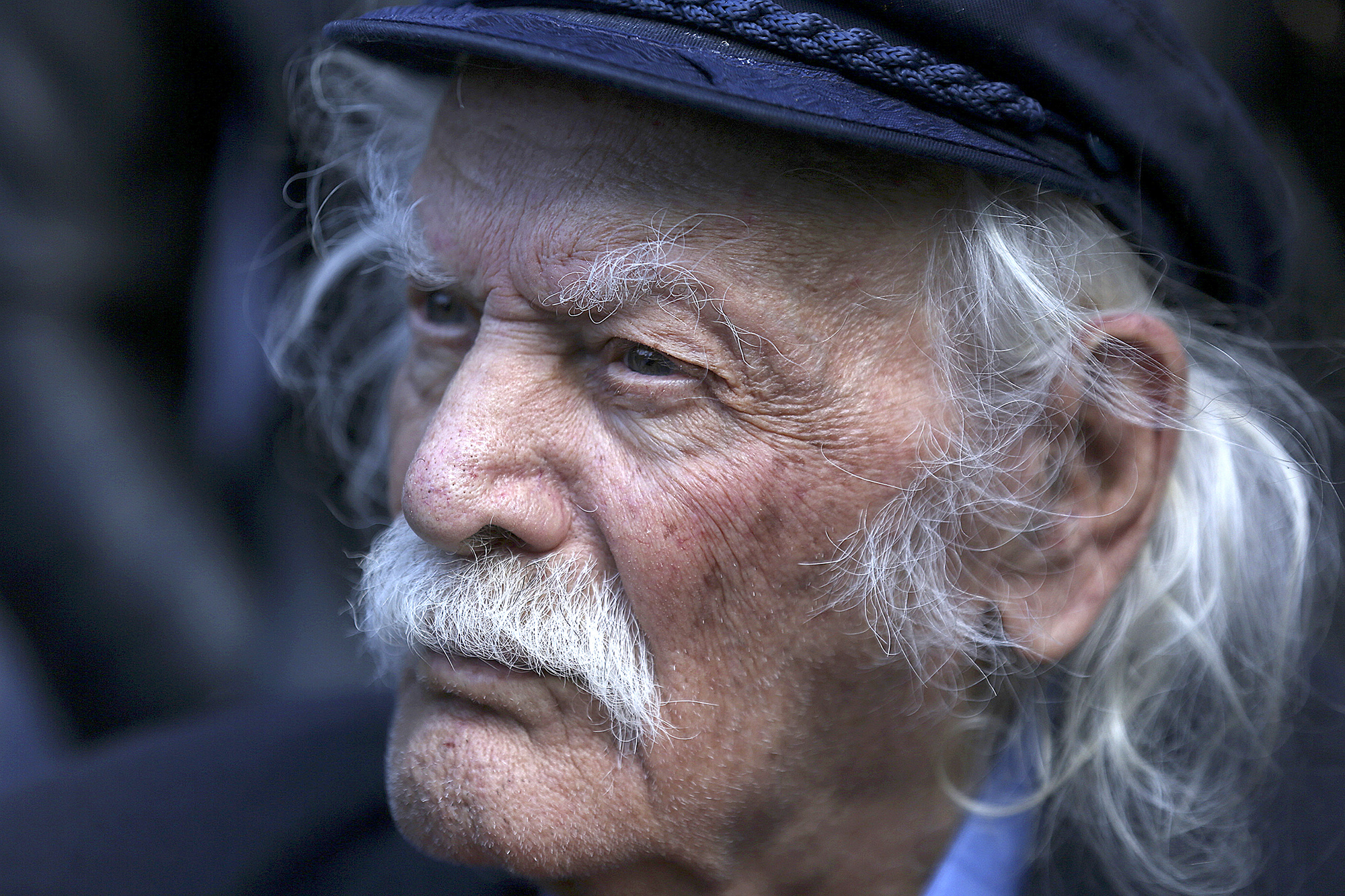
Manolis Glezos was a former anti-Nazi Greek resistance fighter. He was sentenced to death multiple times, confined to a prison cell for 16 years and awarded the Lenin Peace Prize in 1963. In addition to his political activism, Glezos authored articles for Greek newspapers from 1942 (for which he was awarded the International Award of Journalism in 1958) and published six books, including From Dictatorship to Democracy and National Resistance 1940-1945. Determined to keep the issue of Hitler’s war crimes alive, he campaigned well into his 90s for German reparations as compensation for the atrocities Greeks suffered at the hands of the Nazis.
Manu Dibango (12 December 1933 – 24 March 2020)
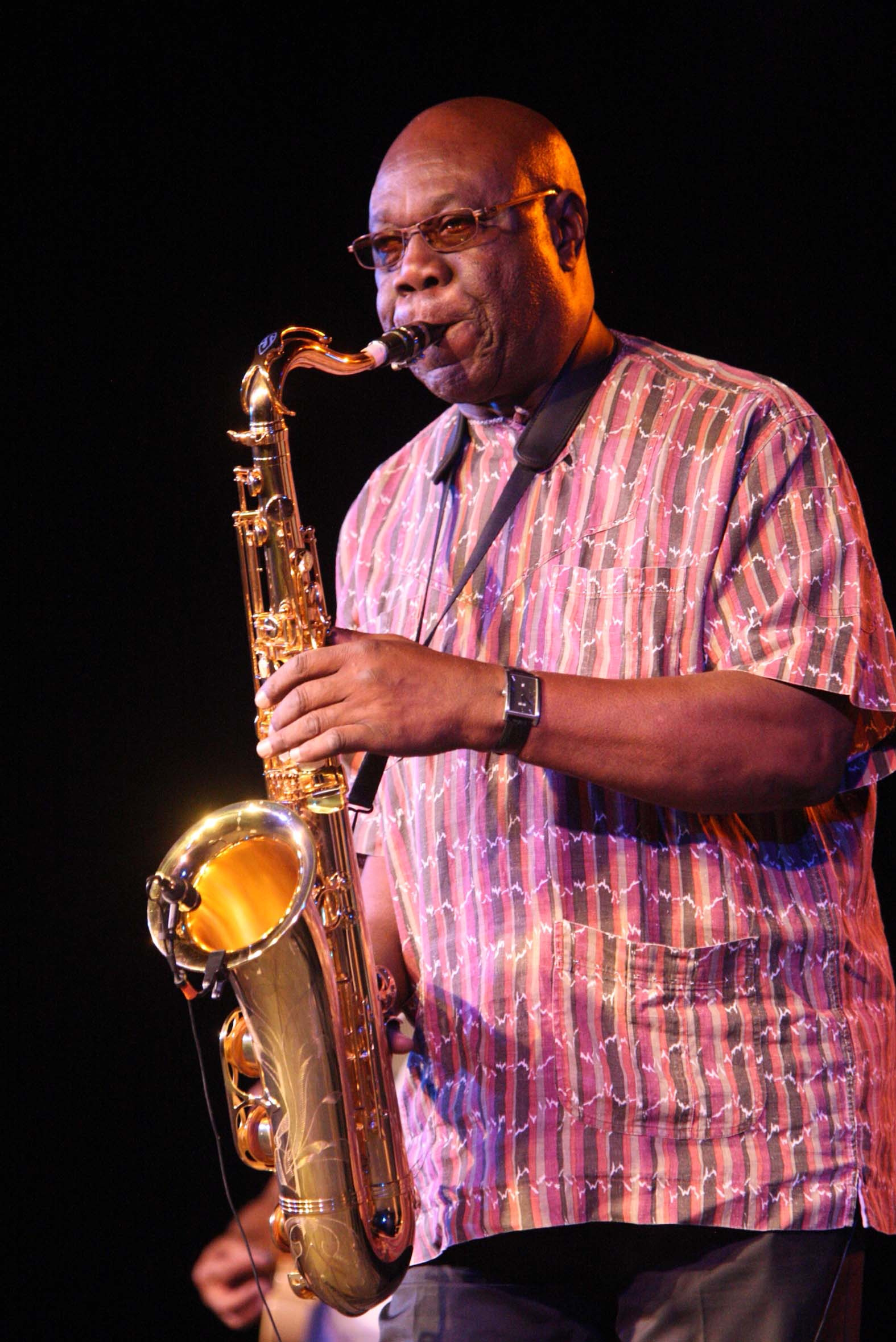
Manu Dibango, a Cameroonian musician and songwriter who played saxophone and vibraphone, was known as the founding father of funk music. He covered a variety of genres, from traditional African roots to jazz, soul, Afrobeat, reggae, gospel, French chanson, Congolese rumba, salsa, and solo piano. The use of the refrain “mama-say, mama-sa, mama-kossa”, on Michael Jackson’s “Wanna Be Starting Something”, earned Dibango substantial compensation two decades later.
Mario Molina (19 March 1943 – 7 October 2020)
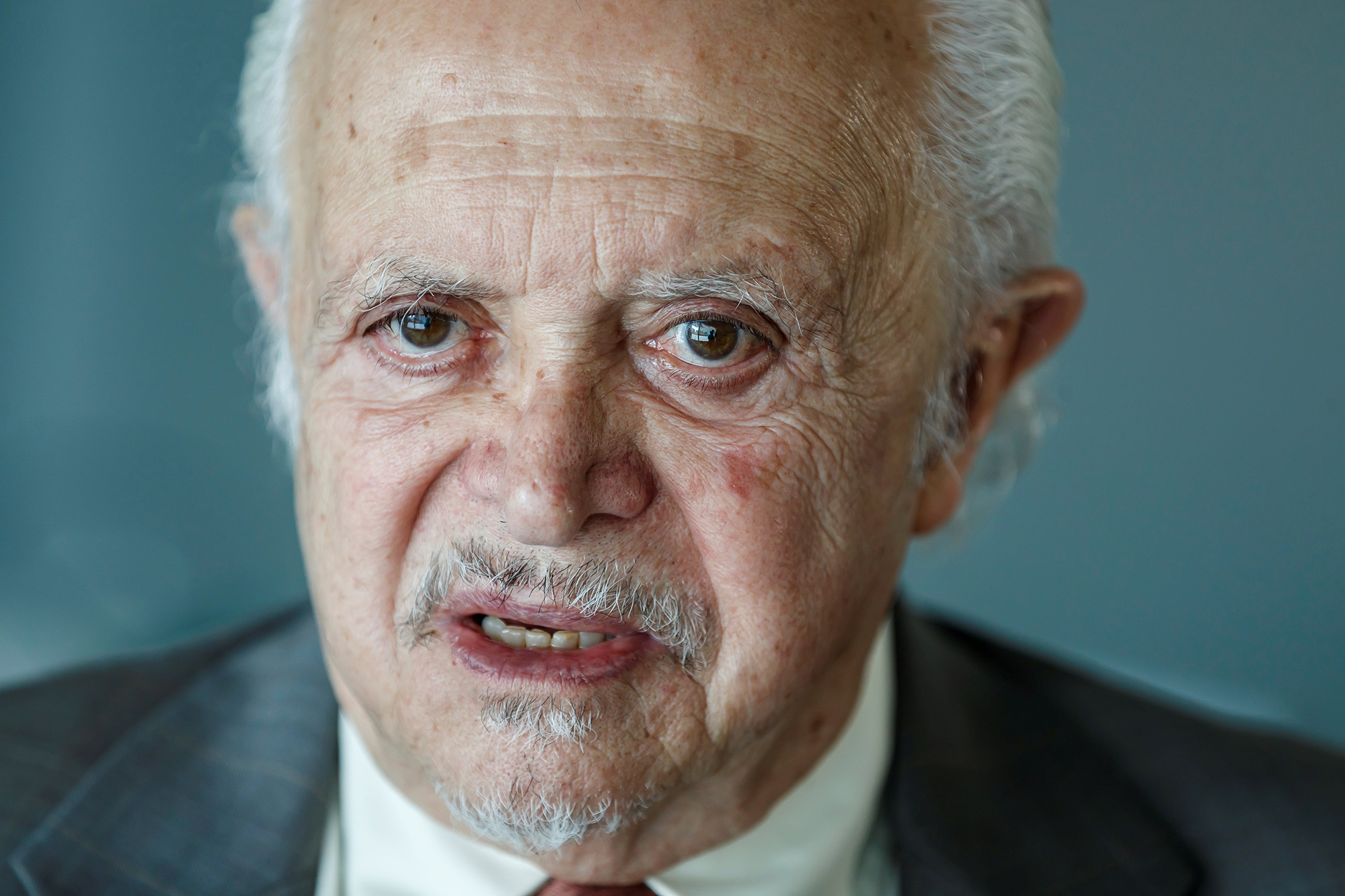
Mario Molina was a Mexican chemist, ozone-hole investigator, Nobel winner, Montreal Protocol advocate and presidential adviser. In the mid-1970s, Molina helped to predict that global emissions of chlorofluorocarbons (CFCs) could deplete stratospheric ozone. His prediction was confirmed in the 1980s by a group of scientists. Molina’s tireless advocacy and scientific diplomacy helped to bring about the 1987 Montreal Protocol on Substances that Deplete the Ozone Layer, an international agreement to phase out CFCs and other ozone-depleting chemicals.
Nyameka Goniwe (1951 – 29 August 2020)
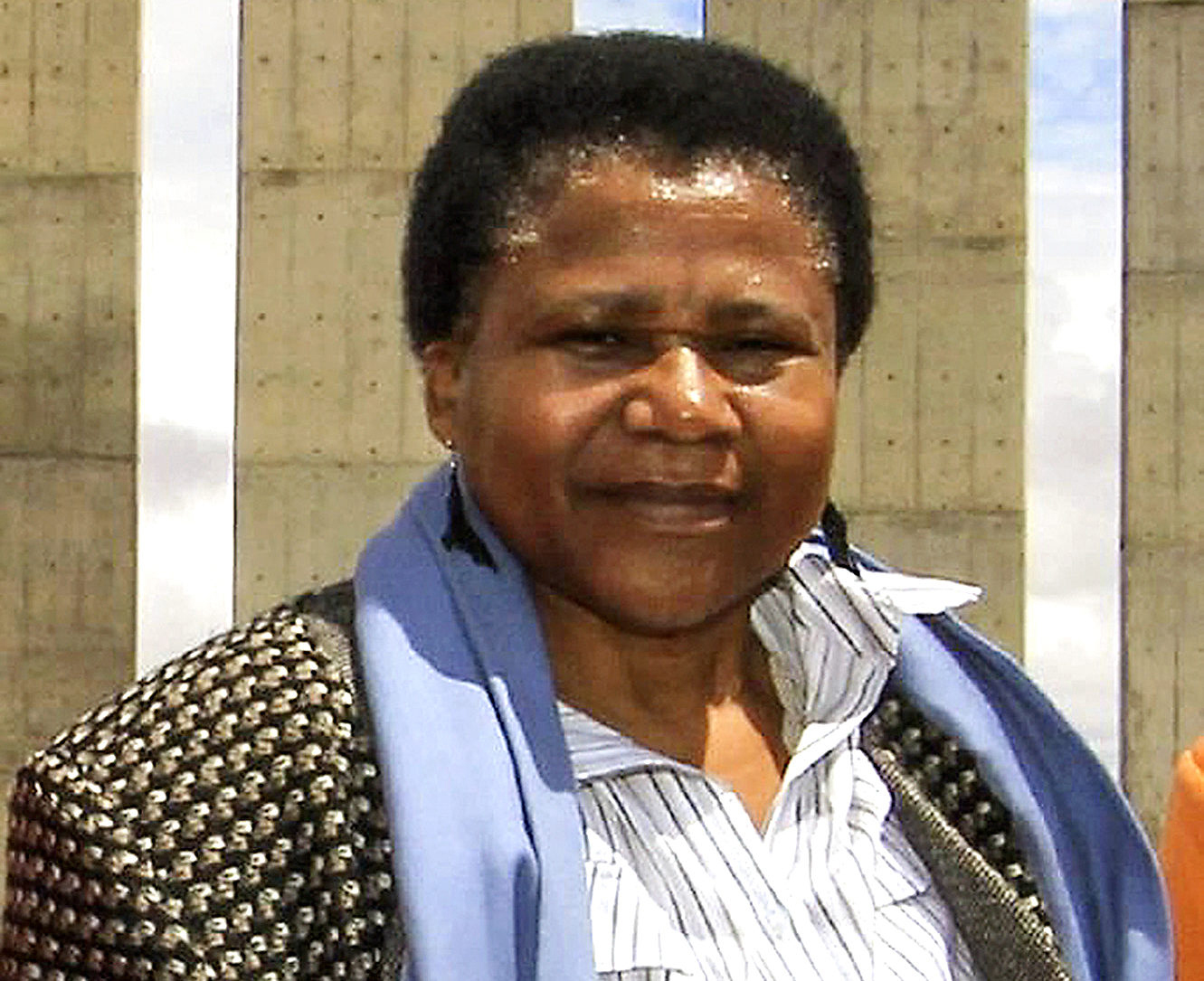
Veteran Eastern Cape Activist, local government politician and social worker Nyameka Goniwe was a champion of the people. She survived the death of her husband, Matthew Goniwe, in one of apartheid-era South Africa’s most brutal extra-judicial killings and went on to campaign in vain for his assassins to be brought to justice. After her husband’s death, Goniwe was active in efforts to promote social change, particularly in rural areas of South Africa. She later became a mayor and speaker of the local municipality council in Cradock.
Dame Olivia de Havilland (1 July 1916 – 26 July 2020)
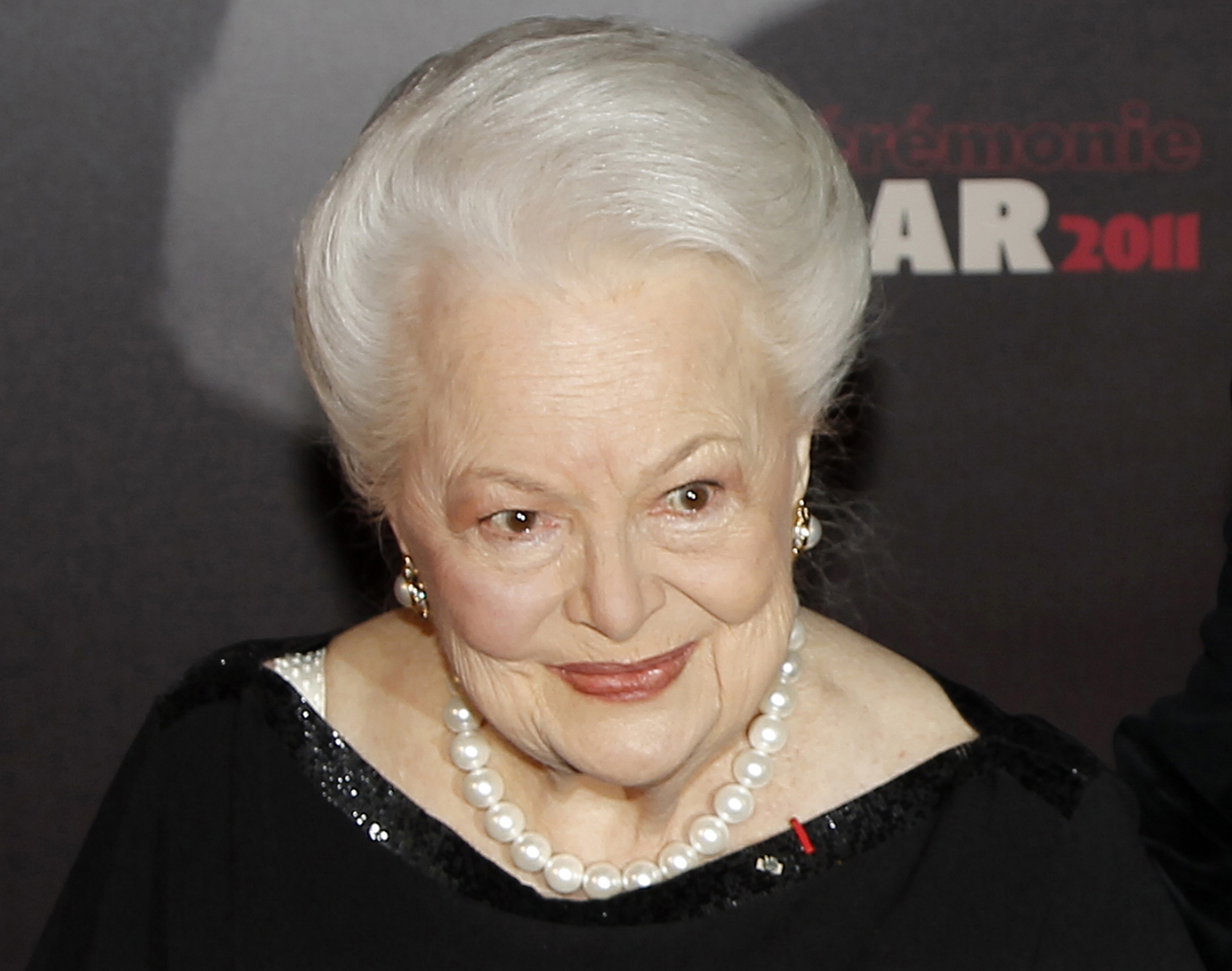
Actress Dame Olivia de Havilland’s career spanned more than 50 years and almost 50 feature films. She starred in prominent movies such as Gone with the Wind, a production that earned her one of her five Oscar nominations. Backed by the Screen Actors Guild, she took Warner Brothers to court in 1943 when it added time to her original contract as a penalty for turning down roles. The California Supreme Court ruled in her favour in what became known as the De Havilland Law, which loosened the grip studios had on their actors.
Lungile Pepeta (1974 – 7 August 2020)
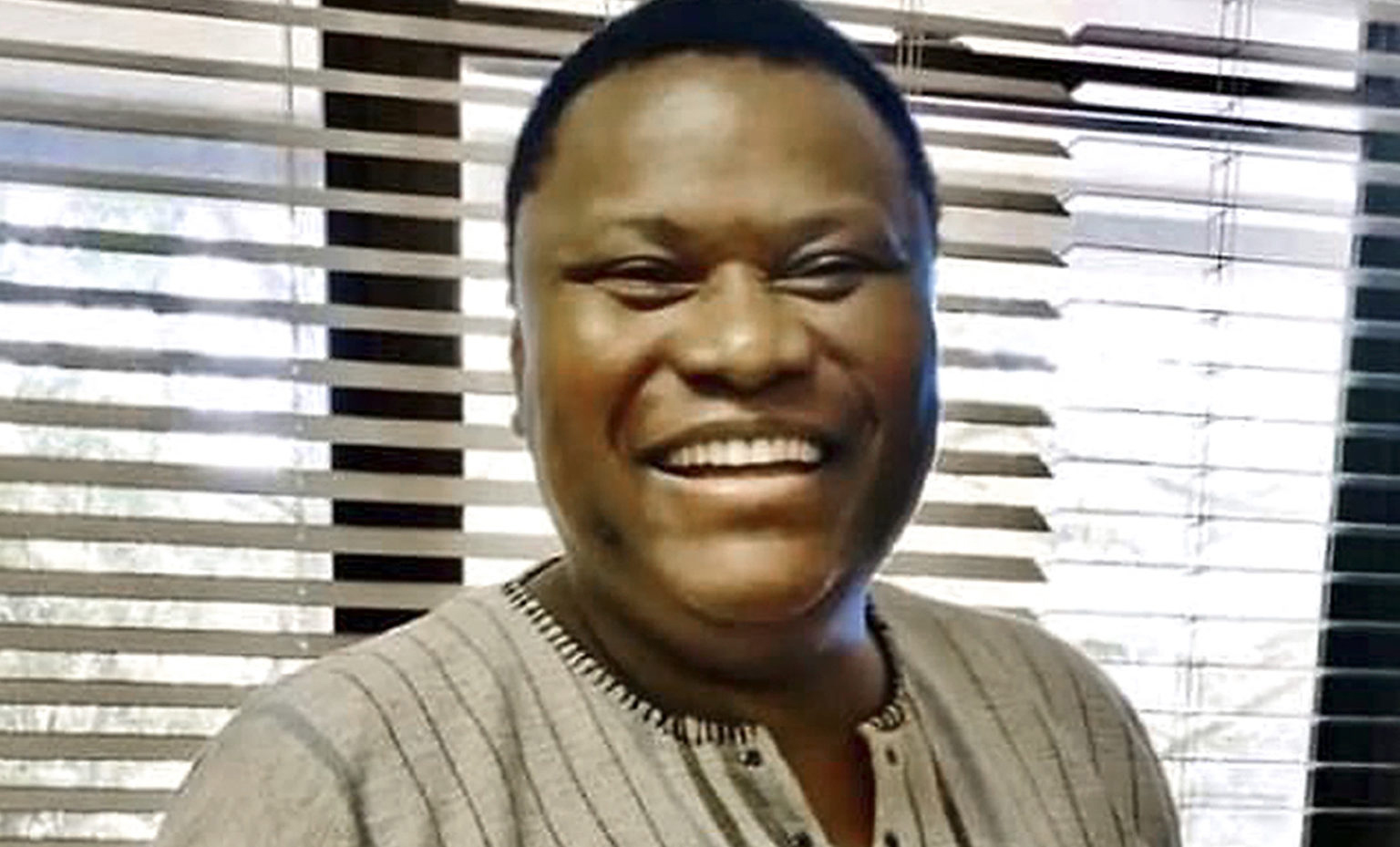
Professor Lungile Pepeta was the executive dean of the health sciences faculty at Nelson Mandela University in Eastern Cape. “He left a proud legacy of speaking truth to power and a dream of creating a children’s hospital in the Eastern Cape,” writes Estelle Ellis. Pepeta was also chair of the Council for Medical Schemes. He was described by the council as a passionate and committed leader who embodied a spirit of service. “(He was one) who poured his life into the service of others through his chosen profession.”
Ruth Bader Ginsburg (15 March 1933 – 18 September 2020)
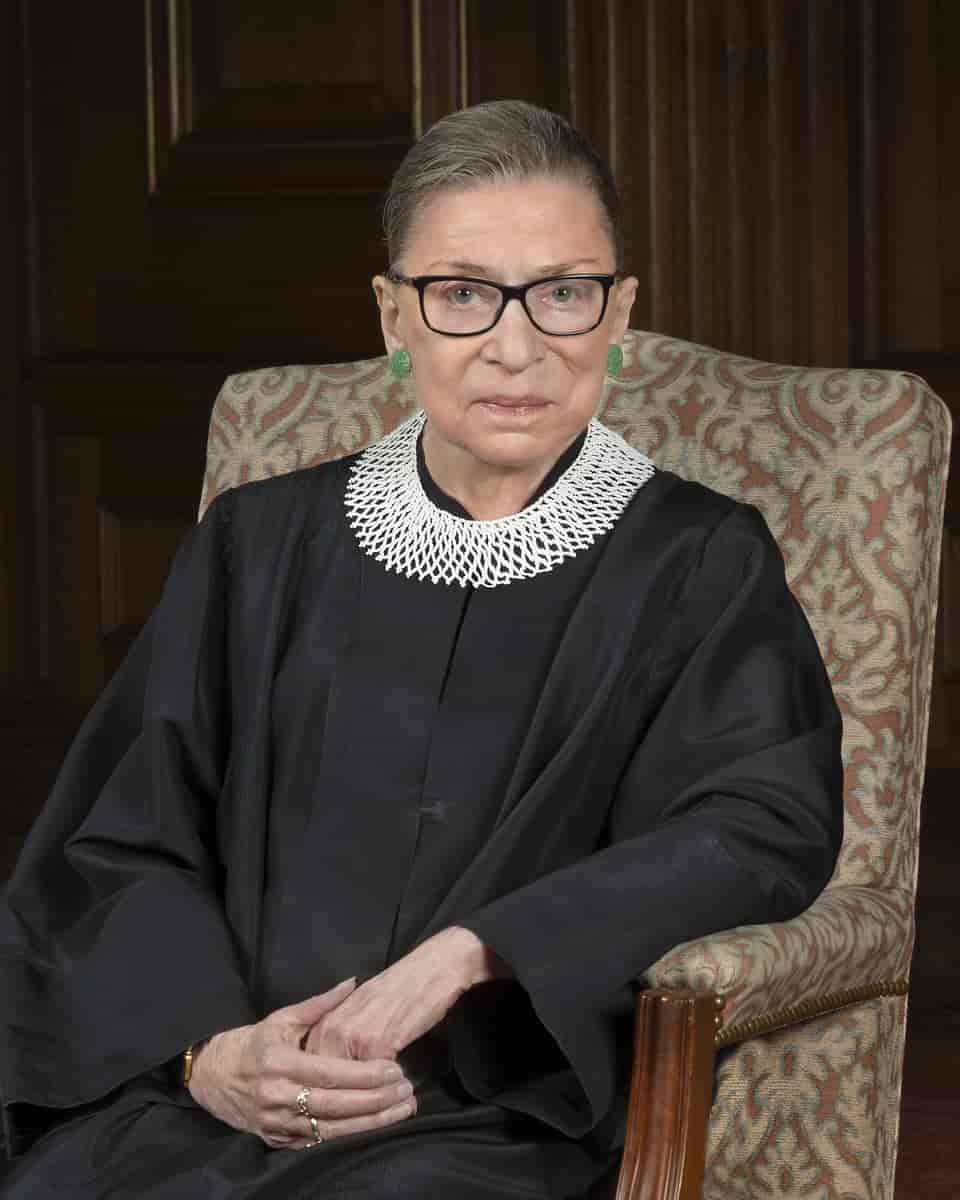
Ruth Bader Ginsburg was associate justice of the Supreme Court of the US. An architect of the legal fight for women’s rights in the 1970s, Ginsburg subsequently served 27 years in the nation’s highest court, becoming its most prominent member. For more than a decade, until her first judicial appointment in 1980, she led the fight in the courts for gender equality.
Saeb Erekat (28 April 1955 – 10 November 2020)
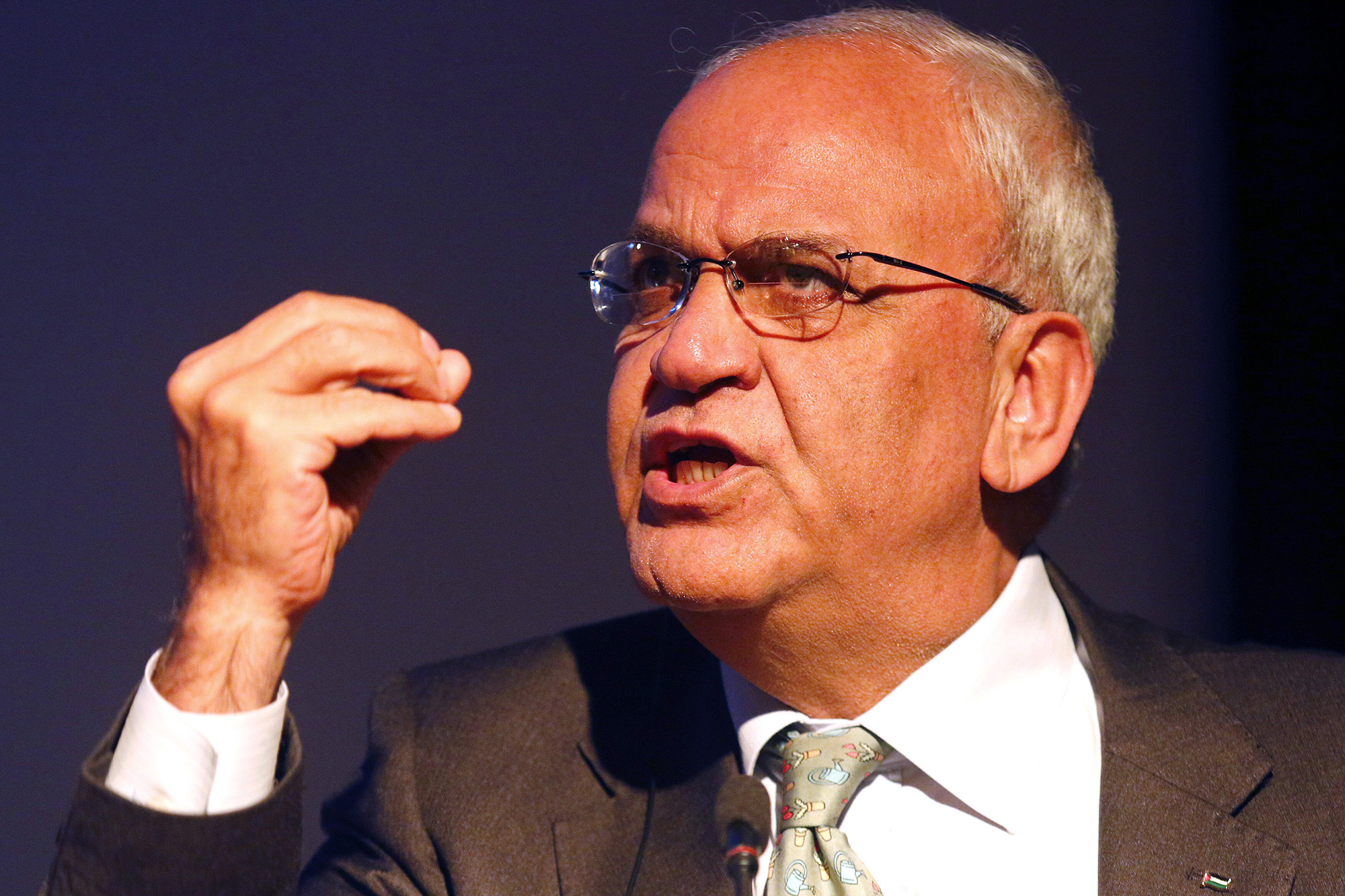
Chief Palestinian peace negotiator Saeb Erekat was a tireless advocate for the Palestinian people in the Middle East peace process. Erekat led the Palestinians in on-off peace talks with Israel for many years as secretary general of the main Palestinian movement, the Palestine Liberation Organisation (PLO). He was also an adviser to President Mahmoud Abbas.
Sir Sean Connery (25 August 1930 – 31 October 2020)
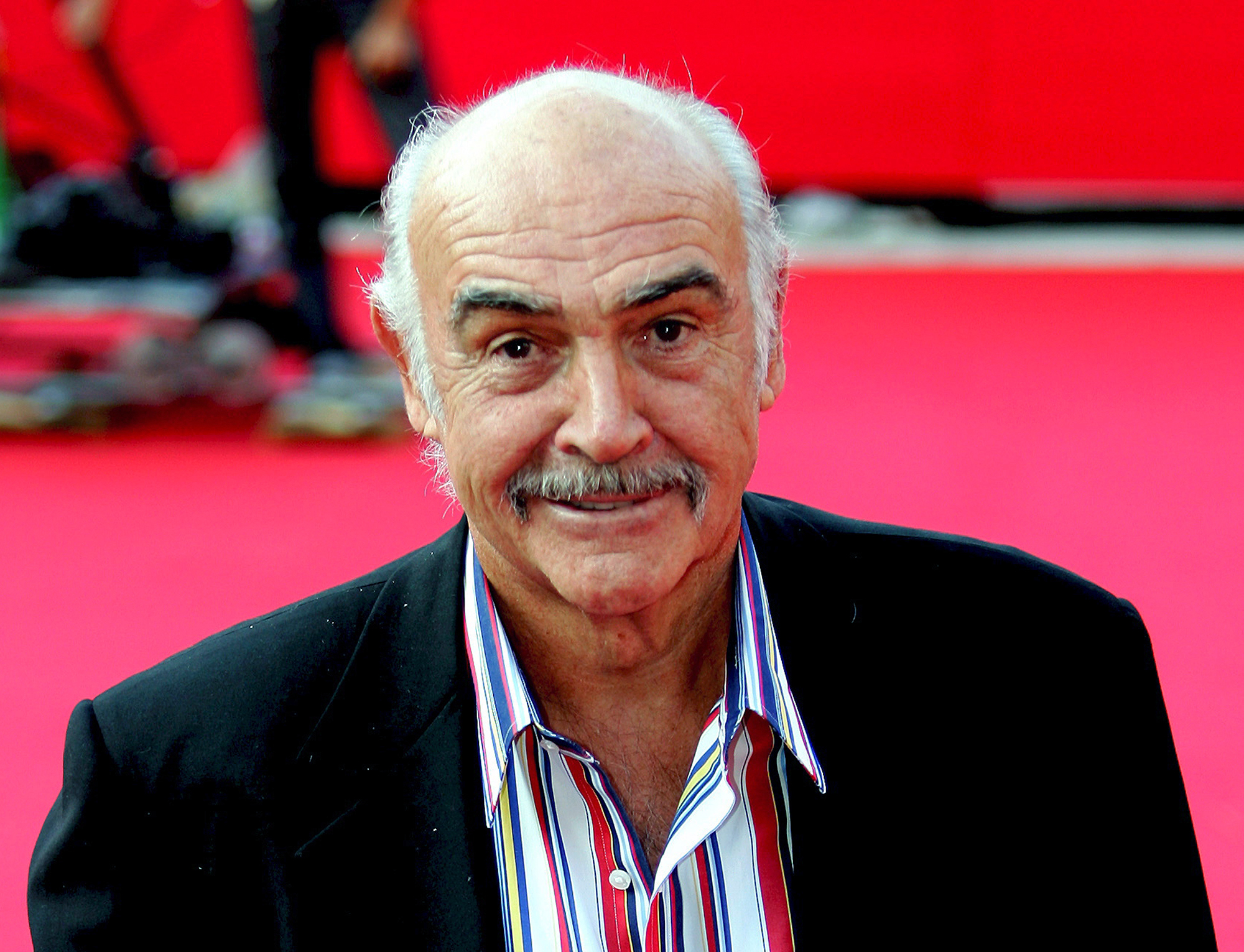
Two-time Academy Award winner Sir Sean Connery shot to international stardom as the first actor to portray fictional British secret agent James Bond on film, starring in seven Bond movies between 1962 and 1983. He also starred in noteworthy productions such as Marnie, The Wind and the Lion, The Man Who Would be King, Indiana Jones and the Last Crusade and the Cold War tale The Hunt for Red October.
Sir Harold Evans (28 June 1928 – 23 September 2020)
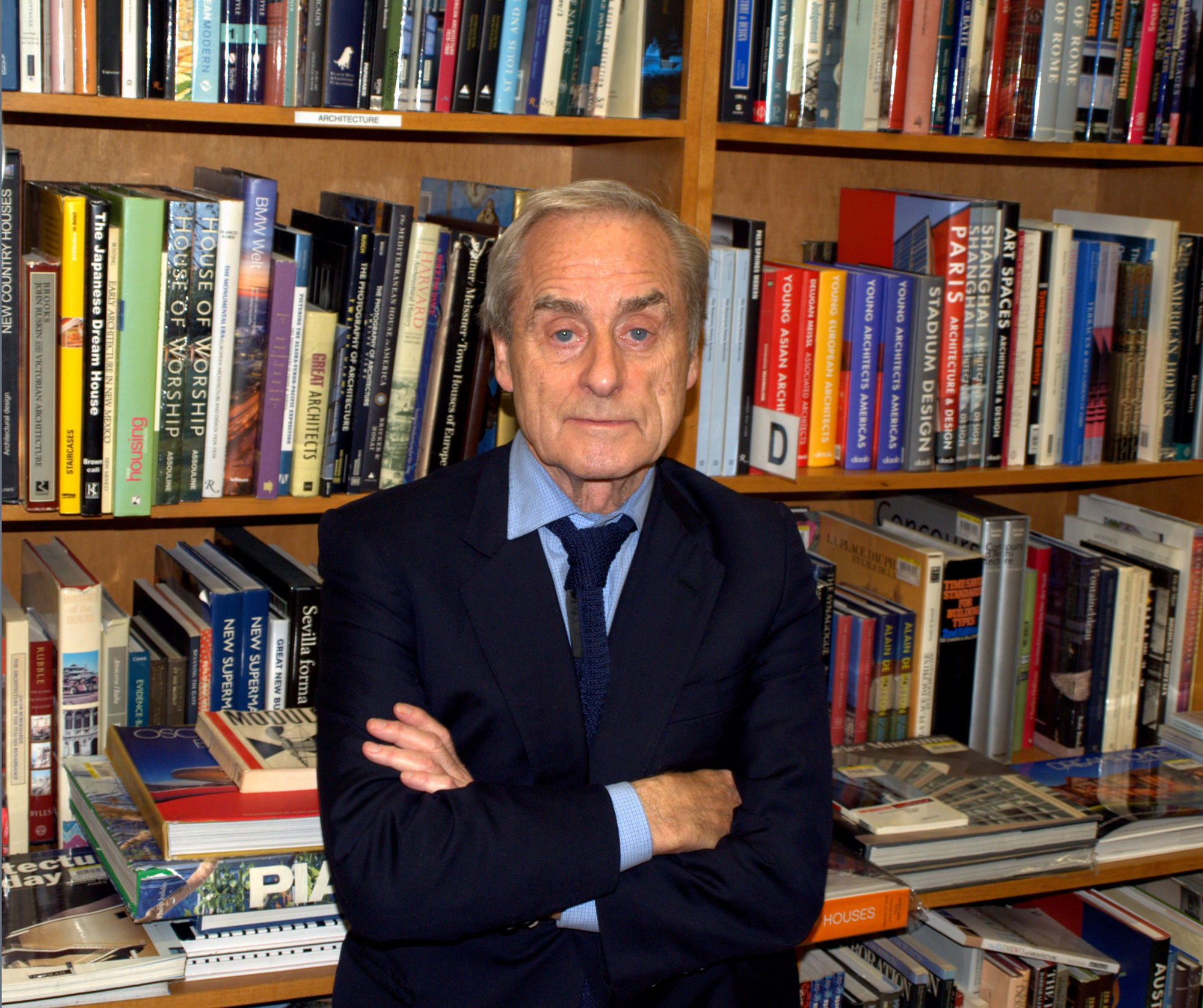
British-American journalist and author Sir Harold Evans was one of the most influential media figures of his generation. Evans served as editor of Britain’s Sunday Times for 14 years and was editor-at-large for Reuters at the time of his death. One of his most famous investigations exposed the plight of hundreds of British thalidomide children who had never received any compensation for their birth defects.
Sultan Qaboos bin Said (18 November 1940 – 10 January 2020)
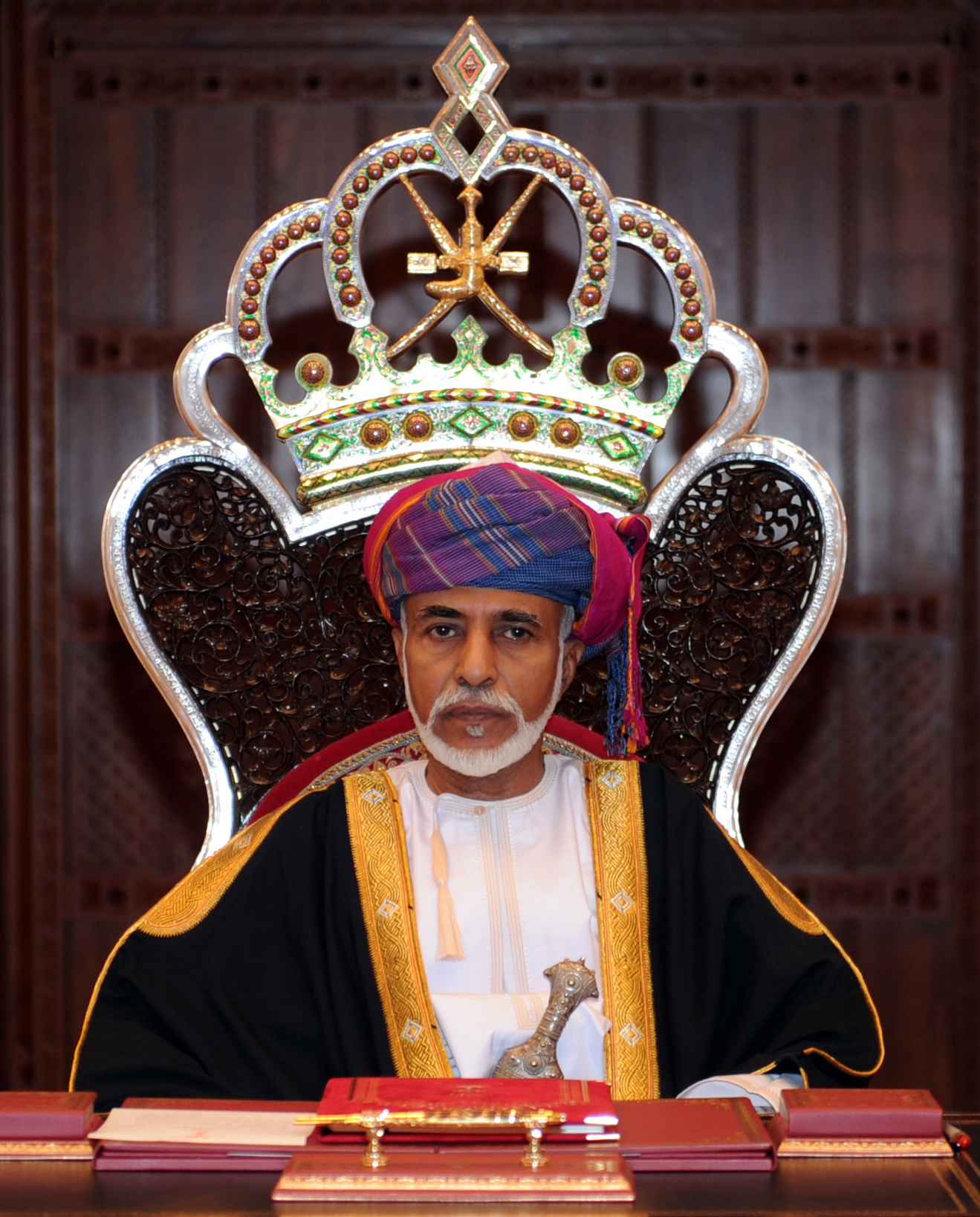
Sultan of Oman, Qaboos bin Said was the Middle East’s longest-ruling monarch, seizing power in a 1970 palace coup and pulling his Arabian sultanate into modernity while carefully balancing diplomatic ties between adversaries Iran and the US. He is best known for modernising Oman which, at the start of his rule, was a nation that was home to only three schools and had harsh laws banning electricity, radios, eyeglasses and even umbrellas.
Zindzi Mandela (23 December 1960 – 13 July 2020)
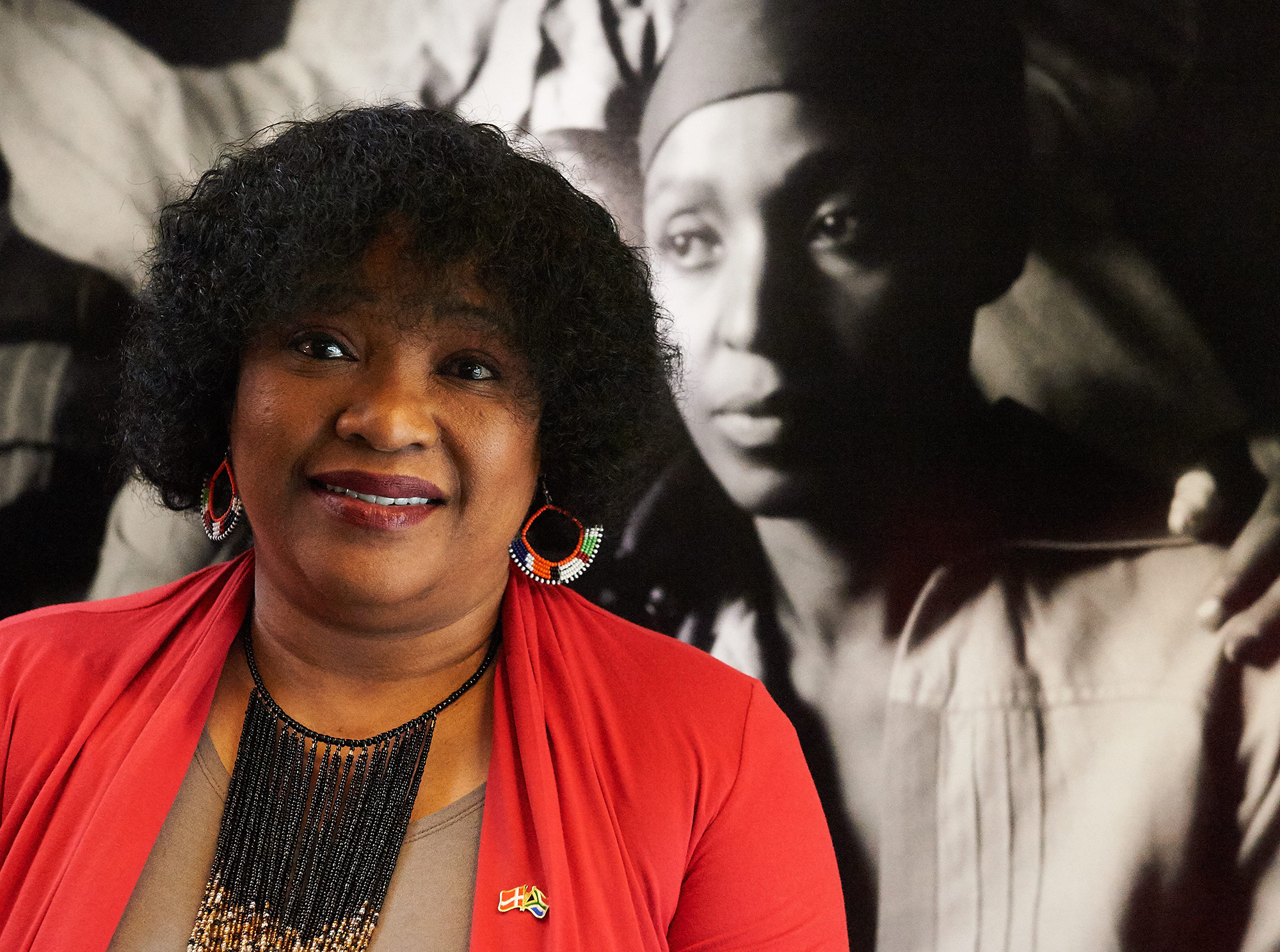
Zindziswa Mandela was a South African diplomat, poet and daughter of former president Nelson Mandela. She served as deputy president of the Soweto Youth Congress, was a member of the Release Mandela Campaign and was an underground operative in the ANC’s armed wing Umkhonto weSizwe. She was posted to Denmark as an ambassador in 2015 and had been designated to become South Africa’s head of mission in Monrovia, Liberia. DM/MC

Like what you’re reading? Sign up to the Maverick Citizen newsletter and get a weekly round-up sent to your inbox every Tuesday. Free. Because paywalls should not stop you from being informed.

Please note you must be a Maverick Insider to comment. Sign up here or sign in if you are already an Insider.
Everybody has an opinion but not everyone has the knowledge and the experience to contribute meaningfully to a discussion. That’s what we want from our members. Help us learn with your expertise and insights on articles that we publish. We encourage different, respectful viewpoints to further our understanding of the world. View our comments policy here.
All Comments 1
A fascinating list of people who passed on this year. The first mentioned, Aimee Stephens is ‘related’ to the role of RBG mentioned later. This is in respect of the cynical appointment of Amy Coney Barrat by the collusion of the white supremacist Mc Connell (who swore and acted to limit Obama’s election as president of the US to one term… and failed). There is every possibility of her (Amy’s) rushed appointment (after the judgement in the Stephens case) to the supreme court, resulting in the reversal of the decision. That is … unless Amy’s very conservative Catholic views (even surpassing that of the Pope!), undergo a swift transformation.
Nigel joined IMKAN Properties four years ago with over 20 years of experience in both Lead Consultant and client-side Design Management roles, gained from working with leading organizations in the UK and MENA region. Nigel holds a BA(Hons) with Diploma in Architecture and graduated as a chartered ARB RIBA Architect with a Certificate of Architectural …
Nigel joined IMKAN Properties four years ago with over 20 years of experience in both Lead Consultant and client-side Design Management roles, gained from working with leading organizations in the UK and MENA region.
Nigel holds a BA(Hons) with Diploma in Architecture and graduated as a chartered ARB RIBA Architect with a Certificate of Architectural Professional Practice from Plymouth University in his home country UK.
His experience both regionally and internationally covers a wide variety of small and large-scale project types spanning multiple sectors.
1. Share your professional journey so far?
I studied Architecture in my home country United Kingdom, undertaking a three-year Degree, two-year Diploma and then two years of professional experience before qualifying as an RIBA Chartered Architect. I worked for 5 years in Exeter then Bristol for two of the most recognized award-winning Architectural firms in the South-West of England on some fantastic design projects before deciding to move to the UAE in 2006 to be a part of Dubai’s booming economy. I saw it as an amazing opportunity to take a big step up in terms of project size, exposure and responsibility. In 2009, a year after the global economy had fallen off a cliff, I was headhunted for a client-side Design Manager role for a major developer in Qatar. The company was working on some incredible masterplan projects in Libya and after one year of work in Doha our team was then shipped off to Tripoli to deliver on a fast-track mixed use waterfront development. The increased exposure was amazing and was another ‘level up’ in experience. Six months later we were blown out of Libya due to the Arab Spring (a story for another time!) and I soon found myself back in the UAE working as a Design Manager and then Regional Director for the branch office of my old architectural firm from the UK. The RD role was a fantastic opportunity to develop a huge business network in the region. We landed some great projects of which I am still immensely proud. Following one further headhunting into another RD role for a competitor firm, I finally transitioned into a Design Director role with IMKAN, where I have effectively been for 4 years.
2. Where do you find design inspiration outside of architecture?
Travel and everyday life. The biggest inspiration in my life to date came from nearly two years of traveling that I did some twenty years ago in-between my Degree and Diploma studies. Armed with a trusty rucksack I covered India, Singapore, Malaysia, Indonesia, Australia, New Zealand, Fiji, Hawaii, Canada and the U.S.A, and the diversity of things I lived and breathed in that two years was simply life changing. I still use many aspects of that trip as reference points in my life today.
3. Could you share your goals at IMKAN Properties?
To continue working on high quality architectural projects that genuinely add value to the built environment and people’s lives. At IMKAN I’ve had the opportunity to work with architects whose projects and books I studied at university, such as MVRDV Architects from Rotterdam. I’ve worked with designers who are interested in making the world a better and more enjoyable place to be. That’s an incredible thing to be part of.
4. What is your favorite project you’ve worked on at IMKAN Properties?
Makers District and PIXEL. PIXEL is the project which I feel captures perfectly the spirit of what IMKAN has been trying to do, namely: delivering best in-region high-quality mixed-use projects which drive a sense of community, belonging, and place.
5. What are you currently working on?
I’ve just finished the Beach club at Makers District in partnership with Cove, which launched on Friday November 27th. The feedback from the community has been incredible and as the first public realm activation point in Makers District, we are super proud to have moved this project across the line under some very challenging circumstances. The project will continue to be enhanced and evolve over the coming months as we seek to further activate the North Beach zone, followed by the Northern Promenade of this 186,000sqm district site.
The recently launched Makers District Beach is the only swimmable beach on Reem Island, offering guests an array of pursuits along its more-than-300 meters of beach front. Aligned on IMKAN’s philosophy of ‘placemaking’, an ethos that aims to create soulful places, the beach on Makers District perfectly blends art, aesthetics and activity, taking the beach experience to a whole new level.
6. Can you give an insight into the challenges and highlights of working in this region?
Honestly speaking, the biggest challenge is trying to achieve a work / life balance. Construction projects in this region are incredibly stressful and demanding and it makes little difference which side of the fence (consultant or client side) that you sit in terms of the extreme demands on your time, and that does not come without sacrifice. The highlights are obviously seeing the fruit of your labour. The act of taking something from an idea, to paper, constructing it, and then seeing people inhabit and enjoy that space or place is a very special process and an extremely humbling thing in life.
7. What trends do you see coming through in the architecture / interior design space?
Technology will continue to impact on architecture and design as we strive to ‘clean up’ what is traditionally a highly inefficient process. As the world wakes up to the magnitude and urgency of the unfolding sustainability crisis, we will see stringent legislation which forces cleaner end to end processes.
8. How COVID-19 has affected your work, the way of working, and plans for the future?
Beyond the initial disruption earlier this year, our team has returned to full time site or office-based work and is busier than ever, however the wider impact of COVID-19 on the industry and delays to projects is obviously still very much felt. The homeworking experience back in March/April was nothing short of enlightenment. We had this paradoxical situation of, on the one hand, a killer virus taking lives and up-ending the world as we know it, but on the other hand a utopian balance in that everyone was working remotely and being incredibly productive and effective and yet at the same time realizing additional time with their families. It was a once in a lifetime experience which gave a lot of people time to reflect on the important things in life. It was a stark reminder that life is incredibly fragile, and we should focus on those things in life most precious to us.
Nyameka Goniwe, widow of Matthew Goniwe, died a week ago. Matthew was an anti-apartheid activist and one of the ‘Cradock Four’. An activist in her own right, who participated in local government in later years, Nyameka died at age 69 – just over 35 years after the death of her husband. Matthew’s funeral was an …
Nyameka Goniwe, widow of Matthew Goniwe, died a week ago. Matthew was an anti-apartheid activist and one of the ‘Cradock Four’.
An activist in her own right, who participated in local government in later years, Nyameka died at age 69 – just over 35 years after the death of her husband. Matthew’s funeral was an iconic event in the history of the turbulent 1980s.
Matthew and the other members of the Cradock Four – Fort Calata, Sparrow Mkhonto and Sicelo Mhlauli – disappeared on 27 June 1985 after attending a UDF meeting in Port Elizabeth. Their mutilated bodies were later found in the Blue Water Bay area outside the city.
At the time, the government released a statement attributing their deaths to “black-on-black violence”. However, it later emerged – as the community already suspected – that they had been murdered by members of the security police.
The funeral took place in Lingelihle, Cradock’s black township, on Saturday 20 July. I attended the event, which became an early showcase of resurgent black resistance to apartheid. At the time, I worked for the Cape Times, and had driven up-country to try to gain a better understanding of the political ferment radiating out from the Eastern Cape. The weekend is indelibly etched in my memory.
I drove into Cradock on the Friday. As I neared the town, I drove through several military roadblocks, set up in an attempt to stop buses carrying people from Johannesburg and elsewhere from entering the town. The town was jammed with military vehicles, and sandbagged military strong points had been set up at its entrances. I booked into a small local hotel.
Crowds started gathering in Lingelihle the next morning. First, people congregated outside the Goniwe home, where a brief ceremony was held. The main event got under way later in the morning, on a soccer field in the township. Groups representing various local and national organisations marched past, holding placards, standards and banners.
The gathering was addressed by Allan Boesak, Beyers Naudé and Steve Tshwete, among others, and a message from the then president of the ANC, Oliver Tambo, was read out.
A major surprise came when mourners unfurled a giant red South African Communist Party banner – an act of defiance which was unprecedented at that time. It was very cold, and the flags and banners stood out vividly against the drab backdrop of the township and under the clear Karoo winter sky.
The gathering was peaceful, and the security forces did not intervene. Armoured vehicles were visible in the distance, with commanders peering at the proceedings through binoculars.
I returned to the hotel in the afternoon. It was packed with off-duty servicemen, eating in the dining room and drinking in the bar. In the early evening, then president PW Botha declared the first state of emergency, in 36 of the country’s 260 magisterial districts. As he spoke on television, servicemen and other patrons burst out cheering.
I took these photographs in the course of the funeral. They have never been published. Today, some three and a half decades later, I look at them with mixed feelings. Among others, Cradock and Lingelihle, have had a troubled post-apartheid history. I wonder whether the people in these images would feel they have really been liberated, and, if not, who or what they would now regard as their enemy.
This feature is now exclusively available to Moneyweb Insider Gold subscribers. Subscribe for full access to all our share and unit trust data tools, our award-winning articles, and support quality journalism in the process. Click here to Book Accommodation in Cradock, Graaf Reinett, Hofmeyer or surrounds. Article source: https://www.moneyweb.co.za/mny_sens/pan-african-resources-plc-production-guidance-and-senior-management-changes/
This feature is now exclusively available to Moneyweb Insider Gold subscribers.
Subscribe for full access to all our share and unit trust data tools, our award-winning articles, and support quality journalism in the process.
To use this website, cookies must be enabled in your browser. To enable cookies, follow the instructions for your browser below. Facebook App: Open links in External Browser There is a specific issue with the Facebook in-app browser intermittently making requests to websites without cookies that had previously been set. This appears to be a …
To use this website, cookies must be enabled in your browser. To enable cookies, follow the instructions for your browser below.
Facebook App: Open links in External Browser
There is a specific issue with the Facebook in-app browser intermittently making requests to websites without cookies that had previously been set. This appears to be a defect in the browser which should be addressed soon. The simplest approach to avoid this problem is to continue to use the Facebook app but not use the in-app browser. This can be done through the following steps:
Enabling Cookies in Internet Explorer 7, 8 9
Enabling Cookies in Firefox
Enabling Cookies in Google Chrome
Enabling Cookies in Mobile Safari (iPhone, iPad)
To use this website, cookies must be enabled in your browser. To enable cookies, follow the instructions for your browser below. Facebook App: Open links in External Browser There is a specific issue with the Facebook in-app browser intermittently making requests to websites without cookies that had previously been set. This appears to be a …
To use this website, cookies must be enabled in your browser. To enable cookies, follow the instructions for your browser below.
Facebook App: Open links in External Browser
There is a specific issue with the Facebook in-app browser intermittently making requests to websites without cookies that had previously been set. This appears to be a defect in the browser which should be addressed soon. The simplest approach to avoid this problem is to continue to use the Facebook app but not use the in-app browser. This can be done through the following steps:
Enabling Cookies in Internet Explorer 7, 8 9
Enabling Cookies in Firefox
Enabling Cookies in Google Chrome
Enabling Cookies in Mobile Safari (iPhone, iPad)
“I don’t think we will ever come to terms with the death of my brother. It never occurred to me that I will be left with my sister after the deaths of our mother and aunt earlier this year.” Those were the words of a heartbroken Leentjie Hendricks, who lost his brother Johnny Smit after …
“I don’t think we will ever come to terms with the death of my brother. It never occurred to me that I will be left with my sister after the deaths of our mother and aunt earlier this year.”
Those were the words of a heartbroken Leentjie Hendricks, who lost his brother Johnny Smit after he was hit by a truck on the busy N9 in Middelburg while participating in a service delivery protest.
Smit, 37, was killed alongside fellow activist Thabiso Ngqolo, 20, when a truck ploughed into a group of protesters on 16 October.
Image by 9883074 from Pixabay Christmases that started in October with the making of a cake, plastered in marzipan and covered in royal icing now seem like a mirage; was it ever there? Yet the spirit of the season remains, come hail, high wind or pandemic, and here we are wondering, now what. Christmas seems …
Christmas seems to know no creed any more; over time it’s become a thing for everybody. It punctuates our years and our lives whether we are Christians, Rastafarians or mere hopeless sinners who spend hours shopping in the days and weeks leading up to the day. It’s become inescapably secular in ways other than the brash vulgarity of its colours and sounds. But enough of shopping malls and Boney M.
The Big Day can be as joyous as it can be deathly depressing. How much more so the Christmas at the end of a year in which almost every family is touched by sickness or death from a disease that hadn’t been heard of on the 25th of December, 2019. Just this week it reached a beloved junior cousin in my own clan. And my brain threatens to implode when I hear cavalier dismissals of the virus; especially those unthinking and selfish remarks of it being “just a ‘flu, nothing to worry about”. Tell that to the real sufferers. Tell that to the Durban restaurateur we wrote about this week, then heard just this morning (Friday) that he hadn’t made it. Tell that to the LoCo sufferers… the Long Haul Covid victims who, many months after contracting it, just cannot shake it, and who report that it affects every part of their body, moving from one to the next. The eyes. The brain. Everywhere.
And here I am writing about food, which requires a sense of taste, in a milieu in which most victims lose that seemingly innocuous thing. Imagine not being able to taste. It ought to be unthinkable, yet here we are.
And I’m thinking about the first Covid Christmas, and how many people in the world will not be able to appreciate it, not smell the brandied cherries, not taste the mince pie, or relish the aroma of the turkey as it comes out of the oven. Or who may not be there at all. The separated ones, those who elected not to travel to their families, watching one another open their presents on a computer screen. The empty chairs at millions of tables, and all those seated at the table inescapably aware that that chair is empty this year, and will be next, and next… and what will the new year bring, and will we have to endure a second Covid Christmas a year from now. So many unknowables.
But I’m looking further back today. The old man alone in his single room in a decrepit boarding tenement in Durban in December 1982 must have been sorely sad that last Christmas Day. Maybe he put his white cap on and went out for a stroll on the beachfront, bent over his walking stick. Did he mull, while he traipsed along the promenade, upon the Christmases of his working years, the hanging of the streamers along the ceilings, wall to wall; the lighting of the tree; the stringing up of Christmas cards and the memories of England and shovelling snow while standing under an unfamiliar African sky; memories that would remain memories, unto death.
The old lady alone in her flat in Sea Point must have looked forward for days to the Christmas Day visit, when the son would arrive and hug her and give her a present wrapped in bright paper and then, when he’d gone, try to cast from her mind the Christmases of long ago when the boy would be up at dawn, prodding gifts in the lounge, wondering which were his. The Christmas when he got Meccano, the one when he got the Beatles’ A Hard Day’s Night album; the one when he got his first bike. The bike she had resisted giving him for years, ever since the older boy had gone out to Sunday school on his bicycle one morning and that thing happened that took him away forever. Her mind surely wandered, on all of her Christmas days, to his grave on the desert edge of town, there then, as in 1958, there now, with the living son’s mind’s eye picturing it on many days, including his own remaining Christmases.
Decorating the house for Christmas, only a 10-minute walk from that grave, in the house on the corner of town, was looked forward to as much as the presents around the base of the tree. In the early ‘60s, Phillip had only been gone a few years, but the boy now six or seven barely remembered the toddler of two who had been told his brother had died. While there must have been a pall of sadness over my parents, watching me, I’d unfurl coils of coloured paper ribbon, one red, one white, or one green and one yellow, then cross-fold them to make a streamer you could pull out and run from the corner to the chandelier. The tree lights were a joy, hand painted and in varying shapes, not the austere fairy lights everyone gets now (us too). My favourite tree decoration was a red and white wax Father Christmas which is the only remnant of those early days. In more than 60 years, it has never found enough heat to melt it to nothing. There it is, on the tree in the Cradock house, right now; a Christmas tree decoration with a story to tell all the other latecomers on the other branches, the tinsel, the red and gold baubles, the tartan bows, the faux snow-napped pine cones; all oblivious of the stories the peculiar wax Santa has to tell.
Christmas started in October. Not with Bing and Nat crooning on the general store loudspeakers but with my mom making the big square Christmas cake which she’d plaster with marzipan and then coat with royal icing with a hint of lemon in it to whiten the colour. The fruit mince and red glacé cherries and great quantity of chopped nuts had been soaked in brandy for days. Dainty Dinah, who turned out to be a boy (a more light-on-his-paws feline I have never encountered since), would swish around the kitchen, purring for attention, as mom poured the batter into the paper-lined pan and baked it for hours. When the icing had set on the marzipan much later, we’d pour colouring essences into leftover icing, red and green, and pipe it along the edges, then squirt little blodges of it on top and stick cake decorations on them, a fir tree, another Santa, and other Christmas cake kitsch.
That there was brandy in it and we were little children was never deemed an issue in our household. I was brought up to have a sip of mom’s muscadel now and then, and on our annual holidays was allowed a small glass of dry white wine with dinner at the hotel. It took, though luckily not to the extent it was to take with dad later on. Still, he and I can talk about all that one day in Valhalla.
I can only recall one sad and depressing Christmas. It must have been 1971, when we’d only been in the Three Anchor Bay flat for a few months, mom and me, and I was actually going to school when I left in my school uniform in the morning. I’m sure she must have wondered, is he actually going there now, the errant truant. There’d been two Christmases since we had left the Diamond Dorp in 1969. The first was in the Mouille Point flat that cost dad R100 a month, a high rental in those days, across from the lighthouse fog horn, the sound of which I love to this day. It helped me sleep; was a strange comfort in a stressful time. Another Oranjemund family came to stay that summer. They were returning to England, by passenger ship, where I imagine the pair of meanspirited brats might have become annoying neighbours or ended up on the dole. I can’t remember what we gave them for Christmas lunch. Gruel?
By now dad’s alcoholism had become apparent for all but the blind to see. It had never occurred to me before the move to Cape Town. For years since then I resented him for it but age changes you and now I just wish I could talk to him. If you’re young, and you still have your parents, grab them now, sit them down and make sure you talk through the difficult stuff while you still can. Safely of course. Be careful that you avoid contracting Covid. You do not want to give it to your parents like my friend in Cradock did, and be so deeply regretful when it’s too late to undo it.
A long life isn’t enough time in which to assimilate everything there is to be thought about. Even as I write I’m imagining dozens of Christmases over which Phillip’s loss must have cast an invisible veil over our parents. Our. I had to think about that word as I wrote it. Not just mine and Pat’s; Phillip’s too. Through that veil I see why dad drank like he did. The war had shell-shocked him. He often told me of it, yet what does a stupid kid know of shell shock. But I also see how the loss of your eldest boy brings you a pain you cannot erase, and the younger son, the remaining son, had to have a loss of his own in order to truly appreciate that. And it makes you want to sit down with the old man and try to let him know that you do understand, now. Maybe one day on Christmas Day in another place, beyond the veil.
That I have slim memories of those early Cape Town Christmases is probably to do with all that, and its ripple effects on the rest of you; that there’s only mom’s shopgirl salary, only guilt in the head of the son where application and study should be. So instead of wrapping presents on Christmas Eve 1971 he saunters out into the Sea Point Main Road and window shops and remembers the old Christmases and while he is staring into a window that creepy old guy from the other day saunters up to him with undress-you eyes and luckily the kid’s fast on his feet and gets away, around the corner and up the street and into the flat. Hoping Creepy Guy can’t see where he went. And then an auction and everything gone and no we can’t afford to buy a ticket to London so you can avoid the army and on and on till 1973 when the kid decides, you know what, I’ll leave school and get a job. And and and… and now when I look back I see it clearly. That it all goes back in a sharp arrow to the day my big brother died when I was two. And that’s that.
And here we all are with death stalking the planet and known ways of avoiding it, yet so many are too arrogant to do the very simple things that need to be done. And you want to tell me that you have a right go party and have fun because you’re young, and the old folks probably won’t get it anyway. You think?
You can’t go back and find your dad on the promenade in Durban in 1982 and give him a hug; you were a stupid, know-nothing kid to whom it hadn’t occurred that no, son, you don’t have all the time in the world. He’s there now. Get to it. You can’t go back to the flat in Sea Point because mom won’t be there.
And now, to a pandemic Christmas, and the family about to travel in a bubble for a Christmas with a value greater than others, because we’ve been lucky, we’re all still here, we need to count our blessings. We’ll be avoiding other humans, wearing masks, packing sanitiser with the gammon and cherries, aiming to fill the tank only once each way, all the gifts wrapped, all having been ordered online and delivered by courier. On Christmas Day, I’ll be cooking buttered brussels sprouts with bacon and almonds, slicing the gammon I will have decorated like a Christmas tree with slices of preserved figs and glacé cherries, and glazed with mustard and fig preserve syrup, but I’ll be remembering you too, mom and dad, and Phillip, in your grave on the edge of the desert.
Bless you all this Christmas, and your families, and may you have a 2021 that brings all the joy that 2020 did not. DM/TGIFood

Please note you must be a Maverick Insider to comment. Sign up here or sign in if you are already an Insider.
Everybody has an opinion but not everyone has the knowledge and the experience to contribute meaningfully to a discussion. That’s what we want from our members. Help us learn with your expertise and insights on articles that we publish. We encourage different, respectful viewpoints to further our understanding of the world. View our comments policy here.
No Comments, yet
Reparations for victims of apartheid should not be the sole responsibility of the state and should include the corporations who profiteered under the system, the beneficiaries of apartheid as well as the beneficiaries of the transition, writes Yasmin Sooka. Twenty-five years ago, the South African Truth and Reconciliation Commission (TRC) was established through the Promotion …
Reparations for victims of apartheid should not be the sole responsibility of the state and should include the corporations who profiteered under the system, the beneficiaries of apartheid as well as the beneficiaries of the transition, writes Yasmin Sooka.
Twenty-five years ago, the South African Truth and Reconciliation Commission (TRC) was established through the Promotion of National Unity and Reconciliation Act 34 of 1995, to deal with the atrocities of the apartheid era and to build national unity and reconciliation.
Apartheid South Africa was the richest country on the continent, sadly with one of the most unequal societies on earth. Under apartheid, mass removals of millions of black people made room for white cities, white suburbs, white farms.
By 1913, the theft and pillage of land was complete.
In the building of modern South Africa, black labour was utterly indispensable and black lives utterly expendable: more than hundred thousand workers were killed, and over a million injured, in South African mines from 1900-1994. White racist supremacy was buttressed by laws and policies which disenfranchised and dehumanised black people who became migrants in their own land.
Horatio Verbitsky, a distinguished Argentinean journalist and human rights activist, visited South Africa in 2005 to participate in a conference on prosecutions for political crimes of the past. Verbitsky, together with the Mothers of the Disappeared, known as the Madre de Plazo de Mayo, assisted by the Centre for Legal and Social Studies (CELS) in Argentina, won a landmark ruling in 2001 setting aside the amnesty laws in Argentina. It paved the way for the conviction in Argentina’s domestic courts of senior military officials for gross human rights violations under the past dictatorship.
A challenge on reconciliation
Verbitsky challenged us South Africans on our notion of reconciliation, noting that in Argentina “reconciliation is a dirty word – do you expect those who are tortured to forgive their torturers and reconcile with them?”.
We defensively argued that “Nuremburg” style trials in our context had just not been possible and that we had opted for survivor’s justice which focused on the joint survival of all South Africans eschewing criminal accountability. As Mahmood Mamdani, the Ugandan scholar noted:
We rebutted Verbitsky’s assertion on reconciliation, pointing out that Codesa symbolised the crafting of a new constitutional order based on the values of human dignity, freedom and equality and that reconciliation was about truth and justice given the denial by our oppressors – the TRC was therefore instrumental to the transformation of our society.
The achievements of the new democratic state were spectacular in the first 10 years of the transition.
Millions more South Africans had access to water, electricity and telephones; more children attended school and university; citizens travelled more freely across the land and we enjoyed a free and robust press; a transformed independent judiciary and more than a million RDP houses built.
We translated the constitutional dream of freedom for millions of previously disenfranchised citizens and restored the belief that the state could work for all of us, irrespective of race, colour, sexuality, gender, status and ethnic or tribal identity. Black lives mattered.
The Mandela and Mbeki years gave us hope as a democratic government showed that it had the capability to govern and rule and reverse the legacy of centuries of structural violence and systemic racism.
Shattered dreams
Twenty-five years later, we are disillusioned as our dreams have been shattered at the failure of our state to deliver transformative justice.
South Africa remains unenviably one of the most unequal societies in the world with structural spatial legacy of apartheid still mostly intact – fault lines which the Covid-19 pandemic has laid bare.
Young black South Africans in particular are extremely critical of the vision of the Rainbow Nation and reconciliation.
Our dreams for a non-racial, non-sexist society have evaporated, with the stench of corruption tarnishing the institutions established by the Mandela government. This is all the more reason not to have an ahistorical perspective of our past particularly the compromises necessitated by the transition, including the amnesty deal.
READ | Opinion: Madiba emphasised importance of forgiveness for restitutive and healing justice
The TRC revealed the horror of apartheid-era crimes – the bombings, assassinations, torture, enforced disappearances, mutilations, and the necklacings.
The truth-telling process provided victims with a safe space to speak about their violations, and perpetrators with a generous opportunity to escape prosecutions provided they made full disclosures about the crimes they had perpetrated. Truth recovery without acknowledging the continuum of structural racism diminishes any hope of reconciliation.
The TRC has justly been criticised for not dealing with the structural dimensions of the apartheid system.
The focus on individual systems crimes, while critical, obscured the link between racialised oppression and white privilege.
Consequently, the failure of the beneficiaries of apartheid to acknowledge either their benefit or privilege, despite the victims of apartheid crimes baring their souls at the Truth Commission, embitters our society.
Antjie Krog, one of South Africa’s greatest writers stated bluntly that “it’s impossible to acknowledge that the central truth around which your life has been built is a lie” and: “Who among us can confront the brutal fact that the moral narrative of our lives – not just what we do, but who we are – is a fraud, that our goodness was simply obedience, that our normality was perverse, that our respectability was purchased with cowardice? And who among us can confront the fact that this fraudulence, which is closer to a moral fracture than to a moral lapse, has caused unimaginable suffering to others?”
Self-reflection
Archbishop Desmond Tutu emphasised that reconciliation is a process and requires critical self-reflection, a capacity for remorse, guilt, grief, and shame.
While the TRC affirmed that reconciliation is intrinsically about justice and redistribution, on the justice front, victims have been shamefully let down by our government who failed over the last 17 years to prosecute apartheid-era perpetrators.
Nyameka Goniwe, one of the Cradock 4 widows died this year without seeing the killers of her husband held criminally accountable and, like many other victims, felt betrayed by the state’s failure to ensure justice and meaningful reparations.
READ | Opinion: Can the United States learn from South Africa’s TRC
The lack of justice, coupled with corruption and the state’s failure to ensure the radical redistribution of resources, makes it exceedingly difficult not to believe that we are living through a dystopian nightmare in which little has changed, with the gains of the first 10 years reversed.
A 2019 World Economic Forum report tracking social mobility placed South Africa at the bottom of the list noting that it would take nine generations for most Black South Africans to escape poverty.
Iraj Abedian, the economist, who assisted in crafting the TRC’s reparation policy, recently said that corporations implicated in state capture should be liable for reparations commensurate with the economic damage they have wreaked on South Africa.
At this juncture, reparations should not be the sole responsibility of the state and should include the corporations who profiteered under apartheid, the beneficiaries of apartheid, as well as the beneficiaries of the transition. Such a reparations fund could primarily be used to transform the lives of all South Africans who live below the poverty line.
Reconciliation in this context would be about our redeeming our dignity and humanity and echoing the words of the late Steve Biko:
– Yasmin Sooka is a human rights lawyer.
*Want to respond to the columnist? Send your letter or article to opinions@news24.com with your name and town or province. You are welcome to also send a profile picture. We encourage a diversity of voices and views in our readers’ submissions and reserve the right not to publish any and all submissions received.
Disclaimer: News24 encourages freedom of speech and the expression of diverse views. The views of columnists published on News24 are therefore their own and do not necessarily represent the views of News24.
Evander Mines Solar Photovoltaic Plant Update Pan African Resources PLC (Incorporated and registered in England and Wales under Companies Act 1985 with registered number 3937466 on 25 February 2000) Share code on AIM: PAF Share code on JSE: PAN ISIN: GB0004300496 ADR ticker code: PAFRY (Pan African or the Company or the Group) EVANDER MINES …
                            Evander Mines Solar Photovoltaic Plant Update
Pan African Resources PLC

(Incorporated and registered in England and Wales under Companies Act 1985 with registered

number 3937466 on 25 February 2000)

Share code on AIM: PAF

Share code on JSE: PAN

ISIN: GB0004300496

ADR ticker code: PAFRY

(Pan African or the Company or the Group)
EVANDER MINES SOLAR PHOTOVOLTAIC PLANT UPDATE
Pan African is pleased to announce that it has entered into an engineering, procurement and

construction agreement with juwi South Africa to construct its 9.975MW solar photovoltaic plant at

Evander Mines (“Evander Mines solar photovoltaic plant”). Construction will commence in the first

quarter of 2021, with first power expected in the third calendar quarter of 2021.
Part of the international juwi Group, juwi South Africa is one of the world’s leading renewable energy

companies. To date, juwi South Africa has built six utility scale solar plants totalling 207 MW under

the South African Government’s Renewable Energy Independent Power Producers Programme

(REIPPP). The juwi Group, headquartered in Germany, and its international subsidiaries has

completed over 1700 solar plants globally with a cumulative power of more than 3,000 megawatts.
The Evander Mines solar photovoltaic plant will utilise bi-facial module technology to maximise its

yield and it will be constructed on previously disturbed land owned by Evander Mines. The Evander

Mines solar photovoltaic plant will provide an estimated 30% of Elikhulu’s power requirement during

daylight hours and is expected to materially reduce electricity costs at this operation. Furthermore,

the Evander solar photovoltaic plant is expected to enhance the reliability of the power supply during

daylight hours and result in an expected CO2 saving of more than 26,000 tons in its first year of its

operation.
The total cost of the Evander solar photovoltaic plant is ZAR140 million, with a calculated payback

on this investment of less than 5 years.
This solar photovoltaic plant further reduces Elikhulu’s environmental impact and is just one of a

number of initiatives in the Group’s commitment to producing high-margin ounces in a safe and

efficient manner, while investing in local communities and minimising the environmental impact of

operations.
Pan African is also assessing the merits of expanding the Evander Mines solar photovoltaic plant in

due course to provide for a clean energy feed to its Egoli Project, and of a similar solar photovoltaic

plant at the Group’s Barberton Mines.
“The Evander Mines solar photovoltaic plant is integral to the Group’s purpose of “Mining for a

Future” and pursuing ESG initiatives that go beyond compliance. This plant will be one of the first of

its kind in the South African mining space. We look forward to commissioning the operation during

2021, on budget and on schedule.” – Cobus Loots.

The information contained in this update is the responsibility of the Pan African board of directors

and has not been reviewed or reported on by the Group’s external auditors.
Rosebank
15 December 2020
Certain information communicated in this announcement was, prior to its publication, inside

information for the purposes of Article 7 of Regulation 596/2014.
For further information on Pan African and its ESG initiatives, please visit the Company’s website at

www.panafricanresources.com
 Contact information
 Corporate Office                                               Registered Office
 The Firs Office Building                                       Suite 31
 2nd Floor, Office 204                                          Second Floor
 Cnr. Cradock and Biermann Avenues                              107 Cheapside
 Rosebank, Johannesburg                                         London
 South Africa                                                   EC2V 6DN
 Office: + 27 (0)11 243 2900                                    United Kingdom
 info@paf.co.za                                                 Office: + 44 (0)20 7796 8644
 Cobus Loots                                                    Deon Louw
 Pan African Resources PLC                                      Pan African Resources PLC
 Chief Executive Officer                                        Financial Director
 Office: + 27 (0)11 243 2900                                    Office: + 27 (0)11 243 2900
 Phil Dexter/Jane Kirton                                        Ross Allister/David McKeown
 St James’s Corporate Services Limited                          Peel Hunt LLP
 Company Secretary                                              Nominated Adviser and Joint Broker
 Office: + 44 (0)20 7796 8644                                   Office: +44 (0)20 7418 8900
 Ciska Kloppers                                                 Thomas Rider/Neil Elliot
 Questco Corporate Advisory Proprietary Limited                 BMO Capital Markets Limited
 JSE Sponsor                                                    Joint Broker
 Office: + 27 (0)11 011 9200                                    Office: +44 (0)20 7236 1010
 Hethen Hira                                                    Website: www.panafricanresources.com

 Pan African Resources PLC
 Head: Investor Relations

 Tel: + 27 (0)11 243 2900

 E-mail: hhira@paf.co.za
Date: 15-12-2020 09:00:00

Produced by the JSE SENS Department. The SENS service is an information dissemination service administered by the JSE Limited (‘JSE’).

The JSE does not, whether expressly, tacitly or implicitly, represent, warrant or in any way guarantee the truth, accuracy or completeness of

 the information published on SENS. The JSE, their officers, employees and agents accept no liability for (or in respect of) any direct,

indirect, incidental or consequential loss or damage of any kind or nature, howsoever arising, from the use of SENS or the use of, or reliance on,

 information disseminated through SENS.
This year’s edition of the Schreiner Karoo Writers Festival (SKWF) will be hosted as a pop-up event with the ticket price at only R50 per person to attend. “Run away to the Karoo! Relax and refresh yourself,” is the open invitation from festival organiser Lisa Ker. “There’ll be lots of space and fresh air, new …
This year’s edition of the Schreiner Karoo Writers Festival (SKWF) will be hosted as a pop-up event with the ticket price at only R50 per person to attend.
“Run away to the Karoo! Relax and refresh yourself,” is the open invitation from festival organiser Lisa Ker.
“There’ll be lots of space and fresh air, new ideas, live music, regional food and the warmest of hospitality within a framework of scrupulous health safety protocols,” Ker added.
According to Ker, they have been able to lock down ticket prices and make this year’s pop-up festival “more affordable than ever” with the support of the Amazwi South African Museum of Literature.
Session tickets, (morning or afternoon) cost R50 each per person (workshops, meals and refreshments excluded).
Amazwi is the founding sponsor of SKWF and in a special Friday afternoon programme at Schreiner House, Amazwi director Beverley Thomas will present readings by some of her creative staff members who are themselves writers.
Amazwi’s curatorial division manager Crystal Warren will give a talk about Scenes from the South, a major exhibition about the life and work of JM Coetzee which is on display at the museum.
The eminent writer/philosopher chose to celebrate his 80th birthday at the museum with the opening of the exhibition when he could have chosen any of the world’s literary capitals. The fascinating behind-the-scenes stories played out over a number of years.
Supper al fresco will be offered at a gesellige street market from 16:00 on Friday, followed (at 19:00) by a huiskonsert featuring some of the results of the songwriting workshop.
The Saturday programme is located in the airy spaces of The Shed complex where a strong lineup of speakers/readers features:
The screening of a showreel of highlights from the 12-part video series on literary creativity will lead in to Open Mic on Saturday afternoon. The video series was created by Melina Smit for The Avbob Poetry Project as a boost for educators in the Eastern Cape, but its resonances are universal.
Open Mic will include live readings interspersed with our ‘Absent Friends’ series – short video clips and messages from favourite writers (such as Etienne van Heerden) who could not make it in person.
Before a traditional Karoo dinner on the Saturday night, Chris Marais and Julienne du Toit will present a slideshow and some story-gems from their delightful new book, Karoo Roads.
“On Sunday, we recommend everyone heads out to the Mountain Zebra National Park to revel in the wide open spaces and tank up on the ultimate creative inspiration,” said Ker.
For more programme information and to book, write to karoowritersfestival@gmail.com or send a WhatsApp to 082 932 8864.
The programme can be copied and pasted off www.karoowritersfestival.weebly.com

A Covid-19 patient in Livingstone Hospital in Nelson Mandela Bay. (Photo: Mike Holmes) MSF is running a Covid-19 ward in Nelson Mandela Bay and has appealed to the government to strengthen its national emergency response capacity to deploy doctors. The appeal was sent as Minister of Health Dr Zweli Mkhize announced that a second wave …
A Covid-19 patient in Livingstone Hospital in Nelson Mandela Bay. (Photo: Mike Holmes)
Two big organisations operating in the Eastern Cape — as hospitals buckle under the weight of an increased patient load due to Covid-19 infections and an increased number of health workers falling ill or required to isolate themselves — this week highlighted the need for a rapid response to the human resources challenges brought about by the pandemic’s second wave.
While the latest outbreak of coronavirus infections in the Eastern Cape was isolated to Nelson Mandela Bay and the Sarah Baartman district (large parts of the Karoo, but also the towns of Kareedouw and popular holiday towns such as Jeffreys Bay) the latest epidemiological report for the province showed that between Wednesday 9 December and Thursday 10 December, 44% of new cases were from the Buffalo City Metro (East London), the Chris Hani district (including Komani, Cradock and Middelburg) and 17.7% from Alfred Nzo and the OR Tambo districts (in the former Transkei and Ciskei).
The provincial recovery rate stands at 89.6% and the case fatality rate at 2%. According to the epidemiological report, the number of Covid-19 related deaths has significantly increased in November and December.
The province has 9,519 active cases. Healthcare workers made up 6% of active cases; 153 healthcare workers have died since March.
“The second peak of the pandemic is more likely to exceed the first peak which occurred during the June-July period. The key risk factors are associated with the relaxation of the lockdown restrictions. These factors may include failure to use the non-pharmaceutical prevention strategies (wearing of masks, social distancing and hand washing or sanitation), mass gatherings (in funerals and memorials, parties, bashes with famous artists or DJs, etc.), and high mobility rates,” the report said.
To help the Nelson Mandela metro to cope with the projected influx of patients, Gift of the Givers is finalising a plan to pay the salaries of 26 paramedics to work at Livingstone Hospital and bolster the number of hands on deck, Dr Imtiaz Sooliman said on Thursday.
“When I asked for a list, there were only a few names,” he said. “Then I said okay. But I wanted to carry on with my plan. Then the word spread and every day there would be a phone call to say more and more paramedics are willing to come help,” Sooliman said.
He said the memorandum of understanding between the Eastern Cape Department of Health and Gift of the Givers was at an advanced stage.
“We will fund them to support current staff at Livingstone Hospital and the Nelson Mandela Bay Metro until the end of January, for now,” Sooliman said.
The pandemic could never be managed by the government alone, he said.
“It requires the participation of all 60 million of us. Financial support, assistance with medical supplies, infrastructure upgrade and responsible behaviour is key.
Sooliman said he was receiving calls for assistance from everywhere in the Eastern Cape telling him that the hospitals were full, even though hospital managers and other senior personnel had been barred from providing numbers.
“The casualty can’t cope. The queues are lengthening outside. We have to increase capacity. We have them sitting on chairs. We find many dead there. Funeral parlours, big and small, have never been this busy.” This, Sooliman said, came from conversations he had every day with healthcare workers.
Premier Oscar Mabuyane’s spokesperson, Mvusi Sicwetsha, said the premier was confident that the provincial health system would cope for the moment, but warned that it would not be able to withstand a rise in infections caused by large-scale irresponsible behaviour.
He said there was a need for PPE, hand sanitiser, pulse oximeters, thermometers, scrubs and more beds, oxygen, high flow nasal oxygen machines, flow meters, oxygen gauges, splitters and oxygen masks — and even basics such as blankets and linen.
“It’s not a good place to be in for healthcare workers, but what strikes me immediately is the resilience, the inner strength, the commitment and the desire to serve, in spite of their own emotional and mental state. You witness the efforts to make it better in the face of all odds against them. You hear the compassion in the voices, witness the mercy in their souls, these are the healthcare workers on the frontline and the last line of defence between us and Covid-19.
“Our Gift of the Givers staff have witnessed CEOs and top management break down in tears, sobbing uncontrollably on receipt of the supplies.
He said they had delivered 120 extra beds to Bhisho Hospital with mattresses and 240 pillows and high flow nasal oxygen machines. “An infrastructure upgrade to provide accommodation for medical personnel is under consideration,” he said.
He said that in the past week, his team was completing a R750,000 upgrade to the Settlers Hospital in Makhanda — this would open on Tuesday, 15 December.
After sending a team of healthcare workers to help hospitals facing a Covid-19 crisis in the Eastern Cape, Médecins Sans Frontières (MSF), or Doctors Without Borders, is also urging the National Department of Health to improve its national emergency response capacity by ensuring that medical staff can be rapidly assigned to developing Covid-19 hotspots throughout the country, to fill critical staffing gaps.
According to MSF, the public health system in the Nelson Mandela Bay Metropolitan Municipality in the Eastern Cape was on the brink of collapse in November due to a catastrophic shortage of human resources unable to handle a surge in Covid-19 cases.
“Covid-19 is a fast-moving pandemic that is very human resource-intensive, whereas South Africa’s health system is bureaucratic and often hampered by staffing shortages. To save lives and provide essential care, a more agile way of responding to Covid-19 outbreaks is urgently needed,” medical coordinator for MSF in Port Elizabeth Dr Colin Pfaff said.
The rapid assignment of doctors and nurses with Covid-19 experience was an effective way to prevent unnecessary deaths when a Covid-19 wave hit under-resourced areas, he said.
“They need to be willing and able to immediately travel and rapidly integrate with existing facility medical teams, as the intense wave of infections will typically have passed in just a few weeks,” he added.
A team of 20 MSF-employed doctors and nurses who were sent to Nelson Mandela Bay metro were rapidly integrated into Livingstone Hospital and the Rev Dr Elizabeth Mamisa Chabula-Nxiweni Field Hospital — a large Volkswagen manufacturing plant that has functioned as a Covid-19 field hospital since late June.
“During the last week, there has been a reduction in the number of new Covid-19 cases registered in the Nelson Mandela Bay Metro and the situation in facilities has stabilised slightly, although promised human resources have been slow to materialise and the system remains deeply stressed,” Pfaff said.
“Meanwhile,” he said, “additional hotspots have emerged in parts of the Eastern and Western Cape provinces and MSF believes the likelihood of many more hotspots developing is high. With facilities across the country experiencing shortages of critical staff after a bruising first Covid-19 wave, a repeat of the Nelson Mandela Bay metro crisis in other parts of the country is a real risk.”
Eastern Cape Department of Health spokesperson Sizwe Kupelo insisted that six doctors had been appointed to assist at Livingstone Hospital.
He said from 27 November, 33 patients had been admitted to a ward with oxygen that had been converted from an underground parking garage as part of the province’s Covid-19 response.
But hospital sources said there were only 20 beds that could be used in the basement, and the ward was mostly run by MSF.
Premier Oscar Mabuyane’s spokesperson, Mvusi Sicwetsha, said the premier was confident that the provincial health system would cope for the moment, but warned that it would not be able to withstand a rise in infections caused by large-scale irresponsible behaviour.
“He appreciates the contribution of the health workers in helping people recover from infection. He is concerned that the reckless behaviour of some of our people puts the lives of our health workers at huge risk. Our health system, like any health system in the world, will not cope with high numbers of people requiring hospitalisation. That is why we are encouraging people to do everything in their power to prevent the spread of infections so that they don’t need hospitalisation.” DM/MC

Like what you’re reading? Sign up to the Maverick Citizen newsletter and get a weekly round-up sent to your inbox every Tuesday. Free. Because paywalls should not stop you from being informed.

Please note you must be a Maverick Insider to comment. Sign up here or sign in if you are already an Insider.
Everybody has an opinion but not everyone has the knowledge and the experience to contribute meaningfully to a discussion. That’s what we want from our members. Help us learn with your expertise and insights on articles that we publish. We encourage different, respectful viewpoints to further our understanding of the world. View our comments policy here.
No Comments, yet
A Covid-19 patient in Livingstone Hospital in Nelson Mandela Bay. (Photo: Mike Holmes) MSF is running a Covid-19 ward in Nelson Mandela Bay and has appealed to the government to strengthen its national emergency response capacity to deploy doctors. The appeal was sent as Minister of Health, Dr Zweli Mkhize, announced that a second wave …
A Covid-19 patient in Livingstone Hospital in Nelson Mandela Bay. (Photo: Mike Holmes)
Two big organisations operating in the Eastern Cape — as hospitals buckle under the weight of an increased patient load due to Covid-19 infections and an increased number of health workers falling ill or required to isolate themselves — this week highlighted the need for a rapid response to the human resources challenges brought about by the pandemic’s second wave.
While the latest outbreak of coronavirus infections in the Eastern Cape was isolated to Nelson Mandela Bay and the Sarah Baartman district (large parts of the Karoo, but also the towns of Kareedouw and popular holiday towns such as Jeffreys Bay) the latest epidemiological report for the province showed that between Wednesday 9 December and Thursday 10 December, 44% of new cases were from the Buffalo City Metro (East London), the Chris Hani district (including Komani, Cradock and Middelburg) and 17.7% from Alfred Nzo and the OR Tambo districts (in the former Transkei and Ciskei).
The provincial recovery rate stands at 89.6% and the case fatality rate at 2%. According to the epidemiological report, the number of Covid-19 related deaths has significantly increased in November and December.
The province has 9,519 active cases. Healthcare workers made up 6% of active cases; 153 healthcare workers have died since March.
“The second peak of the pandemic is more likely to exceed the first peak which occurred during the June-July period. The key risk factors are associated with the relaxation of the lockdown restrictions. These factors may include failure to use the non-pharmaceutical prevention strategies (wearing of masks, social distancing and hand washing or sanitation), mass gatherings (in funerals and memorials, parties, bashes with famous artists or DJs, etc.), and high mobility rates,” the report said.
To help the Nelson Mandela metro to cope with the projected influx of patients, Gift of the Givers is finalising a plan to pay the salaries of 26 paramedics to work at Livingstone Hospital and bolster the number of hands on deck, Dr Imtiaz Sooliman said on Thursday.
“When I asked for a list, there were only a few names,” he said. “Then I said OK. But I wanted to carry on with my plan. Then the word spread and every day there would be a phone call to say more and more paramedics are willing to come help,” Sooliman said.
He said the memorandum of understanding between the Eastern Cape Department of Health and Gift of the Givers was at an advanced stage.
“We will fund them to support current staff at Livingstone Hospital and the Nelson Mandela Bay Metro until the end of January, for now,” Sooliman said.
The pandemic could never be managed by the government alone, he said.
“It requires the participation of all 60 million of us. Financial support, assistance with medical supplies, infrastructure upgrade and responsible behaviour is key.
Sooliman said he was receiving calls for assistance from everywhere in the Eastern Cape telling him that the hospitals were full, even though hospital managers and other senior personnel had been barred from providing numbers.
“The casualty can’t cope. The queues are lengthening outside. We have to increase capacity. We have them sitting on chairs. We find many dead there. Funeral parlours, big and small, have never been this busy.” This, Sooliman said, came from conversations he had every day with healthcare workers.
Premier Oscar Mabuyane’s spokesperson, Mvusi Sicwetsha, said the premier was confident that the provincial health system would cope for the moment, but warned that it would not be able to withstand a rise in infections caused by large-scale irresponsible behaviour.
He said there was a need for PPE, hand sanitiser, pulse oximeters, thermometers, scrubs and more beds, oxygen, high flow nasal oxygen machines, flow meters, oxygen gauges, splitters and oxygen masks — and even basics such as blankets and linen.
“It’s not a good place to be in for healthcare workers, but what strikes me immediately is the resilience, the inner strength, the commitment and the desire to serve, in spite of their own emotional and mental state. You witness the efforts to make it better in the face of all odds against them. You hear the compassion in the voices, witness the mercy in their souls, these are the healthcare workers on the frontline and the last line of defence between us and Covid-19.
“Our Gift of the Givers staff have witnessed CEOs and top management break down in tears, sobbing uncontrollably on receipt of the supplies.
He said they had delivered 120 extra beds to Bhisho Hospital with mattresses and 240 pillows and high flow nasal oxygen machines. “An infrastructure upgrade to provide accommodation for medical personnel is under consideration,” he said.
He said that in the past week, his team was completing a R750,000 upgrade to the Settlers Hospital in Makhanda — this would open on Tuesday, 15 December.
After sending a team of healthcare workers to help hospitals facing a Covid-19 crisis in the Eastern Cape, Doctors Without Borders (MSF) is also urging the National Department of Health to improve its national emergency response capacity by ensuring that medical staff can be rapidly assigned to developing Covid-19 hotspots throughout the country, to fill critical staffing gaps.
According to MSF, the public health system in the Nelson Mandela Bay Metropolitan Municipality in the Eastern Cape was on the brink of collapse in November due to a catastrophic shortage of human resources unable to handle a surge in Covid-19 cases.
“Covid-19 is a fast-moving pandemic that is very human resource-intensive, whereas South Africa’s health system is bureaucratic and often hampered by staffing shortages. To save lives and provide essential care, a more agile way of responding to Covid-19 outbreaks is urgently needed,” medical coordinator for MSF in Port Elizabeth Dr Colin Pfaff said.
The rapid assignment of doctors and nurses with Covid-19 experience was an effective way to prevent unnecessary deaths when a Covid-19 wave hit under-resourced areas, he said.
“They need to be willing and able to immediately travel and rapidly integrate with existing facility medical teams, as the intense wave of infections will typically have passed in just a few weeks,” he added.
A team of 20 MSF-employed doctors and nurses who were sent to Nelson Mandela Bay metro were rapidly integrated into Livingstone Hospital and the Rev Dr Elizabeth Mamisa Chabula-Nxiweni Field Hospital — a large Volkswagen manufacturing plant that has functioned as a Covid-19 field hospital since late June.
“During the last week, there has been a reduction in the number of new Covid-19 cases registered in the Nelson Mandela Bay Metro and the situation in facilities has stabilised slightly, although promised human resources have been slow to materialise and the system remains deeply stressed,” Pfaff said.
“Meanwhile,” he said, “additional hotspots have emerged in parts of the Eastern and Western Cape provinces and MSF believes the likelihood of many more hotspots developing is high. With facilities across the country experiencing shortages of critical staff after a bruising first Covid-19 wave, a repeat of the Nelson Mandela Bay metro crisis in other parts of the country is a real risk.”
Eastern Cape Department of Health spokesperson Sizwe Kupelo insisted that six doctors had been appointed to assist at Livingstone Hospital.
He said from 27 November, 33 patients had been admitted to a ward with oxygen that had been converted from an underground parking garage as part of the province’s Covid-19 response.
But hospital sources said there were only 20 beds that could be used in the basement, and the ward was mostly run by MSF.
Premier Oscar Mabuyane’s spokesperson, Mvusi Sicwetsha, said the premier was confident that the provincial health system would cope for the moment, but warned that it would not be able to withstand a rise in infections caused by large-scale irresponsible behaviour.
“He appreciates the contribution of the health workers in helping people recover from infection. He is concerned that the reckless behaviour of some of our people puts the lives of our health workers at huge risk. Our health system, like any health system in the world, will not cope with high numbers of people requiring hospitalisation. That is why we are encouraging people to do everything in their power to prevent the spread of infections so that they don’t need hospitalisation.” DM/MC

Like what you’re reading? Sign up to the Maverick Citizen newsletter and get a weekly round-up sent to your inbox every Tuesday. Free. Because paywalls should not stop you from being informed.

Please note you must be a Maverick Insider to comment. Sign up here or sign in if you are already an Insider.
Everybody has an opinion but not everyone has the knowledge and the experience to contribute meaningfully to a discussion. That’s what we want from our members. Help us learn with your expertise and insights on articles that we publish. We encourage different, respectful viewpoints to further our understanding of the world. View our comments policy here.
No Comments, yet
By Baldwin Ndaba Aug 30, 2020 Share this article: ShareTweetShareShareShareEmailShare As the country marks the end of Women’s Month, tributes for seasoned freedom fighter and women’s rights activist Nyameka Goniwe continue to be pour in. Goniwe passed away on Saturday due to a suspected Covid-19 related illness. Her life history under apartheid era was one …
Share this article:
As the country marks the end of Women’s Month, tributes for seasoned freedom fighter and women’s rights activist Nyameka Goniwe continue to be pour in.
Goniwe passed away on Saturday due to a suspected Covid-19 related illness.
Her life history under apartheid era was one of misery, pain and a desire to see those who brutally murdered her husband Matthew Goniwe in June 1985 to be brought to book. Matthew was part of the Cradock Four.
She, however, died without knowing the real killers.
Historical records show that Nyameka and Matthew were married in 1975 and were often separated – not because of domestic fights – but police harassment and detentions.
Like other women, she had to fend for their two children while the husband was incarcerated.
Recounting her ordeal, Nyameka Goniwe previously told the Truth and Reconciliation Commission chaired by Bishop Emeritus Desmond Tutu and other Commissioners that: “The situation in the township worsened in their absence and violence escalated on a scale which was never experienced before. All school committees resigned.
“The pressure forced the security police to release Matthew and his colleagues. They were released on the 10th of October 1984 and were given a hero’s welcome by the community.”
Back then, Matthew’s unpopularity with the security forces intensified.
He was rated and regarded as an enemy of the State.
He was also denied the right to own a house by the Lingelihle Town Council for a long time, forcing him to live with his mother in law and his family, in an extended family home.
His movements were closely monitored by the security police, especially when he had to leave town. The whole family bore the wrath of the security police which took the form of harassment, early morning house raids, constant surveillance, death threats, phone bugging, short term detention,” Goniwe said.
She told the TRC that she last saw her husband alive on June 27, 1985, when he went to a UDF meeting in Port Elizabeth. All four, Goniwe, Fort Calata, Sparrow Mkhonto and Sicelo Mhlauli, who was later known as The Cradock Four, were abducted by the security police near Bluewater Bay shortly after their departure from Port Elizabeth and were then murdered by the security police.
All of them suffered multiple stab wounds and were found a number of days later.
Detailing the cause of his death, Nyameka Goniwe said: “He was also accused of mobilising the people of Cradock and the neighbouring towns under the banner of the then banned ANC. They hated him for raising the level of political awareness of people in rural areas. He was seen as a communist, a terrorist and therefore a dangerous man, who was a threat to the state.”
In paying tribute to her life, Chris Hani District Municipality Mayor Wongama Gela described her as a selfless leader and councillor at the Inxuba Yethemba Local Municipality.
“On behalf of Chris Hani District Municipality, we offer our heartfelt condolences and sympathy to her children Nobuzwe and Nyaniso and their beloved family at this difficult moment,” Gela said.
“We also extend our deepest sympathy to the community of Inxuba Yethemba Local Municipality which Cllr Goniwe has worked with for so many years.
“We have lost a colleague, a friend, a great leader and a patriot whose life was dedicated for the betterment of others.”
Political Bureau
The inaugural UCI Esports World Championships are coming on Wednesday and there’s a star-studded entry list for the races, set to be held in the Zwift world of Watopia. The events, which were announced during the UCI Road World Championships in Yorkshire last year, will see plenty of real-world pros take on the 50-kilometre course, …
The inaugural UCI Esports World Championships are coming on Wednesday and there’s a star-studded entry list for the races, set to be held in the Zwift world of Watopia.
The events, which were announced during the UCI Road World Championships in Yorkshire last year, will see plenty of real-world pros take on the 50-kilometre course, after a season which has seen a boom in online riding thanks to the COVID-19 pandemic and subsequent lockdowns.
Here, we take a look at the competitors, the course, the powerups, and the rules of the 2020 UCI Esports World Championships.
Competitors represent 22 nations across the two races, with 78 riders in the men’s race and 54 in the women’s race. There are entries from South Africa, Canada, Colombia, USA, Japan, Australia and New Zealand, as well as the 15 European countries you’d expect to see on the start list.
De Gendt given late wildcard place in Esport World Championships
UCI Esports World Championships dates announced
In the men’s race, Belgium has the largest squad with nine riders, while the USA (eight) and Australia (seven) follow. The largest women’s team is the USA (nine), with Australia, Germany and Great Britain all on six.
The Belgian pair of Victor Campenaerts and Thomas De Gendt are among the notable men taking part, while Colombia also bring a strong team which includes Esteban Chaves and Rigoberto Urán.
Other star names starting the men’s race include Tom Pidcock (Great Britain), 2019 Flanders winner Alberto Bettiol (Italy), Jack Haig (Australia), Edvald Boasson Hagen (Norway) and time trial specialist Lawson Craddock (USA).
Double road Worlds champion Anna van der Breggen headlines a super-strong Dutch three-woman team along with Annemiek Van Vleuten and Kirsten Wild.
They’ll be joined by Annika Langvad (Denmark), 14-time Paralympic gold winner Sarah Storey (Great Britain), Lisa Brennauer (Germany), climber Ashleigh Moolman Pasio (South Africa), and Lauren Stephens (USA).
The 50-kilometre course that both the men’s and women’s peloton will tackle takes in the figure-eight reverse course on the fictional Zwift island of Watopia. Total elevation gain is 483 metres with two climbs along the way – the Zwift KOM reverse (2.5km at 1.8 per cent) and the Zwift KOM (0.9km at 5 per cent), with a finish atop the KOM to round things off.
If you’ve ridden on Zwift before, then you’ll likely be familiar with the route and the climbs, so you know exactly what the riders will be going through on their turbo trainers on Wednesday. The women’s race kicks off first at 2:40pm CET, while the men’s race starts at 3:45pm CET.
Two of Zwift’s powerups will be available during the race – the Aero powerup and the Lightweight powerup. Aero makes you more aerodynamic for a 15-second spell, useful for a sprint or attack, while Lightweight reduces your weight by 10 per cent for 15 seconds, which will come in handy on the climbs.
Each rider will compete on the same equipment, so there will be no power discrepancies from model to model. They have all received Tacx NEO 2T smart trainers to race on, ensuring a fair battle for the Esports rainbow jersey. In Zwift, all equipment is standardised too, so no TT helmets, disc wheels or the famous Tron bikes.
Prize money comes in at €8,000 for the winner of each race, with the remaining two podium spots awarding €4,000 and €2,000, respectively. The champions will also receive a digital world champion’s jersey, which they will then be able to wear during sanctioned virtual races.
The races will be streamed live on Zwift’s Youtube and Facebook channels. Remember, the women’s race kicks off at 2:40pm CET (8:40am EST), while the men’s race starts at 3:45pm CET (9:45am EST).
If you live outside a broadcast zone or are on holiday outside your country and find that the live streams to be geo-restricted, you can get around this by getting access to them by simulating being back in your home country via a ‘virtual private network’, or VPN, for your laptop, tablet or mobile.
TechRadar tested hundreds of VPNs and recommends the number-one VPN currently available as Express VPN. With ExpressVPN, you can watch on many devices at once including Smart TVs, Fire TV Stick, PC, Mac, iPhone, Android phone, iPads, tablets, etc.
“This is a good day for the rhinos, and a good day for the communities in conservation in the Grahamstown area,” a relieved Dr William Fowlds commented after the High Court in Makhanda on Tuesday 24 November dismissed the appeal of convicted rhino poachers Jabulani, Forget and Sibusiso Ndlovu. And Premier Oscar Mabuyane has pledged …
“This is a good day for the rhinos, and a good day for the communities in conservation in the Grahamstown area,” a relieved Dr William Fowlds commented after the High Court in Makhanda on Tuesday 24 November dismissed the appeal of convicted rhino poachers Jabulani, Forget and Sibusiso Ndlovu.
And Premier Oscar Mabuyane has pledged the government’s continued support against poaching in the Eastern Cape. Mabuyane coined the phrase #NotInOurProvince almost exactly two years ago when he led an anti-poaching march ahead of sentencing in the Ndlovu trial. Today, he told Grocott’s Mail, “As the people of the province, in all our sectors, we are united in fighting rhino poachers and we will continue fighting rhino poachers.”
In a complex case heard over a period of three years, the Ndlovus faced various charges connected with 10 rhino poaching incidents over three years at farms and nature reserves in Albany, Jansenville, Graaff Reinet and Cradock. Each incident carried five counts. Judge Jeremy Pickering convicted them on most of the charges.
The trio’s modus operandi was to dart the animals and remove their horns while they were immobilised but fully conscious. Wildlife veterinarian Fowlds attended to most of the Ndlovus’ poaching scenes and in his testimony described the extraordinarily cruelty of the animals’ deaths as their horns were gouged out of their skulls to extract the maximum amount.
“It’s very uplifting for all those people out there on the front lines, keeping rhinos safe, as well as those who have to work with the aftermath of these very brutal and tragic poaching scenes,” Fowlds told Grocott’s Mail after the appeal verdict was handed down yesterday.
Senior Counsel, Advocate Terry Price represented the Ndlovus in their trial, as well as their appeal which was on two grounds – that the evidence police seized from the men’s chalet on 17 June 2016 should not be admitted because it was unlawfully obtained; and that the effective 25-year sentences handed down were excessively long.
Senior State Prosecutor Buks Coetzee appeared for the State during the trial and the appeal. Judge Jeremy Pickering was the trial judge. He dismissed the initial application to appeal. Following a petition to the Supreme Court of Appeal, leave to appeal to a full bench was granted. The appeal bench comprised Judges David Viljoen, Judith Roberson and Rob Griffiths.
The appeal application argued that evidence obtained by the police during an unprocedural search at Makana Resort on 17 June 2016 should not have been admitted. This evidence included a freshly removed rhino horn, tranquilliser dart gun, darts, tranquilliser, a bow saw, .22 blank ammunition, knives, side cutters, a cordless drill and six cellphones.
Price argued that because the police entered the men’s chalet without a search warrant, not only had their constitutional rights been violated and so they were denied a fair trial, but the reputation of the Court and the justice system would be in question.
Public interest
The appeal Bench supported Judge Pickering’s ruling in the “trial within a trial” that had determined the evidence seized in the chalet was admissible.
Among other points, the Judges quoted from a landmark Constitutional Court ruling (Zuma), affirming that the right to a fair trial didn’t only comprise “a number of discrete sub-rights” but a “comprehensive and integrated right” established on a case by case basis.
The Bench noted that Judge Pickering had fully acknowledged that the search was unprocedural, but had contextualised it in the rapidly unfolding events of that night and the two preceding days. The Judge had emphasised public interest in the matter as well as the impact of not admitting the evidence.
“Between 2012 and the date of the trial, 6 913 rhinos were slaughtered for their horns, of which 91 were poached in the Eastern Cape… the [Supreme Court of Appeal] recognised the threat which the poaching of rhinos poses to our biodiversity heritage and the protection of the animal as an endangered species. It held that the imposition of lenient sentences would send out the wrong message.”
The Bench also reiterated Judge Pickering’s emphasis in his judgment of the sheer brutality of the rhinos’ deaths as their horns were removed while they were alive, and the fact that most had succumbed to loss of blood and terrible pain. It noted the public outrage.
On the men’s sentence, the appeal bench noted Judge Pickering’s detailed reasoning in handing down sentences that totalled more than 400 years, but which would run concurrently to achieve effective sentences of 25 years.
Incredible detail
“We are very pleased with the outcome of the appeal,” said Fowlds. “It justifies the incredible detail Judge Pickering went into during the extended trial. We were concerned that the justice system had the potential to create a loophole on technicalities. But it seems the original ruling was judged to be sound.”
Ayesha Cantor, of the Kragga Kamma Game Park outside Port Elizabeth, travelled to Makhanda for the judgment.
“If [the Ndlovus]had walked out today, it would have been signing the rights for rhinos’ exctinction in South Africa,” Cantor said. Kragga Kamma lost a white rhino, Bella, to poachers in June 2018. The alleged perpetrators were arrested and are yet to stand trial.
“For the rhino community, this is a big day. We really can say #NotInOurProvince”.
Ikhala Veterinary Clinic Veterinary Nurse Candice Momberg, who like Fowlds has attended many of the poaching scenes, and followed the trial closely, was elated.
“I am very proud of our Province’s law enforcement and justice systems,” Momberg said. “Incredibly proud.”
Commenting today on the appeal judgment, Premier Mabuyane said, “Government welcomes the decision of the court because the crime that [the Ndlovus]were convicted for is a serious crime. We hope this sends a strong message to any person who may still be involved in this criminality.
“As the people of the province, in all our sectors, we are united in fighting rhino poachers and we will continue fighting rhino poachers to protect our flora and fauna. This is a victory for law enforcement because of the role they played in arresting these criminals.”
The appeal judgment handed down on 24 November 2020 noted that the application for leave to appeal against the convictions and sentences of Jabulani, Sibusiso and Forget Ndlovu was unsuccessful. The appeal was heard 17 August 2020.
Already hard-pressed consumers are feeling the pinch as the price of potatoes has drastically gone up — sometimes up by a staggering 140%… This article is reserved for DispatchLIVE subscribers. Get access to ALL DispatchLIVE content from only R45.00 per month. Already subscribed? Simply sign in below. Already registered on HeraldLIVE, BusinessLIVE, TimesLIVE or SowetanLIVE? …
Already hard-pressed consumers are feeling the pinch as the price of potatoes has drastically gone up — sometimes up by a staggering 140%…
This article is reserved for DispatchLIVE subscribers.
Already subscribed? Simply sign in below.
Already registered on HeraldLIVE, BusinessLIVE, TimesLIVE or SowetanLIVE? Sign in with the same details.
helpdesk@dispatchlive.co.za or call 0860 52 52 00.
Would you like to comment on this article or view other readers’ comments? Register (it’s quick and free) or sign in now.
Please read our Comment Policy before commenting.
Please enable JavaScript to view the comments powered by Disqus.
Billionaire Jim Simons Places Bet on 3 High-Yield Dividend Stocks A rising tide lifts all boats, as President John Kennedy said, and we’re seeing it now on Wall Street, as both the SP 500 and the NASDAQ are near record high levels. The gains are broad-based and real, and reflect a growing optimism now that …
A rising tide lifts all boats, as President John Kennedy said, and we’re seeing it now on Wall Street, as both the SP 500 and the NASDAQ are near record high levels. The gains are broad-based and real, and reflect a growing optimism now that the election is behind us and a COVID-19 vaccine is in sight.So let’s look back, all the way to 1973, when economist Burton Malkiel told us that “a blindfolded monkey throwing darts at a newspaper’s financial pages could select a portfolio that would do just as well as one carefully selected by the experts.” He was pointing out the effect of random forces on a large enough sample – and the stock market, with over 7,000 publicly traded equities, and even more thousands of active traders working daily, is definitely a large enough sample.But that was before mathematician and code-breaker Jim Simons taught us all how to crunch the numbers. Simons recognized that people are not monkeys – and so have access to information that transcends random effects. He invented quantitative trading, and changed the investment landscape forever.And back in the present, Simons revealed in his most recent 13F filings three new stock positions that bear a closer look. These are buy-rated stocks that boast at least a 5% dividend yield and go up from there. We used TipRanks database to find out what else makes these picks so compelling.Plains GP Holdings (PAGP)First up is Plains GP, an oil and gas midstream holding company. Plains controls assets in the oil and gas transport sector, where it moves the hydrocarbons from the well head production sites to the refineries, storage tank farms, and transport facilities. The company assets include nearly 19,000 miles of pipelines, 8,000 crude oil railroad tankers, nearly 2,500 trucks and tractor-trailers, and, on the rivers, 20 transport tugs and 50 barges. These assets move oil and gas into and out of 148 million barrels worth of storage capacity.PAGP took a hard hit earlier this year from declines in the price of both oil and gas, and from reduced demand during the pandemic-inspired economic shutdowns. By Q2, revenue was down by more than half, to $3.23 billion. The Q3 top line shows the beginning of a recovery, with revenues coming in at $5.83 billion. Q3 EPS was flat sequentially, at 9 cents.The company’s stock price, as might be expected from the financial performance, has failed to gain much traction since it fell last winter at the start of the corona crisis. Shares in PAGP are down 52% so far this year.The low share price, however, presents investors with an opportunity. Clearly, Jim Simons would agree. His fund staked a position in PAGP by buying 1,045,521 shares of the stock. The holding is worth $8.44 million at the current share price.Plains GP has kept up its commitment to the dividend. The company cut the payment from 36 cents per share to 18 cents for the April payment, but has kept it at that level since then. The cut kept the yield from exploding as share price fell, and kept the payment affordable at current income levels. The current payment annualizes to 72 cents per common share, and gives a yield of 8.3%.Raymond James analyst Justin Jenkins likes Plains for its ability to generate cash. He writes, “PAGP’s cash flow profile has actually improved this year. While 2021 will see more headwinds to EBITDA than 2020, lower capex and cost-cutting measures implemented since the pandemic still drive an FCF inflection. We now model Plains generating an all-in FCF surplus […] We continue to believe the partnership’s outlook is much better than recent investor sentiment in the stock.”In line with these comments, Jenkins rates PAGP a Buy. His $9 price target suggests it has room to grow ~10% from current levels. (To watch Jenkins’ track record, click here)Overall, there are three recent reviews of PAGP on record, and all are Buys – making the analyst consensus here a unanimous Strong Buy. The stock is selling for $8.17, and its $10 average price target implies a one-year upside of 22%. (See PAGP stock analysis on TipRanks)Granite Point Mortgage Trust (GPMT)Next up, Granite Point Mortgage Trust, is a mortgage loan company serving a US customer base. The company invests in senior floating-rate commercial mortgages, as well as originating and managing such loans. The company’s portfolio is valued at more than $1.8 billion.GPMT is showing some solid messages in recent financial performance. The company beat the forecasts on earnings, reporting 27 cents per share against a 20-cent estimate, for a 35% beat. Revenues were up year-over-year, and the company finished the quarter with over $353 million in cash and cash equivalents.That foundation allowed GPMT to keep its dividend, although the company did adjust the payment to 20 cents per common share. At that rate, it annualizes to 80 cents and yields a hefty 8.3%. This compares favorably to financial sector peers – and is more than 4x higher than the average dividend found among SP listed companies. Granite Point is another of Jim Simons’ new positions. The quant billionaire bought up 155,800 shares of this real estate investment trust (REIT), for a stake that’s now worth $1.48 million. Stephen Laws, covering this stock for Raymond James, sees GPMT as a potential winner for dividend investors. He writes, “We expect net interest income to continue to benefit from LIBOR loans in floors, and are increasing our core earnings estimates to reflect this. While GPMT reinstated the quarterly dividend of $0.20 per share, the company still has roughly $29 million of undistributed taxable income at September 30. Given this, we anticipate a special dividend of $0.40 per share to be declared prior to year-end.”The 5-star analyst rates the stock an Outperform (i.e. Buy), and his $11 price target implies 16% growth over the next months. (To watch Laws’ track record, click here)This is another stock with a unanimous analyst rating – although the two recent Buys make the consensus view a Moderate Buy. The average price target matches Laws’, at $11, and indicates a 16% upside from the current trading price of $9.60. (See GPMT stock analysis on TipRanks)Phillips 66 (PSX)Last on our list of Simons’ new purchases is Phillips 66, the oil and gas giant. With over $107 billion in annual revenues, and more than $58 billion in total assets, Phillips 66 is deeply involved in oil production, refining, and marketing. The company also has a large presence in the petrochemical industry.The low prices, economic shutdowns, and unpredictable demand have put pressure on PSX’s share price this year, and the stock has only partly rebounded from last winter’s swoon. PSX is down 40% year-to-date, but it’s up 54% from its late-March trough.In the third quarter, Phillips 66 saw an EPS loss of 1 cent – but that was far better than the 80-cent lost which had been forecast. Revenues for the quarter came in at $15.93 billion, up 45% from the previous quarter.The company pays out 90 cents per common share, and has an 8-year history of keeping a reliable payment with occasional increases. The annualized payment of $3.60 gives a yield of 5.4%, well above the utility sector average yield of 3.3%.Simons, for his part, was impressed enough by this stock to purchase 120,800 shares. That’s a holding now worth $7.47 million.In his note on PSX, Scotiabank’s Paul Cheng notes several key points, including some that may seem counterintuitive. “Passing of Election Day may actually trigger new buying in the group even with a Biden win. Contrary to the widespread belief, the sector has historically outperformed the general market in the first year of a new Democrat Administration… Cyclical sectors could be in demand again as investors re-focus their attention from the election to vaccine availability,” Cheng opined. The analyst added, “…relative to other refiners, PSX should benefit more from a rising oil price environment given their large chemical and NGL operations.”To this end, Cheng rates PSX an Outperform (i.e. Buy). He sets a $79 price target, indicating an upside potential of 25% for the next 12 months. (To watch Cheng’s track record, click here)All in all, Phillips 66 get a broad-based thumbs-up from Wall Street – as clear from the 11 Buy ratings on the stock, giving it a Strong Buy analyst consensus. (See PSX stock analysis on TipRanks)To find good ideas for dividend stocks trading at attractive valuations, visit TipRanks’ Best Stocks to Buy, a newly launched tool that unites all of TipRanks’ equity insights.Disclaimer: The opinions expressed in this article are solely those of the featured analysts. The content is intended to be used for informational purposes only. It is very important to do your own analysis before making any investment.