• Skip to main content
  • Skip to header right navigation
  • Skip to site footer

My Cradock

My Cradock

Cradock News Classifieds and Directory

  • Home
  • About
  • Accommodation
  • Business
  • Events
  • Free Business Advert
  • Submit News
You are here: Home / Archives for from

from

24 September 2016 by Alan

Image from page 203 of “The sportsman’s British bird book” (1908)

Image from page 203 of “The sportsman’s British bird book” (1908) Image by Internet Archive Book Images Identifier: sportsmansbritis00lyde Title: The sportsman’s British bird book Year: 1908 (1900s) Authors: Lydekker, Richard, 1849-1915 Subjects: Game and game-birds — Great Britain Birds — Great Britain Publisher: London : Rowland Ward Contributing Library: American Museum of Natural History …

Image from page 203 of “The sportsman’s British bird book” (1908)
The Great Fish River museum
Image by Internet Archive Book Images
Identifier: sportsmansbritis00lyde
Title: The sportsman’s British bird book
Year: 1908 (1900s)
Authors: Lydekker, Richard, 1849-1915
Subjects: Game and game-birds — Great Britain Birds — Great Britain
Publisher: London : Rowland Ward
Contributing Library: American Museum of Natural History Library
Digitizing Sponsor: Biodiversity Heritage Library

View Book Page: Book Viewer
About This Book: Catalog Entry
View All Images: All Images From Book

Click here to view book online to see this illustration in context in a browseable online version of this book.

Text Appearing Before Image:
t {St. sinensis) and the black-shafted ternlct {St. saundejsi). To the British Isles the little tern isa common summer-visitor, arriving early in May and departing in • See W. E. Clarke, Irans. iVorfolk Nat. Hist. Soc. vol. viii. p. 752 (1903). I So GULL GROUP September or early October, and buildini^ in colonies all round thecoasts, although less commonly so than in former years in many partsof the north of England and Scotland. In 1907 a nest was taken inNorth Uist ; and the species also breeds in other parts of the OuterHebrides. In Ireland its chief breeding-resorts are situated on thecoasts of Leinster, Ulster, and Connaught. Although throughout the British Isles the breeding-haunts of thisspecies are restricted to the coasts, where beaches and sand-banks areselected, in India the little tern, like the other ternlets, breeds chiefly ontidal estuaries, the banks of large rivers, and salt-water lagoons, whereit feeds chiefly on fish. In general habits these terns are very similar

Text Appearing After Image:
MOUNTED IN THE ROWLAND WARD STi I. ITT I. K TKKN. to their larger relatives, although their smaller dimensions give themthe appearance of being sti.U more active birds. Generally the eggs—two, or less commonly, three in number—are laid in a mere hollowin the bare sand, but in some cases the margin is said to be surroundedwith a ring of broken cockle or other shells. The eggs range from i^to nearly i^ inches in length, and are as variable in colouring as thoseof the Sandwich tern, but are more regular in shape, being nearly oval.From pale cream to drab or buff is the usual range of the ground-colour, upon which arc bold markings in the shape of variable spotsand blotches of different shades of dark brown, with well-developedunderlying purplish marks. Three instances (one of two birds) of the occurrence of the noddy(Afious stolidus) in the British Islands have been recorded, but it doesnot seem that any one of them is altogether free from a certain element GREAT SKUA i8i of doubt ;

Note About Images
Please note that these images are extracted from scanned page images that may have been digitally enhanced for readability – coloration and appearance of these illustrations may not perfectly resemble the original work.

This The Great Fish River museum image was automatically curated and published with WP Robot plugin – CLICK HERE to learn more about WP Robot for Wordpress – a massive time and money saver.

Category: ImagesTag: 1908, bird, book, British, from, image, page, sportsman's
7 September 2016 by Alan

Image from page 38 of “Relics from the Rockies.” (1894)

Image from page 38 of “Relics from the Rockies.” (1894) Image by Internet Archive Book Images Identifier: relicsfromrockie00hhta Title: Relics from the Rockies. Year: 1894 (1890s) Authors: H.H. Tammen Company. Subjects: Mail-order business–Catalogs Taxidermy–Catalogs Trade catalogs–Mail-order business Trade catalogs–Taxidermy. Publisher: H.H. Tammen Company, Denver, Col. Contributing Library: Winterthur Museum Library Digitizing Sponsor: Lyrasis Members and …

Image from page 38 of “Relics from the Rockies.” (1894)
The Great Fish River museum
Image by Internet Archive Book Images
Identifier: relicsfromrockie00hhta
Title: Relics from the Rockies.
Year: 1894 (1890s)
Authors: H.H. Tammen Company.
Subjects: Mail-order business–Catalogs Taxidermy–Catalogs Trade catalogs–Mail-order business Trade catalogs–Taxidermy.
Publisher: H.H. Tammen Company, Denver, Col.
Contributing Library: Winterthur Museum Library
Digitizing Sponsor: Lyrasis Members and Sloan Foundation

View Book Page: Book Viewer
About This Book: Catalog Entry
View All Images: All Images From Book

Click here to view book online to see this illustration in context in a browseable online version of this book.

Text Appearing Before Image:
and express charges. This discount only holds good on this list. Polished Agates, Tiger Eye and Labradorite. The Agates average a little larger than the en-graving illustrates. In length and width, the aver-age thickness is one-half to one inch. These spec-imens have^ the surface polished only, and makeunique paper weights or beautiful cabinet speci-mens. THE LIST. Ribbon Agate 85 cts Crystal Agate 90 cts Clouded Agate 75 cts Green Moss Agate 80 cts Red Striped Agate 90 cts Black Striped Agate 85 cts llHlnfflHlSlliSSA^ -HSHH Labradorite, showing beautiful green and blue flashes, or fire, each 10 III Tiger Eye (Crocidolite), each 1 50 «™ Carnelian Agate 80 cts Fortification Agate 95 cts Each of these specimens weighs about one-half apound, except the Labradorite, which weighs from— ;;mm four to six ounces. If you purchase this collection at one time you need only send .75. A saving toyou of 65 cts.Ribbon Agate. Address H. H. TAMMEN, Sixteenth and Curtis Streets, Denver, Colo.

Text Appearing After Image:
38 RELICS FROM THE ROCKIES. A WONDERFUL AND NEW DISCOVERY. At a great expense and labor have we obtained a limited supply of Fossil Fish, beingbeautiful and perfect impressions of various fish found in the banks of Green river, near Raw-lins, Wyoming Territory, occurring in curious formations of rocks, which give all this region itscharacteristic features, and the name of Green River Schales. The sediments are arranged inregular layers, quite varied in shades of color, from cream white to green and brown limestone.In between some of these layers occur the Fossil Fish, of which we have the following varieties,at prices named : tU;+tttr;v:::?;^g5|^

Note About Images
Please note that these images are extracted from scanned page images that may have been digitally enhanced for readability – coloration and appearance of these illustrations may not perfectly resemble the original work.

This The Great Fish River museum image was automatically curated and published with WP Robot plugin – CLICK HERE to learn more about WP Robot for Wordpress – a massive time and money saver.

Category: ImagesTag: 1894, from, image, page, Relics, Rockies.
31 August 2016 by Alan

Image from page 42 of “The museum of natural history, with introductory essay on the natural history of the primeval world : being a popular account of the structure, habits, and classification of the various departments of the animal kingdom, quadrupeds, – The Great Fish River Museum

Image from page 42 of “The museum of natural history, with introductory essay on the natural history of the primeval world : being a popular account of the structure, habits, and classification of the various departments of the animal kingdom, quadrupeds, Image by Internet Archive Book Images Identifier: museumofnaturalh21869rich Title: The museum of natural history, …

Image from page 42 of “The museum of natural history, with introductory essay on the natural history of the primeval world : being a popular account of the structure, habits, and classification of the various departments of the animal kingdom, quadrupeds,
The Great Fish River museum
Image by Internet Archive Book Images
Identifier: museumofnaturalh21869rich
Title: The museum of natural history, with introductory essay on the natural history of the primeval world : being a popular account of the structure, habits, and classification of the various departments of the animal kingdom, quadrupeds, birds, reptiles, fishes, shells, and insects, including the insects destructive to agriculture
Year: 1869 (1860s)
Authors: Richardson, John, Sir, 1787-1865 Dallas, W. S. (William Sweetland), 1824-1890 Cobbold, T. Spencer (Thomas Spencer), 1828-1886 Baird, William, 1803-1872 White, Adam, 1817-1879 Kellogg, Remington, 1892-1969, former owner. DSI Library of Congress, former owner. DSI
Subjects: Zoology
Publisher: London Glasgow Edinburgh : William MacKenzie
Contributing Library: Smithsonian Libraries
Digitizing Sponsor: Smithsonian Libraries

View Book Page: Book Viewer
About This Book: Catalog Entry
View All Images: All Images From Book

Click here to view book online to see this illustration in context in a browseable online version of this book.

Text Appearing Before Image:
on contiinies in our owu time through thenever-ceasing labours of the corallines, whose opera-lions, as shown in the atolh of the Pacific, may bedestined one day to create a new continent. We pass now to the sub-period known as the MiddleOolitic. Then first appeared on the fluent earth cer-tain new types of hemipterous insects, and the Beeswandered from flower to flower in quest of honied trea-sures. Then, too, among the Lepidoplcra, came thebright glancing wings of the Butterflies, and among theNeuroptera, the sparkling Dragon-flies shot throughthe warm air like sparks of light. The Pterodactylestill perched on its leafy bouglis; in the ocean-watersroamed the voracious Tchthyosaurus and Plesiosanrus;on the marshy shore wallowed the huge Megalosaurus;the gigantic Chelonia haunted the river banks, and thewoods and plains were tenanted by Tguanodons, Am-phitheria, and Phascolotheria. At this epoch, moreover, flourished a reptile alliedto the marvellous and apparently anomalous Pterodac-

Text Appearing After Image:
Ramplioryncluis restored. One quarter natural size. tyle. This was the RampJiorhynchus, distinguishedfrom the latter by its long tail. In size it resembledthe e.Nisting crow. Its powers of flight, however, werevery limited; it did not really fly, but making use ofthe natural parachute formed by the membrane whichcoiuiected its fingers with its body, it flung itself froma height upon its prey. Of another family of reptiles, abundant in the MiddleOolite, we had a glimpse in the earlier age of the GreatOolite, the Tdcosaurtis, which a German writer has de-scribed as the great baron of the kingdom of Neptune,armed to the teeth, and clothed in an impenetrablepanoply; the true pirate or freebooter of the primevalseas. In its anatomical structure it bore a close resem-blance to the existing Gavial, or Gangetic crocodile,but certain modifications peculiarly adapted it for amarine life. Both surfaces of the vertebriB were slightlyconcave. Its hind legs were singularly large and strong,the ante

Note About Images
Please note that these images are extracted from scanned page images that may have been digitally enhanced for readability – coloration and appearance of these illustrations may not perfectly resemble the original work.

This The Great Fish River museum image was automatically curated and published with WP Robot plugin – CLICK HERE to learn more about WP Robot for Wordpress – a massive time and money saver.

Category: ImagesTag: account, animal, being, classification, departments, essay, Fish, from, great, habits, History, image, introductory, Kingdom, Museum, Natural, page, popular, primeval, quadrupeds, River, structure, various, world
25 August 2016 by Alan

Image from page 369 of “The birds of Illinois and Wisconsin” (1909)

Image from page 369 of “The birds of Illinois and Wisconsin” (1909) Image by Internet Archive Book Images Identifier: birdsofillinoisw00cory Title: The birds of Illinois and Wisconsin Year: 1909 (1900s) Authors: Cory, Charles B. (Charles Barney), 1857-1921 Subjects: Birds — Illinois Birds — Wisconsin Publisher: Chicago Contributing Library: American Museum of Natural History Library Digitizing …

Image from page 369 of “The birds of Illinois and Wisconsin” (1909)
The Great Fish River museum
Image by Internet Archive Book Images
Identifier: birdsofillinoisw00cory
Title: The birds of Illinois and Wisconsin
Year: 1909 (1900s)
Authors: Cory, Charles B. (Charles Barney), 1857-1921
Subjects: Birds — Illinois Birds — Wisconsin
Publisher: Chicago
Contributing Library: American Museum of Natural History Library
Digitizing Sponsor: Biodiversity Heritage Library

View Book Page: Book Viewer
About This Book: Catalog Entry
View All Images: All Images From Book

Click here to view book online to see this illustration in context in a browseable online version of this book.

Text Appearing Before Image:
s; wing, about 18; bill, about 8.50; tar-sus, 8. The Wood Ibis is apparently not uncommon in late summer insouthern Illinois, where it was frequently observed by Prof. Ridgway,near Mt. Carmel, and Mr. J. Hurter (Bull. Nutt. Orn. Club, 1881, p.124) found it numerous in August, 1888, in Madison Co., 111., nearSt. Louis. Dr. Hoy (1853) records a specimen in the Museum of theWisconsin State Historical Society at Madison, which was shot nearMilwaukee, in September, 1852. Kumlien and Hollister consider it avery rare midsummer straggler in Wisconsin and say that in a letterto L. Kumlien, Dr. Hoy stated he had procured a specimen at Racinein September, 1868. They also record a third specimen killed onRock River between Janesville and Edgerton. (Birds of Wisconsin,1903- P- 33-) Suborder HERODII. Herons, Egrets, Bitterns, etc. Family ARDEID^^. Herons and Bitterns. About 70 known species belong to this family distributed through-out the world. Many of the true herons are gregarious, while others

Text Appearing After Image:
Great Blue Heron. Least Bittern. American Bittern. Jan., 1909. Birds of Illinois and Wisconsin — Cory. 363 are only occasionally so, if at all. When undisturbed they usuallynest in colonies or rookeries, as their breeding places are some-times called, three or four species often occupying the same tree. The Bitterns are not gregarious in the true sense of the word,although during the breeding season numbers of nests of the smallerspecies may often be found in close proximity to each other. TheAmerican Bittern is more solitary in its habits. When feeding theyfrequent the shores of rivers and ponds as well as marshes andlagoons. The food consists largely of fish, frogs, and small reptiles,which they catch with great dexterity. Subfamily BOTAURINiE. Bitterns.Genus BOTAURUS Stephens.79. Botaurus lentiginosus (Montag.).American Bittern. Local names: Stake-driver. Thunder-pump. Distr.: Temperate North America, south to Guatemala, Cuba,and Jamaica. Adult: Upper parts, brown; wing coverts,

Note About Images
Please note that these images are extracted from scanned page images that may have been digitally enhanced for readability – coloration and appearance of these illustrations may not perfectly resemble the original work.

This The Great Fish River museum image was automatically curated and published with WP Robot plugin – CLICK HERE to learn more about WP Robot for Wordpress – a massive time and money saver.

Category: ImagesTag: 1909, birds, from, Illinois, image, page, Wisconsin
20 August 2016 by Alan

Image from page 428 of “The history of birds : their varieties and oddities, comprising graphic descriptions of nearly all known species of birds, with fishes and insects, the world over, and illustrating their varied habits, modes of life, and distinguis – The Great Fish River Museum

Image from page 428 of “The history of birds : their varieties and oddities, comprising graphic descriptions of nearly all known species of birds, with fishes and insects, the world over, and illustrating their varied habits, modes of life, and distinguis Image by Internet Archive Book Images Identifier: historyofbirdsth00bing Title: The history of birds : …

Image from page 428 of “The history of birds : their varieties and oddities, comprising graphic descriptions of nearly all known species of birds, with fishes and insects, the world over, and illustrating their varied habits, modes of life, and distinguis
The Great Fish River museum
Image by Internet Archive Book Images
Identifier: historyofbirdsth00bing
Title: The history of birds : their varieties and oddities, comprising graphic descriptions of nearly all known species of birds, with fishes and insects, the world over, and illustrating their varied habits, modes of life, and distinguishing peculiarities by means of delightful anecdotes and spirited engravings
Year: 1880 (1880s)
Authors: Bingley, William, 1774-1823
Subjects: Birds Zoology
Publisher: Philadelphia : Edgewood Publishing Co.
Contributing Library: American Museum of Natural History Library
Digitizing Sponsor: Biodiversity Heritage Library

View Book Page: Book Viewer
About This Book: Catalog Entry
View All Images: All Images From Book

Click here to view book online to see this illustration in context in a browseable online version of this book.

Text Appearing Before Image:
variably refusing all except living animals, or such asare not in the least degree putrid. And the fishermen assert, thatthey are never to be caught with baits which have been bitten byother fish. In many parts of England, Turbot and Holibut are sold indiscrimi-nately for each other. They are, however, perfectly distinct; theupper parts of the former being marked with large, unequal, andobtuse tubercles; while those of the latter are quite smooth, andcovered with oblong soft scales, that adhere firmly to the body. Theeyes of the Turbot also are on the left, whilst those of the Holibut areon the right of the head. Holibuts are sometimes caught of such immense size, on the north-em coasts of England, as to weigh from two to three hundred pounds.Olafsen speaks of having seen one in Iceland, which measured fivtjells in length. The Greenlanders employ the membrane of the stomach of th«Holibut, in place of glass for their windows. THE TURBOT, AND nOLIEUT. 425 riiTinimOTraiiTT.;!?^^ filllib

Text Appearing After Image:
The Turbot is most active in the night tim., when perhaps is cncm e.are les^ vi<.ilant; and in the .lay time it lies at the bottom with its cl a Ls deTppermost, and is consequently difficult to bo ^^-^-^-f^f ,.,/^ ^said that when apprehensive of danger it will remain periectly still. 426 THE BEAKED CH^TODON TOE PLAISE AND FLOUNDER. The general habits both of the Plaise and Flounder, reseinble thoseof all the other flat-fish. These fish areeach found in great abundance in mostof the European seas. Flounders oftenascend rivers, and occasionally even sofar as to be beyond the immediateinfluence of the tides.

Note About Images
Please note that these images are extracted from scanned page images that may have been digitally enhanced for readability – coloration and appearance of these illustrations may not perfectly resemble the original work.

This The Great Fish River museum image was automatically curated and published with WP Robot plugin – CLICK HERE to learn more about WP Robot for Wordpress – a massive time and money saver.

Category: ImagesTag: birds, comprising, descriptions, distinguis, Fish, fishes, from, graphic, great, habits, History, illustrating, image, insects, known, Life, modes, Museum, nearly, oddities, over, page, River, species, their, varied, varieties, world
22 July 2016 by Alan

Image from page 165 of “The museum of natural history, with introductory essay on the natural history of the primeval world : being a popular account of the structure, habits, and classification of the various departments of the animal kingdom, quadrupeds – The Great Fish River Museum

Image from page 165 of “The museum of natural history, with introductory essay on the natural history of the primeval world : being a popular account of the structure, habits, and classification of the various departments of the animal kingdom, quadrupeds Image by Internet Archive Book Images Identifier: museumofnaturalh31869rich Title: The museum of natural history, …

Image from page 165 of “The museum of natural history, with introductory essay on the natural history of the primeval world : being a popular account of the structure, habits, and classification of the various departments of the animal kingdom, quadrupeds
The Great Fish River museum
Image by Internet Archive Book Images
Identifier: museumofnaturalh31869rich
Title: The museum of natural history, with introductory essay on the natural history of the primeval world : being a popular account of the structure, habits, and classification of the various departments of the animal kingdom, quadrupeds, birds, reptiles, fishes, shells, and insects, including the insects destructive to agriculture
Year: 1869 (1860s)
Authors: Richardson, John, Sir, 1787-1865 Dallas, W. S. (William Sweetland), 1824-1890 Cobbold, T. Spencer (Thomas Spencer), 1828-1886 Baird, William, 1803-1872 White, Adam, 1817-1879 Kellogg, Remington, 1892-1969, former owner. DSI Library of Congress, former owner. DSI
Subjects: Zoology
Publisher: London Glasgow Edinburgh : William MacKenzie
Contributing Library: Smithsonian Libraries
Digitizing Sponsor: Smithsonian Libraries

View Book Page: Book Viewer
About This Book: Catalog Entry
View All Images: All Images From Book

Click here to view book online to see this illustration in context in a browseable online version of this book.

Text Appearing Before Image:
mals with more ardour, andthe practice of towing small nets after ships has becomefrequent, the Scopeles have been discovered in all partsof the ocean. They are very brilliant little fislics,ornamented by rows of enchased spots on the sides,that look like strings of pearls. Family XIL—GALAXIDANS {Galaxidai). This small family belongs to the fresh waters ofAustralia, Tasmania, New Zealand, the Falklands, andPatagonia, and has received from Europeans visitingor settling in those countries the name of Trouts.The Galaxidans have in fact to the nninstructed eye theaspect of the river trout, being similarly spotted onthe sides; but they have no scales, and want the adiposefin. The premaxillaries do not reach the corner of themouth, but neither does the maxillary form that partof the margin of the orifice, a thick fold of the ujiperlip interposing. Strong teeth arm the jaws, some ofthem so much more prominent than the others as toobtain the name of canines ; and strong curved ones Fig, 39.

Text Appearing After Image:
Gag-tootbed Galaiias (Galaxias brocchus). exist on the roof of the mouth and on the tongue.All the members of the family are comprised in thegenus Galaxias. Family XIII.—HYODONTS {IlyodontUla;). This is a group of three genera which Linna;uswould have merged in his great genua Clupea, and which, together with the family that immediatelysucceeds it, is still a part of the Clupeoids of somomore modern ichthyologists. The Ilyodonts havecompressed bodies ; acutely-keeled bellies; without ser-ratures; and pancreatic caeca, though few in number.Their stomachs are siphonal; and their mouths areparticularly well armed with teeth on tlie jaws, vomer,palatines, presphenoids, lingual and hyoid bones. They Mackoptebous Abdomisals.- -FISHES.- -Amidass. 151 arc handsome small fishes, of comparatively little cco-iiomio value. Tlie genera are—Osieoglosswn; Ischnosovia; and Hi/odon;sncli species as inhabit the waters of the United States beingcalled Gold-eyes, Toothed Herrings, Moon-eyed Herrings,

Note About Images
Please note that these images are extracted from scanned page images that may have been digitally enhanced for readability – coloration and appearance of these illustrations may not perfectly resemble the original work.

This The Great Fish River museum image was automatically curated and published with WP Robot plugin – CLICK HERE to learn more about WP Robot for Wordpress – a massive time and money saver.

Category: ImagesTag: account, animal, being, classification, departments, essay, Fish, from, great, habits, History, image, introductory, Kingdom, Museum, Natural, page, popular, primeval, quadrupeds, River, structure, various, world
18 July 2016 by Alan

Image from page 533 of “A history of the game birds, wild-fowl and shore birds of Massachusetts and adjacent states… with observations on their…recent decrease in numbers; also the means for conserving those still in existence” (1912)

Image from page 533 of “A history of the game birds, wild-fowl and shore birds of Massachusetts and adjacent states… with observations on their…recent decrease in numbers; also the means for conserving those still in existence” (1912) Image by Internet Archive Book Images Identifier: historyofgame00forb Title: www.flickr.com/photos/internetarchivebookimages/tags/book… Year: 1912 (1910s) Authors: Forbush, Edward Howe, 1858-1929 …

Image from page 533 of “A history of the game birds, wild-fowl and shore birds of Massachusetts and adjacent states… with observations on their…recent decrease in numbers; also the means for conserving those still in existence” (1912)
The Great Fish River museum
Image by Internet Archive Book Images
Identifier: historyofgame00forb
Title: www.flickr.com/photos/internetarchivebookimages/tags/book…
Year: 1912 (1910s)
Authors: Forbush, Edward Howe, 1858-1929 Massachusetts. State Board of Agriculture Beecroft, Willey Ingraham, 1870- Job, Herbert Keightley, 1864-1933
Subjects: Game and game-birds — Massachusetts Game and game-birds — New England Birds — Massachusetts Birds — Conservation
Publisher: [Boston, Wright & Potter printing company, state printers
Contributing Library: American Museum of Natural History Library
Digitizing Sponsor: Biodiversity Heritage Library

View Book Page: Book Viewer
About This Book: Catalog Entry
View All Images: All Images From Book

Click here to view book online to see this illustration in context in a browseable online version of this book.

Text Appearing Before Image:
e sky in theirexalted and unswerving flight, sweeping along at a speedexceeding that of the fastest express train, traversing a conti-nent on the wings of the wind, their long lines glistening likesilver in the bright sunlight, they present the grandest andmost impressive spectacle in bird life to be found on this con-tinent. When at last they find their haven of rest they swingin wide, majestic circuits, spying out their landfall, until, theirspiral reconnoissance ended and their apprehensions quiteallayed, they sail gently down to the grateful waters, to rest,drink, bathe and feed at ease. Fifty years ago in the far west great flocks of these birds, aquarter of a mile in length, were seen massed like blankets ofsnow on the river banks. On the water they move lightlyand gracefully. Their long necks and great size, taken inconnection with the mirage effects, sometimes seen in theirhaunts, deceive the eye, until in the distance they present theappearance of a fleet of ships under sail.

Text Appearing After Image:
-5^5:^.1/^^ *^^*^^^ o^^P,, ((.?^. PLATE XXI. —WHOOPING CRANE. Once a migrant through New England, now extirpated and nearlyextinct. (From a drawmg by Annie E. Chase.) SPECIES EXTINCT OR EXTIRPATED. 477 The Trumpeter is well able to protect itself and its youngfrom the smaller prowlers, for it can deliver a terrible blowwith its powerful wing. Although it lays five to seven eggs,some mortality must overtake the young, for comparativelyfew young birds of the year are seen in the fall flights. TheBald Eagle sometimes surprises it in flight, and, hurtling fromabove, strikes it to the earth; otherwise it seems to have fewnatural enemies powerful and swift enough to destroy it. Little is known definitely about the food of the Trumpeter.Dr. Hatch says that it feeds chiefly on vegetation, bothaquatic and terrestrial. It feeds like all Swans, by immersingits head and neck and taking its food from the bottom. Itsfood consists largely of water plants, but it also takes shell-fish and crustac

Note About Images
Please note that these images are extracted from scanned page images that may have been digitally enhanced for readability – coloration and appearance of these illustrations may not perfectly resemble the original work.

This The Great Fish River museum image was automatically curated and published with WP Robot plugin – CLICK HERE to learn more about WP Robot for Wordpress – a massive time and money saver.

Category: ImagesTag: 1912, adjacent, also, birds, conserving, decrease, existence, from, Game, History, image, Massachusetts, means, numbers, observations, page, shore, states..., still, their...recent, those, wildfowl
14 July 2016 by Alan

Image from page 365 of “The Repository of arts, literature, commerce, manufactures, fashions and politics” (1809)

Image from page 365 of “The Repository of arts, literature, commerce, manufactures, fashions and politics” (1809) Image by Internet Archive Book Images Identifier: repositoryofarts410acke Title: The Repository of arts, literature, commerce, manufactures, fashions and politics Year: 1809 (1800s) Authors: Ackermann, Rudolph, 1764-1834 Subjects: Fashion Art, Decorative Publisher: London : Published by R. Ackermann … Sherwood …

Image from page 365 of “The Repository of arts, literature, commerce, manufactures, fashions and politics” (1809)
The Great Fish River museum
Image by Internet Archive Book Images
Identifier: repositoryofarts410acke
Title: The Repository of arts, literature, commerce, manufactures, fashions and politics
Year: 1809 (1800s)
Authors: Ackermann, Rudolph, 1764-1834
Subjects: Fashion Art, Decorative
Publisher: London : Published by R. Ackermann … Sherwood & Co. and Walker & Co. … and Simpkin & Marshall …
Contributing Library: Philadelphia Museum of Art, Library
Digitizing Sponsor: Lyrasis Members and Sloan Foundation

View Book Page: Book Viewer
About This Book: Catalog Entry
View All Images: All Images From Book

Click here to view book online to see this illustration in context in a browseable online version of this book.

Text Appearing Before Image:
un from Loanda tothat place being commonly made in onemonth, or 35 days; and from the passagebeingsoshort,scarcelyany mortality takesplace amongst the slaves, which is alwaysthe case whenever the voyage is long.The provinces of Banza, or St. Salvador,and Sondy, furnish the best slaves for ex-portation ; whereas those from the otherprovinces of Congo, namely, Baniba,Pemba, and Sogno, from not being inur-ed to labour, frequently die from change,of air and climate. The numberof slaves kept by the Por-tuguese inhabitants at Loanda, Colombo,St. Salvador, and, indeed, wherever theyhave settlements, is matter of just asto-nishment; middling pt-ople keep from 50to 200 each; several of the richest have3000; and one of the religious societiesat Loanda possesses more than 12,000, ofdifferent nations, comprising smiths, join-ers, turners, mason.s, and other handi-crafts. None of these are sent to Brazil,but such only as are taken in war, or soldby the great men of the country. MF.RCATOn & Co.

Text Appearing After Image:
V^,v^, ^ 293 Plate 27.—BRITISH SPORTS. ROACH. The roacli usually weighs froma pound to a pound and a half. Itshue is silvery, with a cast of dullyellow, more dusky on the upperpart, and the fins are red. Tlie analfin has twelve rays, and the ventralrays are of a blood-red colour. Itis from the predominance of this co-lour that it has received, in French,the name of rougety from which itsEnglish appellation is derived. This fish frequents deep, still,and clear rivers, often appearing inlarge shoals, preceded by one ormore, apparently stationed as a kindof guard. It spawns about the mid-dle of May, and is very prolific.Its flesh is white, firm, and welltasted, but not held in great repute. Roach are generally found in thesame situations as perch ; they fre-quent deep rivers with sandy bot-toms, and particularly aflrct the vi-cinity of ships sterns. The seasonfor angling for them is from May toOctober, during the whole of theday, and at the depth of from sixto twelve inches. The baits

Note About Images
Please note that these images are extracted from scanned page images that may have been digitally enhanced for readability – coloration and appearance of these illustrations may not perfectly resemble the original work.

This The Great Fish River museum image was automatically curated and published with WP Robot plugin – CLICK HERE to learn more about WP Robot for Wordpress – a massive time and money saver.

Category: ImagesTag: 1809, arts, commerce, fashions, from, image, literature, manufactures, page, politics, Repository
1 July 2016 by Alan

From the Valley of Desolation – IV. Lament

A My Addo Valley of Desolation selected video for you: Great Addo and Surrounds Accommodation Choices: Addo, Eastern Cape | Addo Village, Addo | Addo Elephant National Park, Eastern Cape | Greater Addo Route, Eastern Cape | Sunland, Addo | Colchester, Addo | Kirkwood, Addo | Paterson, Addo | Alicedale, Addo | Zuurberg, Addo This …

A My Addo Valley of Desolation selected video for you:

Great Addo and Surrounds Accommodation Choices: Addo, Eastern Cape | Addo Village, Addo | Addo Elephant National Park, Eastern Cape | Greater Addo Route, Eastern Cape | Sunland, Addo | Colchester, Addo | Kirkwood, Addo | Paterson, Addo | Alicedale, Addo | Zuurberg, Addo

This Valley of Desolation video – From the Valley of Desolation – IV. Lament – was automatically curated and published with WP Robot plugin – CLICK HERE to learn more about WP Robot for Wordpress – a massive time and money saver.

Visit the MyPE YouTube Channel.

Category: VideoTag: DESOLATION, from, Lament, VALLEY
27 June 2016 by Alan

Lioness Chewing a Bone Video taken from a National Park Game Reserve near Johannesburg South Africa

A My Addo Mountain Zebra National Park selected video for you: Lioness Chewing a Bone, the Video was taken from a National Park Game Reserve near Johannesburg South Africa. The continent of Africa is home to a large and diverse range of Flora and Fauna, indeed it has arguably the largest “range of freedom” of …

A My Addo Mountain Zebra National Park selected video for you:

Lioness Chewing a Bone, the Video was taken from a National Park Game Reserve near Johannesburg South Africa. The continent of Africa is home to a large and diverse range of Flora and Fauna, indeed it has arguably the largest “range of freedom” of wild animal populations and diversity, with wild populations of large carnivores (including lions, hyenas, and cheetahs) and herbivores (including buffalo, elephants, camels, and giraffes) which roam freely on mainly open non-private plains. Africa is also home to wide range of “jungle” animals such as snakes and primates, and aquatic life including crocodiles and amphibians. Some of the larger African animals present a genuine threat to humans and have been classified as the Big 5, current members being — Elephants, Lions, Rhinoceroses, Leopards, and Cape Buffalo. The Hippopotamus is also a dangerous animal but is not classified in the Big 5 mainly due to its aquatic environment and relative lack of exposure to humans on safari trips. Africa has 299 species of mammals and 858 species of birds, many of which are protected through the National Park structure, the principal ones are listed here – Addo Elephant National Park, Augrabies Falls National Park, Bontebok National Park, Golden Gate Highlands National Park, Karoo National Park, Kgalagadi Transfrontier Park, Kruger National Park, Madikwe Game Reserve, Mapungubwe, Mountain Zebra National Park, Pilanesberg National Park, Richtersveld, Save China’s Tigers, Skukuza, Table Mountain National Park, Tankwa Karoo National Park, and Tsitsikamma National Park.

Great Addo and Surrounds Accommodation Choices: Addo, Eastern Cape | Addo Village, Addo | Addo Elephant National Park, Eastern Cape | Greater Addo Route, Eastern Cape | Sunland, Addo | Colchester, Addo | Kirkwood, Addo | Paterson, Addo | Alicedale, Addo | Zuurberg, Addo

This Mountain Zebra National Park video – Lioness Chewing a Bone Video taken from a National Park Game Reserve near Johannesburg South Africa – was automatically curated and published with WP Robot plugin – CLICK HERE to learn more about WP Robot for Wordpress – a massive time and money saver.

Visit the MyPE YouTube Channel.

Category: VideoTag: africa, Bone, Chewing, from, Game, Johannesburg, Lioness, National, near, Park, Reserve, South, taken, Video
19 June 2016 by Alan

Escape from th Valley of Desolation

Escape from th Valley of Desolation Image by CharlesFred This Valley of Desolation image was automatically curated and published with WP Robot plugin – CLICK HERE to learn more about WP Robot for WordPress – a massive time and money saver.

Escape from th Valley of Desolation
Valley of Desolation
Image by CharlesFred

This Valley of Desolation image was automatically curated and published with WP Robot plugin – CLICK HERE to learn more about WP Robot for Wordpress – a massive time and money saver.

Category: ImagesTag: DESOLATION, Escape, from, VALLEY
15 June 2016 by Alan

Lion Yawning in Africa Video taken from a National Park Game Reserve near Johannesburg South Africa

A My Addo Mountain Zebra National Park selected video for you: Mature Lion Yawning in Africa, the Video was taken from a National Park Game Reserve near Johannesburg South Africa. The continent of Africa is home to a large and diverse range of Flora and Fauna, indeed it has arguably the largest “range of freedom” …

A My Addo Mountain Zebra National Park selected video for you:

Mature Lion Yawning in Africa, the Video was taken from a National Park Game Reserve near Johannesburg South Africa. The continent of Africa is home to a large and diverse range of Flora and Fauna, indeed it has arguably the largest “range of freedom” of wild animal populations and diversity, with wild populations of large carnivores (including lions, hyenas, and cheetahs) and herbivores (including buffalo, elephants, camels, and giraffes) which roam freely on mainly open non-private plains. Africa is also home to wide range of “jungle” animals such as snakes and primates, and aquatic life including crocodiles and amphibians. Some of the larger African animals present a genuine threat to humans and have been classified as the Big 5, current members being — Elephants, Lions, Rhinoceroses, Leopards, and Cape Buffalo. The Hippopotamus is also a dangerous animal but is not classified in the Big 5 mainly due to its aquatic environment and relative lack of exposure to humans on safari trips. Africa has 299 species of mammals and 858 species of birds, many of which are protected through the National Park structure, the principal ones are listed here – Addo Elephant National Park, Augrabies Falls National Park, Bontebok National Park, Golden Gate Highlands National Park, Karoo National Park, Kgalagadi Transfrontier Park, Kruger National Park, Madikwe Game Reserve, Mapungubwe, Mountain Zebra National Park, Pilanesberg National Park, Richtersveld, Save China’s Tigers, Skukuza, Table Mountain National Park, Tankwa Karoo National Park, and Tsitsikamma National Park.

Great Addo and Surrounds Accommodation Choices: Addo, Eastern Cape | Addo Village, Addo | Addo Elephant National Park, Eastern Cape | Greater Addo Route, Eastern Cape | Sunland, Addo | Colchester, Addo | Kirkwood, Addo | Paterson, Addo | Alicedale, Addo | Zuurberg, Addo

This Mountain Zebra National Park video – Lion Yawning in Africa Video taken from a National Park Game Reserve near Johannesburg South Africa – was automatically curated and published with WP Robot plugin – CLICK HERE to learn more about WP Robot for Wordpress – a massive time and money saver.

Visit the MyPE YouTube Channel.

Category: VideoTag: africa, from, Game, Johannesburg, lion, National, near, Park, Reserve, South, taken, Video, Yawning
21 May 2016 by Alan

Penny takes off from the Valley of Desolation

A My Addo Valley of Desolation selected video for you: An unexpected thermal causes excitement at the mountain above Graaf Rienett Great Addo and Surrounds Accommodation Choices: Addo, Eastern Cape | Addo Village, Addo | Addo Elephant National Park, Eastern Cape | Greater Addo Route, Eastern Cape | Sunland, Addo | Colchester, Addo | Kirkwood, …

A My Addo Valley of Desolation selected video for you:

An unexpected thermal causes excitement at the mountain above Graaf Rienett

Great Addo and Surrounds Accommodation Choices: Addo, Eastern Cape | Addo Village, Addo | Addo Elephant National Park, Eastern Cape | Greater Addo Route, Eastern Cape | Sunland, Addo | Colchester, Addo | Kirkwood, Addo | Paterson, Addo | Alicedale, Addo | Zuurberg, Addo

This Valley of Desolation video – Penny takes off from the Valley of Desolation – was automatically curated and published with WP Robot plugin – CLICK HERE to learn more about WP Robot for Wordpress – a massive time and money saver.
Visit the MyPE YouTube Channel.

Category: VideoTag: DESOLATION, from, Penny, takes, VALLEY
10 April 2016 by Alan

Image from page 260 of “The Andes and the Amazon :|bor across the continent of South America” (1876) – The Great Fish River Museum

Image from page 260 of “The Andes and the Amazon :|bor across the continent of South America” (1876) Image by Internet Archive Book Images Identifier: andesamazonborac76orto Title: The Andes and the Amazon :|bor across the continent of South America Year: 1876 (1870s) Authors: Orton, James Subjects: Publisher: New York: Harper Contributing Library: Natural History Museum …

Image from page 260 of “The Andes and the Amazon :|bor across the continent of South America” (1876)
The Great Fish River museum
Image by Internet Archive Book Images
Identifier: andesamazonborac76orto
Title: The Andes and the Amazon :|bor across the continent of South America
Year: 1876 (1870s)
Authors: Orton, James
Subjects:
Publisher: New York: Harper
Contributing Library: Natural History Museum Library, London
Digitizing Sponsor: Natural History Museum Library, London

View Book Page: Book Viewer
About This Book: Catalog Entry
View All Images: All Images From Book

Click here to view book online to see this illustration in context in a browseable online version of this book.

Text Appearing Before Image:
ewhat it was when Wallace and Bates entered it twentyyears ago. It is the largest city on the largest river in theworld, and the capital of a province ten times the size ofNew York State. The enterprising, wealthy class consistsof Portuguese and pure Brazilians, with a few English,Germans, French, and North Americans. The multitude isan amalgamation of Portuguese, Indian, and Negro. Thediversity of races, and the mingled dialects of the Ama-zon and Europe, make an attractive street scene. Side byside we see the corpulent Brazilian planter, the swarthyPortuguese trader, the merry Negro porter, and the apa-thetic Indian boatman. Some of the more recent off-spring are dressed a la Adam before the fall; numberswear only a shirt or skirt; the negro girls who go aboutthe streets with trays of sweetmeats, on their heads areloosely yet prettily dressed in pure white, with massivegilded chains and earrings; but the middle and upperclasses generally follow Paris fashions. The mechanic Paea. 259

Text Appearing After Image:
Fruit Peddlers. arts are in tlie hands of free Ne-groes and Indians, mulattoes andmaraelncos.* Commerce is car-ried on almost exclusively byPorti:guese and other foreigners.Dry-goods come chiefly fromEngland and France; groceriesfrom Portugal; flour and hard-ware from the United States.The principal exports are rub-ber, cacao, coffee,t sugar, cotton,Brazil nuts, sarsaparilla, vanilla, farina, copaiba, tobacco,rum, hides, fish, parrots, and monkeys.:{: Para exceeds inthe number of its indigenous commodities any other portin the world, but the trade at jDresent is insignificant whenwe consider the vast extent and resources of the country.The city can never have a rival at the mouth of the Ama-zon, and is destined to become a great emporium. ButBrazilian legislation stands in the way. Heavy import du-ties are charged—from 35 to 45 per cent.; and on the 1stof January, 1868, it was ordered that 15 per cent, must bepaid in English gold. The consequence has been that goldhas risen from 28

Note About Images
Please note that these images are extracted from scanned page images that may have been digitally enhanced for readability – coloration and appearance of these illustrations may not perfectly resemble the original work.

This The Great Fish River museum image was automatically curated and published with WP Robot plugin – CLICK HERE to learn more about WP Robot for Wordpress – a massive time and money saver.

Category: ImagesTag: 1876, across, Amazon, America, Andes, continent, Fish, from, great, image, Museum, page, River, South, |bor
6 April 2016 by Alan

Image from page 59 of “The Wilson bulletin” (1894) – The Great Fish River Museum

Image from page 59 of “The Wilson bulletin” (1894) Image by Internet Archive Book Images Identifier: wilsonbulletin22agas Title: The Wilson bulletin Year: 1894 (1890s) Authors: Agassiz Association. Wilson Ornithological Chapter Wilson Ornithological Society Wilson Ornithological Club Nebraska Ornithologists’ Union Subjects: Birds Publisher: Columbus, Ohio : Wilson Ornithological Society Contributing Library: American Museum of Natural History …

Image from page 59 of “The Wilson bulletin” (1894)
The Great Fish River museum
Image by Internet Archive Book Images
Identifier: wilsonbulletin22agas
Title: The Wilson bulletin
Year: 1894 (1890s)
Authors: Agassiz Association. Wilson Ornithological Chapter Wilson Ornithological Society Wilson Ornithological Club Nebraska Ornithologists’ Union
Subjects: Birds
Publisher: Columbus, Ohio : Wilson Ornithological Society
Contributing Library: American Museum of Natural History Library
Digitizing Sponsor: Biodiversity Heritage Library

View Book Page: Book Viewer
About This Book: Catalog Entry
View All Images: All Images From Book

Click here to view book online to see this illustration in context in a browseable online version of this book.

Text Appearing Before Image:
his trip. W^e saw Florida Blue Jays about Apalachicola, but I wassurprised to find them absent around Lake Wimlico. Not onewas seen during the six days, but their absence is probably ex-plained by the absence of oak trees and the consecjuent absenceof acorns. Pied-billed Grebes were much rarer than I expected to findthem, since they are so common in West Florida during thewinter months. The rarest privilege of the trip from the standpoint of abird student was our experience with the Sandhill Cranes.Every morning at daybreak we could hear their sonorouscroakings. 44 The Wilson Buixetin—No. 70. A few species of birds were observed about Apalachicola.which we did not see up about Lake Wimlico, such as Wil-sons Snipe, Brown Pelican, Ground Dove, Pipit, Fish Crow,Red-winged Blackbird, and Boat-tailed Grackle, but they arenot included in the list, which is undoubtedly far from com-plete, as it contains only those birds that we were fortunateenousfh to observe from December 25 to 31, 1909.

Text Appearing After Image:
Ospre.vs (Iaudion Jialiactiis carolinensis) Nest ou IndianBayou, near Lake Wimlico. Florida. (Photo by G. Cl.vdeFisher, Dec. 20. 1909.) (1) Coly)iibiis auritus.—Horned Grebe. One seen. (2) Podilyiiibiis podiccps.—Pied-billed Grebe. Two seenon Indian Bayou. (3) Larus argcntafus.—Herring- Gull. Several seen onthe way up the river. (4) Ai.v sponsa.—Wood Duck. Not rare. Fisher—On Florida Winter Birds. 45 (5) Aythia affiins.—Lesser Scaup Duck. A few flockson the lake. Other ducks were seen, but no others were posi-tively identified. (6) Ardca Jicrodias.—Great Blue Heron. A few seen. (7) Grns anicricana.—Sandhill Crane. Comon. Heardevery morning at daybreak and often during the day. Fromtwo to six often seen flying about. An adult female taken onDecember 2^, since mounted, and now in the Palmer Collegecollection. The trachea of this specimen was dissected out,and found to contain a peculiar and elaborate curve mostlyencased in the breast-bone. (8) Fulica ainericana.—Coot.

Note About Images
Please note that these images are extracted from scanned page images that may have been digitally enhanced for readability – coloration and appearance of these illustrations may not perfectly resemble the original work.

This The Great Fish River museum image was automatically curated and published with WP Robot plugin – CLICK HERE to learn more about WP Robot for Wordpress – a massive time and money saver.

Category: ImagesTag: 1894, bulletin, Fish, from, great, image, Museum, page, River, Wilson
29 March 2016 by Alan

Image from page 66 of “Alabama bird day book” (1915) – The Great Fish River Museum

Image from page 66 of “Alabama bird day book” (1915) Image by Internet Archive Book Images Identifier: alabamabirddaybo1915alab Title: Alabama bird day book Year: 1915 (1910s) Authors: Alabama. Dept. of Game and Fish Alabama. Dept. of Conservation Subjects: Birds Publisher: Montgomery, Ala. : Dept. of Game and Fish Contributing Library: Harvard University, Museum of Comparative …

Image from page 66 of “Alabama bird day book” (1915)
The Great Fish River museum
Image by Internet Archive Book Images
Identifier: alabamabirddaybo1915alab
Title: Alabama bird day book
Year: 1915 (1910s)
Authors: Alabama. Dept. of Game and Fish Alabama. Dept. of Conservation
Subjects: Birds
Publisher: Montgomery, Ala. : Dept. of Game and Fish
Contributing Library: Harvard University, Museum of Comparative Zoology, Ernst Mayr Library
Digitizing Sponsor: Harvard University, Museum of Comparative Zoology, Ernst Mayr Library

View Book Page: Book Viewer
About This Book: Catalog Entry
View All Images: All Images From Book

Click here to view book online to see this illustration in context in a browseable online version of this book.

Text Appearing Before Image:
ee the glint of summer sun,And twilight, when the day is done;The sober peace of musing cowsWho on the meadow grasses browse;The radiant glory of the mornThat sweeps across the nodding corn.A thousand happy fancies startWhen thou are nestling near my heart. 0 pumpkin pie! I hear the breezeThat whispered in the maple trees; 1 see the swaying fields of wheat,And hear the birdsongs, clear and sweet;And, low across the land at night, I catch the ballad of delight—The chant the cricket sings in glee;And summer comes again to me.O pumpkin pie! Thus dost thou castThy joyous glamour oer the past. O pumpkin pie! Within thy breastThese gladsome summer fancies rest;The golden sunshine and the dewHave paid their tribute through and through.The song the lark trilled in the airWithin thy form is echoed there; For all these things of joy to meWere caught and firmly held by thee. 0 pumpkin pie! For all thou didst 1 welcome thee unto my midst! —Copyright by Wilbur D. Nesbit. i* V 0 r:: :T~. >v_

Text Appearing After Image:
I AMERICAN BALD EAGLE. COPYRIGHT 1900, BY A. W. MUMFOH0, CHICAGO Alabama, ipi5. 51 AMERICAN BALD EAGLE T HE Eagle does not acquire its white head and tail under itsfourth year. The head is fully feathered, and the nameBald refers solely to its white appearance. Up to threeyears of age it is of the same general color as the goldenEagle, and to distinguish the two species it is necessary to look atthe lowest joint of the leg. If it is naked, the bird is a Bald Eagle,but if it is covered with feathers quite down to the toes, it is agolden agle. As a rule—to which there are numerous exceptions—the BaldEagle is found along rivers, and the shores of lakes and ponds con-taining fish. Fish are its favorite food, and lambs are purely sup-plementary. As a regular thing, it catches fish out of the water,with neatness and despatch; but when it sees an osprey fly by with alarge fish in its talons, the Eagle does not hesitate to levy tribute onthe subject bird. Taken thus at a great disadvantag

Note About Images
Please note that these images are extracted from scanned page images that may have been digitally enhanced for readability – coloration and appearance of these illustrations may not perfectly resemble the original work.

This The Great Fish River museum image was automatically curated and published with WP Robot plugin – CLICK HERE to learn more about WP Robot for Wordpress – a massive time and money saver.

Category: ImagesTag: 1915, Alabama, bird, book, Fish, from, great, image, Museum, page, River
15 February 2016 by Alan

Image from page 422 of “American fishes; a popular treatise upon the game and food fishes of North America, with especial reference to habits and methods of capture” (1888)

Image from page 422 of “American fishes; a popular treatise upon the game and food fishes of North America, with especial reference to habits and methods of capture” (1888) Image by Internet Archive Book Images Identifier: americanfishespo1888good Title: American fishes; a popular treatise upon the game and food fishes of North America, with especial reference …

Image from page 422 of “American fishes; a popular treatise upon the game and food fishes of North America, with especial reference to habits and methods of capture” (1888)
The Great Fish River museum
Image by Internet Archive Book Images
Identifier: americanfishespo1888good
Title: American fishes; a popular treatise upon the game and food fishes of North America, with especial reference to habits and methods of capture
Year: 1888 (1880s)
Authors: Goode, G. Brown (George Brown), 1851-1896
Subjects: Fishes — North America
Publisher: New York, Standard book company
Contributing Library: Harvard University, Museum of Comparative Zoology, Ernst Mayr Library
Digitizing Sponsor: Harvard University, Museum of Comparative Zoology, Ernst Mayr Library

View Book Page: Book Viewer
About This Book: Catalog Entry
View All Images: All Images From Book

Click here to view book online to see this illustration in context in a browseable online version of this book.

Text Appearing Before Image:
>ifm

Text Appearing After Image:
TUE ELKUlEAN SUAD. It is very closely allied to the European species, but is a much finer fish.The English care little for their shad, though in France the same speciesis highly esteemed. The following account of our Shad is from the pen of Col. MarshallMacDonald, who has made it a subject of special study for many years : The Shad is found along the whole Atlantic coast of the United States,and its capture constitutes one of the most important fisheries in all thestreams draining into the Atlantic between the Gulf of St. Lawrence andthe St. Johns River, Florida. It is but rarely seen on the Atlantic coast of Nova Scotia, but occurs inthe Gulf of St. Lawrence, the various rivers of which it ascends as farnorth as the Miramichi, which seems to be its limit in that direction, nonehaving been seen in the Bay of Chaleur. Throughout its entire range the Shad is found in sufficient quantities togive rise to fisheries of great commercial value. There is no run of Shadin any of the rivers dra

Note About Images
Please note that these images are extracted from scanned page images that may have been digitally enhanced for readability – coloration and appearance of these illustrations may not perfectly resemble the original work.

This The Great Fish River museum image was automatically curated and published with WP Robot plugin – CLICK HERE to learn more about WP Robot for Wordpress – a massive time and money saver.

Category: ImagesTag: 1888, America, American, capture, especial, fishes, food, from, Game, habits, image, methods, North, page, popular, reference, treatise, upon
9 February 2016 by Alan

Orroroo township and grain silos. Looking over the area that was developed for irrigated dairies from 1906 after the reservoir was built on Pekina Creek.

Orroroo township and grain silos. Looking over the area that was developed for irrigated dairies from 1906 after the reservoir was built on Pekina Creek. Image by denisbin Once land was surveyed and sold, the first farmers started arriving in the area around 1875 settling their 640 acre blocks. Fortunately in that year 29 inches …

Orroroo township and grain silos. Looking over the area that was developed for irrigated dairies from 1906 after the reservoir was built on Pekina Creek.
Cradock Methodist Church
Image by denisbin
Once land was surveyed and sold, the first farmers started arriving in the area around 1875 settling their 640 acre blocks. Fortunately in that year 29 inches of rain fell (725 mm) and the season was excellent. Goyder’s Line seemed unnecessary and restrictive. On average Orroroo has 325 mm of rain a year. Unlike other places further north the rainfall is more reliable in Orroroo than places like Carrieton or Cradock. The nearby Pekina Ranges help with this.

Orroroo township had some early origins. It was a stopping point on the early Blinman to Burra copper route for transporting Blinman copper down to Burra for smelting. A small refreshment structure was built on Pekina Creek in the mid 1860s. The current township was surveyed in 1875 and named at the suggestion of this refreshment shanty owner. It is an Aboriginal word meaning “wind in the trees.” Land sales started in 1876 and the erection of buildings began in 1878. The Orroroo Hotel opened around 1877 followed by the Commercial Hotel in 1878. A general store opened and a three storey flour mill was also erected in 1878. Wheat from the Orroroo area was always highly prized as the high altitude (528 metres or 1,735 feet), cold winters, and dry spring made for a hard, high protein wheat. (Today this wheat is used for frozen products like frozen bread dough etc). The flour mill in Orroroo was modernized as the years went by and it survived until 1945 before being destroyed by fire. Flour from Orroroo was later sent by rail to Broken Hill for sale there. The town progressed quickly and in the 1881 census Orroroo had 314 residents. Today Orroroo has a population of 550 people.

1881 was a crucial year in the town’s development for the government was considering options for rail routes in the north for the new farmers. One option was a rail line from Port Germein up through the Germein Gorge to Murraytown and across the plains to Booleroo Centre and Orroroo. This line would have continued the government policy of sending lines inland from the ports such as Augusta, Pirie, Broughton, Wakefield, Robe etc. In the end the government took a different option with a line from Peterborough north to Orroroo in 1881. This line went further north to Eurelia and Carrieton before travelling via Hammond and Bruce (both now ghost towns) to Quorn where it linked with the rail line already linking Quorn with Port Augusta through Pichi Richi Gorge. The advantage of this line was that it linked several inland routes with a rail line to Port Adelaide.

Apart from wheat the other industry which provided much wealth (and population) to the town and immediate district was dairying. In 1906 Pekina Creek was dammed and an irrigation scheme established. Water was piped to 40 dairy farms on the eastern flats below the town of Orroroo. Lucerne was irrigated for fodder for the dairy cows. This explains the wealth and prosperity of Orroroo in the 1920s and 1930s. Some dairies still existed in the 1970s but they are gone now. Because of this scheme the butter factory, a fine stone structure, was opened in 1907 and the product produced was known as Walloway Butter. Butter was exported to London, but about 70% of it went to Broken Hill. In 1919 the factory was taken over by South Australian Farmers’ Cooperative Union, later Farmers Union. The factory you can still see today was built at this time for £8,000. It opened in 1921. The butter factory closed in 1971 and milk was then dispatched to Gawler by road.

The other major town industries were the Enterprise Newspaper and printing works established in 1892, (it ceased production in Orroroo in 1970 and was then produced in Peterborough) and Richard Parnell’s blacksmith and wheelwright business. Parnell’s started producing agricultural implements in Orroroo and Walloway in 1880. Their forge was always busy producing carriages, bullock drays, buggies, sulkies and wagons. Keeping abreast of the times Parnell’s established a motor garage in 1914 and began selling Model T Fords. Eventually Parnell’s moved into road transportation. All these businesses in the town were boosted greatly with the arrival of the railway in 1881 as it pushed its way north to Quorn. Until 1937 and the completion of the new line from Adelaide to Port Pirie, Orroroo was on the main rail line to Perth and Alice Springs. Leigh Creek brown coal was also shipped through the town until the early 1950s and the establishment of the first power station in Port Augusta.

Back in the main street department stores were established in the 1890s and the Institute opened in 1880 and at the same time a Post Office opened. The Institute was upgraded and renamed as the Soldiers Memorial Hall in 1924. Orroroo School opened in 1880. It eventually became a higher Primary school in 1916 and an Area School in 1962. The main street businesses included stock and station agents because Orroroo had a large regional livestock market. A branch of the National Bank opened in 1878 in a house. Next came the Savings Bank of SA in 1881. Like many SA towns Orroroo got a new Savings Bank in 1936 as part of the SA centenary celebrations. One well known business was that of the misses Toop. The three sister carried on a dressmaking extraordinaire business for many years. They had clients across SA. Other members of the Toop family established a Buick car agency in the town in 1922.

Like all growing towns Orroroo soon had its own churches. The Primitive Methodists built the first church in 1876 but soon proposed to sell it to the Baptist Church in 1878. This fell through and it was sold to the Catholic Church in 1881. The first Wesleyan Methodist Church was opened in 1882. The present day Uniting Church was constructed as the Methodist Church in 1911, The Sunday School was built in 1934 in a classical revival style which is unusual for Orroroo. The present day Catholic Church was opened in 1926. The almost strange Anglican Church in Mediterranean style was opened in 1920. Prior to this the Anglicans had a small church that had been built in 1879.

Orroroo was unusual in that it had a Light Horse Troop based in the town. Prior to Federation SA was responsible for its own armed services. The Orroroo Light Horse Troop become part of the 17th Australian Light Horse Regiment and many members from Orroroo served in the First World War. After World War One the Orroroo troop became a part of the 9th Light Horse Regiment.

This Cradock Methodist Church image was automatically curated and published with WP Robot plugin – CLICK HERE to learn more about WP Robot for Wordpress – a massive time and money saver.

Category: ImagesTag: 1906, after, Area, built, Creek., dairies, developed, from, grain, irrigated, Looking, Orroroo., over, Pekina, reservoir, silos, Township
9 February 2016 by Alan

Hunters from Arabia. 2011, lion hunt

A My Addo Tam Safaris selected video for you: hunting Africa. a hunting group goes every year in May to a different location for the sole purpose of hunting. 2011 was south Africa, cradock, with Tam Safaris Great Addo and Surrounds Accommodation Choices: Addo, Eastern Cape | Addo Village, Addo | Addo Elephant National Park, …

A My Addo Tam Safaris selected video for you:

hunting Africa.
a hunting group goes every year in May to a different location for the sole purpose of hunting. 2011 was south Africa, cradock, with Tam Safaris

Great Addo and Surrounds Accommodation Choices: Addo, Eastern Cape | Addo Village, Addo | Addo Elephant National Park, Eastern Cape | Greater Addo Route, Eastern Cape | Sunland, Addo | Colchester, Addo | Kirkwood, Addo | Paterson, Addo | Alicedale, Addo | Zuurberg, Addo

This Tam Safaris video – Hunters from Arabia. 2011, lion hunt – was automatically curated and published with WP Robot plugin – CLICK HERE to learn more about WP Robot for Wordpress – a massive time and money saver.

Visit the MyPE YouTube Channel.

Category: VideoTag: 2011, Arabia., from, hunt, Hunters, lion
6 January 2016 by Alan

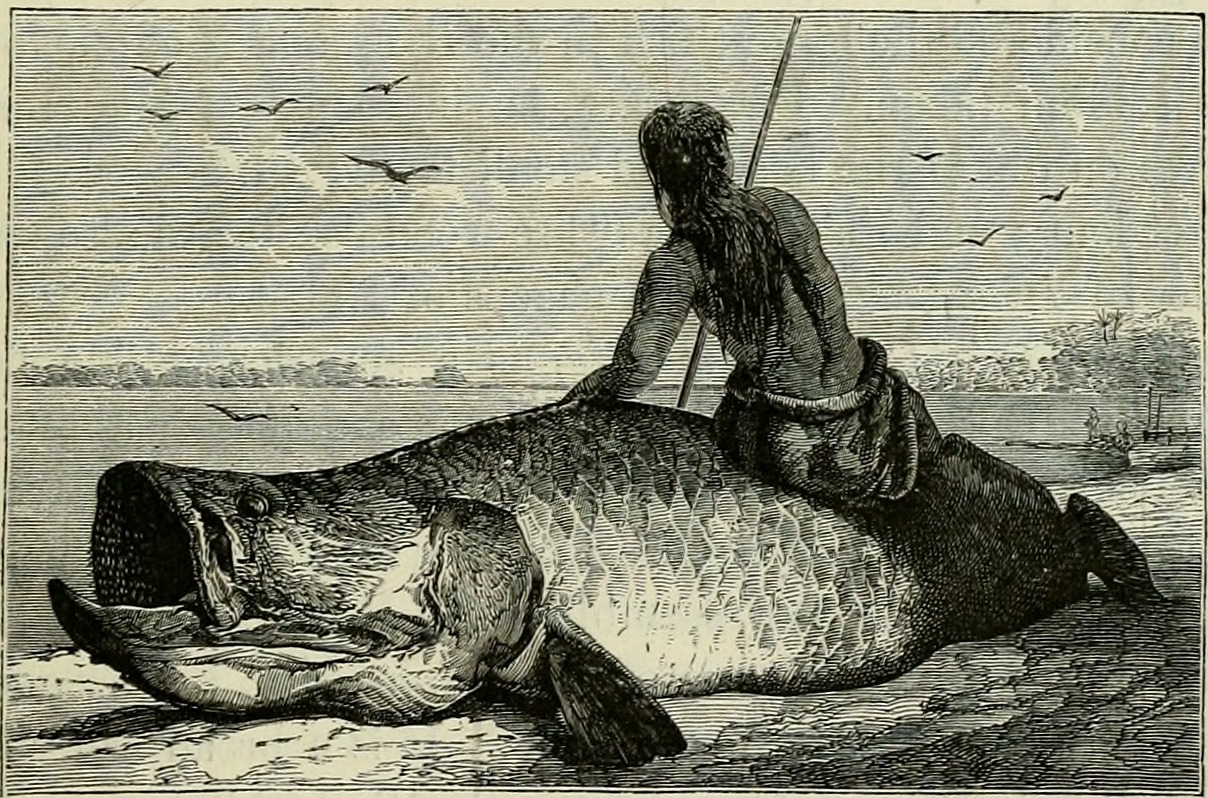
Image from page 480 of “The Andes and the Amazon :|bor across the continent of South America” (1876)

Image from page 480 of “The Andes and the Amazon :|bor across the continent of South America” (1876) Image by Internet Archive Book Images Identifier: andesamazonborac76orto Title: The Andes and the Amazon :|bor across the continent of South America Year: 1876 (1870s) Authors: Orton, James Subjects: Publisher: New York: Harper Contributing Library: Natural History Museum …

Image from page 480 of “The Andes and the Amazon :|bor across the continent of South America” (1876)
The Great Fish River museum
Image by Internet Archive Book Images
Identifier: andesamazonborac76orto
Title: The Andes and the Amazon :|bor across the continent of South America
Year: 1876 (1870s)
Authors: Orton, James
Subjects:
Publisher: New York: Harper
Contributing Library: Natural History Museum Library, London
Digitizing Sponsor: Natural History Museum Library, London

View Book Page: Book Viewer
About This Book: Catalog Entry
View All Images: All Images From Book

Click here to view book online to see this illustration in context in a browseable online version of this book.

Text Appearing Before Image:
variety. The great majority * Alligators are better travelers, being found .nbove the Falls of the Ma-deira, far up the Mamore and Beni. t Consequently the females almost exclusively are taken. The males aresmaller, and go by different names. Thus, the male of the large turtle iscalled Capitari; of the Tracaja, Anaiurt, or Taricaia, in Peru. (See p. 297.) Amazonian Fishes. 479 belong to the Cat-fish family (Siluridce), naked with bar-bels, and mainly to the group Pimelodina. The Lorica-7-ias, or cuirassed Silurids, are also comparatively numer-ous. Scale-fish seem tobe most abundant above the fallson the tributaries, and the skin-fish below. They are usu-ally captured by poisoning the water (as with baibasco ),and by means of spears, arrows, and hooks. A novel meth-od I witnessed on the Tapajos: two Indians di-agged a ca-noe lengthwise down stream, while a third followed afterwith a long palm-branch which provoked the fishes to leapout of the water, most of which fell into the canoe.

Text Appearing After Image:
The Pira-rucd. Pii-a-rucii, Payshi, or Anatto {Arapaima gigas), the Cod-fish of the Amazons, is the unixersal diet on the river, and,after rubber and cacao, the most important article of trade.It is sometimes found, but rarely, ten feet long, weighing300 pounds. It is covered with large, hard, red scales;has a smooth head, wide mouth, no barbels, and bands ofrasp-like teeth in various parts of the mouth. It aboundsin iagunes and clear water. Places, usually dry sand-banks. 480 The Andes and the Amazons. where salting this fish for the market is made a business,are called feitorias—about the only factories on the river.The fish is coarse, and not relished by foreigners. Pescada, a scaly, silvery fish, attaining six pounds, hasa delicious, white, flaky flesh, resembling fresh Cod-fish;abounds in the Solimoens and Tapajos. Tambaqui, calledGamitana on the Maranon {Myletes, one of the Gharaci-nidoB), is a very fine, large fish, found from the Negro tothe Ucayali. It is often a yard long,

Note About Images
Please note that these images are extracted from scanned page images that may have been digitally enhanced for readability – coloration and appearance of these illustrations may not perfectly resemble the original work.

This The Great Fish River museum image was automatically curated and published with WP Robot plugin – CLICK HERE to learn more about WP Robot for Wordpress – a massive time and money saver.

Category: ImagesTag: 1876, across, Amazon, America, Andes, continent, from, image, page, South, |bor
  • Previous
  • Page 1
  • Interim pages omitted …
  • Page 5
  • Page 6
  • Page 7
  • Page 8
  • Next
WE LOVE CRADOCK.

COPYRIGHT MyCradock · DESIGN BY REACH TRUST
All Rights Reserved · Powered by Straton Solar